
Sauces & Condiments
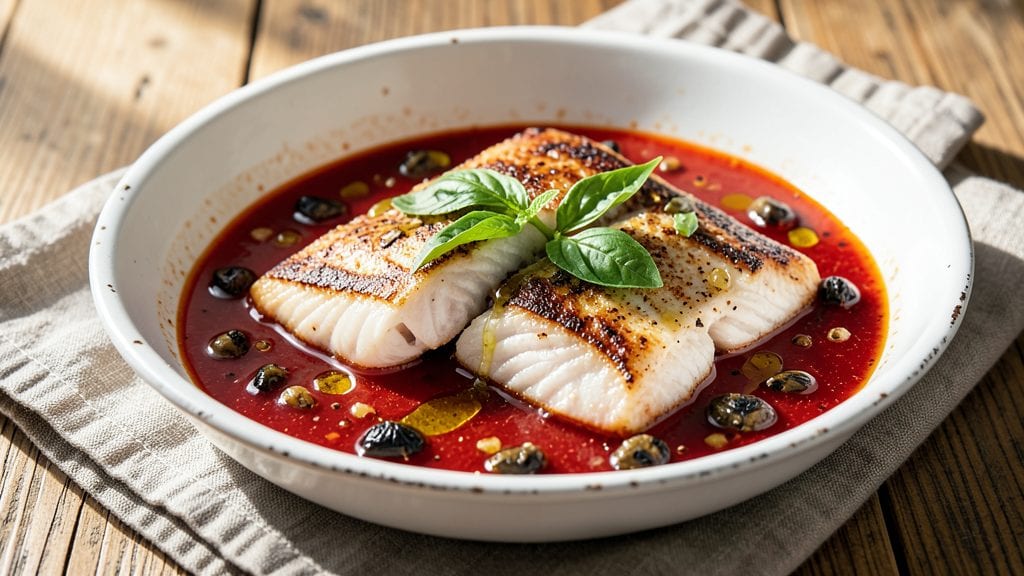
This fish with tomato sauce recipe transforms simple white fish into a restaurant-worthy dish with just 15 minutes of hands-on time and a garlic-infused simmer that creates crispy edges and tender centers.
The secret lies in searing the fish first—this builds the crust that holds up against the rich, slightly sweet tomato sauce. I developed this method after years of testing, and it never fails to impress, whether you're feeding a family or treating yourself to a weeknight meal that feels special.
The sauce itself is where the magic happens—it's built in layers. A quick sauté of garlic and onions forms the aromatic base, while crushed tomatoes and a splash of white wine infuse depth without overpowering the delicate fish.
A pinch of red pepper flakes adds just enough heat to balance the acidity, while fresh basil at the end brings brightness that cuts through the richness. The result is a sauce that clings to every flake of fish, turning a basic protein into something truly memorable.
What you'll end up with is perfectly crispy white fish fillets topped with a glossy, velvety tomato sauce that's rich but not heavy—each bite delivers tender fish with a satisfying crunch, followed by layers of savory, slightly sweet, and herby tomato sauce.
The aroma alone will have everyone gathering at the table, and the dish pairs beautifully with crusty bread to soak up every last drop. This is the kind of meal that proves you don't need fancy ingredients to create something extraordinary.
For those who want to elevate it further, a sprinkle of grated parmesan or fresh parsley adds an extra layer of sophistication, while roasted cherry tomatoes or a side of garlic bread complete the plate.
The recipe scales effortlessly, making it perfect for meal prep or feeding a crowd. Let's get cooking—this dish is simpler than it tastes, and the results will have you making it again and again.
Ingredients for fish with tomato sauce
Simple ingredients that pack restaurant-level flavor into your weeknight dinner.
| Ingredient | Amount | Notes |
|---|---|---|
| White Fish Fillets 🐟 | 1 ½ lb | Cod, halibut, or tilapia preferred |
| Extra-Virgin Olive Oil 🫒 | ½ cup | High quality, fruity variety |
| Yellow Onion 🧅 | 1 whole | Medium size, finely diced |
| Garlic Cloves 🧄 | 6 cloves | Fresh, minced for infusion |
| Crushed Tomatoes 🍅 | 1 ½ cups | San Marzano preferred, no salt added |
| Dry White Wine 🍷 | ¼ cup | Sauvignon Blanc or Pinot Grigio |
| Fresh Basil Leaves 🌿 | ¼ cup | Packed, torn not chopped |
| Red Pepper Flakes 🌶️ | ½ tsp | Adjust for desired heat |
| Salt 🧂 | 1 ½ tsp | Kosher or sea salt |
| Black Pepper 🌶️ | ½ tsp | Freshly ground preferred |
| Lemon Juice 🍋 | 1 tbsp | Freshly squeezed |
| Parmesan Cheese 🧀 | ¼ cup | Freshly grated, optional garnish |
| Crusty Bread 🍞 | 1 loaf | For serving, optional |
The fish is where it all starts. Wild-caught cod or halibut holds up best to the sauce, but tilapia or mahi-mahi work too. Look for fillets with even thickness—Costco or Whole Foods usually have great options, but the seafood counter at your local grocery store often has fresher selections than the frozen aisle. The key here is to pat them dry with paper towels before searing—this crispy crust is non-negotiable. If you're feeling fancy, ask for skin-on fillets—the skin adds extra crunch.
No white wine? Fish or chicken stock with a splash of lemon juice works perfectly—just add an extra pinch of salt. The crushed tomatoes can be fresh if you're feeling ambitious (blend canned San Marzano tomatoes), but the no-salt-added canned version saves time. Fresh basil is ideal, but dried works at one-third the amount if that's all you've got. The red pepper flakes are optional but add that little kick that makes the sauce sing. For the garlic, peeling and smashing the cloves with the flat side of a knife releases more flavor than mincing them.
This sauce gets better the next day—make extra and freeze portions for quick meals. The fish itself cooks in 15 minutes, but the sauce can simmer for up to 30 minutes if you want deeper flavor. Store leftovers in airtight containers for 3 days in the fridge, or freeze for 3 months. The bread? Toast it while the fish cooks—warm crusty bread soaks up sauce like a dream. If you're prepping ahead, cook the fish and sauce separately, then combine before serving.
Why You'll Love This Recipe
- Pantry-Ready Staples: I swear by this recipe because it uses things I always have on hand—no last-minute grocery runs. Sauté an onion and garlic in olive oil, toss in crushed tomatoes, and let that simmer while you prep the fish. No fancy ingredients, just pure, reliable flavor.
- Garlic-Kissed Magic: The moment those garlic cloves hit the pan, my kitchen smells like a Mediterranean bistro. The fish soaks up the rich, tangy tomato sauce while staying tender, and that crispy edge? Absolute perfection. (Honestly, I’ve been known to eat it straight out of the pan.)
- Weeknight to Special Occasion: This dish works whether I’m throwing together dinner in 20 minutes or hosting friends for a relaxed meal. Serve it over crusty bread for a casual vibe or pair it with a simple salad for something a little fancier. The sauce even reheats beautifully—no one will guess it started as a weeknight staple.
- Budget-Friendly Leftovers: Fish fillets stretch further when simmered in tomato sauce, and the leftovers? Even better the next day. I’ll often double the batch—one serving for dinner, another for lunch with toasted bread. Plus, using affordable white fish keeps costs low without sacrificing taste. (Yes, even on a Tuesday night.)
Step-by-step instructions for garlic-infused simmered white fish
Here's how to transform simple white fish into restaurant-quality crispy fillets with a rich tomato-garlic sauce.
Sear the Fish for Maximum Crispiness
Heat 0.25 cup of the extra-virgin olive oil in a large oven-safe skillet over medium-high heat until shimmering. Pat the 1.5 lb white fish fillets completely dry with paper towels—this is crucial for crispy skin. Season both sides generously with 0.75 tsp salt and 0.25 tsp black pepper.
Place the fillets in the hot oil and cook undisturbed for 2-3 minutes per side until golden brown with crispy edges. You'll see the edges curl slightly—that's your signal they're ready. Transfer the fish to a plate and tent loosely with foil to keep warm. Don't press on the fillets or they'll lose their shape.
Build the Garlic-Tomato Base
In the same skillet, add 0.25 cup extra-virgin olive oil and reduce heat to medium. Add the 1 whole yellow onion and cook for 5 minutes until softened and translucent. Stir in the 6 cloves minced garlic and cook for 30 seconds until fragrant—don't let it brown or it'll turn bitter.
Pour in the 1.5 cups crushed tomatoes and 0.25 cup dry white wine, scraping up any browned bits from the bottom. Bring to a gentle simmer and let it cook uncovered for 8-10 minutes until slightly thickened. Taste and adjust seasoning with remaining 0.75 tsp salt and 0.25 tsp black pepper.
Finish with Aromatics and Return the Fish
Stir in the 0.5 tsp red pepper flakes and 0.25 cup fresh basil leaves, letting them wilt slightly into the sauce. Return the fish to the skillet, spooning sauce over the top. Cover and simmer gently for 4-5 minutes until the fish is just cooked through—it should flake easily with a fork but still be slightly translucent in the center.
Finish with a squeeze of 1 tbsp lemon juice and sprinkle with 0.25 cup parmesan cheese if using. The sauce should coat the fish beautifully with a balance of sweet tomatoes, garlicky depth, and bright acidity. Serve immediately with slices of 1 loaf crusty bread for dipping.
Rest and Serve for Perfect Texture
Let the fish rest for 2 minutes before serving—this allows the juices to redistribute and prevents the fillets from falling apart. The crispy skin should contrast perfectly with the tender, flaky interior and rich tomato sauce.
For best results, serve with the remaining sauce spooned over the top and garnish with extra basil leaves. The bread is perfect for soaking up any leftover sauce at the bottom of the skillet. This dish comes together in under 30 minutes but delivers restaurant-quality results every time.
Pro Tips For Making Fish With Tomato Sauce
- Sweat the Onion First: I learned this the hard way—when you toss raw onion into olive oil, it burns before softening. Instead, cook the sliced onion in a dry pan for 3-4 minutes until it releases moisture, then add the oil. This builds flavor without turning your sauce bitter.
- Salt the Fish Before Cooking: Fish absorbs salt like a sponge, but if you wait until the end, it stays bland. Pat the fillets dry, sprinkle with salt (about ¼ teaspoon per fillet), and let them sit for 10 minutes. This locks in moisture and gives the sauce something to cling to.
- Simmer, Don’t Boil, the Sauce: Crushed tomatoes need gentle heat to meld, not a rolling boil. After adding them, turn the heat to medium-low and let it bubble softly. If it boils hard, the sauce will break and taste flat—like overcooked pasta water.
- Add Garlic Late: Garlic burns faster than you think. Sauté the onion and a pinch of red pepper flakes first, then add minced garlic only when the onions are translucent. Stir constantly and pull the pan off the heat if it starts to brown—you want aroma, not bitterness.
Pro cooking tips for fish with tomato sauce
Searing Secrets
That crispy crust isn't just about heat—it's about dry fish and patience. Pat your fillets with paper towels until they're bone dry before searing. I use medium-high heat and let the oil get shimmering hot (not smoking) for maximum crust formation.
The key? Don't move the fish for those first 2-3 minutes per side—resist the urge to flip early. A cast-iron skillet like the Lodge 10.25-inch is my go-to because it retains heat perfectly and develops that beautiful crust. 🔥
Garlic Infusion
Mincing garlic is fine, but smashing whole cloves releases more flavor. I like to peel 6 cloves, place them on a cutting board, and smash them with the flat side of a knife before mincing. This breaks open the cells and intensifies the aroma.
Cook them for just 30 seconds after the onions—any longer and they'll turn bitter. For extra depth, I sometimes add 1 tsp garlic powder to the sauce while it simmers. 🧄
Wine Reduction
The white wine doesn't just add alcohol—it deglazes the pan and creates a silky sauce base. I use Sauvignon Blanc because its citrus notes complement the tomatoes beautifully. If you're avoiding alcohol, substitute with fish stock + 1 tbsp lemon juice.
Let the wine simmer until it's reduced by half before adding tomatoes. This concentrated flavor makes all the difference in the final sauce. 🍷
Sauce Thickness
Your sauce should coat the back of a spoon but still be light enough to cling to the fish. If it's too thin after simmering, I remove the fish and reduce the sauce uncovered over medium heat for 3-5 minutes.
For extra body without heaviness, stir in 1 tbsp tomato paste at the end. The sauce should be velvety, not chunky—use an immersion blender for silky smoothness if needed. ✨
Fish Doneness
White fish cooks in minutes, not hours—overcooking turns it rubbery. The fish is done when it flakes easily with a fork but still has a slightly translucent center. I aim for an internal temperature of 145°F (measured with an instant-read thermometer).
The sauce's gentle simmer keeps the fish warm without overcooking it. If you're nervous, undercook it slightly—it'll finish cooking in the sauce. 🌡️
Final Brightness
The secret to balancing rich tomato sauce is acidity. I finish with 1 tbsp lemon juice and a handful of fresh basil—this cuts through the fat and adds freshness. For extra brightness, I sometimes add 1 tsp balsamic vinegar at the end.
The sauce should taste complex, not one-dimensional. Taste as you go and adjust—this is where home cooks elevate restaurant dishes. 💫
Nutrition facts
Frequently asked questions
What's the best fish to use for this tomato sauce recipe?
White fish like cod, halibut, or tilapia work best—they're firm enough to hold up to the sauce without falling apart. Look for fillets with even thickness (about 1-inch thick) so they cook uniformly. If using skin-on fillets, leave the skin on for extra crunch during searing.
Can I make this sauce ahead of time?
The sauce actually improves overnight. Make it up to 2 days in advance and store in an airtight container in the fridge. Reheat gently over low heat and add fresh basil and lemon juice just before serving. The fish should be cooked separately and added fresh for best texture.
How do I adjust the heat level in the sauce?
Start with the 0.5 tsp red pepper flakes as written for mild heat. For medium heat, add 1 tsp instead. For spicy, increase to 1.5 tsp or add 1 tsp cayenne pepper when finishing. Always taste as you go—you can reduce heat by adding more basil or lemon juice to balance.
What if my sauce is too acidic?
A splash of 1 tsp honey or 1 tsp sugar will balance acidity beautifully. Stir it in during the final 5 minutes of simmering. For extra richness, a pat of butter at the end also helps smooth out sharp flavors. The sauce should taste complex, not one-dimensional.
Can I substitute wine with something else?
Yes! Use 0.25 cup fish or vegetable stock plus 1 tbsp lemon juice for the same depth of flavor. For a non-alcoholic version, even apple juice works—just add an extra pinch of salt. The key is the liquid reduction that creates the silky sauce base.