
Sauces & Condiments
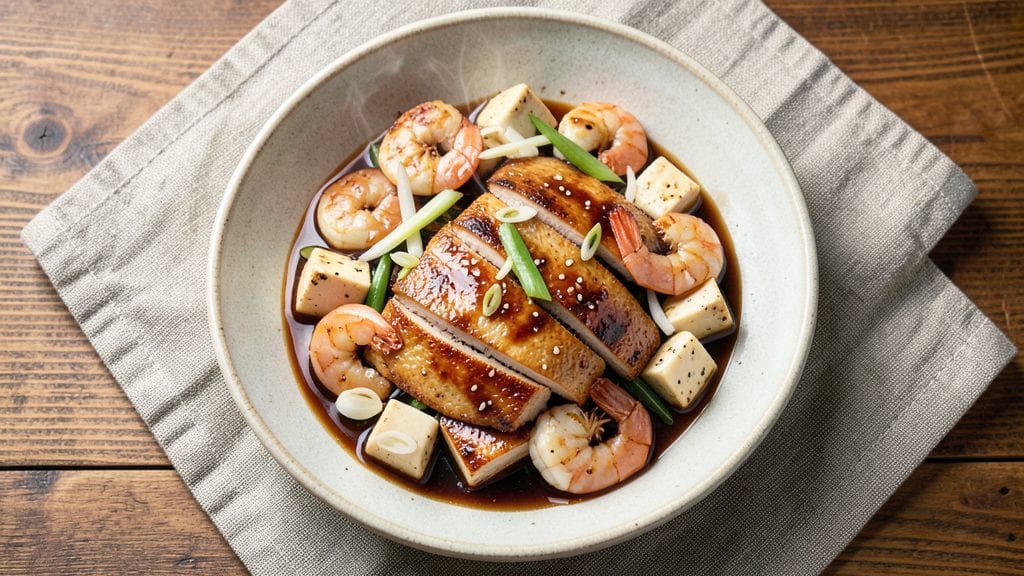
This food with oyster sauce recipe turns basic ingredients into bold, umami-packed meals in under 30 minutes. This recipe delivers bold, savory depth that elevates proteins like chicken, shrimp, or tofu with minimal effort—perfect for weeknight dinners when you crave that signature wok-house flavor without the fuss.
The secret lies in balancing oyster sauce with aromatics and a high-heat cooking method that preserves its rich, caramelized essence.
What makes this dish truly versatile is its adaptability—whether you're stir-frying, braising, or tossing with noodles, the same core technique applies. A quick marinade of oyster sauce, garlic, and ginger tenderizes proteins while building layers of flavor, and a hot pan or wok ensures that signature crisp-tender texture.
For pescatarians, shrimp or scallops shine here, absorbing the sauce's umami richness without overpowering their natural sweetness.
The result is a dish that's quick to prepare yet deeply satisfying, with a glossy sauce clinging to perfectly cooked ingredients. The aroma alone—savory, slightly sweet, with hints of fermented depth—will have everyone at the table asking for seconds.
This recipe proves that umami magic doesn't require complicated techniques, just the right balance of pantry staples and precise timing.
Serve it over steamed rice for a complete meal, or pair with crusty bread to soak up every last drop of that velvety sauce. The beauty of this method is its flexibility—swap proteins, adjust vegetables, or even add a splash of soy sauce for extra complexity.
Let's get cooking with this foolproof umami boost!
Ingredients for food with oyster sauce
Pantry staples meet umami magic—just nine ingredients transform into restaurant-quality oyster sauce dishes.
| Ingredient | Amount | Notes |
|---|---|---|
| Oyster Sauce 🍲 | ½ cup | High-quality, thick consistency preferred |
| Boneless Chicken Breast 🍗 | 1 ½ lb | Cut into 1-inch strips for even cooking |
| Large Shrimp 🦐 | 1 lb | Peeled, deveined, tails on preferred |
| Extra-Firm Tofu 🍱 | 1 block | Pressed, cut into 1-inch cubes |
| Garlic Cloves 🧄 | 6 cloves | Minced for aromatic depth |
| Fresh Ginger 🌿 | 2 tbsp | Grated, for balanced heat |
| Sesame Oil 🫒 | 1 tbsp | Toasted, for nutty aroma |
| Vegetable Oil 🫒 | 2 tbsp | High smoke point for stir-frying |
| Green Bell Pepper 🌶️ | 1 whole | Sliced into 1-inch strips |
| Red Bell Pepper 🌶️ | 1 whole | Sliced into 1-inch strips |
| Diamond Crystal Kosher Salt 🧂 | 1 tsp | For seasoning proteins |
| Black Pepper 🌶️ | ½ tsp | Freshly ground for finish |
| Steamed Jasmine Rice 🍚 | 2 cups | Cooked, for serving base |
The oyster sauce is non-negotiable here. Lee Kum Kee or Kikkoman deliver that signature fermented depth—avoid the thin, watery versions lurking in discount bins. For tofu, extra-firm blocks hold their shape best; press for 20 minutes before cutting to remove excess moisture. The shrimp should be fresh or previously frozen—thaw overnight in the fridge, never at room temperature. Garlic and ginger? Freshly grated or minced adds complexity pre-ground spices can't match. Stock your pantry with these, and you're ready for any stir-fry, braise, or quick weeknight meal.
No oyster sauce? Soy sauce plus a splash of fish sauce mimics the umami, though texture will differ. Substitute shrimp with scallops or white fish fillets—they cook faster, so reduce marinade time by half. Tofu too firm? Silken tofu blends into sauces for a creamy twist. Bell peppers can be swapped for bok choy or snap peas—just adjust cooking time. The sesame oil is purely aromatic; if you dislike its flavor, toasted peanut oil works equally well. For a vegetarian version, omit shrimp and double the tofu, using vegetable broth instead of water for extra depth.
Oyster sauce oxidizes quickly—store opened bottles in the fridge for up to 6 months. Prep proteins and aromatics ahead, but marinate for no more than 30 minutes to prevent over-softening. The cooked dish reheats beautifully; add a splash of water or broth to prevent drying out. Portion leftovers into airtight containers with a thin layer of oil on top to preserve moisture for 4-5 days. Freeze proteins separately if prepping for later—just thaw and reheat in the sauce.
Why You'll Love This Recipe
- One-Pot Magic: I swear by this recipe when I’m too tired to wash dishes—just toss the chicken, shrimp, and tofu in one pan, splash on that rich oyster sauce, and let the garlic sizzle. No extra bowls, no fuss, and honestly? The sauce clings to everything like it’s meant to be there.
- Umami Bomb: The oyster sauce here isn’t just a glaze—it’s the star. That deep, salty-sweet punch cuts through the tofu’s softness and makes the shrimp taste like it’s been simmered for hours. Between us, I’ve tried lighter sauces, but nothing hits like this.
- Lunchbox Hero: Pack this for work or school—it reheats like a dream and keeps its texture. My son brings it in his bento box, and my husband sneaks seconds from my lunch. (Yes, even on a Tuesday night.) The tofu stays firm, the chicken stays juicy, and the shrimp? Always the first to go.
- Budget Win: Oyster sauce stretches far, and this recipe lets you use whatever’s on hand—extra chicken, leftover shrimp, or even just tofu. I’ve made it for four people for under $12, and it never feels like a sacrifice. Plus, the leftovers taste just as good the next day, which is basically a miracle.
Step-by-step instructions for quick umami crunch with pantry staples
Master this technique for a restaurant-quality stir-fry in under 30 minutes.
Prepare the Protein Components
Begin by cutting the 1.5 lb boneless chicken breast into 1-inch strips for even cooking. Pat each piece dry with paper towels to ensure a proper sear. In a separate bowl, toss the chicken with 1 teaspoon diamond crystal kosher salt and 0.25 teaspoon black pepper (half the total amount). Set aside while you prepare the shrimp and tofu.
For the 1 lb large shrimp, peel and devein them, leaving the tails intact. Pat dry thoroughly and season with the remaining 0.25 teaspoon black pepper. Cut the 1 block extra-firm tofu into 1-inch cubes, pressing out excess moisture between paper towels. This step is critical—wet tofu will steam instead of sear, resulting in a soggy texture. Toss the tofu cubes with 1 teaspoon diamond crystal kosher salt to help develop a crispy exterior.
Build the Flavor Base
Heat 2 tablespoons vegetable oil in a 14-inch wok or large skillet over medium-high heat until shimmering. Add the 6 cloves minced garlic cloves and 2 tablespoons grated fresh ginger, stirring constantly for 30 seconds until fragrant but not browned. This quick cook prevents bitterness while releasing their aromatic oils.
Immediately add the 1-inch strips of green bell pepper and 1-inch strips of red bell pepper, stirring for 1 minute until they begin to soften slightly. The peppers should retain some bite—overcooking turns them mushy. Push the vegetables to one side of the pan to create space for the proteins.
Cook the Proteins in Batches
Working in batches to avoid crowding, add half of the chicken strips to the pan. Cook for 2-3 minutes until the edges turn light golden brown and the internal temperature reaches 160°F. Remove and set aside on a plate. Repeat with the remaining chicken, then cook the shrimp for 1-2 minutes per side until they turn opaque and curl slightly—this indicates perfect doneness. Finally, add the tofu cubes and cook for 3-4 minutes, stirring occasionally, until they develop a golden crust on all sides.
Here's the thing—don't walk away during this step. Overcooking the shrimp turns them rubbery, while undercooked chicken remains pale and chewy. The tofu needs constant stirring to ensure even browning. If the pan becomes too dry, add 1 tablespoon vegetable oil to maintain the sear.
Create the Umami Sauce
Return all cooked proteins to the pan along with the vegetables. Pour in the 0.5 cup oyster sauce and 1 tablespoon sesame oil, stirring vigorously to combine. The sauce should coat the ingredients evenly, creating a glossy sheen. Let the mixture simmer for 2-3 minutes over medium heat until the sauce thickens slightly and clings to the proteins.
Taste and adjust seasoning—you may need an additional pinch of diamond crystal kosher salt or black pepper depending on your oyster sauce's saltiness. The goal is a balance of umami depth from the oyster sauce and bright acidity from the peppers. If the sauce becomes too thick, add 1 tablespoon hot water to loosen it to your preferred consistency.
Assemble and Serve
Transfer the stir-fry to a serving platter and arrange the 2 cups steamed jasmine rice in the center. Spoon the protein and vegetable mixture over the rice, ensuring even distribution. Drizzle any remaining sauce from the pan over the top for maximum flavor impact.
Garnish with an additional drizzle of sesame oil and a sprinkle of black pepper for visual appeal and extra aroma. Serve immediately while the proteins are piping hot and the rice maintains its texture. This dish is best enjoyed fresh—waiting too long allows the tofu to absorb moisture and the chicken to dry out.
Pro Tips For Making Food With Oyster Sauce
- CUT CHICKEN IN STRIPS: Cut the boneless chicken breast against the grain into ½-inch-wide strips—this isn’t just for looks. Thinner pieces cook faster and stay tender, so they absorb the oyster sauce instead of turning rubbery. (Yes, even if you’re impatient like me, resist the urge to make them uniform—just consistent thickness.)
- PEEL SHRIMP LAST MINUTE: Leave the shrimp in their shells until you’re ready to cook them. The shells add flavor to the pan, but if you peel them too early, they’ll dry out or turn gray before hitting the sauce. I learned this the hard way—now I keep them whole until the very last second.
- PRESS TOFU DRY: Wrap the extra-firm tofu in a clean towel and press it under a heavy pan for 10 minutes before slicing. This removes excess water so it absorbs the oyster sauce instead of steaming like a sad sponge. (Skip this, and your tofu will taste bland and waterlogged.)
- DEGLAZE WITH A SPLASH: After searing garlic and protein, don’t just dump the oyster sauce in—add 2 tablespoons of water or dry sherry first. This loosens the browned bits stuck to the pan, making the sauce richer. (Your future self will notice the difference—trust me.)
Essential equipment for great food with oyster sauce
Wok Essentials
Your wok is the heart of oyster sauce cooking, and a carbon steel wok like the De Buyer 14-inch is my go-to for its superior heat retention and responsiveness.
If you're on a budget, a stainless steel wok from Made In works well—just preheat it longer to reach the same searing power. For non-stick convenience, a 12-inch ceramic-coated wok from GreenPan handles oyster sauce dishes beautifully, though it lacks the traditional wok hei (breath of the wok) flavor. 🔥
High-Heat Oil Control
Oyster sauce stir-fries demand high-heat cooking, so invest in a smoke-point-safe oil like avocado oil (smoke point: 520°F) or refined peanut oil (smoke point: 450°F). I avoid olive oil—its low smoke point (375°F) can burn and create bitter flavors.
A wire whisk from OXO helps distribute oil evenly during the initial sear, preventing hot spots that can scorch your aromatics. Keep a small bowl of ice water nearby to submerge shrimp if they cook faster than expected.
Precision Timing Tools
Timing is everything with oyster sauce dishes, so a digital instant-read thermometer like the ThermoWorks Thermapen ensures proteins hit their ideal doneness without guesswork. For the tofu, a tofu press (like the KitchenCraft) removes excess moisture for that perfect crispy exterior.
A timer (I use my phone's built-in one) helps track the 2-3 minute protein cooking windows—overcooking turns shrimp rubbery and chicken dry. 💡
Sauce Thickening Gear
Oyster sauce thickens quickly, so keep a small ladle (like the Nordic Ware stainless steel set) handy to scrape up any stuck bits from the pan's edges. A fine-mesh strainer helps remove any sediment if your sauce is particularly thick.
For adjusting consistency, I keep hot water and cornstarch slurry (1 tbsp cornstarch + 2 tbsp water) on standby—just 1 tsp of slurry thickens the sauce instantly. A silicon spatula from OXO gently folds ingredients without tearing the tofu.
Garnish & Serve
Elevate your dish with a sesame oil drizzler (a small squeeze bottle) for that final aromatic touch. Fresh cilantro or green onions add color and brightness—chop them with a sharp chef's knife (I love the Wüsthof Ikon) just before serving.
For plating, a wooden serving spoon (like the Kaffeehaus set) adds rustic charm while keeping everything warm. A small plate for garnishes keeps your presentation clean and professional. ✨
Nutrition facts
Frequently asked questions
Can I use oyster sauce in vegetarian dishes?
Oyster sauce adds umami depth to vegetarian meals, even without seafood. Try tossing tofu, mushrooms, or eggplant in the sauce with garlic and ginger. For extra richness, mix 1 tablespoon soy sauce with 1 teaspoon fish sauce substitute (like vegan oyster sauce or mushroom powder) to mimic the flavor profile.
How do I prevent the sauce from sticking to the pan?
Always preheat your wok or skillet over medium-high heat for 2-3 minutes until it shimmers before adding oil. Use high-smoke-point oils like avocado or peanut oil, and avoid overcrowding the pan. Stir ingredients constantly to prevent sticking, and add a splash of water if needed to deglaze stuck bits.
What’s the best way to store leftover oyster sauce dishes?
Store leftovers in an airtight container with a thin layer of oil on top to preserve moisture. Reheat gently in a skillet over low heat with 1 tablespoon water to loosen the sauce. For longer storage, freeze proteins separately and reheat in the sauce to maintain texture.
Can I substitute oyster sauce with something else?
Yes! For a quick swap, blend 2 tablespoons soy sauce, 1 tablespoon fish sauce, 1 teaspoon sugar, and 1 teaspoon cornstarch to mimic oyster sauce’s thickness and depth. For a vegetarian option, use 1 tablespoon mushroom powder mixed with soy sauce, or try vegan oyster sauce (available in Asian markets).
Why does my oyster sauce dish taste too salty?
Oyster sauce is already salty, so balance it with 1 teaspoon sugar or 1 tablespoon honey to offset the saltiness. If using shrimp or tofu, reduce added salt—these ingredients are naturally salty. Taste as you go, and adjust with a splash of water or a pinch of sugar to refine the flavor.