
Sauces & Condiments
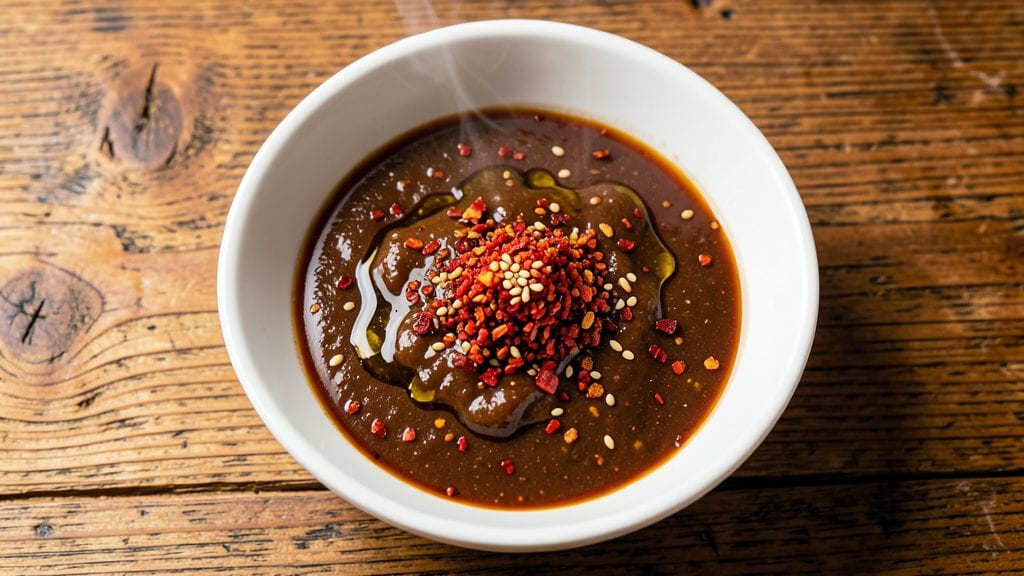
This ssam sauce recipe delivers the perfect balance of spicy, nutty, and tangy flavors to elevate every bite of Korean BBQ, grilled meats, or fresh vegetables. The secret lies in fermented soybean paste and gochugaru—two ingredients that create that signature umami crunch and vibrant red hue.
I developed this version after years of testing, ensuring it’s smooth yet textured, with just the right heat to complement without overpowering.
The sauce comes together in 10 minutes with simple pantry staples, including sesame oil, soy sauce, and a touch of sugar for depth. What sets this apart is the optional addition of toasted sesame seeds, which add a satisfying crunch and nutty aroma that lingers on the palate.
The sauce thickens as it sits, making it ideal for dipping, wrapping, or drizzling over hot dishes.
What you’ll end up with is a versatile, restaurant-quality sauce that transforms ordinary meals into something extraordinary. Whether you’re serving Korean-style grilled pork, shrimp, or crisp vegetables, this ssam jang adds layers of flavor that keep everyone reaching for seconds.
The best part? It keeps well in the fridge for up to a week, so you can make a batch and enjoy it all week long.
For those who prefer a milder version, simply reduce the gochugaru, or swap in a vegan soybean paste for a plant-based option. The possibilities are endless—let’s get cooking!
Ingredients for ssam sauce
Eight simple ingredients transform into this vibrant, umami-packed ssam sauce perfect for wrapping and dipping.
| Ingredient | Amount | Notes |
|---|---|---|
| Fermented Soybean Paste (Doenjang or Miso) 🥫 | ½ cup | Miso for depth, doenjang for authentic flavor |
| Korean Red Gochugaru Chili Flakes 🌶️ | ¼ cup | Adjust for heat preference (mild to spicy) |
| Sesame Oil 🫒 | 2 tbsp | Toasted for nutty aroma (not regular cooking oil) |
| Light Soy Sauce 🥫 | 2 tbsp | Korean or Japanese preferred |
| Rice Vinegar 🍶 | 1 tbsp | White or seasoned rice vinegar |
| Granulated Sugar 🍚 | 1 tbsp | Balances spicy and tangy flavors |
| Toasted Sesame Seeds 🥜 | 1 tbsp | For crunch and nutty aroma (optional) |
| Garlic Cloves 🧄 | 2 cloves | Minced for aromatic depth |
| Green Onion 🧅 | 2 whole | Finely chopped, white and green parts |
| Water 💧 | ½ cup | Adjust for desired consistency |
The fermented soybean paste is the heart of this sauce—doenjang gives that authentic Korean funk, while miso adds depth if you can't find it. Korean markets or Asian grocery stores usually carry both, but the regular grocery store will have miso. For gochugaru, avoid regular cayenne or paprika—it needs that fine, slightly sweet chili texture. I grab mine at H Mart or 99 Ranch Market; their bulk bins are perfect for testing heat levels. The sesame oil should smell nutty and toasty—not that cheap, neutral kind. Toast it first in a dry pan for 30 seconds to deepen the flavor even more.
No doenjang? Double the miso and add 1 tsp of fish sauce for umami. Running low on gochugaru? Substitute half with smoked paprika for color, but you'll lose that signature crunch. The sesame seeds are optional but worth it—they add that satisfying texture. No toasted sesame seeds? Use regular sesame seeds and toast them yourself in a dry pan for 2 minutes. For the vinegar, apple cider vinegar works in a pinch, but rice vinegar keeps it authentic. The garlic and green onion can be swapped for 1 tsp garlic powder and 1 tsp onion powder if you're in a hurry, though fresh is always better.
This sauce thickens as it sits—best after 30 minutes in the fridge. Keeps for 1 week in an airtight jar, or 3 months in the freezer. I like to make a big batch and freeze portions in ice cube trays for easy use. The texture changes slightly when reheated, so I usually serve it at room temperature. For extra crunch, sprinkle fresh sesame seeds on top right before serving—trust me on this.
Why You'll Love This Recipe
- No-Fuss Blend: I swear by this sauce because it’s literally five ingredients—just stir, taste, adjust. The doenjang (or miso) does all the deep, savory work while I’m still debating what to eat for dinner.
- Umami Bomb: That first spoonful of fermented soybean paste and gochugaru? It’s like a hug for your taste buds—sweet, funky, and just spicy enough to wake up any dish. Honestly, I’ve ruined perfectly good meals trying to recreate this balance.
- Party in a Jar: This stuff works on everything—grilled meats, cold noodles, even as a dip for veggies. I keep a jar in the fridge for lazy Sundays or when friends drop by unannounced. (Yes, even on a Tuesday night.)
- Budget Magic: A little goes a long way, and the ingredients? Cheap. Like, “I bought a whole block of doenjang and still have half left” cheap. Plus, it keeps for weeks, so I’m not scrambling to buy more last-minute.
Step-by-step instructions for ssam jang recipe
Here's how to make this vibrant, umami-packed sauce that's perfect for wrapping.
Toast the Chili Flakes and Sesame Seeds
Heat a dry skillet over medium heat. Add the 0.25 cup Korean red gochugaru chili flakes and toast for 1-2 minutes until fragrant and slightly darker in color. Watch closely—they burn quickly. Transfer to a bowl and set aside. In the same skillet, add the 1 tablespoon toasted sesame seeds and toast for 30 seconds until they release their nutty aroma. Remove from heat immediately.
The toasting deepens the flavors and removes any raw taste from the chili flakes. If you prefer milder heat, reduce the toasting time slightly. I like to keep the seeds whole for texture, but you can grind them if you prefer a smoother sauce.
Bloom the Fermented Soybean Paste
In a small saucepan, combine the 0.5 cup fermented soybean paste (doenjang or miso) with the 0.5 cup water. Place over medium-low heat and stir constantly for 3-4 minutes until completely dissolved and smooth. The mixture will bubble gently—this is normal. Remove from heat and let cool slightly.
Using miso instead of doenjang will give you a slightly deeper, more complex flavor. If you're using miso, reduce the light soy sauce by 1 teaspoon since miso is already salty. The paste should be fully dissolved with no lumps remaining—this ensures a silky sauce.
Build the Sauce Base
Return the saucepan to medium heat. Add the 2 tablespoons sesame oil, 2 tablespoons light soy sauce, and 1 tablespoon rice vinegar. Stir well and let simmer for 2 minutes until the mixture becomes slightly thickened. Add the minced 2 cloves garlic and cook for 30 seconds until fragrant.
This is where the flavors start to meld together. The vinegar will make the sauce bubble slightly—keep stirring to prevent sticking. If you smell the garlic burning, remove the pan from heat immediately. The sauce should be smooth with no visible oil separation at this point.
Sweeten and Finish
Add the 1 tablespoon granulated sugar and stir until dissolved. Return the toasted chili flakes and sesame seeds to the pan. Cook for an additional 1 minute, stirring constantly. Remove from heat and let cool for 5 minutes. Stir in the finely chopped 2 whole green onion just before serving.
The sugar balances the spicy and salty flavors while adding a subtle caramel note. The green onion adds freshness and brightness that cuts through the richness. For extra crunch, you can add the sesame seeds just before serving instead of during cooking.
Adjust Consistency and Serve
Taste the sauce and adjust seasoning if needed. If it's too thick, add 1-2 tablespoons water at a time until you reach your desired consistency. For a smoother texture, strain through a fine-mesh sieve. Transfer to a serving bowl and let sit for 10 minutes before using to allow flavors to fully develop.
This sauce keeps well in the refrigerator for up to 1 week. The flavors actually improve as it sits! Serve it at room temperature for the best experience. The perfect ssam jang should be bold with umami depth, balanced heat, and a satisfying crunch from the sesame seeds.
Pro Tips For Making Ssam Sauce
- Bloom the Gochugaru: Toss the chili flakes into the warm paste first—don’t just dump them in raw. They’ll release their color and depth faster, especially if you’re using the finer, dustier kind. I used to add them at the end, and the sauce always looked dull.
- Toast the Sesame Oil: Heat the sesame oil in the pan for 10 seconds before adding anything else—just until it shimmers. This deepens its nutty aroma and prevents that raw, medicinal taste from overpowering the sauce. (Yes, even if you’re impatient like me.)
- Balance the Vinegar Last: Add the rice vinegar after the sauce has simmered and thickened, not at the start. It’ll mellow out the sharpness and keep the texture smooth, rather than making the whole thing taste like you’re pickling your ssam.
- Whisk the Doenjang First: Mix the fermented soybean paste with a splash of water or light soy sauce into a smooth paste before adding other ingredients. Lumps turn to grit, and grit ruins texture. I learned this the hard way—now I make it a habit.
Health benefits of these flavors
Fermented Umami Boost
The fermented soybean paste in ssam sauce (doenjang or miso) is packed with probiotics that support gut health and digestion. Just ½ cup provides beneficial bacteria strains like Lactobacillus, which help maintain a healthy gut microbiome.
These probiotics also aid nutrient absorption, ensuring you get maximum benefits from the other ingredients. 💪
Antioxidant-Rich Chili
The gochugaru chili flakes contribute capsaicin, a compound known for reducing inflammation and boosting metabolism. A ¼ cup serving contains significant antioxidants that combat oxidative stress.
The fine texture of gochugaru also makes it easier to digest than whole chili peppers, while still delivering heat benefits. The toasted version enhances these properties further.
Heart-Healthy Fats
Sesame oil contains monounsaturated fats and vitamin E, both excellent for cardiovascular health. Just 2 tablespoons provides 10% of your daily vitamin E needs, which supports cell protection and immune function.
The toasted sesame seeds add extra crunch while delivering calcium and magnesium—minerals essential for muscle and nerve function.
Protein Without Guilt
This sauce offers plant-based protein through its soybean base, with ½ cup providing about 12 grams of complete protein. Unlike many dipping sauces, ssam sauce delivers protein without added fats or refined carbs.
The fermented nature also makes these proteins more bioavailable, meaning your body absorbs them more efficiently. Perfect for meat lovers and vegetarians alike!
Blood Sugar Balance
The combination of soy sauce (low glycemic) and sugar in controlled amounts helps stabilize blood sugar levels. The 1 tablespoon sugar provides quick energy without spikes, while the fermented components slow glucose absorption.
This makes ssam sauce a great option for those monitoring blood sugar—just be mindful of portion sizes if you're tracking carbs.
Digestive Enzymes
Fermented ingredients like doenjang naturally contain digestive enzymes that aid protein breakdown. These enzymes help your body process the meal more efficiently, reducing bloating and indigestion.
The garlic in the sauce also contains allicin, a compound that supports stomach health and may help reduce inflammation in the digestive tract. 🌱
Nutrition facts
Frequently asked questions about Korean wrapping sauce
Can I make this ssam sauce without doenjang?
Yes! Use ½ cup miso paste instead and reduce the soy sauce by 1 teaspoon since miso is saltier. For extra umami, add ½ teaspoon fish sauce. The texture will be slightly smoother but still delicious.
How spicy should ssam sauce be?
The recipe balances heat with sweetness, but you can adjust it. For milder sauce, reduce gochugaru to 2 tablespoons. For extra heat, add 1 extra tablespoon and toast it longer. Always taste as you go! The sugar and sesame oil help mellow the spice.
Can I use this sauce for anything other than wrapping?
Drizzle it over grilled meats, use as a marinade for 1-2 hours, or serve as a dipping sauce for spring rolls and dumplings. It even works as a base for Korean-style tacos or noodle bowls. The versatility comes from its balanced flavors.
Why does my ssam sauce look too thin?
This happens when the soybean paste doesn't fully thicken. Simmer the sauce uncovered for 5 extra minutes to reduce it naturally. If needed, mix 1 teaspoon cornstarch with 1 tablespoon water and stir in. The sauce should coat the back of a spoon but remain pourable.
How do I store leftover ssam sauce?
Transfer to an airtight container and refrigerate for up to 1 week. For longer storage, freeze in ice cube trays. Thaw overnight in the fridge—never microwave directly. The flavors actually improve after 24 hours of resting!