
Sauces & Condiments
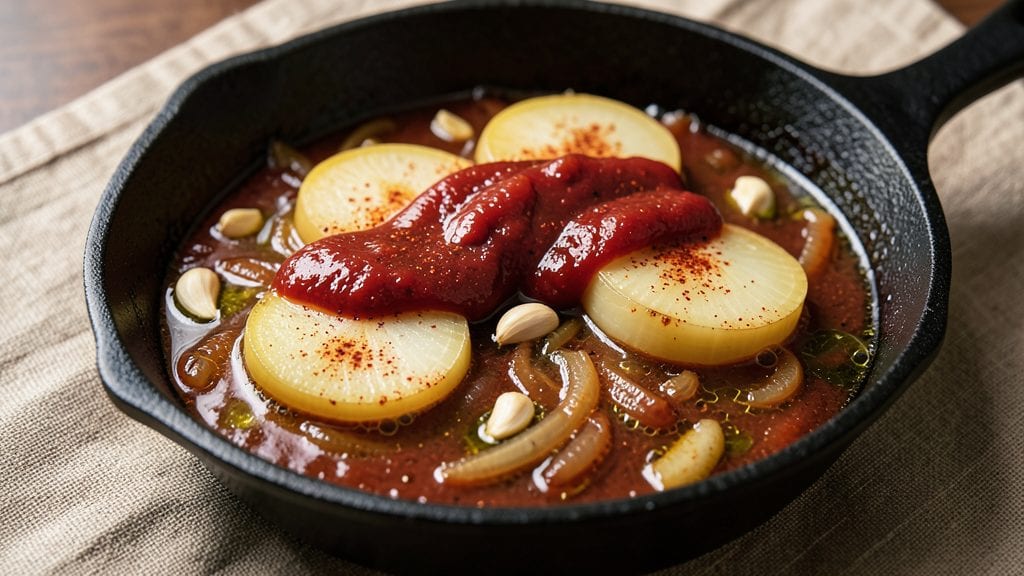
This goulash sauce recipe delivers the deep, smoky comfort of a classic Hungarian simmer—rich with paprika, tomatoes, and slow-cooked aromatics that transform simple meals into hearty favorites.
The secret lies in balancing sweet and hot paprika for that signature warmth while letting the sauce reduce into a velvety consistency that clings to every bite.
I developed this version after years of testing, ensuring it works equally well as a standalone dish or as a flavor base for meats and noodles.
The beauty of this sauce is its versatility—it starts with basic pantry staples but builds into something complex through patience. Onions caramelize for sweetness, tomatoes provide acidity, and a blend of spices creates layers of earthy depth.
The key technique? Simmering uncovered for 30-45 minutes to concentrate flavors without burning. This isn’t just a sauce; it’s a flavor foundation that elevates everything it touches.
What you’ll end up with is a deep red, aromatic sauce that’s smoky, slightly sweet, and packed with umami—perfect for tossing with goulash, serving over egg noodles, or even slathered on crusty bread.
The texture thickens as it cools, making it ideal for meal prep. Whether you’re recreating a traditional Hungarian stew or modernizing it for weeknight dinners, this sauce delivers restaurant-quality comfort in one pot.
For extra depth, deglaze the pot with a splash of red wine or add a spoonful of tomato paste. Store leftovers in the fridge for up to 5 days or freeze for 3 months—because once you taste homemade, store-bought will never compare. Let’s get simmering!
Ingredients for goulash sauce
Pantry staples and a few specialty spices create this velvety, paprika-rich goulash sauce.
| Ingredient | Amount | Notes |
|---|---|---|
| Extra-Virgin Olive Oil 🫒 | ½ cup | High quality, fruity variety |
| Yellow Onions 🧅 | 2 whole | Medium-sized, thinly sliced |
| Garlic Cloves 🧄 | 4 cloves | Peeled, minced for depth |
| Sweet Paprika 🌶️ | 2 tbsp | Hungarian preferred for authenticity |
| Hot Paprika 🌶️ | 1 tbsp | Adjust for desired heat level |
| Tomato Paste 🍅 | ½ cup | High-quality, smooth texture |
| Red Wine 🍷 | 1 cup | Bold dry variety like Cabernet |
| Beef Broth 🍲 | 2 cups | Homemade or quality store-bought |
| Bay Leaves 🍃 | 2 whole | Fresh for best aroma |
| Ground Black Pepper 🌶️ | 1 tsp | Freshly cracked for flavor |
The paprika is non-negotiable here—Hungarian sweet and hot varieties give that signature depth. Penzeys or Kalustyan's carry excellent options, but even the grocery store's Hungarian section works. For onions, yellows with a bit of sweetness caramelize best, so avoid red or white. The tomato paste? Rao's or Barilla are my go-tos—they're smooth and consistent, but any quality brand will do. If you're feeling fancy, deglaze the pot with a splash of red wine after browning the onions for extra richness.
No Hungarian paprika? Substitute with a mix of smoked paprika and cayenne—about half the amount. Short on red wine? Extra beef broth plus a splash of balsamic vinegar mimics the depth. Bay leaves are essential for that classic aroma, but if you're out, a sprig of fresh thyme works in a pinch. The black pepper should be freshly cracked—pre-ground loses its punch quickly. For extra umami, add 1 tsp soy sauce or a pinch of MSG if you're not avoiding it.
This sauce only gets better with time. Let it reduce uncovered for 30-45 minutes to concentrate flavors. Store in an airtight container in the fridge for up to 5 days—it thickens as it cools, making it perfect for meal prep. For longer storage, freeze in ice cube trays for easy single-serving portions. Reheat gently on the stove, stirring occasionally, until warmed through.
Why You'll Love This Recipe
- Paprika Powerhouse: I’ll be real—just a teaspoon of sweet and hot paprika transforms this sauce into something ridiculously flavorful. That deep, smoky warmth lingers, and the onions caramelize so easily in olive oil—no fancy technique needed.
- One-Pot Magic: Honestly, this sauce comes together in the same pan you brown your meat (if you’re using it). Sauté onions, add garlic, stir in the paprika—boom. Ten minutes max, and you’re left with a rich base that feels like a hug in a bowl.
- Leftovers That Shine: Between us, this sauce begs to be made in bulk. Freeze half for lazy nights, or reheat it with a splash of water—it thickens perfectly. My freezer’s full of it, and it’s always the first thing I grab when I’m short on time.
- Budget-Friendly Luxury: You’re getting restaurant-quality depth for pennies. Olive oil adds richness, onions sweeten naturally, and paprika—well, that’s the secret weapon. It’s the kind of sauce that makes even the simplest meal feel special without breaking the bank.
Step-by-step instructions for goulash sauce
This rich, paprika-infused sauce delivers deep flavor and hearty comfort with minimal effort.
Sauté the Aromatics Until Deeply Fragrant
Heat the 0.5 cup extra-virgin olive oil in a large, heavy-bottomed pot over medium heat. Add the 2 whole yellow onions, sliced into thin half-moons, and cook for 8-10 minutes until they soften and turn translucent. You'll know they're ready when they release easily from the pan and develop a golden hue.
Push the onions to the sides of the pot and add the 4 cloves minced garlic cloves. Stir for 30 seconds until the aroma fills your kitchen—this is where the sauce builds its foundation. Be careful not to let the garlic brown, as it can quickly turn bitter. The onions should be tender enough to break down completely during the simmering process, creating a velvety base for the sauce.
Toast the Paprika for Maximum Flavor
Reduce the heat to medium-low and add both the 2 tablespoons sweet paprika and 1 tablespoon hot paprika. Stir constantly for 1-2 minutes until the paprika releases its deep, earthy aroma and begins to darken slightly. This step is crucial—it deepens the paprika's flavor and prevents a raw, bitter taste in the final sauce.
I like to toast the paprika until the mixture smells like a cozy Hungarian kitchen. The hot paprika will add a subtle heat, but don't worry if it seems intense at first—it mellows beautifully during the simmering process. Keep the heat low to prevent burning, which would create an unpleasant, acrid flavor.
Build the Sauce Base with Tomato Paste
Increase the heat back to medium and stir in the 0.5 cup tomato paste. Cook for 3-4 minutes, stirring frequently, until the paste darkens and begins to caramelize slightly. This step creates the sauce's rich, slightly sweet foundation that balances the paprika's intensity.
Here's where the magic happens: the tomato paste will thicken slightly and develop a deeper flavor as it cooks. If you notice any bits sticking to the bottom, add a splash of the 1 cup red wine to deglaze and lift those flavorful browned bits. This ensures every spoonful of your goulash sauce is packed with complex flavor.
Simmer with Wine and Broth
Pour in the 1 cup red wine and scrape up any browned bits from the bottom of the pot. Let it simmer for 3-4 minutes until the alcohol aroma dissipates completely. Then add the 2 cups beef broth and the 2 whole bay leaves. Stir in the 1 teaspoon freshly cracked ground black pepper.
Bring the mixture to a gentle simmer, then reduce the heat to low. Let it cook uncovered for 25-30 minutes, stirring occasionally. You're looking for a sauce that thickens naturally as the liquid reduces. The bay leaves will infuse their aromatic essence, so don't remove them until the very end—they're too delicate to withstand prolonged simmering.
Finish and Adjust Seasoning
Remove the pot from heat and carefully fish out the 2 bay leaves using a small spoon or tongs. Taste the sauce and adjust the seasoning if needed. You might want to add a pinch more sweet paprika for depth or a crack of black pepper for heat. The sauce should be rich, slightly thick, and perfectly balanced between smoky, sweet, and savory notes.
For best results, let the sauce sit off the heat for 10 minutes before serving. This resting period allows all the flavors to meld completely. The sauce will naturally thicken slightly as it cools, creating that perfect consistency that clings beautifully to tender meat or creamy noodles. This goulash sauce is the heart of any comforting meal—warm, inviting, and packed with flavor that warms you from the inside out.
Pro Tips For Making Goulash Sauce
- COOK ON LOW HEAT: Once you add the paprika, drop the heat to medium-low—this keeps the sweet and hot paprika from burning into bitter ash. I learned this the hard way after tasting a batch where the sauce had a smoky, burnt edge instead of rich, smoky depth.
- SWEAT THE ONIONS FIRST: Don’t rush the onions—let them cook for 8-10 minutes until they’re soft and translucent before adding garlic. This builds a deeper, sweeter base for the sauce, and it prevents the garlic from burning before the paprika even hits the pan.
- USE FRESH GARLIC: Skip the jarred minced garlic—it loses flavor fast. Instead, mince your own cloves just before adding them to the onions. Fresh garlic adds a bright, aromatic punch that jarred garlic can’t match, and it keeps the sauce from tasting flat.
- STIR THE PAPRIKA IN: Don’t just dump the paprika and walk away—stir it into the oil and onions for 30 seconds before adding any liquids. This blooms the spices, releasing their flavors and preventing clumps that can make the sauce taste uneven. (Yes, even if you’re impatient like me.)
Serving suggestions for this goulash sauce
Classic Pairings
This goulash sauce shines with tender beef goulash—simmer it with chunks of beef chuck or brisket for a traditional Hungarian stew. I love serving it over egg noodles (about 2 ounces dry per serving) for a comforting pasta dish.
For extra richness, top with a sprinkle of sour cream and fresh parsley just before serving. 🍲
Bread & Appetizers
Spread warm goulash sauce on crusty sourdough or focaccia for an open-faced appetizer. I dip garlic breadsticks into the sauce for a crowd-pleasing starter. For a heartier option, serve with roasted potatoes or sautéed mushrooms—the earthy flavors complement the sauce beautifully.
Modern Twists
Use this sauce as a marinade for grilled chicken thighs—brush it on during the last 10 minutes of cooking for deep flavor. It also works as a pasta sauce for penne or rigatoni, tossed with a handful of grated Parmesan.
For a fusion twist, try it with beef short ribs and serve over mashed potatoes.
Vegetarian Adaptations
Swap beef broth for mushroom broth and add 1 cup diced eggplant or zucchini to the sauce. Stir in ½ cup lentils for protein, or serve over ricotta-stuffed shells. The paprika and tomato base still delivers that signature depth—just without the meat. 🌱
Leftovers Reinvented
Thin leftover goulash sauce with a splash of beef broth or water to create a quick soup or stew. Use it as a braising liquid for tough cuts of meat like beef shanks.
I also freeze portions in ice cube trays to toss into future meals—just thaw and reheat for instant flavor. 💡
Garnish & Finish
Brighten the dish with a dollop of sour cream or a sprinkle of fresh dill for a tangy contrast. A drizzle of hot honey adds sweetness, while crumbled feta brings a briny note. For a smoky touch, top with a pinch of smoked paprika right before serving.
Nutrition facts
Frequently asked questions
Can I make this goulash sauce without wine?
Replace the 1 cup red wine with an extra 1 cup beef broth plus 1 tablespoon balsamic vinegar to mimic the depth. The sauce will still develop rich, smoky flavors—just with a slightly different acidity profile. For extra umami, add 1 teaspoon soy sauce instead of the wine.
How do I adjust the heat level?
Start with 1 tablespoon hot paprika for mild heat, or increase to 2 tablespoons for a spicier kick. For a smoky flavor without heat, use only sweet paprika (up to 3 tablespoons total). Toasting the paprika longer intensifies its flavor—just don’t burn it!
Can I make this sauce in a slow cooker?
Yes! Sauté the onions, garlic, and paprika first in a skillet, then transfer everything to the slow cooker. Add all remaining ingredients and cook on Low for 4-5 hours or High for 2-3 hours. The texture will be thinner, so reduce it on the stovetop afterward if you prefer a thicker consistency.
Why did my sauce turn bitter?
Bitter flavors usually come from burning the paprika or garlic. Always toast paprika over low heat and remove garlic before it browns. Another culprit? Overcooking—simmer uncovered for no longer than 30-45 minutes. If it’s already bitter, stir in ½ teaspoon sugar or a pinch of salt to balance it.
How can I use this sauce beyond goulash?
This versatile sauce works as a marinade for grilled meats, a pasta sauce for penne or rigatoni, or a dip for breadsticks. Thin it with broth for a quick stew, or freeze in ice cube trays to add flavor to future dishes. It’s also fantastic over mashed potatoes or with roasted vegetables!