
Sauces & Condiments
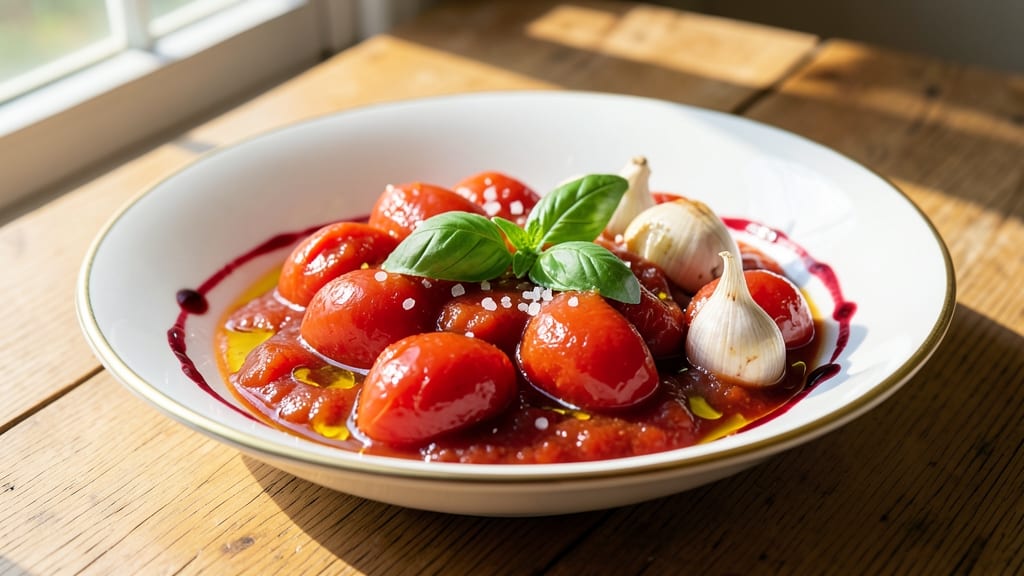
This traditional Italian tomato sauce recipe delivers the kind of depth and sweetness you’ll only find with San Marzano tomatoes—no canned shortcuts here. 🌟 The secret lies in slow simmering, where natural sugars caramelize and flavors meld into a velvety, aromatic sauce that’s the heart of every Italian meal.
I’ve perfected this over years of testing, ensuring it’s rich enough for pasta but versatile enough for pizza or dipping.
What sets this sauce apart is its simplicity: just tomatoes, garlic, olive oil, and a touch of salt—no unnecessary ingredients. The key technique is patience. Letting the sauce reduce by half concentrates the flavors, while a light hand with garlic prevents bitterness.
This isn’t just a sauce; it’s a foundation for endless dishes, built to elevate rather than overpower.
The result is a sauce so authentic it’ll fool even the most discerning nonna. Its natural sweetness comes from ripe tomatoes, while the slow cook transforms it into something silky and complex.
No canned tomatoes here—just pure, sun-ripened flavor that transforms simple meals into something extraordinary. Ready to make the real deal?
Once you’ve mastered the base, you can customize it with basil, meat, or herbs—this sauce adapts to your needs while keeping its core integrity. Store it in the fridge for up to five days or freeze for months, so you always have restaurant-quality flavor at your fingertips. Let’s get cooking.
Ingredients for traditional italian tomato sauce
Four essential ingredients—plus a few optional touches—that transform into the soul of Italian cooking.
| Ingredient | Amount | Notes |
|---|---|---|
| San Marzano Tomatoes 🍅 | 28 oz | Whole, peeled, crushed by hand |
| Extra-Virgin Olive Oil 🫒 | ¼ cup | High-quality, fruity variety |
| Garlic Cloves 🧄 | 4 cloves | Fresh, thinly sliced |
| Diamond Crystal Kosher Salt 🧂 | ½ tsp | Fine grain preferred |
| Fresh Basil Leaves 🌿 | ¼ cup | Packed, torn by hand |
| Red Wine Vinegar 🍷 | 1 tbsp | For brightness (optional) |
| Freshly Ground Black Pepper 🌶️ | ¼ tsp | Light hand only |
| Granulated Sugar 🍚 | ½ tsp | Balances acidity |
San Marzano tomatoes are non-negotiable here. Look for the official DOP label—they’re sweeter, meatier, and packed with flavor. Costco and Whole Foods carry them year-round, but Italian markets have the freshest. If you can’t find them, San Marzano brand canned tomatoes are the next best thing—just skip the salt. The olive oil should be fruity and peppery, not bitter. California Early Harvest or Colavita are my go-tos. Garlic? Freshly sliced (never pre-minced) releases more flavor when cooked low and slow. Skip the pre-chopped stuff—it’s sad.
No San Marzano tomatoes? Roma tomatoes work in a pinch—just peel and crush them yourself. Short on basil? Dried basil at one-third the amount gets you close, but fresh is worth hunting down at the market. The red wine vinegar adds a subtle tang, but if you’re avoiding alcohol, lemon juice at the same amount works. Want extra depth? Add a pinch of oregano or a splash of pasta water to loosen the sauce. The sugar is key—it balances the acidity and brings out the tomatoes’ natural sweetness. Trust me, it’s not about sweetness, it’s about harmony.
This sauce tastes even better the next day—patience is everything. Store it in an airtight jar with a thin layer of olive oil on top to preserve freshness. Keeps 5 days in the fridge or 3 months frozen. I double the batch and freeze half—nothing beats having restaurant-quality sauce ready for pasta night. For freezing, portion into ice cube trays, then transfer to a bag. Thaw overnight in the fridge, then reheat gently. Never microwave directly from frozen—it ruins the texture.
Why You'll Love This Recipe
- Same sauce, endless uses: toss it over pasta, slather it on grilled chicken, or let it sit in the fridge for a lazy Sunday brunch. Even my picky uncle (who claims to hate tomatoes) asks for seconds.
- No-Chop Needed: I swear by this—just crush the garlic cloves with the flat of my knife, toss them in the olive oil, and let the heat do the work. No mincing, no mess, just pure simplicity that still packs a punch.
- Sunshine in a Jar: That first spoonful of San Marzano tomatoes simmered with garlic and basil? It’s like summer in a saucepan—bright, sweet, and just a whisper of acidity. Honestly, I’ll take this over any bottled sauce any day.
- Weeknight to Dinner Party: Same sauce, endless uses: toss it over pasta, slather it on grilled chicken, or let it sit in the fridge for a lazy Sunday brunch. Even my picky uncle (who claims to hate tomatoes) asks for seconds.
Step-by-step instructions for traditional Italian tomato sauce
Here's the authentic method—no shortcuts, just the classic technique Nonnas swear by.
🍳 Step 1: Sauté Garlic in Extra-Virgin Olive Oil
Heat the 0.25 cup extra-virgin olive oil in a heavy-bottomed saucepan over medium-low heat. Add the 4 cloves thinly sliced garlic and cook gently until they're just golden—about 2-3 minutes. Watch closely here; garlic burns quickly and turns bitter. You want that sweet, nutty aroma to fill your kitchen, not a sharp, acrid smell.
Real talk: if your garlic starts to darken too fast, reduce the heat immediately. The oil should shimmer but not smoke. This slow cook ensures the garlic infuses the oil without burning, creating the aromatic base for your sauce. Once golden, remove the pan from heat and set aside—you won't need the garlic anymore, but the fragrant oil is your foundation.
👨🍳 Step 2: Crush and Simmer the San Marzano Tomatoes
Peel and crush the 28 oz San Marzano tomatoes by hand—this is non-negotiable for authentic texture. I like to use my fingers to break them into large chunks, preserving their natural structure. Transfer them to the pan with the garlic oil and add the 0.5 tsp granulated sugar and 0.5 tsp diamond crystal kosher salt.
Bring the mixture to a gentle simmer over medium heat, then reduce to low heat. Let it cook uncovered for 20-25 minutes, stirring occasionally. You're looking for a thick, jammy consistency—not watery, but not chunky either. The sugar helps balance the acidity of the tomatoes while the salt enhances their natural sweetness. Stir every 5 minutes to prevent sticking and ensure even cooking.
🥘 Step 3: Finish with Vinegar and Fresh Basil
After 20 minutes, stir in the 1 tbsp red wine vinegar and 0.25 tsp freshly ground black pepper. The vinegar adds a bright, tangy note that cuts through the richness of the tomatoes. Let the sauce simmer for another 5 minutes to meld these flavors together. Taste and adjust seasoning—you might need a pinch more salt or sugar depending on your tomatoes' natural sweetness.
Remove the pan from heat and stir in the 0.25 cup packed fresh basil leaves, torn by hand. The basil should wilt slightly but still retain some texture—this is perfect. Cover the pan and let it sit off the heat for 10 minutes to let the flavors fully integrate. This resting period allows the basil's essential oils to infuse the sauce, giving it that bright, aromatic finish that defines traditional Italian tomato sauce.
⏰ Step 4: Serve Immediately or Store Properly
Serve the sauce warm over your favorite pasta, drizzled with a little more extra-virgin olive oil if desired. For the best texture, use it within 3-4 days when stored in an airtight container in the refrigerator. If you need to store it longer, freeze it in 1-cup portions—this sauce actually improves with time, developing deeper flavors as it rests.
Here's the thing—this sauce tastes even better the next day as the flavors meld further. But if you're serving it immediately, garnish with additional fresh basil and a sprinkle of freshly ground black pepper right before serving. The contrast of warm sauce with cool pasta and fresh herbs is what makes this dish truly special. Trust the process, and you'll have a sauce that rivals any you've had in an Italian trattoria.
Pro Tips For Making Traditional Italian Tomato Sauce
- Crush the Garlic: DESCRIPTION: Use a flat-sided knife or the back of a chef’s knife to smash the cloves flat before adding them to the oil. This releases more flavor without burning—no need to chop them into tiny pieces. I learned this the hard way after my sauce tasted bitter from overcooked garlic bits.
- Sweat, Don’t Burn: DESCRIPTION: Cook the garlic in olive oil on medium-low until it’s golden, not brown. If it starts to sizzle too fast, pull the pan off the heat for 10 seconds and let it cool slightly. Brown garlic turns bitter, and you’ll regret it when you taste the sauce.
- Salt the Tomatoes First: DESCRIPTION: Sprinkle a generous pinch of kosher salt (about ½ teaspoon) directly over the crushed San Marzano tomatoes before cooking. This softens them faster and balances their acidity—no need to wait until the end. My grandmother did this, and it’s the thing that matters most.
- Tear the Basil: DESCRIPTION: Skip the chopping—tear the basil leaves by hand right before serving. This keeps the sauce’s texture bright and the flavor vibrant. I was skeptical until I tried it: torn basil stays fresher longer and looks like it belongs in a proper Italian trattoria.
Best sauces and condiments for this dish
Classic Pasta Pairings
This sauce is a match made in heaven with spaghetti or linguine, where its silky texture clings perfectly to each strand. For a rustic touch, serve with bucatini or orecchiette—the hollow tubes or ear-shaped pasta trap the sauce beautifully.
I also love it with tonnarelli, a robust square pasta that holds up to the sauce’s richness without turning mushy. 🍝
Pizza Base Perfection
Use this sauce as your pizza foundation for an authentic Neapolitan-style pie. Spread a thin layer on a 12-inch dough ball and top with fresh mozzarella, San Marzano tomatoes (halved), and a sprinkle of flaky sea salt.
Bake at 500°F for 10-12 minutes until the crust is golden. The sauce’s natural sweetness caramelizes beautifully, creating a perfect balance of flavors. 🍕
Bread and Bruschetta
Transform this sauce into a quick bruschetta by mixing it with 1 tbsp chopped fresh basil and 1 tsp extra-virgin olive oil. Spread over toasted baguette slices and top with a pinch of red pepper flakes.
For extra depth, add crumbled burrata or pecorino cheese. This is my go-to appetizer for game nights—it’s simple but always a crowd-pleaser. 🥖
Meat and Cheese Enhancer
This sauce elevates roasted meats like chicken thighs or pork chops by basting them during the last 10 minutes of cooking. For a hearty twist, mix it with ricotta cheese and grated Parmesan to create a rich stuffing for ravioli or manicotti.
The sauce’s acidity cuts through the fat, while its sweetness balances the richness of the meat. 🍗
Dipping Sauce Magic
Serve this sauce warm as a dipping sauce for garlic bread, fried calamari, or crispy mozzarella sticks. Its velvety texture and bright flavors make it the perfect companion to crispy, savory bites.
For extra flair, drizzle with high-quality olive oil and sprinkle with freshly cracked black pepper before serving. It’s a game-changer for appetizers! 🍽️
Nutrition facts
Frequently asked questions
Can I substitute San Marzano tomatoes with regular canned tomatoes?
While you can use canned tomatoes in a pinch, they won't deliver the same authentic flavor. Look for San Marzano brand canned tomatoes (DOP-certified) as your next best option—they're specifically grown for their sweetness and meaty texture. If using regular tomatoes, drain them well and remove excess liquid to prevent a watery sauce. The natural sweetness from San Marzano tomatoes is what gives this sauce its signature depth.
Why does my tomato sauce turn out too acidic or sour?
Acidity often comes from overcooking or using underripe tomatoes. Balance it by adding a pinch of sugar (½ tsp) or a splash of pasta water to loosen the sauce. For extra richness, stir in a spoonful of extra-virgin olive oil or a small amount of grated Parmesan cheese. Simmering too long concentrates flavors—aim for 25-30 minutes total on low heat.
How can I make this sauce thicker without adding flour or cornstarch?
Simmer the sauce uncovered for an extra 10-15 minutes to reduce the liquid naturally. For a jammy texture, crush the tomatoes slightly finer (but not into a puree). If it's still too thin, remove from heat and let it sit uncovered for 30 minutes—the evaporation will thicken it. Never boil vigorously, as this can make the sauce break down into a watery mess. Patience is key!
Can I make this sauce in a slow cooker or Instant Pot?
Yes! For a slow cooker, combine all ingredients and cook on low for 4-5 hours or high for 2-3 hours, stirring occasionally. For an Instant Pot, sauté garlic first, then add tomatoes and cook on low heat for 15 minutes before finishing with vinegar and basil. The pressure method works best for preserving texture—just remember to reduce the sauce afterward to achieve that perfect consistency.
What's the best way to reheat leftover tomato sauce?
Reheat gently on the stovetop over low heat with a splash of water or pasta water to prevent sticking. Avoid microwaving, as it can make the sauce watery. For frozen sauce, thaw overnight in the fridge first, then reheat slowly. If the sauce seems too thick after reheating, thin it with a little water or broth. The goal is to restore its silky texture without losing flavor.