
Sauces & Condiments
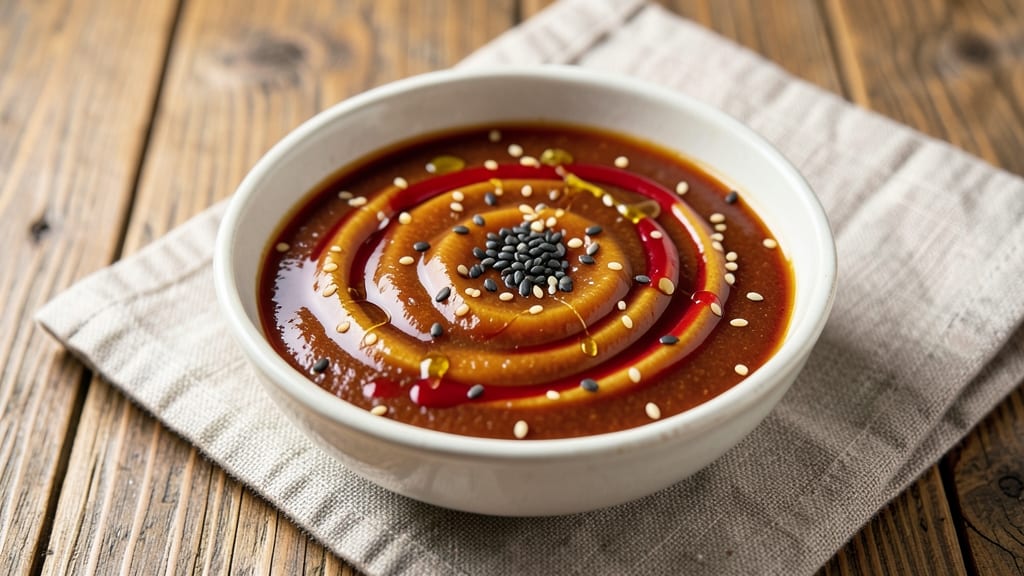
This kimbap sauce recipe transforms simple rice rolls into a vibrant, flavor-packed experience that balances heat, tang, and umami in every bite. The secret lies in a precise blend of fermented chili paste, rice vinegar, and sesame oil—ingredients that create a sauce with depth and complexity.
I developed this version after testing countless combinations, ensuring it delivers restaurant-quality results at home with minimal effort.
The foundation of great kimbap sauce is its versatility—this version works equally well as a dipping sauce, glaze, or marinade. The recipe uses gochujang for its signature spicy-sweet profile, balanced by the bright acidity of rice vinegar and the nutty richness of sesame oil.
A touch of sugar rounds out the flavors, preventing any harshness while enhancing the sauce’s addictive quality. With just 5 ingredients and 10 minutes of prep time, you’ll have a sauce that elevates every bite of kimbap, sushi, or grilled proteins.
What sets this sauce apart is its adaptability—whether you prefer a bold, spicy kick or a milder, tangy dip, you can adjust the heat to your taste.
The sauce thickens slightly as it sits, creating an ideal consistency for dipping or drizzling, while the aromatic sesame seeds add texture and visual appeal. Once you try homemade, store-bought versions will never compare again.
Store the sauce in an airtight container in the refrigerator for up to 2 weeks, or extend its shelf life by adding a splash of vinegar to preserve freshness. For a quick variation, swap gochujang for vegan mayo and a dash of sriracha for a lighter, creamy option.
Let’s make this sauce—the perfect finishing touch for your favorite Asian dishes.
Ingredients for kimbap sauce
Five ingredients, one sauce—transform your kimbap from good to unforgettable.
| Ingredient | Amount | Notes |
|---|---|---|
| Gochujang 🌶️ | ⅓ cup | Korean fermented chili paste |
| Rice Vinegar 🍶 | ¼ cup | Seasoned variety preferred |
| Sesame Oil 🫒 | 1 tbsp | Toasted sesame oil for aroma |
| Granulated Sugar 🍚 | 1 tbsp | White or brown sugar |
| Toasted Sesame Seeds 🌾 | 1 tbsp | For garnish and texture |
| Water 💧 | ½ cup | Adjust for desired consistency |
Gochujang is the heart of this sauce—look for the smooth, deep-red kind at Asian markets or the international aisle. Maesil Gochujang or DaeYang are my go-tos, but any quality brand works. The rice vinegar should smell bright and clean, not funky or overly sweet. Koyo or Mushroom Body are my top picks, but regular white rice vinegar in a pinch still delivers. Toasted sesame oil adds that nutty depth—never use the cheap, flavorless kind. The sugar is just to balance the heat, so any granulated will do, but I prefer light brown for a hint of molasses flavor that plays well with the gochujang.
No gochujang? Swap in vegan mayo plus 1 tsp sriracha for a milder, creamy version. Vinegar too sharp? Dilute with a splash of water before mixing. Sesame oil missing? Avocado oil or neutral oil plus a pinch of toasted sesame powder works in a bind. Need it thicker? Add 1 tsp cornstarch slurry—just whisk it in at the end. For extra umami, a dash of soy sauce (just ½ tsp) takes it to the next level. The sesame seeds should be toasted until fragrant—toast them in a dry pan for 1-2 minutes if they’re not pre-toasted.
This sauce keeps for 2 weeks in the fridge, but the flavor actually improves after a day or two as everything melds. Pour it into a small jar and store it in the fridge—it’ll thicken slightly over time. For longer storage, freeze in ice cube trays and thaw as needed. The sauce reheats beautifully—just warm it gently in a saucepan or microwave. Garnish with extra sesame seeds right before serving to keep them crisp. Leftovers? Use it as a marinade for tofu or grilled veggies—it’s that versatile.
Why You'll Love This Recipe
- Five-Ingredient Magic: This sauce comes together with just gochujang, vinegar, sesame oil, sugar, and seeds—no fancy techniques, no hidden pantry raids. Honestly, I’ve made it while microwaving leftovers in the same kitchen.
- Umami Bomb: That first spoonful of gochujang and sesame oil? Chef’s kiss. It’s sweet, tangy, and just spicy enough to wake up your taste buds—perfect for drizzling on kimbap, noodles, or even grilled chicken.
- Lunchbox Hero: Between us, this sauce is my secret weapon for packed lunches. A tiny jar in my bag means my kimbap stays fresh and delicious for days—no sad, dry rice here.
- Budget Stretch: A little goes a long way, and all the ingredients? Affordable. I’ve made a full batch for under $3, and it lasts me weeks. (Yes, even on a Tuesday night.)
Step-by-step instructions for spicy, tangy kimbap sauce
This sauce comes together in minutes with just six ingredients—no fancy techniques required.
Combine Wet Ingredients for Perfect Balance
In a medium saucepan, measure out the 0.33 cup gochujang and 0.25 cup rice vinegar—this is your flavor foundation. I like to use seasoned rice vinegar here for that subtle umami kick that elevates the dish. Add the 0.5 cup water next, then bring everything to a gentle simmer over medium-low heat. You'll see the gochujang dissolve completely into the liquid, creating a vibrant red base.
While waiting for the mixture to heat, taste it carefully. The gochujang should provide a deep, spicy-sweet base, but the rice vinegar will cut through that heat with its bright acidity. If you find the sauce too sharp at this stage, that's normal—the sugar will balance it out in the next step. Let the mixture simmer uncovered for 3-4 minutes, stirring occasionally, until it reaches a gentle boil.
Sweeten and Thicken the Sauce
Once the sauce is simmering, reduce the heat to low and add the 1 tablespoon granulated sugar. Stir constantly for 2-3 minutes until the sugar fully dissolves and the sauce begins to thicken slightly. You're looking for a consistency that coats the back of a spoon but isn't gluey—somewhere between a thin syrup and a light glaze. This is where the magic happens: the sugar not only balances the heat but also helps create that signature glossy finish.
Here's the thing—if you rush this step, the sauce might remain too thin. Patience is key. If it thickens too much, you can always add a splash of water later, but you can't un-sweeten it. Taste again now. The heat should be mellowed, the tang brightened, and a subtle sweetness should emerge. This is the moment that matters: your sauce should taste complex, not one-dimensional.
Finish with Aromatics and Rest
Remove the saucepan from heat and let it cool slightly for 1-2 minutes. This prevents the sesame oil from separating when added. Stir in the 1 tablespoon sesame oil and 1 tablespoon toasted sesame seeds—this is where the sauce gets its nutty depth and textural contrast. The oil adds a rich aroma, while the seeds provide a delightful crunch when you dip your kimbap or sprinkle them on top.
For best results, let the sauce rest for 10-15 minutes before serving. This allows the flavors to meld completely. The sauce will thicken slightly as it cools, so if you prefer it thinner, simply whisk in a few drops of water. The toasted sesame seeds will sink to the bottom, so give it a quick stir before serving to distribute them evenly. This sauce keeps well in the refrigerator for up to 1 week, making it perfect for meal prep.
Adjust and Serve with Confidence
Before serving, give the sauce one final taste. If it needs more heat, add a pinch of gochujang. If it's too spicy, a splash of rice vinegar or a tiny bit of sugar will help. The goal is a sauce that's vibrant, balanced, and irresistibly tangy—one that makes every bite of kimbap taste like a restaurant-quality meal.
Use this sauce as a dipping sauce for kimbap, a drizzle over rice bowls, or even as a marinade for proteins. The versatility is what makes it so special. And don't be afraid to experiment: swap in a bit of honey for the sugar or add a dash of soy sauce for extra umami. The beauty of this recipe is that it's forgiving—small adjustments can lead to big flavor payoffs.
Pro Tips For Making Kimbap Sauce
- STIR LOW AND SLOW: Heat your gochujang and sugar on medium-low—rushing it with high heat turns the sauce grainy instead of smooth. I learned this the hard way after scraping clumps off my rice three times. Let it simmer for 3-4 minutes, stirring constantly, until it’s glossy and just thick enough to coat the back of a spoon.
- USE RAW SESAME OIL: Toasted sesame seeds belong on top, but add the raw sesame oil at the very end—right before serving. Cooking it kills the nutty aroma, and you’ll miss that bright, fresh kick. A splash (about 1 teaspoon) at the last second makes all the difference.
- MEASURE VINEGAR PRECISELY: Skip eyeballing the rice vinegar—too much makes the sauce sharp and unbalanced, while too little flattens the flavor. Start with 1 tablespoon per 2 tablespoons of gochujang, then adjust by the half-teaspoon. Taste as you go; your mouth will thank you.
- SKIP THE BOIL: This sauce doesn’t need to boil—just warm through. After mixing, let it sit off the heat for 2-3 minutes; residual heat will thicken it naturally. Boiling burns the vinegar’s acidity and turns the gochujang bitter. Trust the process, even if it looks underdone.
Serving suggestions for this kimbap sauce
Dipping Sauce Perfection
This sauce is made for dipping—its glossy texture and balanced heat make it irresistible with fresh kimbap. Serve it in a small ceramic bowl with a wide rim for easy scooping, or pour it into a glass jar with a lid for take-along convenience.
I like to chill the sauce for 30 minutes before serving to let the flavors fully develop and the texture thicken just enough for that perfect dip. 🥢
Garnish Like a Pro
Elevate your presentation with toasted sesame seeds and thinly sliced green onions. Sprinkle them generously over the sauce right before serving—the seeds add crunch and visual appeal, while the onions bring a fresh, bright contrast.
For extra flair, I sometimes add a drizzle of sesame oil around the edges of the bowl to enhance aroma. Keep a small bowl of extra seeds nearby so guests can customize their dipping experience. ✨
Sauce as a Glaze
Brush this sauce onto grilled meats like bulgogi or pan-seared tofu for an instant flavor boost. The gochujang and sesame oil create a sticky, caramelized crust when exposed to heat, while the vinegar keeps it from becoming too heavy.
I recommend using a pastry brush for even coating, and apply the sauce in the last 2 minutes of cooking to prevent burning. It’s especially delicious on grilled shrimp skewers or teriyaki-glazed chicken.
Rice Bowl Upgrade
Drizzle this sauce over steamed white rice or brown rice bowls to add depth and moisture. The tangy-sweet profile cuts through rich ingredients like kimchi or seared scallops.
I like to mix 1 tablespoon of the sauce into ½ cup cooked rice before serving, then top with avocado slices and crispy fried shallots for a restaurant-worthy bowl. The sauce also works beautifully with cold noodle salads like bibimbap. 🍚
Marinade Magic
Use this sauce as a marinade for tofu, chicken, or shrimp—its bold flavors infuse beautifully into proteins. Toss 1 pound of cubed tofu with 2 tablespoons of the sauce and marinate for 15-20 minutes before pan-frying or baking.
For seafood, reduce marinating time to 10 minutes to avoid overcooking. The sesame oil adds richness, while the vinegar tenderizes the meat. Serve with steamed bok choy for a complete meal. 🍗
Storage Hacks
Store leftover sauce in an airtight glass container in the fridge for up to 2 weeks. The flavors actually deepen over time, so don’t hesitate to make extra! For longer storage, freeze the sauce in ice cube trays—thaw and use as needed.
If the sauce thickens too much after refrigeration, whisk in 1-2 teaspoons of water to restore its ideal consistency. The sauce also freezes well for up to 3 months, making it perfect for meal prep. ❄️
Nutrition facts
Frequently asked questions
Can I make this kimbap sauce without gochujang?
For a milder version, replace the 0.33 cup gochujang with 0.25 cup vegan mayo plus 1 teaspoon sriracha or ½ teaspoon chili flakes. For extra tang, add 1 tablespoon rice vinegar. This swap keeps the creamy texture while reducing heat. The sauce will still have that signature sweet-spicy balance, just with a different depth of flavor.
How can I adjust the spice level?
Start with the recipe as written, then taste and adjust. For more heat, add ½ teaspoon extra gochujang or a pinch of red pepper flakes. To mellow the spice, stir in ½ teaspoon sugar or 1 teaspoon more rice vinegar. The sugar helps balance the heat while keeping the sauce tangy. For a smoky twist, add ¼ teaspoon smoked paprika—it pairs beautifully with the sesame notes.
Can I use this sauce for other dishes besides kimbap?
This versatile sauce works as a dipping sauce for spring rolls, a glaze for grilled proteins, or a marinade for tofu or shrimp. Drizzle it over bibimbap or mix 1 tablespoon into ½ cup cooked rice for instant flavor. The tangy-sweet profile elevates cold noodle salads or rice bowls too. For extra richness, add a dash of soy sauce when using it as a marinade.
Why did my sauce separate?
Separation usually happens if the sesame oil wasn’t added when the sauce was still warm. To fix it, whisk in 1 teaspoon toasted sesame oil and gently reheat the sauce over low heat for 1-2 minutes while stirring constantly. For prevention, always stir the sauce well after adding the oil and let it rest 10-15 minutes before serving. If the oil floats to the top, simply stir before using—it’s perfectly safe!
How long does this sauce keep, and can I freeze it?
Store the sauce in an airtight container in the fridge for up to 2 weeks. For longer storage, freeze it in ice cube trays—thaw and use as needed. The sauce freezes well for up to 3 months. If it thickens after refrigeration, whisk in 1-2 teaspoons of water to restore its ideal consistency. The flavors actually improve over time, so don’t hesitate to make extra!