
Sauces & Condiments
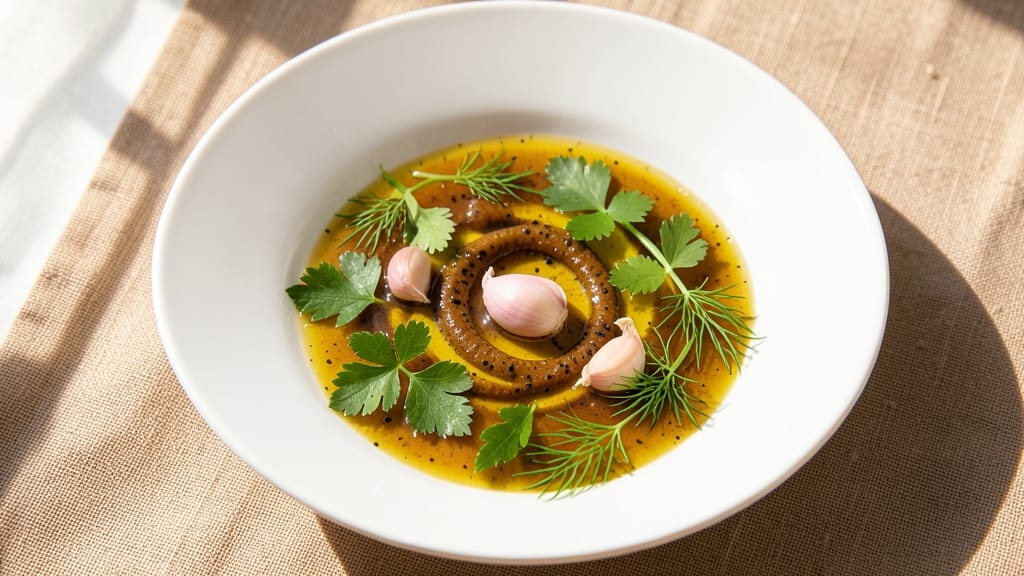
This vinegar sauce recipe transforms simple pantry staples into a bright, tangy elixir that elevates everything from salads to grilled meats. The magic lies in balancing sharp vinegar with rich olive oil and aromatic herbs—a quick, foolproof method that saves time without sacrificing flavor.
I developed this sauce after years of testing marinades and dressings, and it’s now my go-to for adding depth to dishes in minutes.
The beauty of this sauce is its versatility—it works as a marinade, finishing drizzle, or tangy dressing. A simple ratio of vinegar to oil (with garlic, mustard, and herbs) creates a complex flavor profile that brightens heavy dishes or cuts through richness.
The key is letting it sit for 10 minutes before using, allowing the flavors to meld into a cohesive, vibrant sauce.
What you’ll end up with is a quick, restaurant-quality sauce that’s tangy, aromatic, and impossible to overuse. It’s the secret weapon behind my favorite grilled chicken, roasted vegetables, and even simple salads.
The best part? It keeps well in the fridge for up to a week, so you’ll always have a bright, tangy base on hand.
Use it to drizzle over grilled fish, toss with roasted potatoes, or marinate proteins for extra zing. Here’s everything you need to make it—simple, effective, and ready in just minutes.
Ingredients for vinegar sauce
Nine simple ingredients combine to create this quick, restaurant-quality vinegar sauce.
| Ingredient | Amount | Notes |
|---|---|---|
| White Wine Vinegar 🍷 | ½ cup | Balsamic works if preferred |
| Extra-Virgin Olive Oil 🫒 | ½ cup | High quality, fruity variety |
| Dijon Mustard 🥫 | 1 tbsp | Mild or strong preferred |
| Garlic Cloves 🧄 | 4 cloves | Peeled, roughly chopped |
| Fresh Parsley 🌿 | ¼ cup | Stems removed, finely chopped |
| Fresh Dill 🌿 | ¼ cup | Stems removed, finely chopped |
| Sea Salt 🧂 | ½ tsp | Fine grain preferred |
| Black Pepper 🌶️ | ¼ tsp | Freshly ground preferred |
| Honey 🍯 | 1 tbsp | Optional for sweetness balance |
| Lemon Juice 🍋 | 1 tbsp | Freshly squeezed |
The vinegar is the star here—white wine vinegar gives a clean, bright acidity, but apple cider or balsamic work too if you prefer something sweeter. I always grab Trader Joe's or Whole Foods for my extra-virgin olive oil; their fruity varieties add depth that regular grocery store oils can’t match. The mustard is non-negotiable—it emulsifies the sauce so it doesn’t separate. Maille Dijon is my go-to, but any good-quality brand works. Fresh herbs make all the difference, so if you’re using dried, reduce to one-third the amount. The garlic? Smash it with the flat side of your knife first for more flavor without the bitterness.
No Dijon mustard? Yellow mustard in a pinch, but it’ll be less refined. Short on fresh herbs? Dried parsley or dill at half the amount gets you close, but nothing beats the fresh stuff. Want more tang? Add an extra tablespoon of vinegar. Prefer it sweeter? Maple syrup or agave work just as well as honey. The lemon juice is key for brightness—don’t skip it. And if you’re making this ahead, strain out any herb stems after 10 minutes for a silky texture.
This sauce keeps beautifully—1 week in the fridge sealed in a jar. I like to portion it into small containers so I always have some on hand. If it thickens, just whisk in a splash of water or vinegar to loosen it up. Freezes for up to 3 months if you want to make a big batch. Pro tip: Drizzle over grilled fish or toss with roasted veggies while everything’s still hot for the best flavor marriage.
Why You'll Love This Recipe
- Five-Ingredient Magic: I swear, this sauce is the kind of recipe that makes me feel like a chef—no fancy skills needed. Just toss those five things in a bowl, let the garlic sizzle for a minute, and boom—flavor explosion. Honestly, I’ve made it while waiting for pasta to boil.
- Bright Tangy Kick: That white wine vinegar isn’t just there to cut through—it’s the star, balancing the richness of olive oil with a sharp, clean bite. The Dijon mustard adds this sneaky depth, while the parsley finishes it with freshness. It’s the kind of sauce that makes you want to eat it straight from the spoon.
- Pantry Staple Power: Between us, this sauce is my secret weapon for lazy nights, last-minute dinners, or when I’m too tired to think. Drizzle it over grilled chicken, toss it with roasted veggies, or use it as a marinade—it works everywhere. I’ve even used it to jazz up a sad salad in 30 seconds.
- Make-Ahead Miracle: I double the batch every time because it keeps for weeks in the fridge, and the flavor only gets better. No waste, no stress—just pull it out whenever you need a quick upgrade. Plus, it’s dirt cheap to make, so I’m not crying over a few extra dollars spent on good olive oil. Worth it.
Step-by-step instructions for vinegar sauce recipe
This bright, tangy sauce comes together in minutes—perfect for quick marinades or dressings.
Whisk Together the Base Ingredients
In a medium bowl, combine the 0.5 cup white wine vinegar and 0.5 cup extra-virgin olive oil. I like to use a fork or whisk to gently mix these two liquids—they should blend smoothly without creating any streaks. This is the foundation of your sauce, so take a moment to ensure they're fully incorporated.
Next, add the 1 tablespoon Dijon mustard and whisk again until fully dissolved. The mustard will help emulsify the sauce later, giving it that rich, velvety texture. If you're using balsamic vinegar instead of white wine vinegar, you'll notice a slightly sweeter, deeper flavor profile that pairs beautifully with grilled meats or roasted vegetables.
Add Aromatics and Sweeteners
To the bowl, add the 4 peeled garlic cloves (roughly chopped) and stir them in. You don't need to mince them finely—they'll soften as the sauce sits. Then, sprinkle in the 0.5 teaspoon sea salt, 0.25 teaspoon black pepper, 1 tablespoon honey, and 1 tablespoon lemon juice. Give everything another good whisk to distribute these flavors evenly.
The honey and lemon juice balance the acidity of the vinegar, creating a more complex flavor. If you prefer a sharper taste, you can reduce the honey to ½ tablespoon or omit it entirely. Here's the thing—this is where you can customize the sauce to your liking, so don't be afraid to adjust based on what you're pairing it with.
Stir in Fresh Herbs
Add the 0.25 cup finely chopped fresh parsley and 0.25 cup finely chopped fresh dill to the bowl. These herbs add a bright, fresh dimension that cuts through the richness of the olive oil. Use a spoon to gently fold them in—you want to maintain their texture rather than chop them into oblivion. If you're short on time, you can use dried herbs, but fresh will give you that vibrant pop of flavor.
Give the sauce one final stir to ensure all the herbs are evenly distributed. The sauce should look vibrant and inviting—like a fresh, zesty hug for whatever you're about to drizzle it over. If you notice any separation, that's normal and can be fixed later by giving it a quick whisk before using.
Let It Rest and Adjust
Cover the bowl and let the sauce sit at room temperature for 10 minutes. This resting period allows the flavors to meld together, creating a more cohesive taste. While you wait, you can use this time to prep whatever dish you're planning to dress or marinate.
After resting, give the sauce another quick stir. If it's separated, simply whisk it vigorously for 30 seconds to re-emulsify. Taste it and adjust the seasoning if needed—maybe a pinch more salt, a splash of lemon juice, or a drizzle of honey to hit your desired balance. This sauce is incredibly versatile, so don't be afraid to tweak it until it's just right for your needs.
Use Immediately or Store
This sauce is best used fresh, but it will keep in an airtight container in the refrigerator for up to 5 days. If you're using it as a marinade, plan to use it within 24 hours for the best flavor and safety. The sauce works wonders as a marinade for grilled chicken or fish, a dressing for salads, or even a finishing drizzle for roasted vegetables.
I love this sauce because it's quick, customizable, and packed with bright, tangy flavor. It's the kind of recipe that makes you feel like you've elevated a simple meal with minimal effort. Enjoy it immediately, or store it for later—either way, you'll be reaching for this bright, zesty sauce again and again.
Pro Tips For Making Vinegar Sauce
- Toast Your Garlic: Slice those cloves thin and cook them in olive oil over medium-low heat until they’re golden—not crispy, just perfumed. I learned this the hard way: raw garlic in vinegar sauce tastes like a bitter punch to the face.
- Whisk the Mustard First: Mix the Dijon with a splash of cold water or vinegar before adding oil—this keeps it smooth, not lumpy. I used to toss it in dry and end up with a sauce that looked like it had texture issues.
- Balance the Vinegar: Start with 1 part vinegar to 2 parts oil, then taste. Too sharp? Add another drizzle of oil. Too mild? A pinch more vinegar. No guesswork—just adjust until it hits that bright, tangy sweet spot.
- Pulse the Parsley: Roughly chop the parsley and give it a quick pulse in a food processor before stirring it in. This releases more flavor without turning the sauce into a green sludge. (Yes, even if you’re impatient like me.)
Storing and reheating your leftovers
Fridge Storage Tips
Store your vinegar sauce in a glass jar with an airtight lid—I recommend Ball or Le Parfait for their secure seals. Keep it in the fridge for up to 5 days, but I’ve found it tastes best within 3 days when used as a marinade.
The acidity intensifies slightly over time, so taste before using. Always label your jar with the date to track freshness. 🧊
Freezer Preservation
For longer storage, portion the sauce into ice cube trays or small silicone molds—this makes it easy to grab just what you need later. Freeze for up to 3 months in a heavy-duty freezer bag, squeezing out excess air to prevent freezer burn.
When ready to use, thaw in the fridge overnight and whisk to re-emulsify. 🥶
Reheating Methods
If your sauce thickens after refrigeration, whisk in 1 teaspoon of water or vinegar to restore its consistency. For a warm drizzle, gently heat in a small saucepan over low heat for 1-2 minutes—never boil, or the herbs will turn bitter.
I also like microwaving small portions for 10 seconds to loosen the texture. 🔥
Marinade Safety
When using this sauce as a marinade, cook proteins within 24 hours to prevent bacterial growth from the vinegar’s acidity. I marinate chicken breasts for 30-60 minutes or salmon fillets for 20-30 minutes before grilling. Discard any unused marinade after contact with raw meat. ⏱️
Reviving Separated Sauce
If the oil and vinegar separate, whisk vigorously for 30 seconds or use an immersion blender for 5 seconds to re-emulsify. A splash of lemon juice or honey can also help bind the ingredients back together. This trick works every time—no need to start over! 💡
Portioning for Convenience
Divide the sauce into small jars or containers (like 4-ounce mason jars) for easy grab-and-go use. I keep one in the fridge for quick salads and another in the freezer for batch cooking. This way, you always have a bright, tangy sauce ready to elevate any dish. ✨
Nutrition facts
Frequently asked questions
Can I make this sauce without fresh herbs?
Yes! Use 1 teaspoon dried parsley and 1 teaspoon dried dill instead of fresh. For best results, toast the dried herbs in a dry pan for 30 seconds to enhance their flavor before adding. The sauce will still be bright and aromatic, though fresh herbs add a vibrant pop you can't replicate with dried.
How do I adjust the tanginess level?
For less tang, reduce the vinegar to ¼ cup and add 1 extra tablespoon of olive oil. For more zing, increase vinegar to ⅔ cup or add ½ teaspoon extra lemon juice. The honey helps balance acidity, so adjust it too—reduce by ½ tablespoon if you want sharper flavor. Taste as you go!
What are the best proteins to marinate in this sauce?
This sauce works beautifully with chicken thighs, salmon fillets, or shrimp. For chicken, marinate for 30-60 minutes before grilling. For delicate fish like trout, use it for 20-30 minutes maximum to avoid over-acidifying. Always pat dry before cooking for better searing.
Why did my sauce separate?
Separation happens when oil and vinegar aren't properly emulsified. Whisk vigorously for 30 seconds or use an immersion blender for 5 seconds. A small spoonful of lemon juice or honey can also help re-bind the ingredients. The mustard in the recipe is specifically added to prevent this—just give it a good stir before using!
Can I use this sauce on vegetables?
Toss it with roasted Brussels sprouts, grilled zucchini, or steamed asparagus for a bright, tangy finish. The acidity helps cut through the richness of roasted veggies, while the herbs add freshness. For extra flavor, let the veggies sit in the sauce for 5-10 minutes before serving.