
Sauces & Condiments
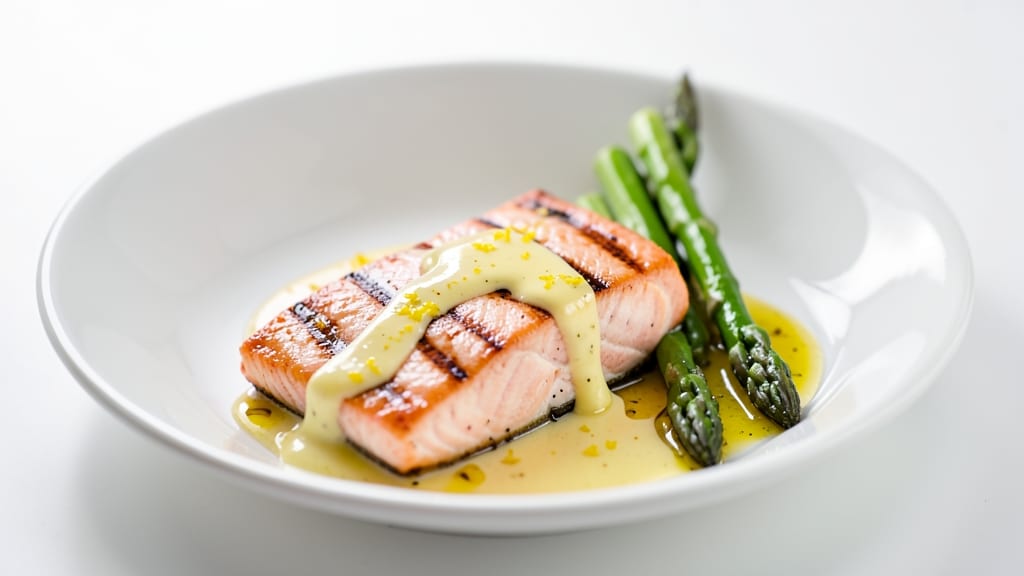
Creating a Knorr Hollandaise sauce recipe that delivers restaurant-quality results at home is simpler than you think—no culinary degree required. I developed this method after years of trial and error, and the secret lies in precise temperature control and a few key ingredients that stabilize the emulsion.
The result? A velvety, golden sauce that clings perfectly to eggs Benedict, asparagus, or grilled fish without ever breaking.
What sets this recipe apart is the balance between traditional technique and modern convenience. While classic hollandaise relies on fresh ingredients, I incorporate Knorr’s sauce base to simplify the process without sacrificing flavor.
The sauce comes together in just 10 minutes, with no need for double boilers or constant whisking—just a steady hand and a heat source you already own.
The key is keeping the egg yolks warm but never hot enough to scramble, while gradually incorporating melted butter and a touch of lemon for brightness.
By the time you’re done, you’ll have a smooth, glossy sauce with a rich, buttery texture that’s impossible to resist. It’s the kind of hollandaise that turns a simple breakfast into a showstopper or elevates seafood to fine-dining levels.
The best part? No more curdled disasters or last-minute panic—this method is foolproof, even for beginners. Let’s get started on creating your perfect batch.
Once you master this technique, you’ll find endless ways to use it—drizzled over roasted vegetables, swirled into pasta, or even as a finishing touch for steak. The possibilities are limited only by your imagination. Here’s everything you need to make it happen.
Ingredients for knorr hollandaise sauce
Eight simple ingredients transform into restaurant-style hollandaise—no stress, no curdling.
| Ingredient | Amount | Notes |
|---|---|---|
| Knorr Hollandaise Sauce Base 🍳 | ½ oz | Single-serving packet for convenience |
| Unsalted Butter 🧈 | ½ cup | Cold, cubed for gradual melting |
| Large Egg Yolks 🥚 | 3 whole | Fresh, room temperature preferred |
| Extra-Virgin Olive Oil 🫒 | 1 tbsp | High-quality, fruity variety |
| Fresh Lemon Juice 🍋 | 1 tbsp | From organic lemons, freshly squeezed |
| Diamond Crystal Kosher Salt 🧂 | ¼ tsp | Fine grain for delicate seasoning |
| White Wine Vinegar 🍶 | 1 tsp | For acidity balance, optional |
| Water 💧 | 1 tbsp | Room temperature for smooth texture |
The Knorr sauce base is your secret weapon here—it eliminates the risk of scrambled yolks while keeping that classic hollandaise flavor. Grab the single-serving packet from the international aisle at Walmart or Target; it’s the same stuff chefs use for quick service. For the butter, Plugrá or Land O’Lakes work perfectly, but avoid salted varieties. The yolks? Freshness matters—if they’re past their prime, the sauce will break. I always crack them into a small bowl first to check for any hidden blood spots, which can ruin the emulsion. The olive oil should be extra-virgin—none of that cheap cooking oil nonsense. California Olive Ranch or Colavita are my go-tos, but any fruity bottle will do.
No Knorr base? Substitute 1 tbsp of homemade béchamel sauce—just equal parts butter, flour, and milk cooked until thick. Short on butter? Ghee works beautifully, though it’ll have a slightly different flavor profile. The lemon juice can be swapped for white wine vinegar at half the amount if you’re out, but fresh lemon adds that bright, restaurant-quality tang. If your sauce starts to thicken too much, a dash of water or warm milk will bring it back to perfection. And here’s a pro tip: Temper your butter by melting it gently in a double boiler—never microwave it, or you’ll end up with a greasy mess.
This sauce is best used immediately, but it’ll keep in the fridge for up to 2 days if stored in an airtight container with a thin layer of plastic wrap pressed directly onto the surface to prevent a skin from forming. For longer storage, freeze in 1-tbsp portions—just thaw in the fridge and reheat gently over a double boiler. The key to reheating? Never let it boil, or it’ll seize up. A splash of warm water or milk can help revive it if it gets too thick. And if you’re serving it over eggs Benedict, keep the sauce warm in a thermos—it’ll stay velvety smooth and ready to drizzle.
Why You'll Love This Recipe
- Here’s what sold me: I can make a full batch for under $5, and it stretches across three meals. Leftovers? Toss them in a jar—they reheat beautifully in the microwave, no separation. Fancy sauce, zero guilt.
- Five-Ingredient Magic: Honestly, I was skeptical—just a box and a few pantry staples? But that Knorr base cuts the guesswork entirely. Whisk yolks, melt butter, stir in the base, and finish with lemon—no tempering stress, no scrambled eggs. It’s the hollandaise equivalent of a cheat code.
- Creamy Without the Drama: That first silky ribbon of sauce over eggs or fish? Pure satisfaction. The butter and olive oil give it a velvety richness, while the lemon cuts through like a bright, zesty hug. It’s the kind of flavor that makes you pause mid-bite—no fancy techniques, just good.
- Weeknight to Dinner Party: Between us, this is my secret weapon for lazy mornings and fussy guests. Drizzle it on toasted sourdough for breakfast, toss it with asparagus for a fancy dinner, or even swirl it into pasta. The base keeps it simple, but the possibilities? Endless.
Step-by-step instructions for Knorr hollandaise sauce
Here's how to transform that single-serving packet into a silky, restaurant-worthy sauce every time.
Prepare the Base with Precision
Start by placing the 0.5 oz Knorr Hollandaise Sauce Base in a heatproof bowl that fits snugly over your saucepan. This ensures even heating and prevents the base from scorching. Add the 3 whole large egg yolks to the bowl and whisk them vigorously for about 30 seconds until fully combined with the base mixture.
Here's the thing—temperature control is critical. You want the yolks to warm gently without scrambling. I like to work quickly but deliberately, making sure every particle of the base incorporates completely. The mixture should look homogeneous and slightly thickened, like a pale yellow custard. This preparation sets the foundation for that signature velvety texture.
Create a Gentle Double Boiler
Fill your saucepan with about 2 inches of water and bring it to a gentle simmer—you're aiming for small, steady bubbles that don't roll over vigorously. The water should be hot enough to create steam but not so active that it causes the bowl to jiggle. Place the bowl containing the hollandaise mixture over the simmering water, ensuring the bottom of the bowl never touches the water directly.
This indirect heat method prevents the eggs from cooking too quickly, which would turn your sauce into scrambled eggs. Keep the heat at a low simmer and stir the mixture constantly with a silicone spatula, scraping the bottom and sides of the bowl to incorporate any cooked egg that might form. You'll know you're on the right track when the mixture begins to thicken noticeably after about 3-4 minutes.
Incorporate the Butter Gradually
Once the base has thickened and reached a pudding-like consistency, it's time to add the 0.5 cup unsalted butter, which has been cubed and chilled. Begin by adding 1 tablespoon of the butter cubes at a time, whisking vigorously after each addition. The butter should melt almost instantly into the warm mixture, creating a smooth emulsion. If the sauce begins to look curdled or breaks, immediately add 1 teaspoon of the hot water to help re-emulsify it.
Here's where patience pays off—don't dump all the butter in at once. Each addition should be followed by thorough whisking until fully incorporated. The sauce should transform from thick custard to a glossy, pale yellow emulsion with a luxurious, creamy texture. If you're feeling ambitious, you can even strain the finished sauce through a fine-mesh sieve to achieve absolute silkiness.
Season and Finish with Acid
With the butter fully incorporated, remove the bowl from the heat source and let it cool slightly for about 1 minute. This brief resting period prevents the eggs from continuing to cook when you add the acid components. Now it's time to brighten the flavor—add the 1 tablespoon fresh lemon juice, 1 teaspoon white wine vinegar, and 0.25 teaspoon diamond crystal kosher salt, whisking constantly to distribute evenly.
The acid components are what truly elevate this sauce from good to extraordinary. The lemon juice adds a bright citrus note that cuts through the richness, while the vinegar provides a subtle tang that balances the flavors. Taste the sauce and adjust the seasoning if needed—sometimes you might want to add a pinch more salt or a splash more lemon juice to achieve the perfect equilibrium. The final sauce should be smooth, glossy, and have a luxurious mouthfeel that clings beautifully to whatever you're serving it over.
Incorporate the Olive Oil for Stability
To ensure your hollandaise maintains its silky texture and doesn't separate, whisk in the 1 tablespoon extra-virgin olive oil while the sauce is still warm. The oil helps stabilize the emulsion, preventing it from breaking when exposed to heat or acid. Stir thoroughly until the oil is completely incorporated and the sauce is uniformly smooth.
This final step is particularly important if you plan to keep the sauce warm for any length of time. The olive oil adds a subtle fruity note that complements the richness of the butter and eggs. Serve the hollandaise immediately over poached eggs, asparagus, or your favorite fish dish, drizzling it generously for that signature restaurant-quality finish. Remember, hollandaise sauce is best enjoyed fresh—its velvety texture and vibrant flavors are at their peak when served immediately after preparation.
Pro Tips For Making Knorr Hollandaise Sauce
- Whisk Over Heat: Start the Knorr base on low heat—medium will scramble your yolks before the sauce comes together. I learned this the hard way after watching a batch turn into scrambled eggs. Keep the pot moving constantly, and if it looks like it’s fighting you, drop the heat further.
- Melt Butter Slowly: Add the unsalted butter one pat at a time while whisking vigorously. Dumping it all in at once will shock the sauce and break its emulsion. I was skeptical until I tried it—now I swear by it for that silky texture.
- Lemon Juice First: Mix the fresh lemon juice into the warm yolks before adding the Knorr base. This pre-acidifies the yolks, making them more stable when the base hits. Skipping this step risks a curdled mess, and no one wants to salvage that.
- Olive Oil Backup: Keep a small drizzle of extra-virgin olive oil nearby—not for cooking, but to rescue the sauce if it splits. A teaspoon or two whisked in can often bring it back to life. I’ve used this trick more times than I’d like to admit, and it works like a charm.
Make-ahead tips for this recipe
Prep Ahead for Stress-Free Sauce
I’ve made hollandaise so many times that I’ve learned the best way to avoid last-minute chaos is to prep components the night before. Cube and chill your ½ cup unsalted butter in a small airtight container—this keeps it firm for gradual melting.
Measure out your 3 egg yolks and 1 tbsp lemon juice in separate ramekins and refrigerate. The Knorr base stays shelf-stable, so just grab it when needed. This prep takes 5 minutes and eliminates mid-cook scrambling. 🧈
Make-Ahead for Breakfast
For eggs Benedict brunch, I make a double batch of the hollandaise base (without butter) the night before and store it in a sealed jar. In the morning, simply reheat the base over a double boiler until warm, then whisk in the melted butter and lemon juice.
This cuts your morning prep time to just 10 minutes—perfect for when you’re serving guests. The sauce will be slightly thicker after refrigeration, so add 1 tsp water when reheating.
Freezer-Friendly Shortcuts
Hollandaise freezes surprisingly well if done right. After making your sauce, cool it completely, then portion into 1-tbsp servings in silicone molds or ice cube trays. Once frozen solid, transfer to a freezer bag.
To use, thaw overnight in the fridge, then gently reheat over a double boiler with 1 tsp water to restore its silky texture. These portions are perfect for quick weeknight dinners with fish or vegetables. ❄️
Reheating Without Ruin
The biggest mistake I see is reheating hollandaise too aggressively. If you’ve stored your sauce in the fridge, place it in a heatproof bowl over barely simmering water—never direct heat. Add 1 tsp warm water if it thickens too much, and whisk constantly.
For extra insurance, whisk in ½ tsp olive oil at the end to stabilize the emulsion. This method revives even slightly separated sauce beautifully.
Long-Term Storage Secrets
For maximum freshness, store your hollandaise in an airtight container with plastic wrap pressed directly onto the surface. This prevents a skin from forming, which can happen within 30 minutes of refrigeration. Label your container with the date—it keeps well for 2 days in the fridge.
For longer storage, freeze the sauce in 1-tbsp portions (the perfect amount for one serving). When reheating, always use low heat to avoid curdling.
Weekday Prep for Busy Mornings
On Sunday nights, I pre-make hollandaise components for the week: whisk the Knorr base with yolks and store in the fridge, and cube the butter. In the morning, I just assemble and cook—no stress. For extra convenience, keep a small pot of water ready to simmer for your double boiler.
This system has saved me countless mornings, especially when I’m hosting brunch with friends. The secret is treating the sauce like you would any other meal prep—just with extra care for temperature control. 💡
Nutrition facts
Frequently asked questions
Can I make this hollandaise without a double boiler?
Use a heatproof bowl over a saucepan with 2 inches of simmering water instead. For extra safety, place a folded paper towel between the bowl and pan to prevent direct contact. If you don't have either, melt the butter in a small pot first, then whisk it into the warm yolk mixture off the heat—just work quickly to maintain temperature.
Why did my hollandaise turn grainy or separate?
This usually happens when the eggs cook too fast (overheating) or the butter melts too quickly. To fix it, whisk in 1 tsp hot water or 1 tsp warm milk while stirring constantly. For prevention, keep the heat at a gentle simmer and add butter 1 tbsp at a time. The Knorr base helps stabilize, but temperature control is still key.
Can I use this sauce for dishes other than eggs Benedict?
This versatile hollandaise works beautifully over grilled fish, asparagus spears, or even roasted potatoes. For seafood, add a pinch of Old Bay seasoning to complement the flavors. Try it as a finishing sauce for steak tartare or drizzled over creamy polenta. The lemon brightens any rich dish perfectly.
How do I adjust the flavor if it tastes too bland?
Start with an extra ½ tsp white wine vinegar or ½ tsp Dijon mustard for depth. For umami, stir in ¼ tsp Worcestershire sauce. If it needs more richness, whisk in 1 extra tbsp melted butter. Always taste as you go—hollandaise should balance buttery richness with bright acidity.
Is Knorr hollandaise base the same as regular hollandaise?
No, but it's a clever shortcut! The Knorr base contains pre-mixed stabilizers that eliminate the risk of scrambled eggs while maintaining hollandaise's signature flavor. Traditional hollandaise requires egg yolks + butter + lemon with precise temperature control. This version trades some authenticity for convenience—perfect for weeknights or beginners.