
Sauces & Condiments
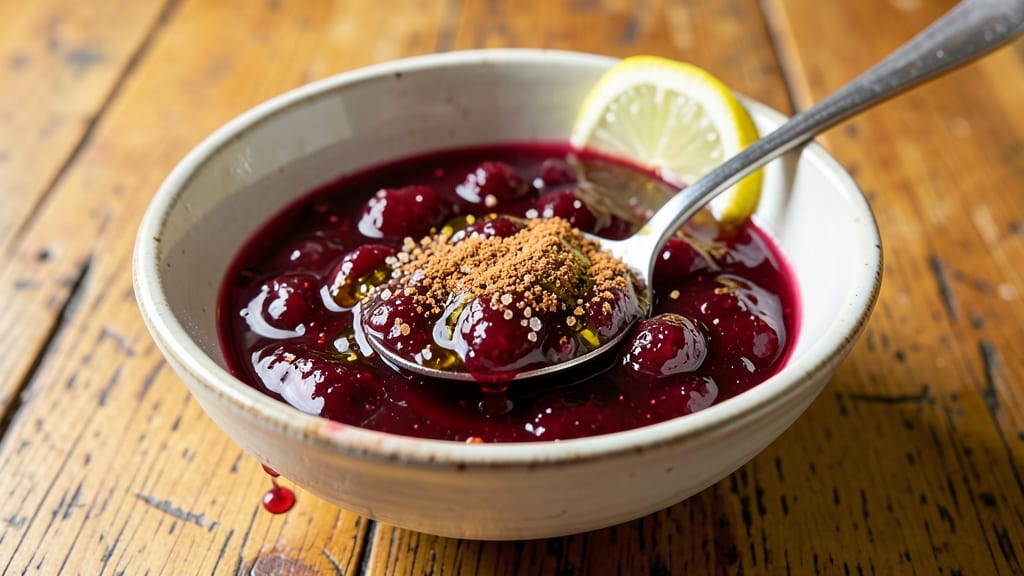
This lingonberry sauce recipe transforms tart Swedish lingonberries into a perfect holiday companion that elevates roasted meats, game birds, and even pancakes with its bright, tangy-sweet balance.
The key lies in simmering fresh or frozen berries with just enough sugar to highlight their natural acidity, creating a versatile sauce that works as both a glaze and a side dish.
I developed this version after years of holiday cooking, where store-bought lingonberry jam simply couldn't match the depth of homemade.
The process is straightforward yet precise: combine berries with sugar and a splash of water, then simmer until thickened to your preferred consistency—whether you prefer a glossy glaze or a spoonable paste.
The sauce's natural pectin content means no additional thickeners are needed, and the result remains vibrant and flavorful for weeks.
What makes this recipe stand out is its adaptability; use it to drizzle over roasted pork, spoon alongside Swedish meatballs, or even dollop on vanilla ice cream for a Scandinavian-inspired dessert.
What you'll achieve is a sauce that captures the essence of holiday feasts—bright, tangy, and perfectly balanced to cut through rich meats while adding a touch of elegance.
The berries release their deep red hue as they simmer, creating a visually stunning accompaniment that's just as impressive as it is delicious. This isn't just a side dish; it's the finishing touch that makes your holiday meal feel complete.
Once made, the sauce keeps beautifully in the refrigerator for up to three weeks, making it ideal for meal prep. For longer storage, freeze it in small portions—perfect for gifting or adding to last-minute holiday menus.
Whether you're serving traditional Swedish dishes or modern twists, this lingonberry sauce will become your go-to holiday essential.
Ingredients for lingonberry sauce
Just eight ingredients transform tart lingonberries into your holiday table's star side dish.
| Ingredient | Amount | Notes |
|---|---|---|
| Fresh or Frozen Lingonberries 🍒 | 2 cups | Unthawed if frozen, no need to soak |
| Granulated Sugar 🍚 | ¾ cup | White or light brown preferred |
| Fresh Lemon Juice 🍋 | 2 tbsp | Brightens berry flavor |
| Water 💧 | ½ cup | For simmering consistency |
| Extra-Virgin Olive Oil 🫒 | 1 tbsp | For glossy finish |
| Ground Cinnamon 🌿 | ¼ tsp | Optional for warmth |
| Sea Salt 🧂 | ¼ tsp | Enhances natural sweetness |
| Vanilla Bean Paste 🌸 | ½ tsp | Optional for depth |
The lingonberries are everything here. Fresh lingonberries are ideal—they're more vibrant and packed with flavor, but frozen works perfectly too (no need to thaw). I always grab mine from Nordic specialty stores or the Scandinavian section at Whole Foods, but the frozen section at regular grocery stores has decent quality. Look for berries that are plump and deep red—not shriveled or gray. The sugar is key too: white or light brown gives you that classic holiday sweetness, but if you're feeling fancy, Swedish cardamom sugar adds a unique twist. I keep a small jar of it on hand specifically for lingonberry dishes.
No fresh lingonberries? Cranberries in a pinch—they're similar in tartness, though not quite the same depth. Short on sugar? Honey or maple syrup works at a 1:1 ratio, but it'll give a slightly different texture. The lemon juice is non-negotiable for brightness—bottled is fine, but fresh is always better. If you're feeling adventurous, swap the olive oil for Swedish rapeseed oil (canola oil) for an authentic touch. The cinnamon and vanilla are optional but worth it—they add warmth that makes this sauce feel extra holiday-ready. For a quicker version, you can use lingonberry jam as a base and simmer it with a splash of water to loosen it up.
This sauce keeps beautifully. Store in a sealed jar in the fridge for up to 3 weeks—it actually gets better as the flavors meld. For gifting, portion it into small jars with a ribbon. Freezes perfectly for up to 6 months, though I prefer to make fresh batches each season. The consistency will thicken as it cools, so if you want it glossy for drizzling, just add a splash of water when reheating. Trust me, you'll want to make extra—this stuff disappears fast at holiday gatherings.
Why You'll Love This Recipe
- Fridge-Friendly Flexibility: I keep a jar of this in my fridge all winter—it’s the perfect side for roasted meats, a quick glaze for pancakes, or even a tangy drizzle over yogurt. Frozen lingonberries work just as well as fresh, so I never run out of excuses to make it.
- Tart-Sweet Magic: That bright lemon juice and just enough sugar? It’s the kind of balance that makes you reach for seconds. A splash of olive oil at the end ties it all together—smooth, glossy, and impossible to resist.
- Holiday Table Star: Between us, this sauce is my secret weapon at Thanksgiving and Christmas. It pairs beautifully with turkey, ham, or even mashed potatoes, and guests always ask for the recipe. (Spoiler: it’s not complicated.)
- Budget Brightener: Lingonberries freeze like a dream, so I buy them in bulk when they’re on sale. A little sugar and lemon juice stretch that tartness into weeks of meals—no waste, all flavor. My wallet and taste buds thank me every time.
Step-by-step instructions for lingonberry sauce
Here's how to create the perfect tart-sweet lingonberry sauce that pairs beautifully with holiday meats.
Prepare the Lingonberries
If using frozen lingonberries, there's no need to thaw them first. Simply add the 2 cups of fresh or frozen lingonberries to a medium saucepan. I like to use frozen berries because they're often picked at peak ripeness and retain more tartness. Give them a quick stir to break up any large clumps, ensuring even cooking throughout.
If you're using fresh lingonberries, you'll want to rinse them briefly under cold water to remove any dirt or debris. Pat them dry with a paper towel before adding to the pan. This step prevents excess moisture that can dilute your sauce later. The berries should look plump and vibrant—this is your starting point for that perfect holiday balance.
Simmer with Water and Sugar
Add the 0.5 cup water and 0.75 cup granulated sugar to the saucepan with the lingonberries. Stir gently to combine, making sure the sugar dissolves completely. Place the saucepan over medium heat and bring the mixture to a gentle boil. You'll see small bubbles forming around the edges of the pan—this is your signal that we're ready for the next step.
Once boiling, reduce the heat to low and let the mixture simmer for 10-12 minutes. This gentle cooking time allows the berries to soften while maintaining their shape and vibrant color. Stir occasionally to prevent sticking and ensure even cooking. You're looking for the berries to become tender but still hold their form—like tiny, plump jewels in your sauce.
Add Aromatics and Finish Cooking
After the initial simmer, stir in the 2 tablespoons fresh lemon juice, 1 tablespoon extra-virgin olive oil, 0.25 teaspoon ground cinnamon, 0.25 teaspoon sea salt, and 0.5 teaspoon vanilla bean paste. The lemon juice brightens the berry flavor while balancing the sweetness, and the olive oil adds a lovely glossy finish. The cinnamon and vanilla bean paste provide warm, comforting notes that make this sauce perfect for holiday gatherings.
Return the sauce to a gentle simmer and cook for another 5-7 minutes until the berries are completely tender and the sauce has thickened to your desired consistency. You'll know it's ready when the sauce coats the back of a spoon and has a beautiful glossy sheen. The aroma should be rich and inviting—like a cozy forest walk on a crisp autumn day.
Cool and Adjust Seasoning
Remove the sauce from heat and let it cool for 10 minutes. This cooling period allows the flavors to meld together and the sauce to thicken slightly as it sits. Once cooled, taste the sauce and adjust the sweetness if needed. If it's too tart, add a pinch more sugar. If it needs more brightness, add a splash more lemon juice. Remember, you can always adjust the seasoning, but you can't uncook it.
For the perfect holiday presentation, transfer the sauce to a clean jar or bowl. The sauce will continue to thicken as it cools completely, developing that beautiful glossy finish that makes it so appealing. This lingonberry sauce keeps well in the refrigerator for up to 2 weeks, making it perfect for gifting or using throughout your holiday meals.
Pro Tips For Making Lingonberry Sauce
- Simmer Low and Slow: Lingonberries are stubborn—high heat turns them mushy. After the initial boil, drop the heat to a gentle simmer (think lazy bubbles, not a rolling pot). I learned this the hard way when my sauce turned into a sad, grainy glop after 20 minutes. Keep it at a steady 180°F (82°C) and let it work its magic for 20-30 minutes.
- Rinse the Berries: Frozen lingonberries often come with ice crystals or a dusting of sugar from processing. Give them a quick rinse under cold water before cooking—this cuts down on excess sweetness and prevents the sauce from tasting like a candy syrup. (Yes, even if the package says "ready to use.")
- Skip the Olive Oil: That extra-virgin olive oil? It’s unnecessary unless you’re making a fancy garnish. Lingonberries release their own natural oils when cooked, and adding oil can make the sauce taste greasy or cloying. Save it for drizzling over roasted meats instead—this sauce shines on its own.
- Strain for Smoothness: If you want a silky sauce (not chunky), strain the cooked berries through a fine-mesh sieve after simmering. Press the pulp with a spoon—this extracts every last bit of flavor without the seeds or skins. I used to skip this, but the texture difference is night and day, especially with pork or fish.
Perfect pairings for these flavors
Holiday Meat Glazes
Use this lingonberry sauce as a glossy glaze for roasted pork tenderloin or Swedish-style meatballs. Brush it on during the last 10 minutes of cooking at 400°F—the sugar caramelizes beautifully, creating a sticky, flavorful crust.
I love drizzling it over roasted duck or ham just before serving for a bright contrast to the rich meat. For extra shine, reheat the sauce with 1 teaspoon water before glazing. 🍗
Swedish Meatball Pairing
This sauce is a must with traditional Swedish meatballs. Spoon 1-2 tablespoons alongside each serving to cut through the creamy gravy. For a modern twist, serve with crispy Swedish pancakes (pannkaka)—the tartness balances the sweetness perfectly.
I also like adding a pinch of ground allspice to the meatballs beforehand for a subtle Scandinavian warmth. 🥟
Dessert Toppings
Don’t limit this sauce to savory dishes! Drizzle it over vanilla ice cream or Swedish cardamom buns (kanelbullar) for a tangy-sweet finish. For a festive dessert, spoon it alongside warm apple crisp or baked pears.
The acidity cuts through the richness, making it feel like a holiday treat. I’ve even used it as a glaze for store-bought gingerbread cookies—trust me, it’s a game-changer. 🍰
Game Bird Elevation
Lingonberry sauce transforms roasted turkey, goose, or pheasant into a showstopper. Serve it as a side sauce in a small bowl or drizzle it over the meat before carving. The berries’ natural acidity helps break down gamey flavors, making it ideal for holiday roasts.
For extra depth, simmer the sauce with a splash of white wine (like Riesling) instead of water. 🦃
Cheese Board Accent
Add this sauce to your holiday cheese board as a dip for Swedish cheeses like Vasterbotten or Brunost. The tartness pairs beautifully with aged Gouda or sharp cheddar. I like serving it in a small glass cruet with a wooden spoon for an elegant touch.
It also works as a marinade for smoked salmon—just brush it on and let it sit for 15 minutes before serving. 🧀
Bread and Dips
Spread this sauce on toasted rye bread or Swedish knäckebröd for an open-faced sandwich. It’s also fantastic as a dipping sauce for pretzels or soft pretzel bites—the saltiness of the bread contrasts perfectly with the berries’ tartness. For a festive appetizer, serve it with mini meatballs on skewers. 🥖
Nutrition facts
Frequently asked questions
Can I use cranberries instead of lingonberries?
Yes, but there will be subtle differences. Cranberries are more tart and less sweet, so you may need to add 1-2 extra tablespoons of sugar to balance the flavor. The texture will also be slightly chunkier since cranberries don't soften as evenly. For a closer match, use half cranberries and half lingonberries if possible.
How do I adjust the sweetness if my lingonberries are extra tart?
Taste the sauce after simmering and adjust gradually. For every 1/4 cup of tart lingonberries, add 1 teaspoon extra sugar. If using frozen berries, they're often picked at peak tartness, so you might need up to 1/2 cup total sugar. Remember, you can always add more sugar later—just don't overdo it or the sauce will lose its bright character.
Can I make this sauce without added sugar?
For a sugar-free version, reduce the sugar to 1/4 cup or omit it entirely. The natural sweetness of ripe lingonberries will shine through, and the acidity will be more pronounced. If using this version with rich meats, the tartness helps cut through the fat beautifully. For dessert applications, you might want to add a touch of honey or maple syrup instead.
Why did my sauce turn out too thin?
This usually happens if you didn't simmer long enough or used too much water. To fix it, simmer the sauce uncovered for an additional 5-10 minutes to reduce the liquid. For a quicker fix, mix 1 teaspoon cornstarch with 1 tablespoon cold water, stir it into the sauce, and simmer for 2 more minutes. Always taste as you go—lingonberry sauce should coat the back of a spoon when done.
How can I use this sauce in modern dishes?
Get creative beyond traditional pairings! Try using it as a glaze for grilled chicken or pork chops, a topping for homemade yogurt or oatmeal, or even a marinade for fish fillets. The sauce also works beautifully in cocktails—mix with vodka and a splash of ginger ale for a Scandinavian-inspired drink. For a sweet application, stir it into cheesecake filling before baking.