
Sauces & Condiments
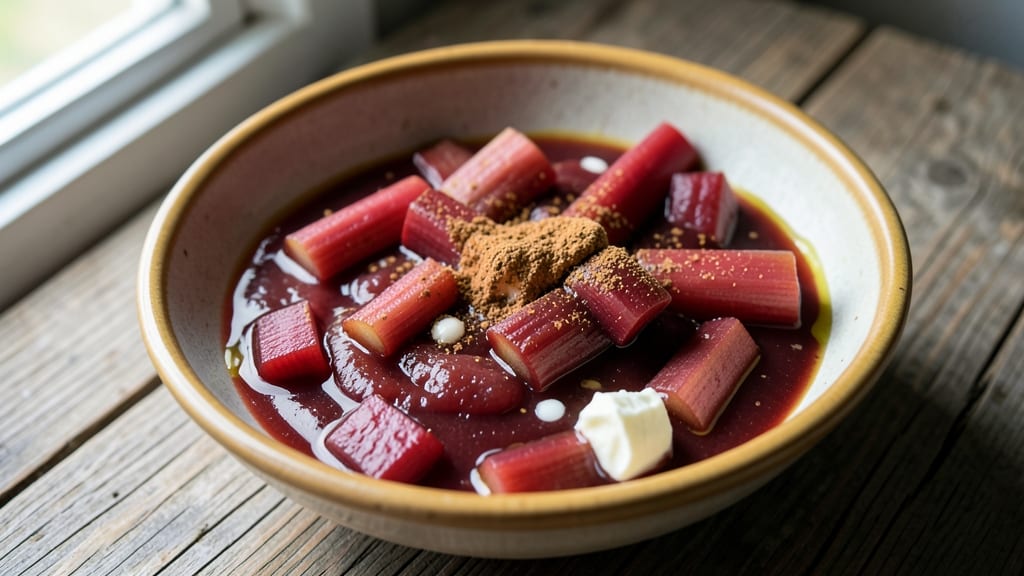
This old-fashioned rhubarb sauce recipe delivers the perfect balance of tart and sweet that transforms ordinary desserts into something extraordinary. The secret lies in simmering fresh rhubarb with just enough sugar to highlight its natural brightness while adding warm spices like cinnamon and vanilla for depth.
I developed this recipe after years of testing—too much sugar kills the rhubarb's signature tang, while too little leaves it harsh on the palate.
The process is simple yet precise: chopped rhubarb cooks down into a thick, vibrant sauce with a texture that's neither too chunky nor completely smooth. This version stays true to classic preparations while offering flexibility—use it as a topping for pancakes, a filling for pies, or a glaze for cobblers.
The key is patience; letting the sauce reduce slowly intensifies the flavors without turning it syrupy.
What you'll end up with is a sauce that's richly aromatic, with deep red hues and a consistency perfect for drizzling or spooning. The balance of tartness and sweetness makes it universally appealing, whether you're serving it with buttery shortcake or stacking it on fluffy pancakes.
It also stores beautifully in the refrigerator for up to two weeks, making it ideal for meal prepping.
For best results, choose firm rhubarb stalks with bright color—avoid any that feel mushy or wilted. Adjust the sugar to taste, but remember: the rhubarb's natural acidity is what makes this sauce special. Let's get started on creating this timeless condiment that will elevate your desserts.
Ingredients for old fashioned rhubarb sauce
Eight ingredients transform tart rhubarb into a velvety-sweet sauce perfect for pancakes, pies, or cobblers.
| Ingredient | Amount | Notes |
|---|---|---|
| Fresh Rhubarb Stalks 🍓 | 2 lbs | Trimmed, firm, bright red |
| Granulated Sugar 🍚 | 1 ½ cups | Adjust to taste for tartness |
| Fresh Lemon Juice 🍋 | ¼ cup | Brightens rhubarb flavor |
| Ground Cinnamon 🌿 | 1 tbsp | Warmth without overpowering |
| Pure Vanilla Extract 🍯 | ½ tsp | High-quality, not imitation |
| Unsalted Butter 🧈 | 2 tbsp | Cold, for glossy finish |
| Water 💧 | ½ cup | For initial simmering |
| Diamond Crystal Kosher Salt 🧂 | ¼ tsp | Fine grain for balance |
The rhubarb is non-negotiable—firm, bright stalks with no soft spots. Hit the farmers market in spring for peak flavor, or grab the pre-packaged rhubarb at Whole Foods if you're in a pinch. Sugar is where you'll want to experiment: start with 1.5 cups, but taste as you go. The lemon juice is your secret weapon—it cuts through the tartness while adding brightness. For the cinnamon, Penzeys or the bulk bin at Trader Joe's gives you the freshest, most aromatic spice. And vanilla? Nothing but pure extract—the imitation stuff will ruin the depth of flavor here.
No fresh rhubarb? Frozen rhubarb works in a bind, but thaw it first and drain well. Running short on sugar? Honey or maple syrup at a 1:1 ratio adds subtle complexity. Skip the vanilla? A pinch of ground cardamom adds warmth without overpowering. The butter isn't just for richness—it gives that signature glossy finish. If you're watching calories, reduce to 1 tbsp and stir in at the very end. And if your sauce seems too thin? Simmer uncovered for 5-10 more minutes—patience pays off with a thicker, more concentrated flavor.
This sauce keeps like a dream—2 weeks in the fridge sealed in a jar. The texture actually improves over time as flavors meld. For meal prep, portion into small containers—perfect for drizzling on pancakes or spooning over yogurt. Freezes beautifully for up to 6 months if you want to stock up for winter baking. Just thaw in the fridge overnight. Pro tip: if it thickens too much after refrigeration, a splash of water or lemon juice brings it back to perfection.
Why You'll Love This Recipe
- No Chopping Needed: I swear by this—just trim the rhubarb stalks, no dicing, no fuss. Toss them in a pot with sugar and lemon, and let the heat do the work while you sip coffee or fold laundry.
- Tangy-Sweet Magic: That bright lemon juice cutting through the rhubarb’s natural tartness? Chef’s kiss. The cinnamon and vanilla tie it all together—like a hug in sauce form, but better because it goes on pancakes.
- Weeknight Hero: Make a double batch on Sunday, and you’ve got sauce for toast, yogurt, or even grilled pork. It keeps for weeks in the fridge, so no last-minute grocery runs when you’re scrambling for breakfast ideas.
- Budget Brightener: Rhubarb is cheap in season, and sugar stretches farther than you’d think. A few stalks and a bag of sugar turn into enough to dress up boring oatmeal or elevate store-bought muffins—no splurges needed.
Step-by-step instructions for old fashioned rhubarb sauce
Here's how to transform tart rhubarb into a velvety-smooth sauce that's perfect for pies, pancakes, or yogurt.
Prep and Cook the Rhubarb
Trim the ends off the 2 lbs fresh rhubarb stalks, discarding any leafy greens or fibrous parts. Cut the stalks into ½-inch pieces—this ensures even cooking and a consistent texture. In a large saucepan, combine the chopped rhubarb with the 0.5 cup water. Bring to a boil over medium-high heat, then immediately reduce to medium-low heat and let it simmer uncovered for 10 minutes.
You'll notice the rhubarb softening and releasing its vibrant juice. Stir occasionally to prevent sticking, but don't worry if it doesn't look completely mushy yet—we're just breaking it down. The goal here is to soften the stalks while preserving their natural acidity, which balances beautifully with the sweetness we'll add next.
Add Sweetness and Spices
Once the rhubarb has softened, stir in the 1.5 cups granulated sugar, the 1 tbsp ground cinnamon, and the 0.25 tsp diamond crystal kosher salt. Increase the heat to medium-high and bring the mixture to a gentle boil. Let it boil vigorously for 8-10 minutes, stirring frequently with a wooden spoon to prevent scorching.
Here's where the magic happens—the sugar caramelizes slightly, deepening the sauce's flavor while dissolving into a glossy syrup. You'll see the mixture thicken noticeably as it reduces. Keep a close eye on it; you want it to reach a jam-like consistency where it coats the back of a spoon. If it starts to stick, add a splash of water (just a tablespoon or two) to loosen it.
Finish with Lemon and Vanilla
After the sauce has thickened, reduce the heat to low and stir in the 0.25 cup fresh lemon juice and 0.5 tsp pure vanilla extract. Simmer gently for another 3-4 minutes, allowing the flavors to meld together. The lemon brightens the rhubarb's tartness, while the vanilla adds a warm, aromatic depth that rounds out the sauce.
Taste the sauce at this point—it should have a perfect balance of sweet and tart. If it's still too tart for your liking, add a bit more sugar (about 1 tablespoon at a time) and simmer for another minute. If it's too sweet, add a splash more lemon juice. Remember, you can always adjust the sweetness later, but you can't take out excess sugar once it's cooked in.
Incorporate Butter for Glossy Finish
Remove the saucepan from heat and let the sauce cool for 2 minutes. This brief rest prevents the butter from separating when added. Cut the 2 tbsp unsalted butter into small pieces and whisk it into the warm sauce until fully melted and incorporated. The butter adds a luxurious richness and gives the sauce a beautiful, glossy sheen.
For an even smoother texture, transfer the sauce to a blender or food processor and pulse briefly—just until the rhubarb pieces are broken down slightly. This step is optional but creates a velvety consistency that's perfect for drizzling over pancakes or swirling into yogurt. If you prefer a rustic texture with visible rhubarb chunks, skip this step.
Cool and Store Properly
Let the sauce cool to room temperature, then transfer it to a clean, airtight jar or container. The sauce will thicken as it cools, so don't be alarmed if it looks slightly syrupy when warm. It keeps well in the refrigerator for up to 2 weeks or can be frozen for up to 6 months—just thaw in the refrigerator before using.
This old-fashioned rhubarb sauce is incredibly versatile. Use it to top fresh-baked pies, drizzle over vanilla ice cream, or fold into whipped cream for a stunning dessert presentation. The balance of tart, sweet, and spiced notes makes it a showstopper for any brunch or dessert spread. Enjoy it warm or cold, but always served with something to balance its vibrant acidity!
Pro Tips For Making Old Fashioned Rhubarb Sauce
- Trim the Tough Bits: Rhubarb’s leafy ends and stringy cores are where bitterness hides—cut them off cleanly, then slice stalks into even ½-inch pieces. I used to leave the tough bits in, and the sauce always tasted slightly harsh. Save yourself the regret.
- Simmer Slow and Low: After adding sugar, reduce heat to a gentle bubble—no rolling boil or you’ll scorch the rhubarb and end up with a grainy, burnt mess. My grandmother called this "whisper heat," and she was right: 15–20 minutes at medium-low is all it takes.
- Measure Sugar by Weight: Granulated sugar packs differently—use a kitchen scale for accuracy (about 2:1 sugar to rhubarb ratio). I learned this the hard way when my sauce turned cloyingly sweet one batch and bland the next. A quick 5-minute fix, but it makes a real difference.
- Toast the Cinnamon First: Warm the cinnamon in a dry pan for 30 seconds until fragrant—it deepens the flavor without overpowering. Sounds weird, but it works: the aroma jumps off the plate, and the sauce tastes more complex. Skip this, and you’re missing a layer of warmth.
Wine and beer pairings for this old fashioned rhubarb sauce
Wine Pairings
This rhubarb sauce’s bright acidity and spiced sweetness pairs beautifully with dry Riesling from Germany or Alsace. The wine’s crisp acidity mirrors the sauce’s tartness while its honeyed notes complement the caramelized sugar. I love Dr. Loosen Blue Slate Riesling—its mineral finish cuts through the sauce’s richness.
For a red option, try a Pinot Noir with earthy undertones, like Domaine Serene from Oregon. The wine’s delicate tannins won’t overpower the sauce’s vibrant flavors. 🍷
Sparkling Wine
For a festive touch, serve this sauce with Prosecco or Cava. The effervescence cleanses your palate between bites, making each spoonful of sauce taste fresh. Look for La Marca Prosecco—its bright citrus notes enhance the rhubarb’s tartness.
A demi-sec Champagne adds a touch of sweetness that balances the sauce’s acidity. The bubbles also make it feel celebratory, perfect for brunch gatherings. ✨
Beer Pairings
A Belgian witbier like Hoegaarden is my go-to beer pairing. Its coriander and orange peel notes create a refreshing contrast to the sauce’s spiced sweetness. For a hoppier option, try a light American lager like Miller Lite—the subtle bitterness balances the sauce’s richness.
If you prefer something richer, a honey-brown ale from Allagash adds caramel notes that echo the sauce’s caramelized sugar. 🍺
Cider Pairings
Dry hard cider like Strongbow Original or Woodchuck Hard Cider works surprisingly well. The cider’s crisp acidity and slight bitterness complement the rhubarb’s tartness without overpowering it. For a sweeter option, try Martinelli’s Apple—its fruity notes harmonize with the sauce’s spiced sweetness.
The cider’s lower alcohol content makes it a great choice for brunch or dessert pairings. 🍎
Non-Alcoholic Options
For a refreshing non-alcoholic pairing, serve the sauce with sparkling apple cider or ginger beer. The effervescence and slight spice in ginger beer enhance the sauce’s cinnamon and vanilla notes.
A sparkling water with a splash of lemon juice also works—it cleanses the palate and highlights the sauce’s bright acidity. 💫
Serving Temperature
Serve the wine or beer slightly chilled—around 45-50°F for white wines and sparkling options, and 50-55°F for reds. The cooler temperature preserves the drink’s crispness, making it the perfect foil for the warm, spiced rhubarb sauce.
If using cider, serve it at 40-45°F to keep it refreshing. The contrast in temperatures elevates both the sauce and the beverage. 🌡️
Nutrition facts
Frequently asked questions
Can I use frozen rhubarb instead of fresh?
Yes, but thaw it completely first and drain any excess liquid. Frozen rhubarb works well, but it may release more moisture during cooking. You might need to simmer slightly longer (12-15 minutes instead of 10) to achieve the same thick consistency. The flavor will still be delicious, though slightly less vibrant than fresh.
How do I adjust the sweetness if my rhubarb is extra tart?
Start with the full 1.5 cups of sugar, then taste as you go. If it's still too tart after simmering, add sugar in 1-tablespoon increments, simmering 1-2 minutes between additions. For a more natural approach, add 1-2 teaspoons of cornstarch mixed with water to thicken without extra sweetness.
Can I make this sauce without butter?
Replace the 2 tbsp butter with 1 tbsp neutral oil (like vegetable or canola) for a vegan version. For a lighter option, skip it entirely—just stir in the vanilla and lemon at the end. The sauce will still be flavorful, though slightly less glossy.
What's the best way to reheat stored sauce?
Gently warm it in a saucepan over low heat, stirring frequently to prevent scorching. If it thickens too much, add 1-2 teaspoons of water or lemon juice to loosen. Never microwave—it can make the sauce grainy. For serving, reheating to 160°F ensures safety and restores its velvety texture.
How can I make this sauce smoother vs. chunkier?
For a smoother texture, blend the cooled sauce in a food processor for 10-15 seconds. For visible rhubarb pieces, skip blending and stir gently with a spoon. The original recipe balances both—softened stalks that break down slightly but retain rustic appeal. Adjust by taste: smoother = more blending; chunkier = less blending or larger initial cuts.