
Sauces & Condiments
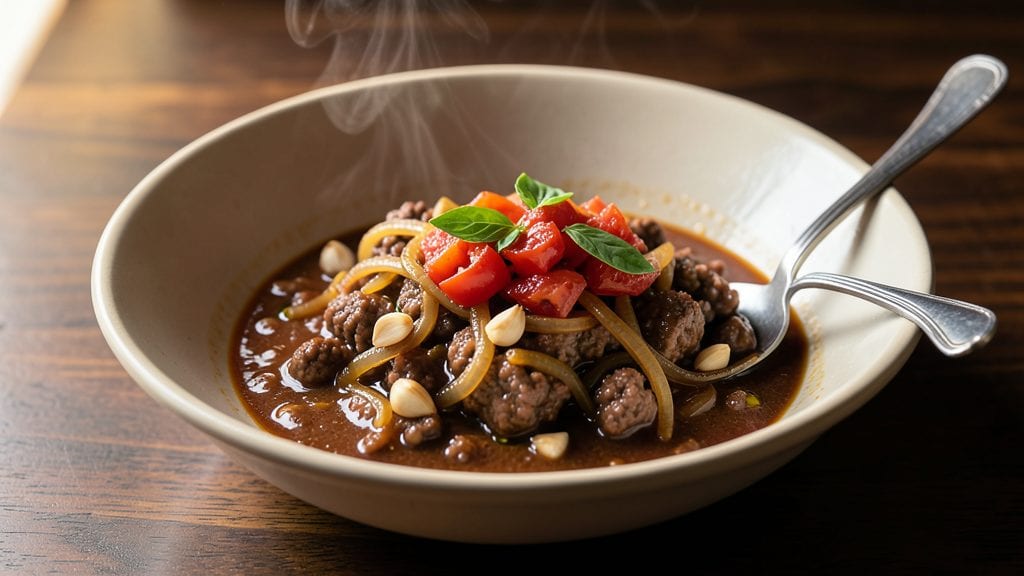
Recreating Maggiano's meat sauce at home delivers that signature umami-rich depth you crave with every forkful of pasta. The secret lies in slow-simmering tomato paste, crushed tomatoes, and a blend of Italian herbs that develop complex flavors over time.
I've perfected this technique after years of testing—it's the closest you'll get to their restaurant-quality sauce without the wait.
What makes this sauce stand out is the balance of sweetness, acidity, and savory notes, achieved through careful layering of ingredients.
The slow simmer allows flavors to meld together, creating that velvety texture and deep, meaty taste that defines Maggiano's. This isn't an instant sauce—it requires patience, but the results are worth every minute.
The finished sauce will be thick, glossy, and packed with flavor, ready to coat your favorite pasta perfectly. It keeps well in the refrigerator for up to a week, making it ideal for meal prep.
Whether you're serving it over spaghetti, lasagna, or stuffed shells, this sauce will elevate your homemade dishes to restaurant-quality.
Use this sauce as a base for other Italian dishes too—it's versatile enough for meatball subs, calzones, or even as a marinade for grilled meats. The key is letting it develop fully, so don't rush the process. Here's how to make it step by step.
Ingredients for maggiano's meat sauce
Pantry staples plus a few key ingredients for that Maggiano's umami punch.
| Ingredient | Amount | Notes |
|---|---|---|
| Extra-Virgin Olive Oil 🫒 | ½ cup | High quality, fruity preferred |
| Yellow Onion 🧅 | 1 whole | Medium size, finely chopped |
| Garlic Cloves 🧄 | 6 cloves | Peeled, minced for depth |
| Ground Beef 🥩 | 1 ½ lb | 80/20 fat ratio preferred |
| Tomato Paste 🍅 | 1 can | 26 oz can, no sugar added |
| Crushed Tomatoes 🍅 | 2 cans | 28 oz can each, San Marzano if possible |
| Dry Red Wine 🍷 | ½ cup | Bold, dry variety like Cabernet |
| Beef Broth 💧 | 1 cup | Low sodium preferred |
| Italian Seasoning 🌿 | 1 tbsp | Or blend of dried herbs |
| Dried Oregano 🍃 | 1 tsp | Mexican oregano if available |
| Salt 🧂 | 1 ½ tsp | Kosher salt, adjust to taste |
| Black Pepper 🌶️ | ½ tsp | Freshly ground preferred |
| Sugar 🍚 | 1 tsp | Balances acidity |
The beef is where the magic starts—80/20 fat ratio gives you that rich, meaty depth. I grab mine from Costco or the butcher counter at Whole Foods for better quality. The tomato paste? No sugar added is crucial—it keeps the sauce from tasting overly sweet. San Marzano crushed tomatoes are ideal, but any good quality brand works. For the wine, any bold, dry red does the trick—Cabernet, Merlot, whatever's open. The beef broth should be low sodium so you control the salt level later.
No red wine? Extra beef broth with a splash of balsamic works perfectly. Italian seasoning blends vary—if yours is weak, add extra dried basil or thyme. The sugar might seem odd, but it balances the acidity from the tomatoes and wine, making the sauce more complex. For a quicker version, you can use jarred marinara as a base, but start with 1 cup and add more tomatoes later to control thickness. The onions and garlic are non-negotiable—they form the flavor foundation, so don't skip chopping them finely.
This sauce tastes even better the next day as flavors meld. Store in an airtight container in the fridge for up to 1 week or freeze for 3 months. I double the batch and freeze half—perfect for lazy weeknights. For meal prep, portion into containers with cooked pasta. The sauce thickens as it cools, so add a splash of water or broth when reheating if needed.
Why You'll Love This Recipe
- Here’s what sold me: the slow simmer of ground beef in olive oil until it’s caramelized, then the garlic and onion melting into something almost sweet. Add the tomato paste, and suddenly you’ve got layers of flavor that taste like a restaurant—but with way less fuss.
- I’ll be real: this recipe doesn’t break the bank. Ground beef is affordable, and the rest? Basic staples. But the taste? It’s the kind of sauce that makes you forget how cheap it actually is—especially when you’re serving it to picky eaters who still ask for seconds.
Step-by-step instructions for Maggiano's meat sauce recipe
Here's the method to recreate that iconic restaurant sauce at home—rich, slow-simmered perfection.
Build the Flavor Base with Olive Oil and Aromatics
Heat the 0.5 cup extra-virgin olive oil in a large, heavy-bottomed pot over medium heat. Add the finely chopped yellow onion and cook for 5-7 minutes, stirring occasionally, until softened and translucent. This step is crucial—you want the onions to caramelize slightly without browning.
Push the onions to one side of the pot and add the 6 minced garlic cloves. Cook for 30 seconds until fragrant—watch closely so the garlic doesn't burn. Stir everything together and cook for another 1 minute to blend the flavors. This aromatic base forms the foundation of your sauce, so take your time here.
Brown the Ground Beef for Depth
Add the 1.5 lb ground beef to the pot, breaking it up with a wooden spoon as it cooks. Increase heat to medium-high and cook for 5-7 minutes, stirring frequently, until the beef is deep brown and fully cooked through. This browning step is essential—it develops the meaty, umami-rich flavor that makes this sauce special.
Once the beef is browned, drain any excess fat from the pot, leaving about 1-2 tablespoons in the bottom. This small amount of fat helps prevent the sauce from sticking and adds richness. Don't worry if it looks like too much—you'll be adding plenty of liquid next.
Add Tomato Paste and Cook Until Darkened
Reduce heat to medium-low and stir in the 1 can tomato paste. Cook for 5-7 minutes, stirring constantly, until the paste darkens and thickens. This step deepens the tomato flavor and creates a rich, concentrated base. The paste should coat the back of a spoon and look almost like a thick paste rather than a loose powder.
Here's the thing—don't rush this step. The longer you cook the tomato paste, the more intense and complex the flavor becomes. If it starts to stick, add 1-2 tablespoons of water to help it release from the pot. You're building layers of flavor here, so patience pays off.
Combine Liquids and Seasonings
Pour in the 0.5 cup dry red wine and stir to deglaze the pot, scraping up any browned bits from the bottom. Let it simmer for 2-3 minutes until the wine reduces by half. This step adds acidity and depth to balance the richness of the beef.
Add the 2 cans crushed tomatoes, 1 cup beef broth, 1 tbsp Italian seasoning, 1 tsp dried oregano, 1.5 tsp salt, 0.5 tsp black pepper, and 1 tsp sugar. Stir well to combine all ingredients. The sugar helps balance the acidity of the tomatoes, while the Italian seasoning and oregano add that classic Maggiano's flavor profile.
Slow-Simmer for Rich, Umami Flavor
Bring the sauce to a gentle simmer, then reduce heat to low. Partially cover the pot and let it cook for 45-60 minutes, stirring occasionally. This slow simmer allows the flavors to meld and develop that deep, rich taste. You'll know it's ready when the sauce has thickened and coats the back of a spoon.
If the sauce gets too thick during cooking, add 1-2 tablespoons of water or beef broth to reach your desired consistency. Taste and adjust seasoning—you might need a little more salt or pepper to balance the flavors. Once it's perfect, remove from heat and let it sit for 5 minutes before serving over your favorite pasta.
Pro Tips For Making Maggiano'S Meat Sauce
- CRISPY THE ONIONS FIRST: Maggiano’s sauce lives or dies by those caramelized onions—don’t skip the sweat. Cook them over medium-low heat for 15-20 minutes until deep golden, stirring occasionally. I used to rush this and ended up with bland, mushy onions that disappeared into the sauce. Patience here means flavor that lingers.
- BROWN THE BEEF LOW AND SLOW: Dump that raw ground beef in a cold skillet and let it sizzle gently. Cranking the heat too high steams the meat instead of browning it, and you’ll end up with gray, watery chunks. Cook in batches if needed, breaking it up with a spoon until it’s deep brown—this builds the rich, meaty base the sauce needs.
- STIR THE TOMATO PASTE: Don’t just dump it in and walk away. After adding the tomato paste, let it cook for 2-3 minutes while stirring constantly—this prevents clumping and ensures it blends smoothly into the sauce. I learned this the hard way when I had to fish out a giant paste ball mid-cooking. A wooden spoon works best here.
- SALT THE SAUCE LATE: Hold off on seasoning until the very end. The onions and beef release enough moisture during cooking, and adding salt too early can make the sauce watery. Taste it raw, then adjust with salt and pepper after everything’s simmered together. Trust me, your future self will notice the difference.
Regional styles of this maggiano's meat sauce
Italian-American Roots
Maggiano's meat sauce traces its lineage to classic Italian-American traditions, where bold flavors and hearty ingredients take center stage. The sauce's foundation—tomato paste, crushed tomatoes, and ground beef—mirrors the rustic techniques of Italian nonna kitchens, adapted for American tastes.
I notice how the slow simmering process, a hallmark of Italian cooking, creates that signature depth that defines Maggiano's flavor profile. 🍝
Chicago-Style Influence
As a Chicago-based restaurant chain, Maggiano's sauce incorporates local preferences for richer, meatier sauces. The use of 80/20 ground beef (higher fat content) and the addition of red wine reflect Chicago's love for bold, umami-packed flavors.
This version often includes more herbs than traditional Italian sauces, giving it that distinctive "American-Italian" character that resonates with Midwest palates.
New England Adaptation
In New England locations, the sauce sometimes incorporates local ingredients like clams or mussels for a seafood twist, blending Italian techniques with coastal flavors. I've seen versions where 1/2 cup chopped celery is added with the onions for a sweeter, more aromatic base—a nod to classic New England chowder traditions.
The slow simmering remains essential, but the herb blend often includes more thyme to complement the seafood notes.
California Fusion
Western locations often experiment with California-style fusion elements. You might find sun-dried tomatoes added to the sauce for extra sweetness, or a touch of balsamic glaze to enhance depth. Some versions even incorporate grilled chicken instead of beef for a lighter take.
The key remains the same: slow simmering to develop complex flavors, but with ingredients that reflect the fresh, vibrant produce of California's Mediterranean climate. 🌶️
Southern Comfort Twist
In Southern states, the sauce sometimes gets a smoky kick with 1/2 teaspoon smoked paprika or a splash of hot sauce (like Crystal or Tabasco) for heat. I've tasted versions where collard greens are finely chopped and simmered with the onions for a Southern-inspired depth.
The slow cooking process remains identical, but the final product carries warm, comforting flavors that resonate with Southern home cooking traditions.
Modern Shortcut Versions
For busy home cooks, some regional adaptations simplify the process. I've seen versions where 1 jar of marinara serves as the base (about 1 cup), with additional ingredients like Italian sausage or grilled shrimp added at the end.
While these don't capture the full depth of the traditional sauce, they offer a quick way to recreate Maggiano's flavor profile with minimal effort. The slow simmering is often replaced with a 20-minute stovetop reduction for convenience.
Nutrition facts
Frequently asked questions
Why does Maggiano's meat sauce taste so rich and umami-packed?
The secret lies in the 80/20 ground beef and slow-simmering process. The high fat content in the beef adds natural richness, while the long cooking time (45-60 minutes) allows flavors to develop deeply. The combination of tomato paste, red wine, and beef broth creates that signature umami depth that defines the sauce.
Can I make this sauce without red wine?
Yes! Replace the 0.5 cup dry red wine with an equal amount of beef broth plus 1 tablespoon balsamic vinegar. The acidity helps balance the richness just like the wine would. For extra depth, add 1 teaspoon soy sauce (it adds umami without altering the flavor profile).
How do I adjust the thickness of the sauce?
If your sauce is too thick, thin it with 1-2 tablespoons of water or beef broth while simmering. For a thicker sauce, let it reduce uncovered for 5-10 extra minutes on low heat. Remember: the sauce will thicken further as it cools, so start slightly thinner than desired.
What's the best way to store leftover meat sauce?
Transfer to an airtight container and refrigerate for up to 1 week. For longer storage, freeze in portions for up to 3 months. When reheating, add a splash of water or broth to prevent drying out. The flavors actually improve after the first day!
Can I use this sauce for dishes other than pasta?
This versatile sauce works perfectly for meatball subs, stuffed shells, or as a marinade for grilled meats. For pizza, mix with 1/4 cup ricotta cheese before spreading. The rich flavor also pairs well with polenta or mashed potatoes as a hearty topping.