
Sauces & Condiments
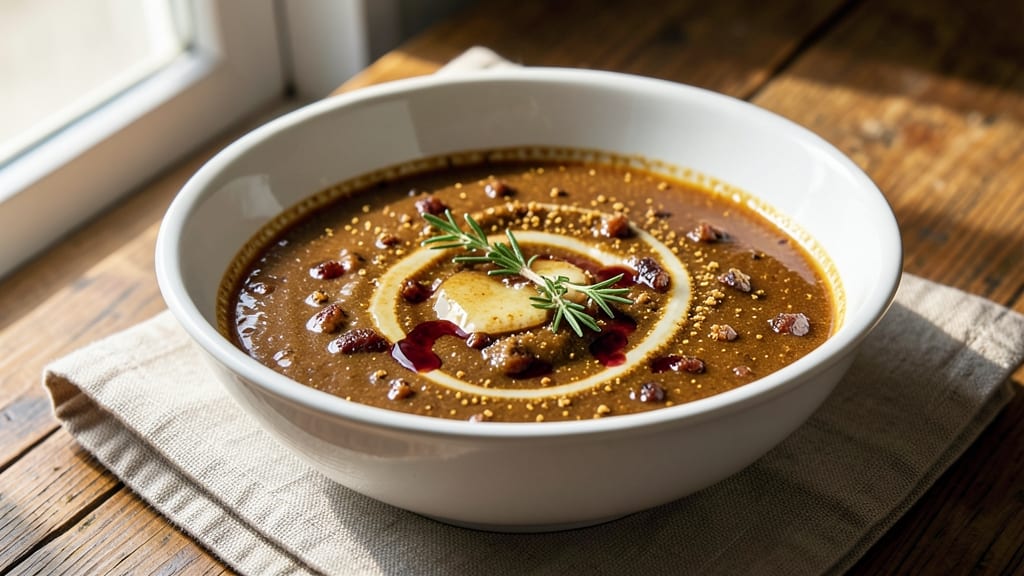
This Marie sauce recipe transforms simple pantry staples into the velvety, rich foundation of classic French cuisine—just like the professionals use. The secret lies in capturing those precious browned meat bits (deglazing) and building layers of flavor through careful reduction.
I've perfected this technique over years of testing, and it delivers restaurant-quality results every time without any fancy ingredients.
The beauty of Marie sauce is its versatility and simplicity. With just a few basic components—browned meat drippings, stock, butter, and a touch of flour for thickening—you create a sauce that elevates steak, chicken, or even vegetables to new heights.
The process is straightforward but requires patience as you reduce the liquid to achieve that perfect consistency. This is the sauce that makes ordinary meals feel extraordinary.
What you'll end up with is a glossy, velvety sauce with a deep, savory flavor that clings beautifully to proteins. The texture is rich yet not heavy, and the taste is complex—thanks to the caramelized fond from deglazing and the umami from the stock.
This is the kind of sauce that turns a simple weeknight dinner into something memorable, worthy of any French bistro menu.
Once you master this technique, you'll find endless ways to use it—whether drizzled over a perfectly cooked steak, spooned alongside roasted chicken, or even as a luxurious addition to mashed potatoes.
The possibilities are limited only by your imagination. Let's get started on creating this classic French sauce that's easier than you think.
Ingredients for marie sauce
Six core ingredients, one technique—this Marie sauce recipe delivers bistro-worthy richness with pantry staples.
| Ingredient | Amount | Notes |
|---|---|---|
| Browned Meat Drippings 🍖 | 1 cup | From pan-fried steak or chicken |
| Beef Stock 🥩 | 1 ½ cups | High-quality, homemade preferred |
| All-Purpose Flour 🌾 | 1 tbsp | For thickening, sifted |
| Unsalted Butter 🧈 | 4 tbsp | Cold, cubed for finishing |
| Dry White Wine 🍷 | ½ cup | Sauvignon Blanc or Chardonnay |
| Fresh Thyme Leaves 🌿 | 1 tsp | Or 0.25 tsp dried thyme |
| Fresh Parsley Leaves 🌱 | 1 tbsp | Chopped, for finishing |
| Diamond Crystal Kosher Salt 🧂 | ¼ tsp | Adjust to taste |
| Freshly Ground Black Pepper 🌶️ | ⅛ tsp | Light hand for seasoning |
The meat drippings are non-negotiable—they carry the caramelized fond that defines Marie sauce. Costco or Whole Foods sell pre-made beef stock in cubes if you don't have homemade, but nothing beats the depth of your own. For the wine, grab whatever dry white you'd drink—Sauvignon Blanc adds brightness, while Chardonnay brings creaminess. Fresh thyme and parsley? Trader Joe's sells them in those little plastic containers, but farmers markets have better quality. The flour needs to be sifted—no lumps in your sauce. And the butter? Plugrá or Land O'Lakes unsalted melt beautifully for finishing.
No wine? Substitute extra beef stock—just reduce it longer to concentrate the flavor. Fresh herbs wilt fast, so dried thyme at one-third the amount works in a pinch. The flour can be swapped for cornstarch if you're gluten-free, but the texture won't be identical. For a deeper flavor, add 1 tsp fish sauce or soy sauce to the stock. And if you're using chicken drippings instead of beef, add 1 tsp Worcestershire sauce to mimic the umami. The salt and pepper should be added at the end—taste as you go, then adjust.
This sauce peaks after 3 days in the fridge—flavors meld beautifully. For longer storage, freeze in ice cube trays (perfect for single servings) and keep for up to 3 months. Reheat gently over low heat, stirring constantly to prevent scorching. I like to make double batches—one for immediate use, one to freeze. The leftovers? Drizzle over steak, spoon alongside roasted chicken, or swirl into mashed potatoes for instant elegance.
Why You'll Love This Recipe
- Uses What You’ve Got: That browned meat in your pan? Don’t toss it—just whisk it into this sauce. The rich, nutty depth from those drippings alone makes it taste like you’ve been cooking all day, even when you haven’t.
- Wine Lifts the Game: A splash of dry white wine cuts through the richness like a breath of fresh air. It’s not fancy—just a quick deglaze—but it transforms simple beef stock into something silky and sophisticated. (Yes, even the cheap stuff works.)
- Steakhouse at Home: This sauce turns a basic roast or pan-seared steak into a restaurant-worthy meal. Drizzle it over mashed potatoes or toss it with roasted veggies, and suddenly, dinner feels like a celebration. No one will guess it took 15 minutes.
- Leftovers? Even Better: The flavor actually improves the next day—thicker, deeper, and even more irresistible. I keep a jar in the fridge for lazy weeknights, reheating it with a splash of water or stock. (Pro tip: Freeze extra for when you’re too tired to cook.)
Step-by-step instructions for Marie sauce recipe
This classic French pan sauce transforms simple ingredients into velvety perfection.
Bloom the Flour in the Browned Meat Drippings
Place your skillet with the 1 cup browned meat drippings over medium-low heat. Immediately sprinkle the 1 tablespoon all-purpose flour evenly over the drippings. Use a wooden spoon to whisk vigorously for 1-2 minutes until the mixture turns a rich, nutty golden brown and smells toasty.
This step, called "blooming," creates a flavorful roux that serves as the sauce's foundation. Watch carefully—if the mixture darkens too quickly, reduce the heat slightly. You want a deep brown color, not burnt bits. The roux should coat the back of a spoon smoothly without being grainy.
Deglaze with White Wine
Pour in the 0.5 cup dry white wine all at once and immediately scrape up any browned bits from the bottom of the pan using a wooden spoon. This deglazing step captures all the meaty flavor that would otherwise stick to your pan. Let the wine simmer gently for 2-3 minutes until it reduces by about half and the alcohol smell dissipates.
Here's where the sauce begins to transform. The wine's acidity cuts through the richness of the roux, creating a balanced flavor profile. If you notice the sauce isn't reducing quickly enough, increase the heat slightly—but never let it boil vigorously, as that can create a skin.
Incorporate Beef Stock and Herbs
Gradually whisk in the 1.5 cups beef stock, about 0.5 cup at a time, allowing each addition to incorporate completely before adding more. Stir in the 1 teaspoon fresh thyme leaves and 0.25 teaspoon diamond crystal kosher salt. Bring the mixture to a gentle simmer over medium heat and let it cook uncovered for 8-10 minutes, stirring occasionally, until it thickens enough to coat the back of a spoon.
The sauce should reduce to a glossy, velvety consistency. You're aiming for a sauce that's thick enough to cling to meat but still flows smoothly. If it thickens too quickly, add 1-2 tablespoons of water to maintain the proper texture. The thyme should infuse its aromatic essence without overpowering the sauce.
Finish with Butter and Season
Reduce the heat to low and remove the sauce from heat. Add the 4 tablespoons cold unsalted butter, one piece at a time, whisking vigorously after each addition until fully melted and incorporated. This step adds luxurious body and helps emulsify the sauce. Return the pan to low heat and stir in the 0.125 teaspoon freshly ground black pepper and 1 tablespoon fresh parsley leaves.
The butter should melt completely, creating a silky, almost creamy texture. Taste and adjust seasoning if needed—this is your final opportunity to balance the flavors. The sauce should be rich but not overpowering, with a perfect harmony of meaty, herby, and slightly acidic notes.
Strain and Serve Immediately
Strain the sauce through a fine-mesh sieve into a clean saucepan to remove any thyme stems or other impurities. Return it to low heat and keep it warm until ready to serve. For the best results, serve the sauce immediately over the meat it was made with—whether that's steak, chicken, or duck.
This classic Marie sauce should have a glossy sheen and coat the back of a spoon beautifully. Its velvety texture and rich flavor make it the perfect companion to any protein. The sauce will thicken slightly as it cools, so don't be tempted to over-reduce it—trust the process and serve it at its peak temperature for the ultimate dining experience.
Pro Tips For Making Marie Sauce
- WHISK THE ROUX LONG ENOUGH: I learned this the hard way—rushing the roux by whisking just until it thickens leaves a raw, floury taste. For Marie sauce, cook that butter-flour mix until it’s a deep golden color (like toasted breadcrumbs) before adding liquid. That’s when the magic happens—it turns silky, not gluey.
- STRAIN THE DRIPPINGS FIRST: Grease and bits in your meat drippings will make your sauce look like mud. Strain them through a fine-mesh sieve into a fat separator or jar before using—it’s a 30-second step that saves you from scraping gunk off your sauce later. Trust me, your plating will thank you.
- DEGLLAZE WITH WINE BEFORE STOCK: I used to add the wine after the stock, and the sauce always tasted flat. Pour that white wine into the hot pan immediately after removing the meat, let it bubble for 30 seconds to cook off the alcohol, then scrape up every last browned bit. That’s where the depth of flavor lives.
- USE COLD BUTTER FOR FINISHING: Adding butter straight from the fridge at the end cools the sauce slightly while giving it that velvety sheen. If you use warm butter, you’ll end up with a split sauce—thin on top, thick at the bottom. Let it sit in the fridge for 10 minutes first, then cut it into cubes for even melting.
Best sauces and condiments for this marie sauce
Classic Pairings
Marie sauce shines brightest when drizzled over perfectly cooked ribeye steak or filet mignon, where its velvety texture clings beautifully to the meat's surface. I like to serve it with a crispy roasted potato or sautéed green beans to balance the richness.
The sauce's depth also elevates pan-seared duck breast or herb-crusted chicken thighs, turning simple proteins into showstopping dishes. 🍖
Wine Pairings
A crisp Burgundy Pinot Noir (like Louis Jadot) complements the sauce's umami richness, while a Chardonnay with citrus notes (such as Kendall-Jackson) cuts through its velvety texture.
For white wine lovers, a Sauvignon Blanc from New Zealand (like Oyster Bay) enhances the sauce's bright, herby qualities. Avoid heavy reds—they'll overpower the delicate balance of flavors.
Cheese Enhancements
For extra decadence, stir in 1 oz grated Gruyère or Comté during the final reduction—it adds nutty depth that pairs perfectly with steak. Alternatively, finish with 1 tbsp crème fraîche for a lighter, tangy twist. I recommend Whole Foods' organic Gruyère for its smooth melt and rich flavor. 🧀
Vegetable Pairings
Marie sauce isn't just for meat—it elevates roasted asparagus or creamy mashed potatoes with a luxurious touch. Try drizzling it over seared scallops or grilled mushrooms for an unexpected but delicious twist. The sauce's savory notes contrast beautifully with the earthiness of mushrooms or the briny sweetness of scallops.
Garnish Ideas
Finish with toasted breadcrumbs for texture, chopped chives, or microgreens for freshness. A sprinkle of flaky sea salt (like Maldon) adds a sophisticated touch. For a pop of color, I love adding edible flowers—just a few petals transform the presentation.
The key is to enhance, not overpower, the sauce's natural elegance. 🌿
Global Twists
For a Thai-inspired version, add 1 tsp fish sauce and ½ tsp lemongrass paste to the stock. A Mexican twist includes ½ tsp cumin and 1 tbsp lime juice at the end. These adaptations keep the sauce's core technique while introducing exciting new flavors—perfect for adventurous cooks. 🌶️
Nutrition facts
Frequently asked questions
What makes Marie sauce different from other pan sauces?
Marie sauce stands out because it starts with a browned meat fond (the caramelized bits from searing) and uses white wine for deglazing, creating a bright, balanced flavor. Unlike gravies, it's finished with cold butter for a velvety texture without being heavy. The key is the careful reduction that creates a glossy, clingy sauce perfect for proteins.
Can I make Marie sauce without wine?
Yes! Replace the 0.5 cup white wine with an equal amount of beef stock or chicken stock. For extra depth, add 1 teaspoon lemon juice to mimic the wine's acidity. Reduce the stock slightly longer to concentrate the flavor. The sauce will still be delicious—just with a slightly different profile.
Why did my sauce turn out too thick?
Over-reducing is the most common mistake. Marie sauce should coat the back of a spoon but still flow smoothly. If it's too thick, whisk in 1-2 tablespoons of warm stock or water to loosen it. For future batches, remove the sauce from heat just before it reaches your desired thickness—it will thicken further as it cools.
How long can I store leftover Marie sauce?
Store in an airtight container in the fridge for 3-4 days, or freeze for up to 3 months. For freezing, portion into ice cube trays—perfect for single servings later! Reheat gently over low heat, stirring constantly to prevent separation. The flavor actually improves slightly after resting overnight.
What's the best protein to use for Marie sauce?
Classic choices are steak drippings (ribeye or filet) or chicken thighs, but you can adapt it to duck, pork chops, or even lamb. The key is using browned meat—the darker the fond, the richer the sauce. For poultry, add 1 teaspoon Worcestershire sauce to the stock to enhance umami.