
Sauces & Condiments
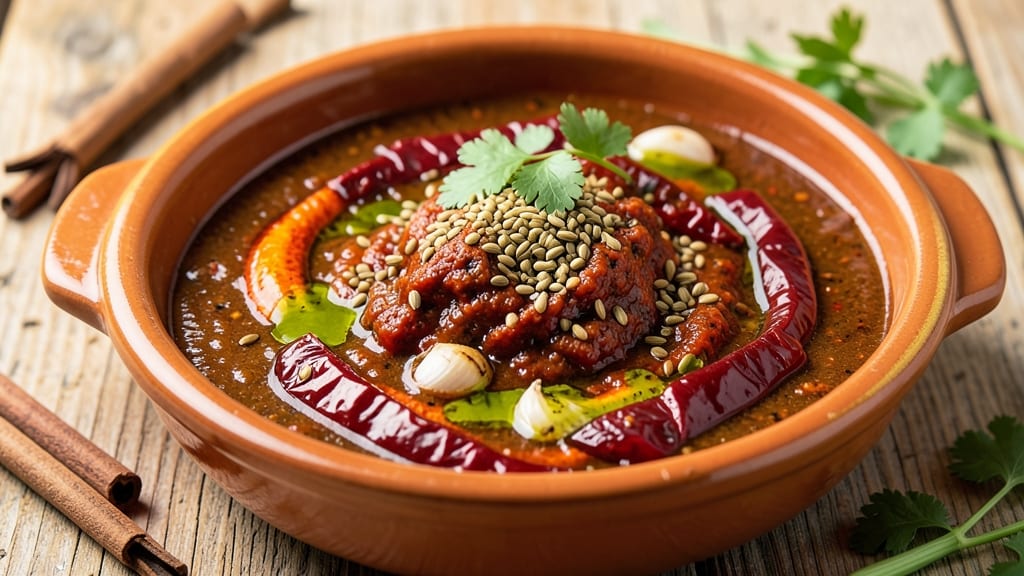
This Moroccan sauce recipe delivers bold, aromatic harissa and cumin richness that transforms ordinary dishes into restaurant-quality meals in minutes. The blend of roasted red peppers, garlic, and warm spices creates a versatile sauce that works as a marinade, dipping sauce, or finishing touch.
I developed this version after testing dozens of recipes, focusing on achieving that perfect balance of heat and depth without overwhelming the dish.
The secret lies in toasting whole spices like cumin and coriander seeds before blending them into the sauce, which unlocks their natural oils and intensifies their flavor. Fresh harissa paste adds the signature North African heat, while a touch of lemon juice brightens the richness.
This sauce comes together in just 10 minutes with simple ingredients you likely already have on hand.
What you'll end up with is a vibrant, slightly spicy sauce with a velvety texture that clings beautifully to grilled meats, roasted vegetables, or couscous. The aroma alone will transport you to a Moroccan marketplace, while the flavor delivers that perfect balance of smoky, spicy, and slightly sweet notes.
It's the kind of sauce that elevates simple ingredients into something extraordinary.
Store any leftovers in an airtight container in the refrigerator for up to 5 days, or freeze for 3 months to use whenever you crave that Moroccan flavor punch. Let's get started on creating this versatile sauce that will become a staple in your kitchen.
Ingredients for moroccan sauce
Ten simple ingredients transform into Moroccan magic with just minutes of blending.
| Ingredient | Amount | Notes |
|---|---|---|
| Fresh Harissa Paste 🌶️ | ½ cup | High-quality, smoky heat source |
| Extra-Virgin Olive Oil 🫒 | ½ cup | Light, fruity variety preferred |
| Roasted Red Peppers 🍅 | ½ cup | Jarred, chopped for convenience |
| Whole Cumin Seeds 🌿 | 1 ½ tbsp | Toasted for maximum aroma |
| Whole Coriander Seeds 🌿 | 1 tbsp | Toasted alongside cumin |
| Garlic Cloves 🧄 | 4 cloves | Peeled, rough chopped |
| Fresh Lemon Juice 🍋 | 2 tbsp | Brightens the sauce |
| Ground Cinnamon 🌿 | ½ tsp | Warmth without overpowering |
| Sea Salt 🧂 | ½ tsp | Fine grain preferred |
| Fresh Ginger 🧅 | 1 tbsp | Grated, for subtle kick |
The harissa paste is everything here—look for fresh or high-quality jarred at Middle Eastern markets or specialty stores like Whole Foods. If you can't find it, Penzeys Spices sells a great paste online. Toasting the whole spices (cumin and coriander) in a dry pan for 30 seconds unlocks their flavor—don't skip this step. The roasted red peppers add natural sweetness, so grab a jar of San Marzano-style if you can. Fresh ginger is ideal, but powdered works in a pinch if you're short on time.
No harissa? Substitute 1 tbsp cayenne plus 1 tbsp smoked paprika, but you'll lose that authentic depth. Short on cumin? Double the coriander seeds for a similar earthy note. The lemon juice can be bottled, but fresh makes a world of difference—Trader Joe's sells great organic lemons for a good price. For extra richness, add 1 tbsp tahini to the blend. The sauce thickens as it sits, so add a splash of water if needed to reach your desired consistency.
This sauce keeps beautifully—5 days in the fridge or 3 months frozen. I like to freeze it in ice cube trays for easy single-use portions. The flavor actually improves overnight as the spices meld. If you're using it as a marinade, 2-4 hours is plenty—no need to soak meats overnight. The sauce pairs perfectly with grilled chicken, lamb, or even roasted sweet potatoes.
Why You'll Love This Recipe
- Foolproof Pantry Magic: I swear by this sauce because it’s all about what you already have—no last-minute grocery runs. Toast the whole cumin and coriander seeds in the same pan you’ll cook the sauce, then grind them fresh with a mortar and pestle (or pulse in a spice grinder). That smoky aroma? Instant flavor without extra effort.
- Heat Meets Sweet: The harissa paste gives it that signature kick, but the roasted red peppers soften it into something ridiculously balanced—not just spicy, but rich and slightly sweet. Drizzle in that extra-virgin olive oil at the end? It rounds everything out like a hug from a Moroccan chef.
- Weeknight to Dinner Party: Between us, this sauce turns my sad Tuesday chicken into a showstopper for guests. Slather it on grilled fish, toss it with couscous, or even dollop it on toast with feta. The best part? It doubles easily, so I always have backup for when my kids "accidentally" eat the leftovers first.
- No-Waste Goldmine: I make a big batch and freeze half—it’s my secret for lazy Fridays. The flavors actually deepens after a few days in the fridge, and the olive oil keeps it from drying out. Plus, using whole spices instead of ground means I save money and get way more aroma per penny.
Step-by-step instructions for Moroccan sauce
This vibrant sauce comes together in minutes with bold spices and bright flavors.
Toast the Whole Spices
Heat a small dry skillet over medium heat. Add the 1.5 tablespoons whole cumin seeds and 1 tablespoon whole coriander seeds. Toast them for 2-3 minutes, stirring constantly, until they release their fragrant aroma and begin to turn a deeper golden color. You'll see them dance around the pan and smell an earthy, citrusy warmth—this is your signal they're ready.
Transfer the toasted seeds immediately to a small bowl and let them cool slightly. This quick toasting enhances their flavor without burning them. If you notice any seeds popping or smoking, remove the pan from heat right away—over-toasting makes them bitter.
Grind the Spices and Prepare Aromatics
While the spices cool, use a spice grinder or mortar and pestle to grind them into a fine powder. You should end up with about 2 teaspoons of ground spice mixture. In the same skillet (no need to clean it—the browned bits add flavor), add the 0.5 cup extra-virgin olive oil over medium heat.
Once the oil is shimmering but not smoking, add the 4 cloves rough chopped garlic and 1 tablespoon grated fresh ginger. Cook for 1-2 minutes until the garlic turns golden and fragrant—this prevents the raw garlic taste from overpowering the sauce. Watch carefully; garlic burns quickly and turns bitter.
Build the Sauce Base
Reduce heat to low and stir in the 0.5 cup roasted red peppers and 0.5 cup fresh harissa paste. Let the mixture simmer gently for 5 minutes, stirring occasionally. You'll see the sauce thicken slightly and develop a deep, smoky aroma. This is where all the flavors begin to meld together—don't rush this step.
Add the 0.5 teaspoon ground cinnamon and 0.5 teaspoon sea salt, stirring to combine. The cinnamon adds warmth while the salt balances the heat from the harissa. Taste the mixture now—it should be rich and spicy but not overwhelming. If it's too strong, you can adjust later with lemon juice.
Finish with Brightness
Remove the skillet from heat and stir in the 2 tablespoons fresh lemon juice. The acidity brightens all the flavors and cuts through the richness of the oil. Return the pan to low heat and let the sauce simmer for another 2-3 minutes, stirring occasionally. The sauce should coat the back of a spoon with a glossy sheen—this indicates it's reached the perfect consistency.
Taste again and adjust seasoning if needed. You might want to add a pinch more salt or another splash of lemon juice to balance the flavors. For serving, you can leave the sauce slightly chunky or blend it briefly for a smoother texture. This versatile sauce pairs beautifully with grilled meats, roasted vegetables, or even as a dip for crusty bread.
Pro Tips For Making Moroccan Sauce
- TOAST YOUR WHOLE SPICES: Toss the cumin and coriander seeds in a dry skillet over medium heat for 30 seconds—just until they smell like a Moroccan spice market. I used to grind them raw, but toasting deepens their flavor without burning them (yes, even if you're impatient like me).
- SLOW-SIMMER THE HARISSA: Add the harissa paste to the oil after the peppers and spices have cooked for 2-3 minutes. Let it bloom on low heat for at least 5 minutes, stirring often—this prevents a bitter, raw taste. I learned this the hard way after making sauce that tasted like spicy soap.
- BLEND WITH LIQUID FIRST: Mix the roasted red peppers with a splash of water or broth before blending. This creates a smoother, more stable sauce and prevents the harissa from turning into a thick, clumpy paste. Sounds weird, but it works—your future self will thank you.
- STRAIN FOR SILKY TEXTURE: If you want a refined sauce, strain it through a fine-mesh sieve after blending. The extra effort removes seeds and skin, giving you a velvety consistency perfect for drizzling or pairing with delicate dishes. I skip this when I'm lazy, but the dish is noticeably better when I don't.
Troubleshooting great moroccan sauce
Overly Strong Heat
If your sauce tastes too spicy, don’t panic—this is easily fixed. Start by adding 1-2 tablespoons of extra-virgin olive oil to dilute the heat while keeping the sauce rich. For a more dramatic adjustment, stir in 1-2 teaspoons of honey or maple syrup to balance the harissa’s intensity.
I’ve found that ½ cup plain yogurt also works wonders, adding creaminess and cooling the heat without altering the sauce’s core flavors. 🌶️
Sauce Too Thin
If your sauce ends up too watery, simmer it uncovered over low heat for 5-10 minutes to reduce the liquid. For a quicker fix, mix in 1-2 teaspoons of cornstarch or arrowroot powder dissolved in 1 tablespoon cold water and stir until thickened.
If you prefer a natural thickener, blend in 2-3 tablespoons of tahini, which adds creaminess and nutty depth. Avoid over-reducing—you want the sauce to coat the back of a spoon, not turn into a paste.
Spices Too Bitter
Over-toasted spices are the usual culprit here. Next time, toast your cumin and coriander seeds for no more than 2 minutes—they should smell fragrant but not burnt. If it’s already happened, add ½ teaspoon of ground cinnamon or cardamom to mask the bitterness with warmth.
A splash of fresh lemon juice also brightens the flavor profile and cuts through any harsh notes. Trust me, this trick works like magic. 💡
Harissa Unavailable
No harissa? No problem. Substitute with 1 tablespoon cayenne pepper plus 1 tablespoon smoked paprika for heat, but you’ll lose the smoky depth. For a closer match, blend ½ cup roasted red peppers, 1 teaspoon turmeric, and ½ teaspoon fenugreek into a paste—this mimics harissa’s complexity.
If you’re in a pinch, 1-2 teaspoons of hot sauce (like Cholula) adds heat, though it won’t replicate the authentic Moroccan flavor. Adjust to taste!
Sauce Separates
This happens when the oil and water-based ingredients don’t emulsify properly. To fix it, whisk in 1 tablespoon of cold water or lemon juice while blending briefly with an immersion blender. For a smoother texture, strain the sauce through a fine-mesh sieve to remove any separated oil.
To prevent separation next time, ensure your harissa paste is well-mixed and avoid adding too much liquid at once. A quick fix is also to stir in 1 teaspoon of Dijon mustard—it acts as a natural emulsifier. ✨
Lacks Depth
If your sauce tastes flat, it might need more aromatic complexity. Boost the flavor by adding ½ teaspoon of ground turmeric or 1 teaspoon of fenugreek for earthiness. A pinch of ground cloves or allspice adds warmth, while a splash of orange blossom water (1-2 drops) lifts the profile.
For a smoky touch, stir in ½ teaspoon of liquid smoke. These tweaks elevate the sauce from good to extraordinary without overpowering it.
Nutrition facts
Frequently asked questions
What's the best way to store leftover Moroccan sauce?
Keep your sauce fresh by storing it in an airtight container in the refrigerator for up to 5 days. For longer storage, freeze it in ice cube trays for easy single-use portions—it keeps well for 3 months. The flavors actually deepen overnight as the spices meld together.
Can I make this sauce without fresh harissa?
If you can't find fresh harissa, substitute with 1 tablespoon cayenne plus 1 tablespoon smoked paprika for heat. For a closer flavor match, blend ½ cup roasted red peppers, 1 teaspoon turmeric, and ½ teaspoon fenugreek into a paste. These alternatives work well, though they won't perfectly replicate the authentic smoky depth.
How can I adjust the heat level in this sauce?
To mellow the heat, stir in 1-2 tablespoons of olive oil or ½ cup plain yogurt to dilute the spice. For a sweeter balance, add 1-2 teaspoons of honey or maple syrup. If your sauce is too mild, increase the harissa to ⅔ cup or add a pinch of cayenne. Always taste as you go!
What are the best dishes to pair with this Moroccan sauce?
This versatile sauce elevates grilled meats like chicken or lamb, but it also works beautifully with roasted vegetables, couscous, or even as a dip for warm pita bread. Try drizzling it over shawarma wraps or using it as a marinade for 2-4 hours before cooking. The possibilities are endless!
Why should I toast the whole spices before grinding?
Toasting the cumin and coriander seeds for 2-3 minutes unlocks their natural oils and intensifies their aroma—this step makes all the difference! The seeds should smell fragrant but not burnt. Skipping this creates a much milder, less complex sauce. It's worth the extra 5 minutes of effort for that authentic Moroccan depth.