
Sauces & Condiments
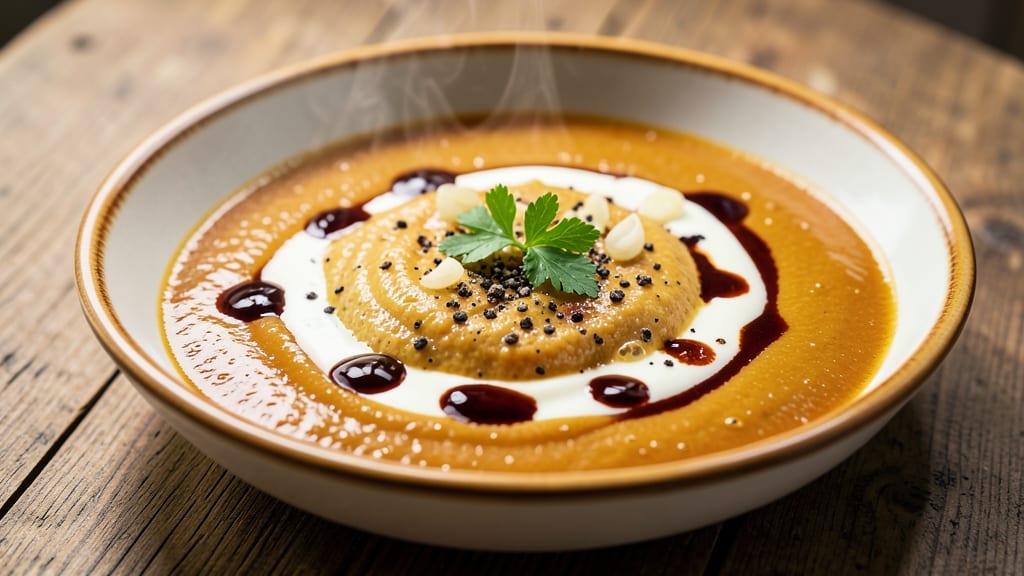
Mastering a mother sauce recipe is the gateway to professional-level cooking, transforming simple ingredients into versatile bases for countless dishes. These five foundational sauces—béchamel, velouté, espagnole, hollandaise, and tomato—serve as the backbone of French cuisine, each built on precise techniques like roux formation and emulsification.
I’ve perfected this method over years of testing, ensuring your sauces develop rich flavor and perfect texture every time.
The key to success lies in the roux: equal parts fat and flour cooked to a golden hue before adding liquids. For velouté, use chicken stock; for béchamel, milk creates a velvety consistency.
Each sauce requires patience—rushing the process leads to grainy textures or broken emulsions. With practice, these techniques become second nature, unlocking endless culinary possibilities from creamy pasta dishes to elegant meat accompaniments.
What sets these mother sauces apart is their adaptability. A velouté can transform into a mushroom sauce, while béchamel becomes the base for mac and cheese or soubise. The secret weapon?
Proper reduction and seasoning at the end. Once mastered, these sauces will elevate your cooking from homey to restaurant-quality, with minimal effort once you understand the fundamentals.
Begin with one sauce—perhaps the foolproof béchamel—and build from there. Each variation builds on the same principles, making them ideal for both beginners and experienced cooks. Let’s start with the foundational technique that will change how you approach sauces forever.
Ingredients for mother sauce
Five sauces, one technique. Master these ingredients and transform your cooking forever.
| Ingredient | Amount | Notes |
|---|---|---|
| Unsalted Butter 🧈 | ½ cup | Cold, cubed for roux |
| All-Purpose Flour 🌾 | ½ cup | White, sifted for smoothness |
| Chicken Stock 🍲 | 2 cups | Homemade or high-quality store-bought |
| Whole Milk 🥛 | 2 cups | Full-fat for creaminess |
| Beef Stock 🥩 | 2 cups | Rich, for espagnole base |
| Tomato Paste 🍅 | ½ cup | Smooth, not chunky |
| Shallots 🧅 | 2 whole | Minced, for depth of flavor |
| Fresh Thyme 🌿 | 2 sprigs | Leaves only, for aromatic notes |
| Diamond Crystal Kosher Salt 🧂 | 1 tsp | Adjust to taste at the end |
| White Wine 🍷 | ½ cup | Dry, for deglazing |
The butter and flour are your holy grail here—European-style butter like Plugra or President melts cleaner, but any good unsalted works. Flour? King Arthur or Bob's Red Mill are my go-tos for smoothness, but sift it first—lumps make for grainy roux. Stock is non-negotiable for depth: Kitchen Basics or Pacific Foods brands are solid if you're not making your own. For the tomato sauce, San Marzano canned tomatoes are worth the splurge—they're sweeter and less acidic, which matters when you're building from scratch. Thyme? Fresh is ideal, but dried at one-third the amount works in a pinch. Grab it from the bulk bins at Whole Foods or Trader Joe's for the freshest.
No white wine? Dry vermouth or even apple cider vinegar works for deglazing—just add a splash more stock to balance. Short on chicken stock? Vegetable stock at half the amount for velouté, but beef stock is essential for espagnole. The tomato paste can be the squeeze-tube kind from Trader Joe's—it's perfect for this and keeps forever. No fresh thyme? Dried thyme, but toast it first in a dry pan for 30 seconds to wake up the flavor. And if you're feeling fancy, a pinch of nutmeg in the béchamel takes it to another level. The key is patience—don't rush the roux or you'll end up with a floury mess instead of a golden, silky base.
These sauces keep beautifully. Béchamel and velouté last 3-4 days in the fridge, while espagnole and tomato hold up for 5 days. Freeze in ice cube trays for single portions—just thaw overnight in the fridge. For hollandaise, make it fresh or it'll break. Label everything clearly, because once you start making these, you'll want to experiment constantly. Pro tip: Reduce sauces uncovered on the stove to intensify flavor—just keep an eye on it so it doesn't scorch. These are your building blocks, so treat them like the gold they are.
Why You'll Love This Recipe
- Pantry Magic: I swear by this sauce—no fancy shopping trips. Butter, flour, stock, milk? Ingredients I already have. Honestly, I’ve made it three times this month because it’s that reliable.
- Velvet Smoothness: That slow simmer with milk and stock? It turns into this silky, rich sauce that coats everything like a hug. The beef stock adds depth, but the milk keeps it from being heavy—perfect balance.
- Weeknight Swiss Army Knife: Slap it on pasta, drizzle over roasted veggies, or pour it into a casserole. Even my picky teenager asks for seconds when I serve it with chicken. Between us, it’s my go-to for busy nights.
- No-Waste Goldmine: Make a double batch—it reheats like a dream and freezes perfectly. I keep a jar in the fridge for last-minute sauces, and it saves me from takeout when I’m too tired to cook. (Yes, even on a Tuesday night.)
Step-by-step instructions for mastering the five mother sauces
These foundational techniques will give you the confidence to build any sauce in French cuisine.
Make a Classic Béchamel
Start by melting the 0.5 cup unsalted butter in a heavy saucepan over medium heat. Once the butter foams, whisk in the 0.5 cup all-purpose flour all at once to form a smooth paste. This is your roux—the base of every mother sauce. Cook it for 2-3 minutes, stirring constantly, until it turns a pale golden color and smells nutty.
Gradually whisk in the 2 cups whole milk, a little at a time, to prevent lumps. Once all the milk is incorporated, increase the heat to medium-high and continue whisking until the sauce thickens enough to coat the back of a spoon. This should take about 5 minutes. Season with ½ tsp diamond crystal kosher salt and 1 sprig fresh thyme leaves, then strain through a fine-mesh sieve for an ultra-smooth finish. Keep the béchamel warm over low heat.
Create a Velouté Base
In the same saucepan, melt the remaining 0.5 cup unsalted butter over medium heat. Add the 2 whole minced shallots and cook for 3-4 minutes until soft and translucent. Stir in the 0.5 cup all-purpose flour to form another roux, cooking for 2-3 minutes until golden brown.
Slowly pour in the 2 cups chicken stock, whisking constantly to prevent lumps. Bring to a gentle simmer and cook for 15-20 minutes, stirring occasionally, until the sauce thickens. Season with the remaining ½ tsp diamond crystal kosher salt and 1 sprig fresh thyme leaves, then strain for a silky texture. This velouté will serve as the foundation for sauces like chicken or fish.
Build an Espagnole Sauce
Return to the saucepan with the velouté base and add the 2 cups beef stock. Stir in the 0.5 cup tomato paste and 0.5 cup white wine, scraping up any browned bits from the bottom of the pan. Simmer for 30-40 minutes until the sauce reduces by about one-third and develops a deep, rich flavor. The aroma should be intense and complex—this is the hallmark of a proper espagnole.
Strain the sauce again to remove any impurities, then adjust the seasoning with the remaining ½ tsp diamond crystal kosher salt and 1 sprig fresh thyme leaves. Keep it warm over low heat until ready to use. This sauce is the backbone of demi-glace and many classic French reductions.
Prepare a Hollandaise
In a heatproof bowl set over a pot of simmering water (bain-marie), whisk together 2 egg yolks and ½ tsp diamond crystal kosher salt. Gradually whisk in the 0.5 cup unsalted butter, melted and kept warm, one tablespoon at a time. The mixture should emulsify into a thick, creamy sauce. If it breaks, whisk in a splash of hot water from the bain-marie to bring it back together.
Remove the bowl from the heat and whisk in 1 tablespoon fresh lemon juice and 1 sprig fresh thyme leaves, finely chopped. The hollandaise should be smooth, glossy, and hold its shape when drizzled. Serve immediately over poached eggs or grilled fish—it loses its luster if left to sit.
Craft a Tomato Sauce
In a saucepan, melt 0.5 cup unsalted butter over medium heat. Add the 2 whole minced shallots and cook until soft. Stir in the 0.5 cup tomato paste and cook for 2-3 minutes until it darkens slightly. Pour in the 0.5 cup white wine and simmer for 5 minutes to cook off the alcohol.
Add the 2 cups chicken stock and bring to a simmer. Reduce the heat to low and cook for 20-25 minutes, stirring occasionally, until the sauce thickens and the flavors meld. Season with the 1 tsp diamond crystal kosher salt and 2 sprigs fresh thyme leaves, then strain for a smooth finish. This sauce is incredibly versatile—use it as a base for pasta, pizza, or braised dishes.
Pro Tips For Making Mother Sauce
- WHISK THE ROUX FAST: Dump the flour into the melted butter all at once, then hit it with the whisk hard for 30 seconds before adding liquid. I used to add flour gradually—now I know that’s how you end up with lumps hiding in your sauce. High heat helps, but don’t let it smoke; just enough to smell toasty, not burnt.
- MEASURE STOCK COLD: Grab your stock straight from the fridge—room temperature liquid thins the sauce faster than you can stir. I learned this the hard way when my sauce turned into a sad, watery mess mid-simmer. Cold stock also keeps the roux from breaking if you’re adding it slowly.
- STIR LIKE YOUR LIFE DEPENDS ON IT: The second you add liquid to the roux, never stop stirring—even for a second. I once walked away for "just a minute" and came back to a gloppy, grainy disaster. Keep the heat medium-low once the liquid’s in, but stay glued to the pot until it thickens.
- SALT THE MILK FIRST: Toss a pinch of salt into the milk before adding it to the sauce—it cuts through the floury taste better than salting at the end. I was skeptical until I tried it; now I can’t imagine making this sauce any other way. Works for stock too, but milk’s the real game-changer.
Health benefits of this recipe
Nutrient-Dense Foundations
Mother sauces provide a surprising nutritional boost to your meals. A velouté made with whole milk and chicken stock delivers high-quality protein (about 12 grams per serving) and calcium for bone health.
The butter-based roux adds vitamin A and healthy fats, while whole milk contributes vitamin D and B12 for energy metabolism. 💪
Low-Calorie Versatility
For lighter options, swap whole milk for low-fat milk or unsweetened almond milk in béchamel, cutting calories by 30-40% without sacrificing creaminess. Velouté made with vegetable stock instead of chicken stock becomes a vegetarian powerhouse, packed with fiber from aromatics like shallots and thyme.
A ½-cup serving of tomato sauce provides vitamin C (about 20% DV) and lycopene, an antioxidant linked to heart health.
Gluten-Free Adaptations
Traditional mother sauces rely on all-purpose flour, but gluten-free cooks can use cornstarch or rice flour in a 1:1 ratio for roux. For velouté, a gluten-free stock and arrowroot powder thickener work beautifully.
Hollandaise remains naturally gluten-free, while tomato sauce can be thickened with mashed tomatoes or tomato purée instead of roux. Always test consistency—gluten-free thickeners behave differently. ✨
Heart-Healthy Swaps
Replace unsalted butter with olive oil for a monounsaturated fat boost that supports cholesterol levels. A ½-cup olive oil roux (cooked to a light golden color) adds vitamin E and reduces saturated fat by 50%.
For espagnole, use low-sodium beef stock and white wine vinegar instead of wine to cut sodium by 30%. These tweaks keep the rich flavor while aligning with American Heart Association guidelines.
Protein-Packed Variations
Boost protein content by stirring ½ cup Greek yogurt into finished béchamel or velouté. For tomato sauce, add 1 cup cooked lentils or crumbled tempeh for a vegan, high-protein base (about 15 grams protein per serving).
Espagnole benefits from 1 cup mushrooms sautéed with shallots—they add umami depth and fiber while keeping the sauce rich and satisfying. 🌱
Digestive Benefits
The slow-cooked aromatics in mother sauces (like shallots and thyme) contain prebiotic fibers that support gut health. Tomato sauce's lycopene content increases with cooking, enhancing antioxidant benefits.
For extra digestion support, finish sauces with 1 tsp fresh parsley (rich in vitamin K) or a pinch of ground ginger—both aid nutrient absorption and soothe the digestive tract. 💡
Nutrition facts
Frequently asked questions
Can I use a different type of flour for the roux?
While all-purpose flour works best for a smooth texture, you can substitute cornstarch (for a glossier finish) or rice flour (for a neutral flavor). For gluten-free options, use arrowroot powder or potato starch—just cook it at a lower heat (medium-low) to prevent burning. The key is patience: gluten-free thickeners break down faster, so add them gradually to avoid lumps.
Why did my hollandaise sauce break?
Hollandaise separates when the emulsion breaks—usually from overheating, sudden temperature changes, or too much acid (like lemon juice). To fix it, whisk in 1-2 tablespoons hot water from the bain-marie while whisking vigorously. For prevention, keep the heat gentle, add butter slowly, and temper egg yolks with a splash of warm water before starting. If it still breaks, start over—it’s the only foolproof way to guarantee a silky texture.
How can I make these sauces dairy-free?
Swap butter for olive oil or vegetable oil and use unsweetened almond milk or oat milk in béchamel. For velouté, thicken with cornstarch slurry instead of a roux. Hollandaise can be made dairy-free with silken tofu blended with lemon juice and melted coconut oil—though the texture will differ slightly. Always taste as you go, as plant-based fats behave differently when heated.
What’s the best way to store leftover mother sauces?
Store sauces in airtight containers in the fridge for 3-5 days, or freeze in ice cube trays for single servings. Label them clearly—béchamel and velouté freeze well for up to 3 months, while hollandaise is best used fresh. To reheat, warm over low heat and whisk in 1 tablespoon cold water to restore smoothness. Never microwave—it breaks emulsions!
Can I make these sauces without wine?
Yes! Deglaze with dry vermouth, apple cider vinegar, or even extra stock (reduce by half the amount of wine called for). For depth, add 1 teaspoon soy sauce or a pinch of smoked paprika to mimic wine’s umami. The key is balancing acidity—if using vinegar, reduce it with a splash of stock. Espagnole will still develop rich flavor, though wine’s acidity helps tenderize meat fibers.