
Sauces & Condiments
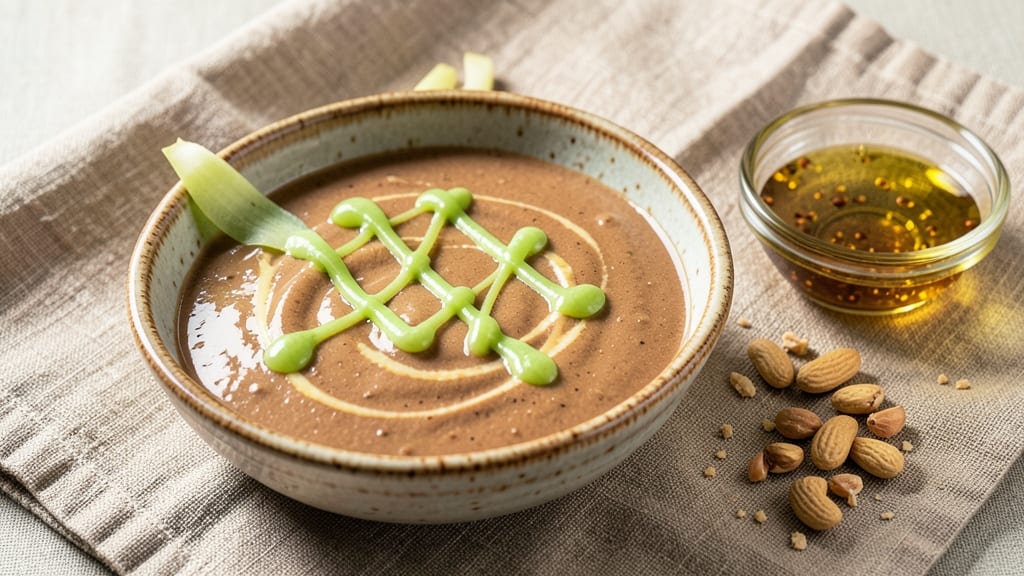
A creamy penut sauce recipe turns ordinary ingredients into a luxurious dip or dressing that brings depth to any dish. The blend of creamy peanut butter, coconut milk, and aromatic spices creates depth that store-bought versions can't match.
I developed this version after testing countless combinations—it’s the one that sticks around in my fridge for days.
The beauty of this sauce lies in its versatility and foolproof method. You’ll combine just six ingredients in a blender, then adjust the balance of tangy lime, savory soy sauce, and sweet honey to suit your taste.
The result is a smooth, slightly thick sauce with a perfect balance of nuttiness and umami—ideal for dipping, marinating, or drizzling over dishes.
What makes this recipe stand out is how it delivers restaurant-quality flavor without specialty ingredients. The coconut milk adds creaminess while keeping it light, and the spices—ginger, garlic, and a pinch of chili—bring layers of warmth.
It’s a game-changer for weeknight meals, and the best part? It keeps well in the fridge for up to five days.
Use it as a satay sauce for grilled meats, a dressing for salads, or a dipping sauce for spring rolls. The possibilities are endless, and the process is simple enough for anyone to master. Let’s make this sauce!
Ingredients for penut sauce
Six simple ingredients transform into a velvety peanut sauce with restaurant-quality depth.
| Ingredient | Amount | Notes |
|---|---|---|
| Creamy Peanut Butter 🥜 | ¾ cup | Natural, unsweetened variety |
| Coconut Milk 🥥 | ½ cup | Full-fat canned for creaminess |
| Lime Juice 🍋 | ¼ cup | Freshly squeezed, seeds removed |
| Soy Sauce 🍶 | 2 tbsp | Tamari for gluten-free option |
| Maple Syrup 🍯 | 2 tbsp | Pure grade B for depth |
| Fresh Ginger 🌿 | 1 tbsp | Finely grated, aromatic |
| Garlic Cloves 🧄 | 2 cloves | Peeled, minced for aroma |
| Red Chili Flakes 🌶️ | ½ tsp | Adjust for heat preference |
| Water 💧 | ¼ cup | For blending consistency |
The peanut butter is the foundation—natural, unsweetened varieties (like Smucker's or Jif) work best, as they avoid added oils or sugars that can alter the balance. For coconut milk, full-fat canned brands like Goya or Thai Kitchen deliver the richest texture. Fresh ginger and garlic are non-negotiable here; pre-minced jarred ginger lacks the vibrant punch, but if you're short on time, a 1-tbsp jarred ginger paste (like Annie's) works in a pinch. Look for organic lime juice at the store—it's brighter and more flavorful than conventional options, especially brands like Simply Lime. The red chili flakes should be freshly ground for maximum heat; store-bought blends often taste stale.
No soy sauce? Coconut aminos provide a similar umami kick without gluten. Short on lime juice? Substitute lemon juice at the same amount, though the flavor profile shifts slightly. The maple syrup can be swapped for agave nectar if you prefer a neutral sweetness, but grade B maple adds a caramel-like depth that's hard to replicate. For the peanut butter, sunflower seed butter works as a nut-free alternative, though the flavor will differ. If your sauce is too thick after blending, add 1-2 tbsp water until it reaches a smooth, pourable consistency—this is especially useful when using powdered peanut butter (like PB2). The water also helps emulsify the sauce for a silky texture.
This sauce keeps beautifully in an airtight glass jar in the fridge for up to 5 days, though I find it tastes even better after flavors meld overnight. For longer storage, portion into ice cube trays, freeze, then transfer to a bag—perfect for quick use in stir-fries or marinades. If you notice separation after refrigeration, simply whisk or blend briefly to restore smoothness. The sauce thickens as it cools, so reheat gently in a saucepan or microwave until warmed through. Leftovers make fantastic glazes for tofu or tempeh, or drizzled over steamed veggies for extra richness.
Why You'll Love This Recipe
- Five-Ingredient Magic: I swear, this sauce is the kind of recipe where you look at the pantry and think, "I already have this?" Just blend peanut butter, coconut milk, a squeeze of lime, a dash of soy sauce, and a drizzle of maple syrup—no fancy techniques, no last-minute grocery runs.
- Umami Bomb: That soy sauce and lime combo? It’s the secret weapon. The peanut butter gives it richness, the coconut milk keeps it silky, and the lime cuts through it all—like a bright, salty, sweet hug in every bite. Honestly, I’ve never met a peanut sauce that balances all four flavors this well.
- Dinner Party Hero: Slap this on grilled chicken, noodles, or even a simple salad, and suddenly you’ve got a dish that feels restaurant-quality. It’s the kind of sauce that makes weeknight dinners feel special without the fuss—because who says fancy meals need to be complicated?
- Leftovers That Don’t Suck: Between us, most sauces turn into sad, watery messes after a day. Not this one. The coconut milk and peanut butter keep it thick and delicious for at least three days in the fridge—perfect for batch cooking or meal prep when you’d rather not slave over the stove twice.
Step-by-step instructions for penut sauce recipe
Here's how to blend these simple pantry staples into a rich, balanced sauce with perfect texture.
Prepare the Aromatics
In a small saucepan over medium heat, combine the 2 cloves garlic cloves and 1 tablespoon fresh ginger with the 0.25 cup water. Let them simmer for 3-4 minutes until the garlic becomes fragrant and the ginger softens slightly. You'll notice the mixture releases its oils and fills your kitchen with a warm, spicy aroma.
This step develops the sauce's aromatic foundation. If the garlic starts to brown too quickly, reduce the heat to low to prevent bitterness. The water helps create a smooth base for blending later, so don't skip this essential step.
Combine Wet Ingredients
Transfer the garlic-ginger mixture to a blender or food processor. Add the 0.75 cup creamy peanut butter, 0.5 cup coconut milk, 0.25 cup lime juice, 2 tablespoons soy sauce, and 2 tablespoons maple syrup. Secure the lid and blend on medium speed for 30 seconds to break up the peanut butter.
Stop and scrape down the sides with a spatula to ensure all ingredients are incorporated evenly. The peanut butter should begin to emulsify with the coconut milk, creating a thick, creamy base. If the mixture looks too thick, add 1 tablespoon water at a time until you achieve a smooth, pourable consistency.
Blend Until Smooth and Silky
Increase the blender speed to high and blend for 1-2 minutes until completely smooth. The sauce should have a velvety texture with no visible lumps. Taste and adjust seasoning if needed—add more soy sauce for saltiness, lime juice for acidity, or maple syrup for sweetness.
This is where the magic happens. The high-speed blending emulsifies the peanut butter and coconut milk into a stable, glossy sauce. If the sauce separates after blending, simply pulse again for 10 seconds to recombine. The final texture should be thick enough to coat the back of a spoon but still pourable.
Incorporate Heat and Finish
Return the blended sauce to the saucepan and place it over low heat. Stir in the 0.5 teaspoon red chili flakes and let the sauce warm through for 2-3 minutes, stirring constantly. The heat will enhance the flavors and slightly thicken the sauce as it reduces.
Taste again and make any final adjustments. The sauce should now have a perfect balance of sweet, salty, tangy, and spicy flavors. If it's too thick for your application, thin it with additional water, 1 tablespoon at a time. For a glossier finish, drizzle in 1 teaspoon coconut milk and stir vigorously.
Pro Tips For Making Penut Sauce
- STIR CONSTANTLY LOW: Start on medium-low heat and keep that spoon moving—peanut butter and coconut milk will seize up if you let them sit. I learned this the hard way when my first batch turned into a grainy, lumpy mess that looked like peanut butter pudding gone wrong.
- USE FRESH LIME: That bottled lime juice? Skip it. The acidity fades fast, and your sauce will taste flat. Roll the lime first, then strain the juice—no pulp, no bitterness, just bright flavor that actually cuts through the richness. (Yes, even if you’re impatient like me.)
- TEMPER THE PEANUT BUTTER: Cold peanut butter straight from the fridge is a nightmare to blend smoothly. Let it sit at room temp for 10 minutes first—just enough to soften it without turning it greasy. Trust me, your sauce will be silky instead of clumpy.
- SALT THE COCONUT MILK: Unsalted coconut milk? Add a pinch of salt—yes, even if the can says "lightly salted." The soy sauce brings its own saltiness, and you’ll end up with a sauce that tastes bland instead of balanced. Taste as you go; adjust before adding the lime.
Pro cooking tips for this dish
Blend Consistency
Peanut butter can be stubborn in blenders—pulse on medium speed for 30 seconds before increasing to high. This breaks up clumps and ensures smooth emulsification with the coconut milk. I use a Ninja BN601 blender because its powerful motor handles peanut butter without overheating.
If your sauce still looks grainy, add 1 tablespoon water and blend for another 10 seconds. 🥜
Temperature Control
Warming the sauce on low heat after blending prevents curdling from sudden temperature changes. I recommend using a small stainless steel saucepan—it distributes heat evenly and won’t scorch the sauce.
If you notice the sauce separating while heating, immediately remove it from heat and whisk vigorously before returning to low. The goal is to gently thicken, not boil.
Emulsification Secrets
The key to a silky texture lies in the water-to-oil ratio. The ¼ cup water in the aromatics helps disperse the peanut butter’s oils evenly. For extra insurance, add ½ teaspoon xanthan gum (a stabilizer) when blending—it’s a game-changer for preventing separation.
If your sauce still splits, whisk in 1 teaspoon coconut milk to restore creaminess. 💫
Spice Balance
Adjust the red chili flakes to taste—start with ½ teaspoon and add more in ¼-teaspoon increments if you crave heat. For smoky depth, toast ¼ teaspoon smoked paprika in the saucepan before adding other ingredients.
The lime juice should brighten the sauce, but if it tastes too sharp, balance it with ½ teaspoon maple syrup. Taste as you go!
Storage Hacks
Transfer the sauce to an airtight glass jar and refrigerate—it thickens as it cools, so stir before using. To reheat, microwave in 15-second bursts, stirring between each, until warmed through.
For longer storage, freeze in 1-tablespoon portions (perfect for drizzling!). The sauce keeps its vibrant flavor for up to 5 days in the fridge or 3 months frozen. ❄️
Troubleshooting
If your sauce is too thick, thin it with warm water (not cold) to avoid clumping. For a nut-free version, replace peanut butter with sunflower seed butter—though the texture will be slightly lighter.
If the sauce separates after refrigeration, whisk or blend briefly to restore smoothness. The secret? Patience—let it sit for 5 minutes after blending before tasting. 💡
Nutrition facts
Frequently asked questions
Can I make this peanut sauce without coconut milk?
Yes, but the texture will change. Replace the ½ cup coconut milk with ½ cup full-fat Greek yogurt or ½ cup heavy cream for richness. For a dairy-free option, use ½ cup unsweetened almond milk plus 1 tablespoon olive oil—though the sauce will be lighter. The flavor remains balanced, but the creaminess will be less pronounced.
How do I adjust this sauce for spicier or sweeter preferences?
For extra heat, add ¼ teaspoon more red chili flakes or ½ teaspoon cayenne pepper. To sweeten, increase the maple syrup by 1 teaspoon at a time until balanced. For a deeper sweetness, swap 1 tablespoon maple syrup for 1 teaspoon vanilla extract. Always taste as you go—peanut sauce is highly customizable!
Why did my peanut sauce separate after refrigerating?
This happens when oils in the peanut butter separate from the liquid ingredients. Whisk or blend briefly to recombine, then reheat gently on low heat while stirring. For prevention, add ½ teaspoon xanthan gum when blending or ensure all ingredients are at room temperature before mixing. The sauce should thicken naturally when chilled.
What are the best uses for leftover peanut sauce?
Leftover peanut sauce is incredibly versatile! Use it as a marinade for grilled chicken or tofu, a dressing for spring rolls or salads, or a dip for fresh veggies or crackers. It also works as a glaze for roasted Brussels sprouts or sweet potatoes. Freeze extras in 1-tablespoon portions for easy drizzling over dishes later.
Can I make this sauce with powdered peanut butter?
Yes, but you’ll need to adjust the liquid. Use ½ cup powdered peanut butter (like PB2) and add ¼ cup extra water during blending to compensate for its dry texture. The flavor will be slightly less rich, but the sauce will still be smooth. For best results, blend on high speed for 2-3 minutes to fully emulsify.