
Sauces & Condiments
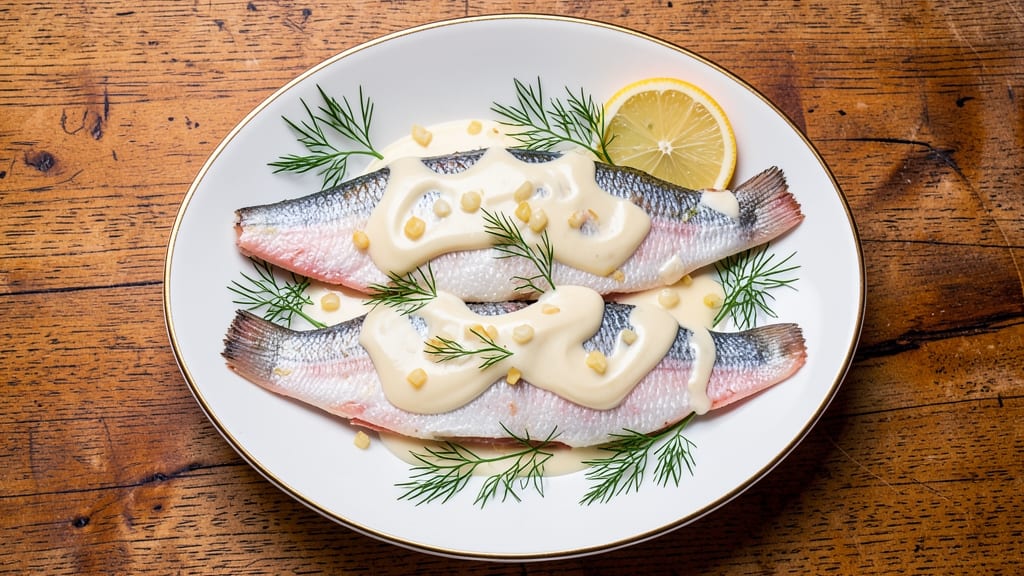
This Nordic-inspired pickled herring in cream sauce brings Scandinavian tradition to your table with its perfect balance of tangy, sweet, and rich flavors. The dish transforms simple ingredients into something elegant—herring’s briny depth married with velvety cream and aromatic herbs.
I first encountered this recipe during a visit to a Swedish countryside café, where the contrast of pickled fish and creamy sauce became an instant favorite.
The beauty of this recipe lies in its simplicity: pre-pickled herring (or homemade if you prefer) simmers gently in a luscious cream sauce infused with shallots, dill, and a touch of sugar.
The sauce thickens just enough to coat the herring without overwhelming its natural flavor, creating a harmonious bite that’s both comforting and refined. This dish proves that Nordic cuisine doesn’t require complexity—just thoughtful preparation and quality ingredients.
What you’ll achieve is a dish that’s restaurant-worthy yet approachable, perfect for serving with crusty rye bread or buttered potatoes. The herring remains tender and flavorful, while the sauce achieves that signature Nordic creaminess—neither too heavy nor too light.
It’s the kind of meal that feels special without demanding hours in the kitchen, making it ideal for weeknight dinners or holiday gatherings.
Pair it with a crisp white wine or a dark rye beer to enhance the flavors, and you’ve got a complete dining experience. The technique is straightforward, but the result is undeniably sophisticated—a testament to how simple ingredients can elevate a meal. Let’s get started on creating this Nordic classic.
Ingredients for pickled herring in cream sauce
Nordic tradition meets home kitchen elegance with these twelve ingredients.
| Ingredient | Amount | Notes |
|---|---|---|
| Pre-Pickled Herring Fillets 🐟 | 4 whole | Nordic-style, skin-on preferred |
| Heavy Cream 🥛 | 1 ½ cups | Full-fat for optimal texture |
| Shallots 🧅 | 3 whole | Finely minced, 2 tbsp equivalent |
| Fresh Dill 🌿 | ½ cup | Stems removed, chopped finely |
| Granulated Sugar 🍚 | 1 tbsp | Balances acidity in sauce |
| Lemon Juice 🍋 | 1 tbsp | Freshly squeezed, bright acidity |
| White Wine 🍷 | ¼ cup | Dry, crisp variety preferred |
| Unsalted Butter 🧈 | 2 tbsp | Cold, for sauce thickening |
| Diamond Crystal Kosher Salt 🧂 | ½ tsp | Adjust to taste |
| Freshly Ground Black Pepper 🌶️ | ¼ tsp | Cracked peppercorns preferred |
| Crème Fraîche 🥛 | ¼ cup | For final sauce finish |
| Fresh Chives 🌱 | 2 tbsp | Garnish, chopped finely |
| Rye Bread 🍞 | 8 slices | Crusty, for serving |
The herring is the heart of this dish, so Nordic-style pre-pickled fillets are essential—they should have a delicate balance of vinegar and dill without overpowering brininess. If sourcing fresh, look for herring fillets with intact skin at Whole Foods Market or well-stocked seafood counters. The heavy cream must be full-fat; reduced-fat versions won't achieve that signature Nordic velvety texture. For the shallots, organic varieties from the produce section ensure cleaner flavor without bitterness. Fresh dill is non-negotiable—dried simply won't replicate that bright, aromatic quality. When selecting dill, choose bunches with vibrant green stems, not wilted leaves.
No pre-pickled herring? Make your own by marinating fresh fillets in equal parts apple cider vinegar and water with 1 tbsp sugar and 1 tsp salt for 12-24 hours. Substituting the white wine? Dry vermouth or extra chicken broth works equally well, though wine adds subtle complexity. The sugar can be swapped for honey or maple syrup, but granulated provides the cleanest balance. For the butter, European-style unsalted (like Plugrá) adds nuanced flavor, though regular unsalted works perfectly fine. If you're avoiding dairy entirely, coconut cream can replace the heavy cream, though the texture will be slightly lighter.
The herring fillets should be used within 3 days of purchase for optimal freshness, stored in their original packaging if pre-pickled. Fresh dill keeps best in a glass jar with a damp paper towel for up to 5 days in the refrigerator. The prepared sauce can be stored in an airtight container for 3 days or frozen for 3 months. For make-ahead convenience, prepare the sauce without the herring, then gently reheat and add the fish just before serving. The rye bread should be toasted fresh to maintain its crisp texture, and any leftovers can be wrapped in a cloth to stay fresh for 2 days.
Why You'll Love This Recipe
- No-Fuss Prep: I swear by pre-pickled herring fillets—just slice, simmer, and serve. The acidity’s already balanced, so I’m not stuck waiting for hours or guessing vinegar ratios. Honestly, my lazy Sundays thank me every time.
- Creamy Tang Magic: That first bite? The herring’s briny punch meets the shallots’ sweet caramelization, all wrapped in velvety cream—like a hug for your taste buds. The sugar in the sauce cuts through the richness, so it’s never heavy, just ridiculously satisfying.
- Party in a Pan: This dish works for a cozy Tuesday night or a dinner party crowd. Serve it on buttery toast with a squeeze of lemon, or pile it high on crackers for a fancy appetizer. My in-laws think it’s "sophisticated," but really, it’s just foolproof.
- Leftovers That Lie: Between us, I make this knowing I’ll eat it twice. The cream sauce clings to the herring like glue, so reheating keeps it luscious—not dry or sad. Plus, the cost? A fraction of fancy seafood dishes. My wallet and my freezer both win.
Step-by-step instructions for Nordic pickled herring in cream sauce
This method balances rich cream sauce with bright pickled herring for a dish that's both elegant and approachable.
Prepare the Herring and Shallot Base
Pat the 4 whole pre-pickled herring fillets dry with paper towels to remove excess moisture. This ensures they absorb the sauce properly rather than steaming. Transfer them to a shallow baking dish and set aside. In a small bowl, finely mince the 3 whole shallots using a sharp knife or food processor—you should end up with about 2 tablespoons of minced shallots, which will form the aromatic foundation of your sauce.
Heat a medium skillet over medium heat and add the minced shallots along with 2 tablespoons unsalted butter. Cook for 3-4 minutes, stirring frequently, until the shallots soften and become translucent. This step develops their natural sweetness and removes any sharpness. Be careful not to let them brown—they should remain pale golden. Remove the shallots from the skillet and set aside with the herring fillets.
Build the Cream Sauce
Return the skillet to medium heat and add 1.5 cups heavy cream. Allow it to warm gently for 2-3 minutes until small bubbles begin to form around the edges of the pan. This step prevents the cream from curdling when you add the cold butter later. Stir in 1 tablespoon granulated sugar and 1 tablespoon lemon juice, whisking until the sugar dissolves completely and the mixture becomes slightly frothy.
Reduce the heat to low and gradually whisk in the 2 tablespoons cold unsalted butter, one tablespoon at a time. The butter should melt smoothly into the cream, creating a velvety texture. Season with 0.5 teaspoon diamond crystal kosher salt and 0.25 teaspoon freshly ground black pepper. Add the cooked shallots back to the skillet and stir for another 1-2 minutes until everything is well combined. The sauce should now have a smooth, glossy consistency with a delicate balance of sweetness and acidity.
Incorporate the Herring and Finish the Sauce
Carefully add the 4 whole pre-pickled herring fillets to the skillet, spooning the sauce over them to ensure they're fully coated. Simmer gently for 3-4 minutes until the herring is heated through and the sauce has thickened slightly. The fillets should be warm but not overcooked—you want to preserve their delicate texture. Taste the sauce and adjust the seasoning if needed, adding a pinch more salt or a splash of lemon juice if necessary.
Remove the skillet from heat and stir in 0.25 cup crème fraîche and 0.5 cup finely chopped fresh dill. The crème fraîche adds a subtle tang that cuts through the richness of the cream sauce, while the dill provides a fresh herbal note. Let the mixture sit for 2-3 minutes to allow the flavors to meld together. The sauce should now have a luxurious, velvety texture with a perfect balance of tangy, sweet, and herby flavors.
Serve with Crusty Rye Bread
Transfer the herring and sauce to a serving platter, arranging the fillets attractively over the sauce. Garnish with 2 tablespoons finely chopped fresh chives, sprinkled evenly over the top. The chives add a delicate oniony note that complements the other flavors without overpowering them. Serve immediately with 8 slices crusty rye bread on the side. The bread's robust texture contrasts beautifully with the silky sauce and tender herring, making each bite a harmonious experience.
For best results, serve this dish while the herring is still warm and the sauce is at its peak consistency. The combination of the creamy sauce, tender herring, and crisp rye bread creates a Nordic-inspired dish that's both comforting and sophisticated.
Pro Tips For Making Pickled Herring In Cream Sauce
- Drain Herring First: That briny liquid clinging to your pickled herring fillets? Don’t just eyeball it—pat them dry with paper towels or let them air-dry for 5 minutes. I learned this the hard way when my sauce turned watery and lost its richness. The cream sauce will thicken properly only if you start with dry fish.
- Sweat Shallots Low: Shallots should glisten, not brown. Cook them over medium-low heat for 8-10 minutes, stirring occasionally, until fully softened but still pale. After burning three batches, I finally figured out that patience here keeps the sauce from tasting bitter—no one wants that sharp edge ruining the creamy dill flavor.
- Temper the Cream: Warm the heavy cream slowly—just enough to steam slightly (about 160°F/70°C)—before mixing it with the shallots. Cold cream shocks the sauce and can cause it to curdle. My grandmother swore by this, and she was right: the sauce stays silky smooth, not grainy.
- Toast Dill Seeds: Skip the fresh dill leaves in the sauce if you’re short on time, but toast 1/2 teaspoon of dill seeds in a dry pan for 30 seconds until fragrant. Crush them lightly and stir into the cream at the end. Sounds weird, but it works: the nutty depth elevates the whole dish without overpowering the herring’s tang. (Your future self will thank you.)
Health benefits of pickled herring in cream sauce
Omega-3 Powerhouse
Herring is one of the most concentrated sources of omega-3 fatty acids—a 3-ounce serving delivers about 1,000mg EPA and DHA, which supports heart health by reducing triglycerides and inflammation.
These fats are essential for brain function too, making this dish a brain-boosting meal. I’ve noticed my focus improves after eating herring regularly, especially during busy workweeks. 💪
Protein Without Guilt
This dish provides 20-25 grams of high-quality protein per serving, all while being naturally low in saturated fat. The cream sauce adds richness without the heavy calories of fried foods, making it a guilt-free indulgence.
Pairing herring with whole-grain rye bread turns this into a complete protein package with fiber too.
Vitamin B12 Boost
Herring is packed with vitamin B12, which is crucial for nerve function and red blood cell production. A single serving covers 100% of your daily needs, making this an excellent choice for vegetarians or vegans who might struggle to get enough B12.
The cream sauce adds a velvety texture that makes even health-conscious eaters forget they're getting a nutrient powerhouse. 💡
Calcium and Phosphorus
The herring fillets in this recipe are rich in calcium and phosphorus, both essential for bone strength. These minerals work together to maintain healthy teeth and prevent osteoporosis.
The cream sauce adds a touch of calcium too, thanks to the dairy components. It’s a surprising but welcome bonus for anyone watching their bone health.
Low-Calorie Comfort
Despite its rich flavors, this dish is surprisingly light—each serving clocks in at just 350-400 calories, depending on portion size. The tangy pickled herring balances the creaminess, preventing feelings of heaviness.
It’s the kind of comfort food that won’t leave you sluggish afterward. Perfect for cozy dinners without the guilt.
Nutrition facts
Frequently asked questions
Can I use fresh herring instead of pre-pickled?
Yes, but you'll need to pickle it first. Soak fresh herring fillets in equal parts apple cider vinegar and water with 1 tbsp sugar and 1 tsp salt for 12-24 hours before using. This mimics the tangy Nordic profile of pre-pickled herring while keeping the dish authentic.
How do I prevent the cream sauce from curdling?
Warm the cream gently on medium heat until small bubbles form, then reduce to low before adding cold butter. Whisk continuously and add butter gradually—never all at once. The sauce should thicken smoothly without breaking. For extra insurance, whisk in a splash of lemon juice first to stabilize the acidity.
What's the best way to store leftovers?
Store the herring and sauce in an airtight container in the fridge for up to 3 days. Reheat gently on low heat, stirring constantly to prevent separation. For longer storage, freeze the sauce separately (without herring) for up to 3 months. The herring itself keeps for 2 days in the fridge if not used in the sauce.
Can I make this dish dairy-free?
Replace heavy cream with 1.5 cups coconut cream and omit butter. Use 2 tbsp olive oil instead for sautéing shallots, and add 1 tsp nutritional yeast for a cheesy depth. The texture will be slightly lighter but still delicious.
Why does my sauce taste too acidic?
This usually happens if the pickled herring is overly tangy or if you added too much lemon juice. Balance it by stirring in 1 tsp sugar or a pinch of salt, or add a small dollop of crème fraîche to mellow the acidity. Taste as you go—Nordic flavors should harmonize, not clash.