
Sauces & Condiments
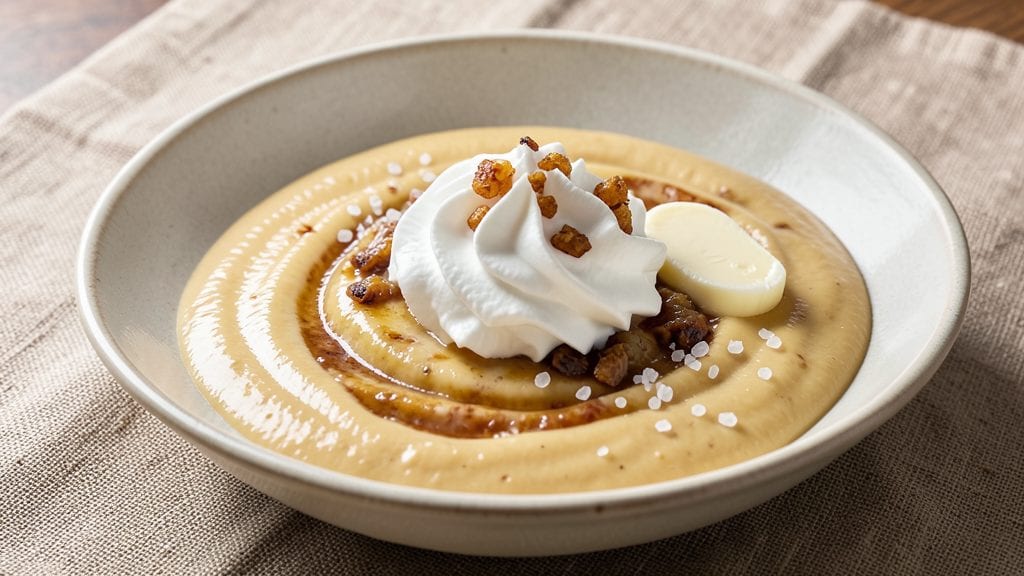
This provolone cheese sauce recipe transforms simple ingredients into a creamy, gooey sauce that elevates grilled cheese to restaurant-quality perfection. 🌟 The secret lies in slow melting and blending provolone with a touch of cream, creating a sauce that's rich yet balanced—no lumps, just velvety smoothness.
I developed this after years of experimenting with cheese sauces, and it's now my go-to for anything from sandwiches to dipping bread.
The beauty of this sauce is its versatility—it works as a dipping sauce, a grilled cheese glaze, or even a pasta topping. With just five ingredients and 15 minutes of active time, you'll have a sauce that's smoother than store-bought and packed with authentic provolone flavor.
The key is patience: letting the cheese melt gradually ensures a silky texture without breaking.
What you'll end up with is a creamy, stretchy sauce that clings perfectly to toasted bread or noodles. The provolone's mild tanginess shines through, while the cream adds just enough richness to make every bite irresistible.
This sauce keeps well in the fridge for up to a week, so you can make a batch and enjoy it all week long.
Use it for grilled cheese, mac and cheese, or as a dip for mozzarella sticks. The possibilities are endless—let's get started!
Ingredients for provolone sauce
Five simple ingredients transform into a velvety provolone sauce perfect for grilled cheese or dipping.
| Ingredient | Amount | Notes |
|---|---|---|
| Provolone Cheese 🧀 | 8 oz | Shredded, mild variety preferred |
| Heavy Whipping Cream 🥛 | ½ cup | Full-fat for maximum creaminess |
| Unsalted Butter 🧈 | 2 tbsp | Cold, cut into small pieces |
| All-Purpose Flour 🌾 | 1 tbsp | For thickening, optional but recommended |
| Garlic Cloves 🧄 | 2 cloves | Minced, for subtle depth |
| Diamond Crystal Kosher Salt 🧂 | ¼ tsp | Adjust to taste |
| Black Pepper 🌶️ | ⅛ tsp | Freshly cracked for best flavor |
| Extra-Virgin Olive Oil 🫒 | 1 tbsp | For finishing, fruity variety |
The provolone is the star, so grab mild, shredded provolone from the deli counter—pre-shredded gets clumpy. Whole Foods or Trader Joe's carry excellent options, but any block cheese shredded yourself works best. For extra richness, I like to mix in a little sharp white cheddar (about 2 oz) if I'm feeling adventurous. The heavy whipping cream needs to be full-fat—none of that light stuff. If you're using a substitute, half-and-half works in a pinch, but the texture won't be as luscious. And trust me, the butter matters too—use unsalted so you control the seasoning.
No provolone on hand? Mozzarella and mild cheddar blend surprisingly well (use equal parts). Short on cream? Greek yogurt at half the amount adds tang without thinning the sauce. The garlic can be omitted if you're sensitive to strong flavors, but I always include it—just a quick mince with a knife. For the flour, if you're avoiding gluten, cornstarch at the same amount works perfectly. And if you're making this ahead, the flour helps prevent separation when reheating. The olive oil at the end? Don't skip it—it adds a silky finish that makes all the difference.
This sauce keeps beautifully—5-7 days in the fridge, sealed in an airtight container. For longer storage, freeze portions in ice cube trays, then transfer to a bag. Reheat gently in a saucepan over low heat, stirring constantly until smooth. It reheats even better than it tastes fresh, so make a double batch. The sauce thickens as it cools, so thin with a splash of warm milk if needed. Perfect for dipping, topping, or gluing together that perfect grilled cheese.
Why You'll Love This Recipe
- Five-Ingredient Magic: I swear by this recipe—just melt butter, toast flour, add garlic, then fold in provolone and cream. No fancy techniques, no measuring cups you’ll lose, just pure, creamy satisfaction in 15 minutes.
- Garlic-Cream Bomb: That first bite of melted provolone swirled with roasted garlic? It’s like a warm hug for your taste buds. The flour thickens it just enough to coat pasta or bread without turning gloppy—honestly, I’ve tried store-bought versions, and this beats them every time.
- Game for Any Meal: Drizzle it over steak fries for a fancy-ish brunch, toss it with roasted veggies for a cozy dinner, or slather it on garlic bread when the game’s on. Between us, it’s the secret weapon I keep in my fridge for lazy Sundays and last-minute guests.
- Leftovers That Lie: Make a double batch—trust me, you will—and reheat it in seconds. The cream stays luscious, not greasy, and the provolone stretches like a dream. I’ve fed a crowd with one pan of this, and no one ever asks for takeout again. Budget win, flavor win.
Step-by-step instructions for provolone cheese sauce
Here's how to make the ultimate melted provolone sauce—creamy, gooey, and perfect for grilled cheese.
🍳 Step 1: Melt Butter and Bloom the Flour
In a medium saucepan, melt the 2 tbsp unsalted butter over medium heat until it foams and bubbles gently. Here's the thing—you want the butter to melt completely but not brown. Add the 1 tbsp all-purpose flour all at once and whisk vigorously for 1-2 minutes until the mixture turns a pale golden color and smells nutty.
This step, called blooming the flour, removes the raw taste and creates a smooth base for your sauce. If you skip this, you'll end up with a floury aftertaste. Keep whisking constantly—those little flour lumps are the enemy of silky perfection.
🍳 Step 2: Cook the Garlic Until Fragrant
Push the butter-flour mixture to the sides of the pan and add the 1 tbsp extra-virgin olive oil to the center. When the oil shimmers, add the 2 minced garlic cloves and cook for 30-45 seconds until they turn golden and release their aroma. You'll know it's ready when the kitchen smells like fresh garlic—don't let it brown or it'll turn bitter.
Here's where it gets good: stir the garlic into the butter-flour mixture and cook for another 1 minute to distribute that flavor throughout. This creates a flavorful roux that will form the backbone of your sauce. If you're worried about burning, just lower the heat slightly—you're aiming for gentle cooking, not frying.
🥘 Step 3: Gradually Add Cream and Cheese
Slowly pour in the 0.5 cup heavy whipping cream while whisking continuously to prevent lumps from forming. Let the mixture simmer for 2-3 minutes until it begins to thicken slightly. Now, reduce the heat to low and add the 8 oz shredded provolone cheese all at once.
Stir constantly for 3-4 minutes until the cheese melts completely and the sauce becomes smooth and glossy. You'll see the sauce transform from a simple cheese mixture to a luxurious, creamy texture. If it starts to look too thick, add 1-2 tablespoons of warm water to reach your desired consistency—it should coat the back of a spoon but still flow smoothly.
⏰ Step 4: Season and Finish Perfectly
Remove the sauce from heat and stir in the 0.25 tsp diamond crystal kosher salt and 0.125 tsp black pepper. Taste and adjust the seasoning if needed—this is your chance to make it truly perfect. The sauce should be rich, slightly salty, and peppery with a hint of garlic.
For that final touch, return the sauce to low heat and let it simmer for another 1-2 minutes to meld all the flavors together. Here's the pro tip: if you're making grilled cheese, keep the sauce warm in a slow cooker or double boiler—it'll stay creamy and ready to use whenever you need it. The key to perfect provolone sauce is patience and constant attention to prevent burning or curdling.
Pro Tips For Making Provolone Sauce
- Melt Cheese Slowly: I learned this the hard way—dumping shredded provolone into hot cream turns it into glue. Instead, lower the heat to medium-low after adding the cheese, and stir like you’re trying to win a prize for patience. You want it to melt smoothly, not seize up like a stubborn child.
- Toast the Flour First: Skip the raw flour roux, and you’ll end up with a sauce that tastes like flour soup. Cook the flour in butter for 2-3 minutes until it’s golden and smells nutty—this removes the raw taste and builds flavor. (Yes, even if you’re impatient like me.)
- Use Room-Temp Cream: Cold heavy cream makes your sauce split like a bad relationship. Let it sit out for 30 minutes before using, or warm it gently in a separate pot. The sauce will emulsify better, and you won’t end up with curdled butter floating on top.
- Minimize Garlic Burn: After smashing the garlic, cook it in butter for just 30 seconds—longer, and it turns bitter. Remove it before adding the flour, then return it later to infuse flavor without overpowering the sauce. (Your future self will thank you.)
Essential equipment for this recipe
Saucepan Essentials
Start with a medium-sized stainless steel saucepan—I swear by my All-Clad tri-ply pan because it heats evenly and prevents scorching. The flat bottom ensures stable heat distribution, which is critical when melting cheese.
If you don’t have stainless steel, a well-seasoned cast iron skillet works too, but watch it closely—cast iron retains heat differently. Avoid nonstick pans for this recipe; they can’t handle the sustained low heat needed for smooth melting. 🥄
Whisk for Smoothness
A balloon whisk is your secret weapon here—it cuts through the cheese better than a regular whisk and prevents lumps. I use a OXO Good Grips balloon whisk because the ergonomic handle makes it easy to whisk for the full 3-4 minutes required.
If you’re in a pinch, a fork works, but you’ll need to stir more aggressively. The key is constant motion to distribute heat evenly and prevent separation.
Thermometer for Precision
While not strictly necessary, a candy or instant-read thermometer helps you monitor the sauce’s temperature. Aim to keep it between 170-180°F—this range ensures the cheese melts completely without curdling. I keep a Thermoworks ThermoPop on hand for all cheese sauces.
If you don’t have one, watch for the sauce to thicken slightly before adding the cheese—it’s your visual cue that the base is ready.
Slow Cooker or Double Boiler
For keeping the sauce warm after making it, a slow cooker on low or a double boiler is ideal. I use my Hamilton Beach slow cooker set to warm—it maintains the sauce at a perfect temperature without risking separation.
If you’re using a double boiler, keep the water in the bottom pot at a gentle simmer. This method is especially useful if you’re making grilled cheese sandwiches and want the sauce ready to go whenever you are. 🔥
Cheese Grater Matters
Pre-shredded cheese is a no-go here—it’s packed with anti-caking agents that prevent smooth melting. Invest in a box grater or mandoline for fresh shreds. I use a Microplane for provolone because it creates fine, even shreds that melt faster.
If you’re short on time, buy block cheese and shred it yourself—it’s worth the extra effort for that silky texture. Store-bought shredded cheese will leave you with a grainy, uneven sauce.
Storage Containers
For leftovers, transfer the sauce to glass airtight containers—I love my Pyrex storage jars because they’re microwave-safe and stackable. If you’re freezing portions, use silicone ice cube trays for easy single-serving use later.
Label everything with the date—this sauce keeps for 5-7 days in the fridge or 3 months in the freezer. When reheating, always use low heat and stir constantly to prevent separation. 💫
Nutrition facts
Frequently asked questions about provolone cheese sauce
Can I make this sauce without flour?
The flour helps create a silky texture, but you can omit it by using 2 tbsp cornstarch instead or simply adding 1-2 tbsp warm water if the sauce gets too thick. Without any thickener, the sauce will be thinner but still delicious—just stir constantly while melting the cheese to prevent separation.
What's the best way to reheat leftover sauce?
Reheat gently in a saucepan over low heat, stirring constantly until smooth. Microwave in 20-second bursts, stirring between each, to avoid splitting. For extra creaminess, add a splash of warm milk or cream. Never reheat on high—it'll turn grainy.
Can I add other cheeses to this recipe?
Try blending in 2 oz sharp white cheddar for tang or 1 oz smoked gouda for depth. For a milder flavor, add 4 oz mozzarella. The key is to use mild cheeses—stronger varieties can overpower the provolone's delicate taste. Always shred fresh for best results.
Why did my sauce get grainy?
Graininess usually means the cheese didn't melt completely or the sauce got too hot. Next time, whisk constantly over low heat and add cheese gradually. If it happens, stir in 1 tbsp cold butter or cream to restore smoothness. Avoid pre-shredded cheese—its anti-caking agents cause clumping.
How can I use this sauce beyond grilled cheese?
This versatile sauce works as a pasta topping, mac and cheese upgrade, or dip for mozzarella sticks. Drizzle over roasted potatoes or use as a glaze for grilled chicken. For extra flair, stir in 1 tsp Dijon mustard or ½ tsp smoked paprika. The possibilities are endless!