
Sauces & Condiments
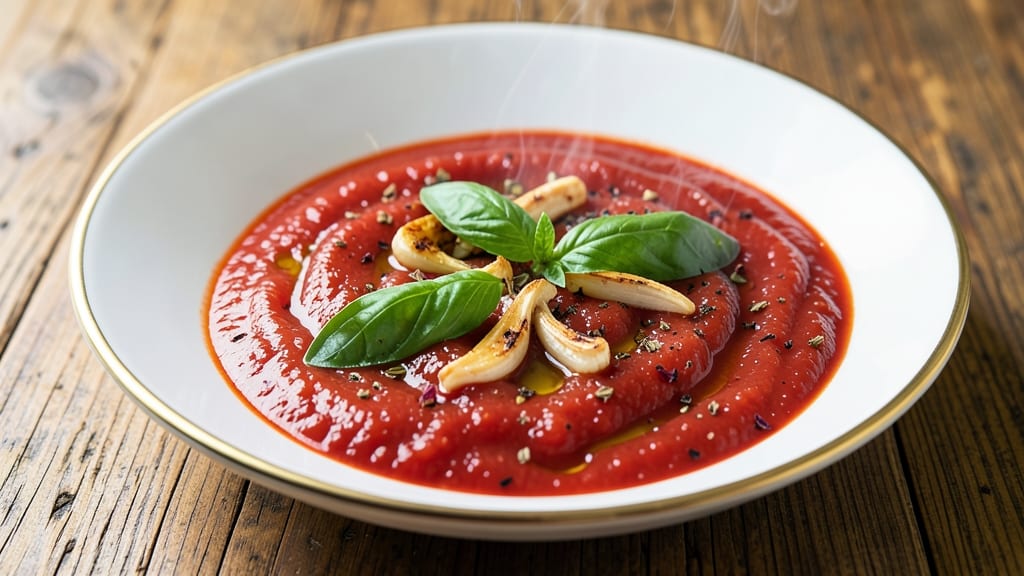
This Romano tomato sauce recipe delivers the deep, umami-rich foundation every serious home cook needs for pasta, pizza, and more—crafted with San Marzano tomatoes and slow-cooked to perfection.
The secret lies in balancing acidity and sweetness through precise garlic infusion and fresh herbs, creating a sauce that elevates any dish without overpowering it. I developed this version after years of testing store-bought alternatives, and the difference is night and day.
The sauce begins with high-quality canned tomatoes, garlic, and olive oil simmered until the flavors meld into a velvety consistency. Fresh basil and oregano add aromatic depth, while a touch of sugar balances the acidity, ensuring a smooth, well-rounded taste.
This isn’t just any tomato sauce—it’s a professional-grade base that transforms ordinary meals into restaurant-quality experiences.
What sets this sauce apart is its versatility and longevity. Use it immediately for fresh pasta or pizza, or store it in the refrigerator for up to five days, where the flavors deepen over time.
For longer storage, freeze it in airtight containers for up to three months, preserving its rich texture and bold taste. The key is patience—letting the sauce reduce naturally intensifies the flavors, making every spoonful worth the wait.
Whether you’re a home cook looking to elevate weeknight dinners or a pizza enthusiast seeking the perfect sauce, this recipe delivers consistent, foolproof results. The technique is straightforward, but the outcome is undeniably professional. Let’s get cooking—your next meal will thank you.
Ingredients for romano tomato sauce
Ten ingredients, one sauce that turns weeknight pasta into restaurant-worthy perfection.
| Ingredient | Amount | Notes |
|---|---|---|
| San Marzano Crushed Tomatoes 🍅 | 28 oz | High-quality, no salt added |
| Extra-Virgin Olive Oil 🫒 | ½ cup | Fruity, peppery variety preferred |
| Garlic Cloves 🧄 | 6 cloves | Fresh, thinly sliced for infusion |
| Fresh Basil Leaves 🌿 | ½ cup | Packed, stems removed |
| Dried Oregano 🌿 | 1 tbsp | Mediterranean or Italian blend |
| Granulated Sugar 🍚 | 1 tbsp | Balances acidity naturally |
| Diamond Crystal Kosher Salt 🧂 | 1 tsp | Fine grain preferred |
| Freshly Ground Black Pepper 🌶️ | ½ tsp | For subtle heat |
| Red Wine Vinegar 🍷 | 1 tbsp | Brightens flavors |
| Tomato Paste 🍅 | 2 tbsp | High-quality, no additives |
The San Marzano tomatoes are non-negotiable here—their sweetness and low acidity make all the difference. Whole Foods or specialty Italian markets carry the best cans, but any high-quality brand with no added salt works. The garlic? Fresh is a must—mincing it yourself releases more flavor than pre-minced. For the olive oil, avoid the cheap stuff—look for brands like California Olive Ranch or Colavita that have that fruity, peppery kick. The basil should be vibrant green, not wilted, and the oregano? Mediterranean blend has more complexity than standard Italian.
No San Marzano tomatoes? Crushed Roma tomatoes are your next best bet—just add an extra pinch of sugar. Short on fresh basil? Dried basil works at one-third the amount, but it won’t have that same bright punch. The tomato paste can be swapped for extra crushed tomatoes if you’re in a pinch, though it’ll be slightly thinner. Red wine vinegar giving you pause? White wine vinegar in a 1:1 ratio works, but the red adds that subtle depth. And if you’re avoiding sugar, a pinch of honey does the trick just as well—just taste as you go.
This sauce tastes even better the next day, so make extra—it’s perfect for freezing. Portion into ice cube trays for single-use servings or airtight containers for larger batches. Keeps in the fridge for 5-7 days and freezes beautifully for up to 3 months. The key is letting it cool completely before storing—prevents mold and keeps the texture silky. And if you’re using it for pizza, bring to room temp first—it spreads so much better.
Why You'll Love This Recipe
- 20-Minute Magic: I swear, this sauce is ready while you’re still debating what to eat. Just crush those tomatoes, toss in minced garlic (or even pre-minced if you’re really short on time), and let the olive oil do its thing—no fancy techniques, just simmering until the basil’s perfume fills your kitchen.
- Garlic-Basil Bomb: That first bite of pasta with this sauce? The garlic’s sharp punch and fresh basil’s bright finish make it ridiculously good. The San Marzano tomatoes sweeten as they cook, balancing the oregano’s earthy warmth—like a hug in a bowl.
- Pantry to Plate: This sauce is my weeknight lifesaver—dump it over pasta, spoon it onto grilled chicken, or even slather it on toast with a sprinkle of cheese. It’s the kind of thing that makes you feel like a chef without the stress.
- Leftovers That Don’t Suck: Make a double batch, and you’ll thank me later. It tastes even better the next day (yes, really), freezes like a dream, and stretches into three meals without losing its vibrancy. Budget-friendly? More like steal-your-heart friendly.
Step-by-step instructions for umami-rich tomato sauce
This sauce builds flavor layer by layer—start with the base and work your way to depth.
Bloom the Tomato Paste and Garlic
Heat the 0.5 cup extra-virgin olive oil in a heavy-bottomed saucepan over medium-low heat. Add the 2 tablespoons tomato paste and stir constantly for 2-3 minutes until it darkens slightly and releases its deep, caramelized aroma. This step develops the sauce's foundation—don't rush it.
Add the 6 cloves garlic cloves, sliced thin, and cook for 1-2 minutes until fragrant but not browned. Watch closely—garlic burns quickly and turns bitter. Remove from heat immediately once you detect that sweet, pungent aroma. Here's the thing: overcooked garlic ruins the sauce, so stay alert.
Add Tomatoes and Vinegar
Return the pan to medium heat and pour in the 28 oz San Marzano crushed tomatoes. Stir to combine, then add the 1 tablespoon red wine vinegar and 1 tablespoon granulated sugar. The vinegar brightens the acidity while the sugar balances it—this is where the sauce starts to come together. Let the mixture simmer uncovered for 15 minutes, stirring occasionally.
You'll notice the sauce thicken slightly as the tomatoes break down. Here's what I do: skim off any foam that rises to the surface with a spoon—it prevents bitterness. The sauce should reduce by about 20% by this point, with a glossy sheen developing. If it's too thick, we'll adjust later.
Season and Simmer Low and Slow
Add the 1 tablespoon dried oregano, 1 teaspoon diamond crystal kosher salt, and 0.5 teaspoon freshly ground black pepper. Stir well to distribute the seasoning evenly. Reduce heat to low and let the sauce simmer uncovered for 30-40 minutes. This slow cook time is critical—it allows the flavors to meld and deepen.
Here's the moment that matters: taste the sauce after 20 minutes. It should be balanced—sweet, acidic, and savory. If it needs more depth, add another pinch of salt or a splash of vinegar. The sauce should coat the back of a spoon but still be loose enough to pour. If it's too thick, whisk in 1-2 tablespoons water to reach your desired consistency.
Finish with Fresh Basil
Remove the pan from heat and stir in the 0.5 cup fresh basil leaves, stems removed. Let the basil steep for 5 minutes—this infuses the sauce with bright, herbal notes. Don't skip this step; fresh basil elevates the sauce from good to extraordinary. Here's the trick: use a fine-mesh strainer to remove the basil leaves if you prefer a smoother texture, or leave them in for a more rustic finish.
Taste and adjust seasoning one final time. The sauce should be vibrant, with layers of sweetness, acidity, and umami. If it's too tangy, add a pinch more sugar. If it's flat, a splash of vinegar or a pinch of salt can brighten it up. Transfer to a clean jar or container and let it cool to room temperature before storing.
Pro Tips For Making Romano Tomato Sauce
- Sear the Garlic: Cook the minced garlic in olive oil over medium-low heat until it’s golden—not browned—then immediately add the tomatoes. I learned this the hard way: burning garlic turns bitter, and you’ll taste it even through the sweetness of San Marzano. If you’re impatient like me, just watch it like a hawk.
- Salt the Tomatoes First: Stir in a pinch of salt (about ½ teaspoon) right after adding the crushed tomatoes. This breaks down the skins slightly and deepens the flavor as it simmers. Skip this, and your sauce will taste flat, no matter how much basil you add later.
- Simmer, Don’t Boil: Let the sauce bubble gently at the edges, then reduce to a low simmer—tiny bubbles, occasional swirls. Boiling skims off the delicate aromas of garlic and basil, leaving you with just tomato flavor. I used to rush this, and the sauce never tasted as bright.
- Toast the Oregano: Dry-toast the dried oregano in a separate pan for 30 seconds until fragrant, then crush it lightly before adding to the sauce. This releases its oils and makes the flavor pop. Sounds weird, but it works—your sauce will taste like it’s from a trattoria, not a jar.
Storing and reheating this dish
Refrigerator Storage
Let your Romano tomato sauce cool to room temperature before transferring to airtight glass containers—I prefer Mason jars or glass Pyrex with snap-on lids. Store in the refrigerator at 40°F or below for up to 5-7 days.
The flavors actually deepen overnight, so I often make extra for future meals. Always leave ½ inch of headspace to prevent mold growth from condensation. 🥫
Freezer Storage
For longer storage, freeze your sauce in quart-sized freezer bags or airtight silicone molds. Portion into 1-cup servings for easy use later—just thaw and reheat. I recommend using flat freezer bags (like Stasher bags) to save space and prevent freezer burn.
Label with the date and store for up to 3 months at 0°F or below. The sauce may thicken slightly when frozen, so add a splash of water when reheating. ❄️
Thawing Techniques
Thaw frozen sauce in the refrigerator overnight for best results. If you're short on time, transfer the frozen bag to a bowl of cool water for 30-45 minutes—change the water every 10 minutes to speed up the process.
Never thaw at room temperature, as this promotes bacterial growth. For immediate use, microwave on defrost setting for 1-2 minutes, then stir and adjust consistency with water or broth. 💡
Reheating Methods
Reheat refrigerated or thawed sauce in a saucepan over medium-low heat for 5-10 minutes, stirring occasionally. Avoid high heat to prevent scorching—this sauce is delicate after storage. If it thickens too much, whisk in 1-2 tablespoons water or pasta water to restore its smooth texture.
For microwave reheating, use 50% power for 1-2 minutes, stirring halfway through. Always taste and adjust seasoning before using. 🔥
Preserving Texture
To maintain the sauce's velvety consistency, avoid overcooking after reheating. If you're using it for pizza, warm it to 160°F—just enough to melt cheese. For pasta, bring it to a gentle simmer for 2-3 minutes to integrate flavors without breaking down the tomatoes further.
I often add a pat of butter or a drizzle of olive oil after reheating to restore richness. This keeps the sauce luscious and ready for your next meal. ✨
Leftovers Hack
Turn leftover sauce into something new—blend it with 1 cup ricotta cheese and 1 egg for a quick tomato ricotta dip. Or spread it on toasted baguette slices with mozzarella and basil for open-faced sandwiches. The possibilities are endless, so never waste a drop of this flavorful sauce. 💛
Nutrition facts
Frequently asked questions
What makes this Romano tomato sauce different from regular marinara?
This sauce uses San Marzano tomatoes for natural sweetness and low acidity, plus a tomato paste bloom that deepens umami. The slow simmer and fresh basil infusion create a richer, more balanced flavor than quick marinara. It's designed to be a versatile base—not just a simple pasta topping.
Can I use this sauce for pizza instead of marinara?
This sauce works perfectly for pizza—its balanced sweetness and acidity complement cheese beautifully. Just warm it to 160°F before using to prevent soggy crust. For extra richness, add a drizzle of olive oil after baking. The longer simmer gives it a deeper flavor that holds up well under melted cheese.
Why does the recipe call for red wine vinegar instead of white?
The red wine vinegar adds subtle depth that white vinegar can't match. It enhances the sauce's complexity without overpowering it—think of it as a secret ingredient that bridges the gap between sweet and savory. If you're avoiding alcohol, white wine vinegar works in a pinch, but the red version creates that restaurant-quality finish.
What if my sauce turns out too thick or too thin?
For thick sauce, whisk in 1-2 tablespoons water or broth while warm. If too thin, simmer uncovered for 5-10 more minutes to reduce. The ideal consistency should coat the back of a spoon but still be pourable. Adjust gradually—you can always fix it later, but you can't un-thicken it once it's too thick!
Can I make this sauce without fresh basil?
Yes! Use 1 tablespoon dried basil instead, but add it with the oregano at the 30-minute mark rather than at the end. For even more flavor, try ½ teaspoon dried basil plus 1 teaspoon lemon zest—the citrus brightens the sauce beautifully. The fresh basil is ideal, but this works in a pinch.