
Sauces & Condiments
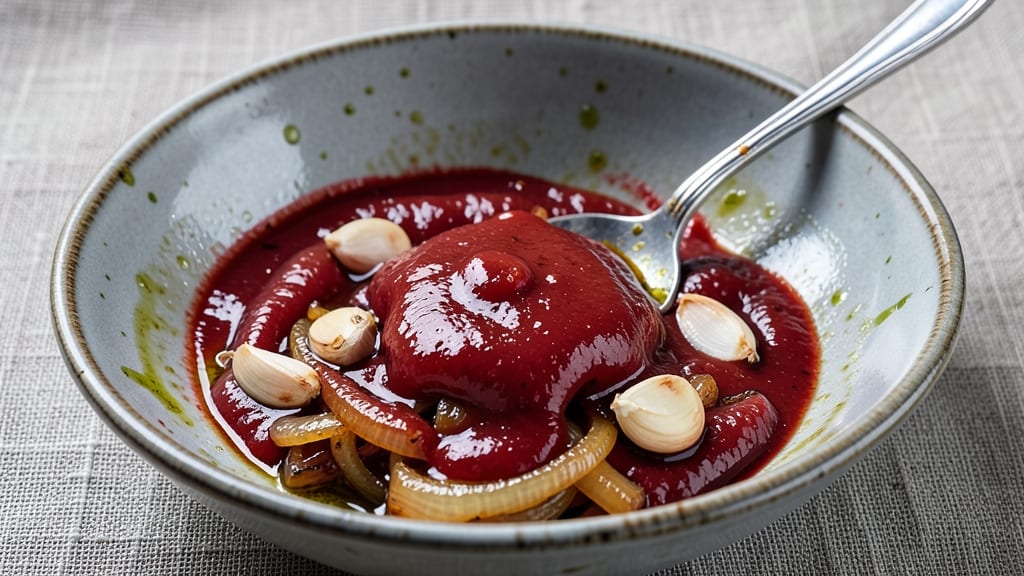
A deep umami simmer sauce transforms braised meats, roasted vegetables, and deglazed pans into restaurant-quality dishes with minimal effort. This recipe builds flavor through slow reduction—caramelized onions, garlic, and a splash of soy sauce form the foundation, while a touch of tomato paste adds depth.
I developed it after years of testing braising liquids, and it consistently delivers that rich, savory base professional chefs rely on.
The beauty of this sauce lies in its versatility and simplicity. You’ll simmer just 10 minutes to develop complex flavors without overcomplicating the process. A roux or cornstarch slurry can thicken it for drizzling, while leaving it thin makes it perfect for braising liquids or deglazing pans.
The key is patience—letting aromatics cook low and slow unlocks layers of flavor that shortcuts can’t replicate.
What you’ll end up with is a glossy, aromatic sauce that clings to proteins and vegetables, enhancing their natural flavors rather than overpowering them. The umami richness comes from soy sauce and mushrooms, while a splash of red wine adds brightness.
This isn’t just a sauce—it’s the secret weapon that elevates everyday cooking to something extraordinary.
Use it as a braising liquid for tough cuts of meat, a drizzle over roasted dishes, or a deglazing agent for pan sauces. The possibilities are endless, and the technique is foolproof once you master the timing.
Let’s get started—your next meal is about to taste like it was made by a pro.
Ingredients for simmer sauce
Nine ingredients. Ten minutes. Professional braising sauce without the fuss.
| Ingredient | Amount | Notes |
|---|---|---|
| Yellow Onions 🧅 | 1 ½ lb | Diced into small, even pieces |
| Garlic Cloves 🧄 | 6 cloves | Peeled and smashed for deeper flavor |
| Extra-Virgin Olive Oil 🫒 | ½ cup | High-quality, fruity variety preferred |
| Dry Red Wine 🍷 | ½ cup | Bold Cabernet or Merlot works best |
| Vegetable Stock 💧 | 2 cups | Homemade or high-quality store-bought |
| Tomato Paste 🍅 | 2 tbsp | Smooth, no sugar added preferred |
| Soy Sauce 🍜 | 1 tbsp | Light or dark, your preference |
| Dried Porcini Mushrooms 🍄 | ¼ oz | Crumbled for deep umami |
| Fresh Thyme Leaves 🌿 | 1 tbsp | Or 1 tsp dried thyme |
| Salt 🧂 | 1 tsp | Diamond Crystal kosher preferred |
| Black Peppercorns 🌶️ | ½ tsp | Freshly cracked for brightness |
The onions and garlic are your flavor anchors—don't rush them. Yellow onions with a little bite work best, and Costco or Trader Joe's have great bulk options. For garlic, fresh is non-negotiable—jarred minced lacks depth. The dried porcini mushrooms? Penzeys or specialty stores carry the best quality, but any dried mushrooms will do. I always toast my spices before adding them to the sauce—just heat the peppercorns in a dry pan for 30 seconds to wake up their flavor. The tomato paste can be the squeeze-tube kind from Trader Joe's—no need for fancy cans.
No red wine? Substitute extra vegetable stock—just add 2 tbsp more. Fresh thyme out of season? Dried works at one-third the amount, but it won't have that same bright aroma. The soy sauce is where umami magic happens—Japanese light soy adds sweetness, while dark soy gives deeper color. For extra richness, add 1 tbsp of fish sauce (trust me, it blends in). The sauce thickens as it cools, so if it's too thin, simmer uncovered for another 2-3 minutes. Need it thicker? Mix 1 tsp cornstarch with 1 tbsp cold water and stir it in at the end.
This sauce keeps beautifully—1 week in the fridge or 3 months in the freezer. I portion mine into ice cube trays for easy use later. For braising, use 1 cup per pound of meat. For deglazing, just splash in what's needed and scrape up those browned bits. The flavor actually improves after 24 hours as everything melds together. Double the batch—you'll want it on hand for everything from roasted chicken to sautéed greens.
Why You'll Love This Recipe
- Five-Ingredient Magic: I swear by this—no fancy techniques, just onions caramelized in olive oil until they’re sweet and jammy, then a splash of wine that cuts through the richness. The stock ties it all together while I’m still chopping veggies for dinner.
- Wine-Infused Depth: That red wine isn’t just for show—it brings a bright, almost chewy acidity that makes this sauce sing against grilled meats or roasted veggies. Honestly, I’ll reach for this over store-bought any day, especially when the garlic’s properly browned.
- Weeknight to Dinner Party: Make a double batch on Sunday, and you’ve got sauce for pasta, braised chicken, or even as a dipping sauce for crusty bread. My kids ask for it at school lunches—yes, even the picky eater.
- Budget-Friendly Luxury: Olive oil and wine might sound fancy, but they stretch further than you’d think. A single bottle of wine and a small onion go a long way, and the stock? I use whatever’s in my freezer. Frugal but feels indulgent.
Step-by-step instructions for simmer sauce recipe
Let's build this rich umami foundation that elevates any braise or deglazing application.
Develop the Base with Onions and Porcini
Heat the 0.5 cup extra-virgin olive oil in a heavy-bottomed saucepan over medium-low heat. Add the 1.5 lb diced yellow onions and cook for 15-20 minutes until they're soft and translucent, stirring occasionally. The onions should caramelize slightly at the edges but not brown deeply.
Reduce heat to low and add the crumbled 0.25 oz dried porcini mushrooms. Stir constantly for 2 minutes until the mushrooms release their deep earthy aroma into the oil. This step extracts maximum umami from the porcini—don't rush it. The mixture should smell intensely mushroomy and slightly sweet.
Build Depth with Garlic and Tomato
Add the 6 smashed garlic cloves and cook for 30 seconds until fragrant but not browned—garlic burns quickly and turns bitter. Immediately stir in the 2 tbsp tomato paste and cook for another 2 minutes until it darkens slightly and loses its raw tomato flavor.
This is where the sauce starts developing its signature depth. The tomato paste provides a subtle sweetness that balances the umami from the porcini while adding body. If you notice the mixture sticking, add 1 tablespoon vegetable stock to loosen it—this prevents burning while maintaining flavor concentration.
Deglaze with Wine and Reduce
Pour in the 0.5 cup dry red wine and increase heat to medium-high. Let the wine bubble vigorously for 2-3 minutes until reduced by about half. This reduction intensifies the wine's flavor and removes the alcohol content completely.
Here's the thing—don't stir constantly during this step. Let the wine cook off undisturbed for the first minute to maximize flavor extraction from the browned bits on the pan. The sauce should smell complex, with notes of caramelized onion, mushroom, and wine.
Simmer with Stock and Seasonings
Add the 2 cups vegetable stock, 1 tbsp soy sauce, 1 tbsp fresh thyme leaves, 1 tsp salt, and 0.5 tsp cracked black peppercorns. Bring to a gentle simmer over medium heat and cook uncovered for 20-25 minutes until reduced by about one-third.
Stir occasionally to prevent skin formation, but don't over-stir—this can create a cloudy sauce. You're looking for a sauce that coats the back of a spoon with a glossy sheen and concentrated flavor. Taste and adjust seasoning—you may need a pinch more salt to balance the acidity from the wine.
Finish and Strain for Clarity
Remove from heat and let the sauce sit for 5 minutes to allow flavors to meld. For a smooth sauce, strain through a fine-mesh sieve into a clean saucepan, pressing gently on the solids with a spoon to extract maximum flavor. For a rustic version with texture, simply whisk vigorously to combine.
This sauce will keep its peak flavor when reheated gently—never boil. It's perfect for braising meats, deglazing pans, or serving over grains. The umami depth comes from the porcini and soy sauce working together, while the wine adds bright acidity. Store in an airtight container in the refrigerator for up to 5 days or freeze for 3 months.
Pro Tips For Making Simmer Sauce
- Sweat, Don’t Burn: Onions should melt into golden syrup, not turn to ash—low and slow is the way. After 5 minutes of sizzling in olive oil, drop the heat to medium-low and cover the pan for 8-10 minutes. I learned this the hard way when my sauce ended up tasting like charred regret.
- Mince Garlic Like It’s 1987: Skip the press—finely mince those cloves with a knife for even distribution. Pressed garlic clumps and burns, while minced garlic dissolves smoothly into the wine and stock. (Yes, it takes 30 seconds extra. Your sauce will thank you.)
- Deglaze with Patience: After the wine hits the pan, let it bubble for 30 seconds—then scrape every bit of browned bits with a wooden spoon. Those bits pack flavor, but rushing means leaving behind the good stuff. (I know, I know—you want to stir and move on.)
- Stock First, Wine Second: Pour in the vegetable stock before the wine, then add the wine last. This prevents the stock from steaming away too fast, giving your sauce depth instead of a sad, watery finish. Sounds counterintuitive, but it works—trust me.
Troubleshooting great simmer sauce
Sauce Too Thin?
If your sauce ends up too thin after simmering, don’t panic—it’s an easy fix. For immediate thickening, mix 1 teaspoon cornstarch with 1 tablespoon cold water, then whisk it into the hot sauce. Simmer for 1-2 minutes until it reaches your desired consistency.
For a smoother texture, strain the sauce through a fine-mesh sieve before adding the cornstarch slurry. This removes any impurities that could interfere with thickening. 💫
Sauce Too Thick?
If your sauce thickens more than you’d like, simply whisk in 1-2 tablespoons warm vegetable stock or water to loosen it. Heat gently over low heat while stirring until smooth.
Avoid adding liquid too quickly—this can dilute the flavor. For a richer result, use reduced stock instead of plain water to maintain depth. Taste as you go to ensure balance.
Burnt Onions or Garlic?
Burnt aromatics can turn your sauce bitter and ruin the delicate balance of flavors. To prevent this, keep the heat medium-low when cooking onions and garlic. If you notice them browning too quickly, reduce the heat immediately and add 1 tablespoon vegetable stock to deglaze.
Stir well and continue cooking at a lower temperature. The key is patience—rushed cooking leads to burnt flavors. 🔥
Sauce Lacking Depth?
If your sauce tastes flat or lacks umami, it might need more depth. Boost the flavor by adding 1 teaspoon fish sauce or an extra ½ teaspoon soy sauce for richness.
For a deeper earthy note, stir in 1 teaspoon dried porcini powder (blend dried mushrooms into a fine powder) or a pinch of mushroom powder. Simmer for another 5 minutes to let the new flavors meld. This trick works wonders for sauces that feel one-dimensional.
Sauce Separating?
Sauce separation usually happens when fats (like olive oil) rise to the top. To fix this, gently reheat the sauce over low heat while whisking constantly. If the separation persists, blend the sauce briefly with an immersion blender to emulsify the fats.
For a smoother finish, strain the sauce again through a fine-mesh sieve. This ensures a silky texture without any oil sheen. 💡
Wine Flavor Too Strong?
If the red wine flavor dominates and overpowers the other ingredients, balance it by adding 1 teaspoon balsamic vinegar or 1 teaspoon apple cider vinegar. The acidity will cut through the wine’s intensity while adding brightness.
Alternatively, simmer the sauce uncovered for an extra 5 minutes to let the alcohol evaporate further. This reduces the wine’s sharpness and allows the umami and caramelized notes to shine.
Nutrition facts
Frequently asked questions
Can I make this sauce without wine?
The red wine adds depth and acidity, but you can substitute with ½ cup extra vegetable stock or ½ cup apple cider. For best results, use a dry white wine or even 1 tbsp balsamic vinegar + ½ cup stock to mimic the wine's complexity. The umami from porcini and soy will still shine through, but the sauce will have slightly less brightness.
How long can I store simmer sauce?
This sauce keeps for 5-7 days in an airtight container in the fridge, or up to 3 months in the freezer. For freezing, portion into ice cube trays for easy use—just thaw overnight in the fridge. The flavor actually improves after 24 hours as ingredients meld, but it's best used within a week for peak freshness.
What's the best way to use leftover simmer sauce?
Use it as a braising liquid for meats (1 cup per pound), a drizzle over roasted vegetables, or a deglazing agent for pan sauces. It also works beautifully as a gravy base—just thicken with a cornstarch slurry. For extra richness, reduce it by half before using. The possibilities are endless, from pasta dishes to stir-fries.
Can I make this sauce in a slow cooker?
Yes! Sauté the onions and porcini first, then transfer everything to a slow cooker and cook on low for 4-5 hours instead of simmering. The low-and-slow method enhances flavors even more. For faster results, use high for 2-3 hours, but watch closely to prevent over-reduction. The texture will be slightly thinner, so reduce it on the stovetop afterward if needed.
Why does my sauce taste bland?
Blandness usually means insufficient umami or seasoning. Boost flavor by adding 1 tsp fish sauce or ½ tsp extra soy sauce for depth. For a quick fix, stir in 1 tsp dried porcini powder or a pinch of mushroom powder. If it still tastes flat, simmer uncovered for 5-10 extra minutes to concentrate flavors. Taste as you go—adjust salt and acidity (vinegar or lemon juice) to balance.