
Sauces & Condiments
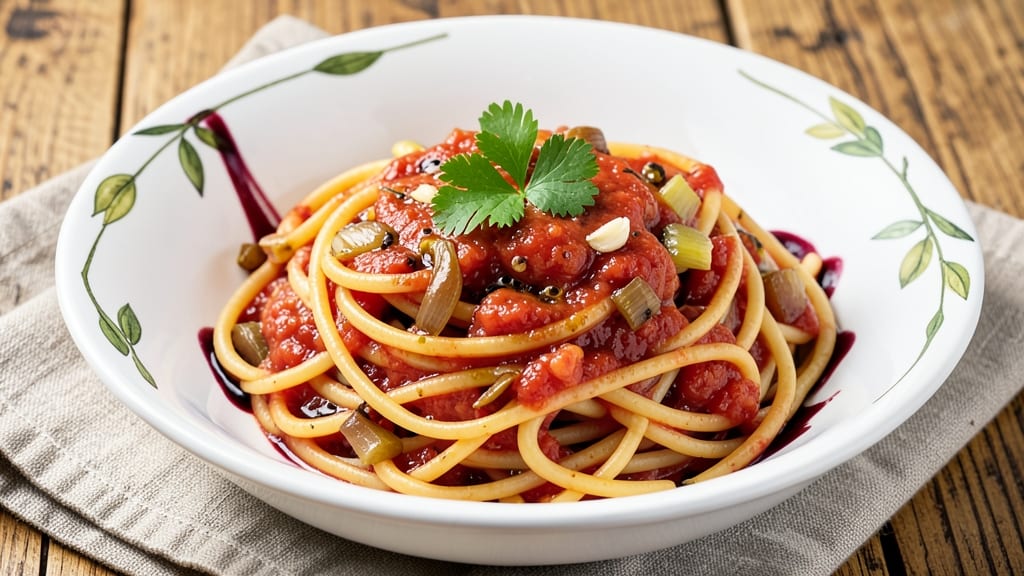
This spaghetti sauce recipe transforms simple ingredients into a deep umami masterpiece that develops richer flavor with every passing hour. The secret lies in slow-cooked tomatoes, caramelized aromatics, and a balance of acidity that keeps the sauce vibrant yet complex—something store-bought versions can never replicate.
After years of testing, I’ve perfected a method that delivers restaurant-quality depth without requiring hours of active time.
The foundation begins with a rich tomato base—crushed tomatoes simmered until their natural sweetness concentrates—while garlic, onions, and celery form the aromatic backbone. A splash of red wine and a bay leaf add layers of sophistication, while fresh herbs like basil and oregano brighten the finish.
The sauce’s magic happens during the low-and-slow simmer, where flavors meld and deepen into something truly extraordinary.
What you’ll end up with is a velvety, deeply flavorful sauce that coats every strand of spaghetti perfectly, leaving behind no trace of blandness. The umami notes linger on your palate long after the last bite, making this the kind of sauce that transforms an ordinary meal into something memorable.
Whether you’re feeding a family or preparing for a special dinner, this recipe delivers professional results with minimal effort.
Best of all, the sauce improves with time—peak flavor occurs after 24 hours, making it ideal for meal prep or hosting guests. Store it in the refrigerator for up to a week or freeze for months, ensuring you always have a restaurant-quality base ready whenever spaghetti night calls.
Let’s get started on building that perfect sauce.
Ingredients for spagheti sauce
Twelve simple ingredients. One sauce that gets better overnight. This is your umami upgrade.
| Ingredient | Amount | Notes |
|---|---|---|
| Crushed Tomatoes 🍅 | 28 oz | High-quality canned, San Marzano preferred |
| Extra-Virgin Olive Oil 🫒 | ½ cup | Fruity, peppery variety for depth |
| Yellow Onion 🧅 | 1 whole | Medium, finely diced |
| Celery Stalks 🥬 | 3 whole | Trimmed, finely chopped |
| Garlic Cloves 🧄 | 4 cloves | Fresh, minced |
| Dry Red Wine 🍷 | ½ cup | Bold Cabernet or Merlot |
| Tomato Paste 🍅 | 2 tbsp | Smooth, no sugar added |
| Bay Leaves 🌿 | 2 whole | Fresh preferred |
| Fresh Basil Leaves 🌿 | ½ cup | Packed, chopped |
| Dried Oregano 🍃 | 1 tsp | Mexican oregano if available |
| Sea Salt 🧂 | 1 ½ tsp | Diamond Crystal preferred |
| Black Peppercorns 🌶️ | ½ tsp | Freshly cracked |
The tomatoes are everything—San Marzano if you can find it, but any high-quality canned works. Trader Joe's and Whole Foods carry great options, but don't overlook your local Italian market. Look for cans with vibrant color and no added salt. The red wine is non-negotiable for depth—save that cheap bottle for cooking. Fresh basil is ideal, but dried oregano at half the amount works if you're short on time. The celery and onion form the aromatic backbone, so don't skip them—this isn't the place for shortcuts.
No red wine? Dry vermouth or beef broth gets you close. Fresh basil? Dried basil at one-third the amount works, but it won't have that same bright finish. The tomato paste can be swapped for extra crushed tomatoes if you're avoiding it, but I find it adds that concentrated sweetness that's key. For the garlic, roasted garlic adds a mellow sweetness if you prefer. The bay leaves? Tear them first—they release flavor faster. And if you're making a big batch, double the herbs—they'll mellow out as it simmers.
This sauce tastes better the longer it sits. 24 hours is ideal, but even 6 hours makes a difference. Store in the fridge for up to 1 week—the flavors keep developing. For longer storage, freeze in 1-cup portions. Thaw overnight in the fridge before reheating. And if it gets too thick after chilling, just add a splash of water or broth. Trust me, it'll still taste amazing.
Why You'll Love This Recipe
- Foolproof Foundation: I swear by this sauce because it’s the one I make when I don’t want to overthink—just chop an onion, dice celery, and let the olive oil and garlic work their magic. The crushed tomatoes handle the rest while I sip wine and pretend I’m not actually cooking.
- Umami Bomb: That slow-simmered garlic? Chef’s kiss. The onion and celery soften into sweet, caramelized bits, while the olive oil keeps every bite rich and glossy. It’s the kind of flavor that makes you pause mid-bite, even if your kitchen looks messy.
- Weeknight Workhorse: Between us, this sauce is my secret weapon for busy nights—double the batch, freeze half, and boom, you’ve got dinner covered for next Tuesday. It’s the only sauce I make that works with pasta, meatballs, or even toasted bread (yes, really).
- Budget Magic: Crushed tomatoes and celery stalks? That’s a grocery list I can live with. No fancy ingredients, no wasted money—just pure, reliable flavor that stretches across four meals without breaking the bank. My wallet and my taste buds thank me every time.
Step-by-step instructions for spaghetti sauce with deep umami flavor
This isn't your basic marinara—we're building a sauce with layered complexity that gets better as it sits.
Develop the Flavor Base with Olive Oil and Aromatics
Heat the 0.5 cup extra-virgin olive oil in a large Dutch oven over medium-low heat. Add the 1 whole yellow onion and 3 whole celery stalks, both finely chopped, and cook for 8-10 minutes until the onion becomes translucent and the celery softens. You're not looking for browning here—just gentle cooking that releases their sweetness.
Add the 4 cloves minced garlic and cook for another 30 seconds until fragrant but not browned. Garlic burns fast, and you want that sweet, mellow flavor, not bitter notes. This aromatic trifecta—onion, celery, garlic—creates the flavor foundation that will carry through the entire sauce.
Build Depth with Tomato Paste and Wine
Stir in the 2 tablespoons tomato paste and cook for 2 minutes until it darkens slightly and loses its raw taste. This step concentrates the tomato flavor and adds a rich, caramelized depth that balances the acidity of the crushed tomatoes later. Don't rush this—let it bloom properly.
Pour in the 0.5 cup dry red wine and let it simmer for 3-4 minutes until reduced by about half. The alcohol will cook off, leaving behind concentrated wine flavor that adds complexity. You'll smell it deepening—this is where the sauce starts its transformation from simple to sophisticated.
Incorporate Tomatoes and Seasonings
Add the 28 oz crushed tomatoes, 2 whole bay leaves, 1.5 teaspoons sea salt, and 0.5 teaspoon freshly cracked black peppercorns. Stir well to combine, then bring to a gentle simmer. The sauce should bubble softly—this isn't a rolling boil, just a steady, controlled cook. Partially cover and simmer for 20 minutes, stirring occasionally.
After 20 minutes, taste and adjust seasoning. The sauce should be balanced—sweet from the tomatoes, savory from the aromatics, with a touch of acidity from the wine. This is where you can make subtle tweaks. If it needs more depth, add a pinch of sugar or a splash of balsamic vinegar. The goal is harmony, not overwhelming any single flavor.
Finish with Herbs and Long Cooking
Remove the 2 whole bay leaves and stir in the 0.5 cup chopped fresh basil leaves and 1 teaspoon dried oregano. Simmer uncovered for another 30-45 minutes, stirring occasionally. This long cooking time allows the flavors to meld and develop. The sauce will thicken slightly as moisture evaporates, and the basil will infuse its bright, fresh notes.
Here's the thing—this sauce gets better over time. If you can, let it simmer for 1 hour total. The longer it cooks, the deeper the flavors become. For best results, make the sauce a day ahead and let it sit in the refrigerator. The flavors will continue developing, and you'll end up with a sauce that's far more complex than anything you can achieve in a hurry.
Adjust Consistency and Serve
Before serving, check the consistency. If the sauce is too thick, thin it with a little pasta water or water. If it's too thin, simmer uncovered for another 10-15 minutes to reduce it. The ideal consistency should coat the back of a spoon but still be saucy enough to cling to spaghetti without being gluey.
Taste again and make any final adjustments. The sauce should be vibrant, balanced, and full of layers—sweet, savory, herby, and slightly acidic. Serve immediately over freshly cooked spaghetti, or let it sit for 30 minutes at room temperature to let the flavors fully integrate. This isn't just sauce; it's a flavor experience that builds with every bite.
Pro Tips For Making Spagheti Sauce
- Sweat, Don’t Burn, the Aromatics: Start with medium-high heat for onions and celery, but back it down to medium once they’re soft—after burning three batches, I finally figured out that patience here means deeper flavor, not charred bits. Garlic goes in last, just 30 seconds before it turns golden, or you’ll taste bitterness instead of sweetness.
- Crush Tomatoes Like a Pro: Skip the can’s jagged edges—drain the tomatoes, then crush them by hand (or pulse in a food mill) until smooth but still chunky. I learned this the hard way: pre-crushed tomatoes release liquid unevenly, turning your sauce watery before it even hits the pot.
- Salt the Oil First: Toss a generous pinch of salt into the olive oil before adding onions—this keeps them from sticking and caramelizing unevenly. My grandmother swore by this, and she was right: the onions develop a richer, deeper color when the oil’s already seasoned, not just slick.
- Simmer Low and Long: After adding tomatoes, reduce heat to a bare simmer and let it cook uncovered for at least 20 minutes—no, you’re not rushing this. The longer it bubbles gently, the more the flavors meld, and the excess water evaporates without you having to stir constantly. (Yes, even if you’re impatient like me.)
Pro cooking tips for perfect results
Low-and-Slow Simmering
This sauce thrives on patience—simmering at 180-190°F for at least 1 hour transforms simple ingredients into something extraordinary. I use a Dutch oven because it maintains even heat distribution, but any heavy pot works.
The key is keeping it uncovered after the initial 20 minutes to let excess moisture evaporate naturally, concentrating flavors without burning. 🌡️
Salt in Stages
Don’t add all the 1.5 tsp sea salt at once. First, season the aromatics before adding tomatoes, then taste again after 20 minutes of simmering. The salt should enhance, not dominate—think of it as a flavor catalyst.
I use Diamond Crystal because its crystals dissolve more slowly, giving you better control over seasoning. Adjust gradually as you go.
Wine Reduction Magic
The 0.5 cup red wine isn’t just for flavor—it’s for texture too. Simmering it until reduced by half creates a silky, velvety base that clings beautifully to pasta. For best results, use a bold Cabernet Sauvignon or Merlot—their tannins add depth without overpowering.
If you’re avoiding alcohol, substitute with dry vermouth or beef broth, but the flavor won’t be identical.
Herb Timing Matters
Add fresh basil and oregano only in the last 30 minutes of cooking. This preserves their bright, vibrant flavors instead of letting them turn bitter. I tear the basil leaves rather than chopping them—they infuse faster and maintain their aroma.
For dried oregano, Mexican oregano has a more complex flavor than Mediterranean varieties, so use it if available.
Acidity Balance
The crushed tomatoes provide natural sweetness, but the wine and herbs add acidity. If your sauce tastes flat after simmering, brighten it with 1 tsp balsamic vinegar or a pinch of sugar. I often add a splash of vinegar in the final 10 minutes to cut through any heaviness.
The goal is a sauce that’s vibrant on the palate, not one that’s dull or one-note.
Post-Cooking Rest
Let the sauce rest for 30 minutes at room temperature before serving. This allows flavors to fully integrate and the texture to stabilize. For even better results, refrigerate overnight—the cold helps the flavors meld into a cohesive, restaurant-quality sauce.
The longer it sits, the deeper the umami becomes, so don’t rush it! ⏳
Nutrition facts
Frequently asked questions
Can I make this sauce without red wine?
While red wine adds depth, substitute with ½ cup dry vermouth or ½ cup beef broth for a similar umami boost. The sauce will still develop rich flavors, though the texture may be slightly less velvety. For a non-alcoholic alternative, use ½ cup apple cider vinegar reduced by half to concentrate the flavor.
How long can I store this sauce in the fridge?
This sauce tastes even better after resting! Store it in an airtight container in the fridge for up to 1 week. The flavors continue developing, becoming more complex over time. For longer storage, freeze in 1-cup portions for up to 3 months. Always thaw in the fridge before reheating.
Why does my sauce taste bland after simmering?
Blandness usually means one of three things: insufficient salt, lack of acidity, or undercooked aromatics. First, taste and add more sea salt if needed. Then, brighten with 1 tsp balsamic vinegar or a pinch of sugar. Finally, ensure your onions, celery, and garlic cooked long enough to develop sweetness—don’t rush this step!
Can I use fresh tomatoes instead of canned?
Fresh tomatoes work but require extra effort. Roast 4 large tomatoes at 400°F for 30 minutes until soft, then blend until smooth. Use 2 cups of roasted tomato puree to replace the 28 oz crushed tomatoes. Fresh tomatoes lack the concentrated sweetness of canned, so you may need to add ½ tsp sugar to balance acidity.
What’s the best way to reheat this sauce?
Reheat gently on the stove over low heat for 5-10 minutes, stirring occasionally. Avoid microwaving—it can make the sauce watery. If it thickens too much after chilling, thin with a splash of water or pasta water. For best results, reheat only what you’ll use immediately to preserve texture.