
Sauces & Condiments
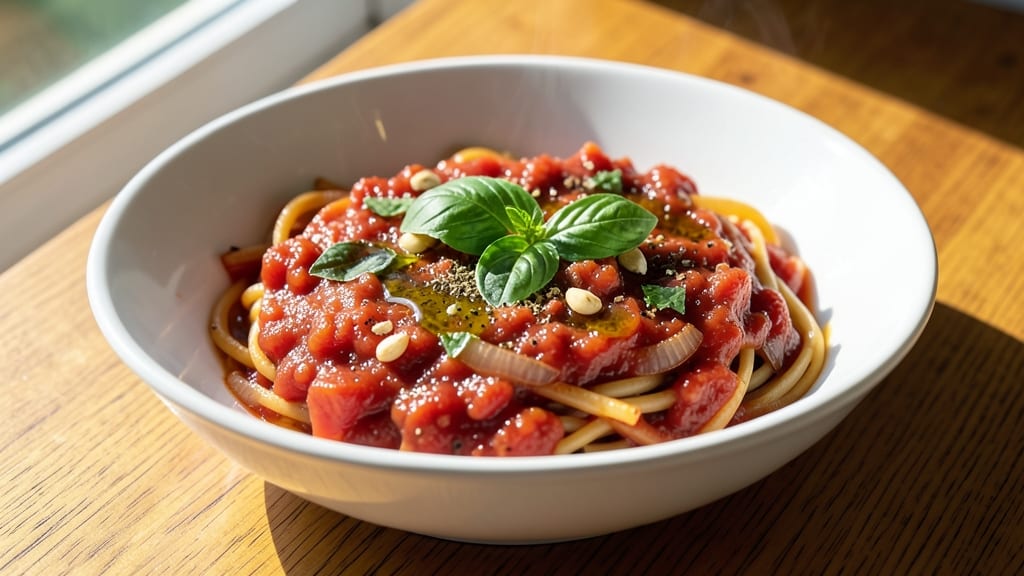
This spaghetti sauce recipe delivers the kind of slow-simmered depth that transforms ordinary pasta into a restaurant-worthy meal. The secret lies in balancing simple pantry staples—canned tomatoes, garlic, and herbs—with precise cooking techniques that develop rich, layered flavors over time.
I’ve perfected this method after years of testing, ensuring every spoonful delivers that perfect umami punch without requiring specialty ingredients.
What sets this sauce apart is its versatility—use it fresh over al dente spaghetti or store it for up to a week, letting the flavors deepen even more.
The process involves a 30-minute simmer that caramelizes natural sugars in the tomatoes, creating a glossy, velvety texture with just the right balance of acidity and sweetness. No blending required; the sauce thickens naturally as it cooks, clinging perfectly to pasta without turning mushy.
The result is a sauce that’s bold yet balanced, with a deep, savory base that pairs equally well with garlic bread or a sprinkle of fresh basil. The slow cooking process reduces the sauce to a concentrated, flavorful consistency, making it ideal for meal prep or last-minute dinners.
Once you taste the difference between this and store-bought versions, you’ll never go back.
Perfect for weeknight dinners, potlucks, or freezing for future meals, this sauce proves that great flavor doesn’t require complexity. Let’s get cooking—your pasta nights just got an upgrade.
Ingredients for speghetti sauce
Pantry staples that transform into restaurant-quality spaghetti sauce with just 30 minutes of simmering.
| Ingredient | Amount | Notes |
|---|---|---|
| Crushed San Marzano Tomatoes 🍅 | 28 oz | High-quality canned, no salt added |
| Extra-Virgin Olive Oil 🫒 | ½ cup | Fruity, peppery variety preferred |
| Yellow Onion 🧅 | 1 whole | Medium size, finely diced |
| Garlic Cloves 🧄 | 5 cloves | Fresh, minced or finely chopped |
| Fresh Basil Leaves 🌿 | ½ cup | Packed, stems removed |
| Dried Oregano 🍃 | 1 tsp | Italian or Mediterranean blend |
| Red Wine 🍷 | ½ cup | Dry, bold like Chianti or Cabernet |
| Tomato Paste 🍅 | 2 tbsp | Smooth, no sugar added |
| Granulated Sugar 🍚 | 1 tsp | Balances acidity |
| Diamond Crystal Kosher Salt 🧂 | 1 ½ tsp | Adjust to taste |
The tomatoes are non-negotiable—San Marzano is the gold standard, but any high-quality canned tomatoes with no added salt will work. I always grab Mueller or Rao's from the store, but if you're feeling fancy, hit the Italian market for whole San Marzano cans. The fresh basil? Farmers market has the best, but grocery store basil works if it's bright green and not wilted. For the red wine, any dry, bold variety will do—Chianti or Cabernet are my go-tos, but whatever's open in your fridge works too. The tomato paste is where the depth happens—no sugar added is key, or you'll end up with a sweeter sauce than you want.
No red wine? Extra beef broth or balsamic vinegar works in a pinch, but the acidity will be slightly different. Fresh basil missing? Dried oregano at half the amount gets you close, but it won't have that bright, fresh note. Short on tomato paste? Extra crushed tomatoes will dilute the flavor slightly, but it'll still taste amazing. The sugar is optional, but I always add it—just a teaspoon to balance the acidity from the tomatoes. If you're using pre-salted canned tomatoes, cut the kosher salt in half. And always taste as you go—this sauce builds flavor, so don't be afraid to adjust.
This sauce gets better with time, so make a big batch and store it. It keeps in the fridge for 5-7 days, and freezes beautifully for up to 3 months. I like to portion it into glass jars—just enough for one meal—so I can grab and go. If you're freezing, let it cool completely first. The flavors meld even more overnight, so if you can wait, do it. And trust me, the first time you use this sauce instead of store-bought, you'll never go back.
Why You'll Love This Recipe
- Here’s what sold me: it’s cheap to make but tastes like a fancy restaurant dish. A single can of San Marzano tomatoes, a few cloves of garlic, and a handful of basil stretch to feed four for under $8. Plus, leftovers taste just as good reheated the next day—no sad, watery sauce here.
- No-Fuss Simplicity: I swear by this sauce because it’s the kind of recipe that doesn’t demand your full attention—just a pot, a spoon, and 20 minutes while you do something else. Crush those San Marzano tomatoes by hand (or grab a can—no judgment), toss in the onion and garlic, and let them caramelize in the olive oil until the kitchen smells like a Sunday afternoon.
- Sunshine in a Jar: That first bite? It’s like summer in a bowl. The San Marzano tomatoes bring sweetness without cloying, the garlic sings when it’s toasted just right, and the basil—fresh, not dried—adds that bright, peppery punch that makes you reach for seconds. Honestly, I’ve never met a store-bought sauce that comes close.
- Weeknight & Potluck Star: This sauce is my secret weapon for both lazy nights and big gatherings. Freeze half for later, or double the batch to bring to a friend’s dinner—it’s the kind of dish that disappears fast, whether it’s over spaghetti, stuffed shells, or just eaten straight from the pot with crusty bread.
Step-by-step instructions for slow-simmered umami depth with pantry staples
This sauce builds flavor through patience—low heat, proper technique, and the right ingredients.
Sauté Onion and Garlic Until Translucent
Heat the 0.5 cup extra-virgin olive oil in a heavy-bottomed pot over medium heat. Add the finely diced yellow onion and cook for 5-6 minutes, stirring occasionally, until it becomes soft and translucent. This foundational step prevents a raw onion taste in your sauce.
Once the onion is tender, add the 5 minced garlic cloves and cook for another 30 seconds until fragrant. Watch closely—garlic burns quickly, and you want it to perfume the oil without turning bitter. Remove the pot from heat temporarily to prevent burning while you prepare the next ingredients.
Build the Sauce Base with Wine and Tomato Paste
Return the pot to medium heat and pour in the 0.5 cup red wine, scraping up any browned bits from the bottom of the pan. This deglazing step captures all the flavor you've built so far. Let the wine simmer for 3-4 minutes until it reduces by about half, intensifying its flavor.
Lower the heat to medium-low and stir in the 2 tablespoons tomato paste. Cook for 2 minutes, allowing it to bloom and deepen the sauce's umami profile. This step creates a rich foundation that balances the acidity of the tomatoes you'll add next.
Add Tomatoes and Seasonings for Depth
Pour in the 28 oz crushed San Marzano tomatoes, stirring to combine with the wine and tomato paste. Add the 1 teaspoon dried oregano, 1 teaspoon granulated sugar, and 1.5 teaspoons diamond crystal kosher salt. The sugar helps balance the acidity of the tomatoes while the salt enhances all the flavors.
Bring the mixture to a gentle simmer, then reduce the heat to low. Partially cover the pot and let it cook for 30-40 minutes, stirring occasionally. You're looking for a sauce that thickens slightly and develops a rich, concentrated flavor. This slow simmer allows the ingredients to meld together beautifully.
Finish with Fresh Basil and Adjust Seasoning
Once the sauce has simmered for 30-40 minutes, stir in the 0.5 cup fresh basil leaves. Remove the pot from heat and let it sit for 5 minutes to allow the basil to infuse its bright, fresh flavor into the sauce. Taste and adjust the seasoning if needed—you may need a bit more salt or sugar to achieve perfect balance.
For best results, let the sauce sit at room temperature for 10-15 minutes before serving. This resting period allows the flavors to fully develop and the sauce to thicken slightly. Serve over your favorite pasta and enjoy the rich, complex flavors you've created with pantry staples.
Pro Tips For Making Speghetti Sauce
- Sweat the Onion First: I learned this the hard way—chopping onions and tossing them raw into the pot just makes your sauce smell like a sad lunchbox. Instead, cook the diced onion in olive oil over medium-low heat for 8–10 minutes until it’s soft, translucent, and just starting to caramelize. That deep, mellow flavor is the foundation of your sauce, not just a background player.
- Crush Tomatoes by Hand: Canned San Marzano tomatoes are already crushed, but if you’re using whole ones, resist that blender impulse. Use your fingers to break them open in the pot—this keeps the skins whole longer, which means fewer stringy bits in your finished sauce. Plus, the skins add texture and body that blending skips entirely.
- Add Garlic Late: Garlic burns faster than a bad first date. After the onion’s sweated and the tomatoes are simmering, toss in the minced cloves and let them sizzle for no more than 30 seconds—just until fragrant. Any longer, and you’ll taste bitter smoke instead of sweet, mellow garlic. (Yes, even if you’re impatient like me.)
- Stir in Basil at the End: Fresh basil wilts and turns bitter if you cook it too long. Tear the leaves by hand (no need to chop) and add them to the sauce only in the last 5 minutes of cooking, or right before serving. This keeps their bright, herbal punch intact—because nobody wants a sauce that tastes like a sad pesto experiment.
Wine and beer pairings for this recipe
Red Wine Pairings
A bold, dry red wine like Chianti Classico or Cabernet Sauvignon mirrors the sauce’s rich tomato base and umami depth. The tannins in these wines complement the sauce’s acidity, while their fruit notes—black cherry or plum—echo the tomatoes’ natural sweetness.
I always reach for a Chianti when I make this sauce because its bright acidity cuts through the richness without overpowering it. 🍷
For a lighter option, try a Sangiovese from Tuscany—its medium body and herbal notes harmonize beautifully with the basil and oregano in the sauce. If you prefer New World wines, a Malbec from Argentina brings a velvety texture and dark fruit flavors that pair surprisingly well.
Avoid heavy, oaky wines like Chardonnay—they’ll clash with the sauce’s bright, fresh finish.
White Wine Alternatives
If red wine isn’t your thing, a crisp Vermentino or Pinot Grigio works surprisingly well. Their citrusy acidity balances the sauce’s richness, while their mineral notes enhance the tomatoes’ natural sweetness. I’ve used Vermentino from Sardinia with great success—it’s light enough to let the sauce’s flavors shine. 🍷
For a bolder white, a dry Riesling adds a touch of sweetness that complements the sauce’s umami. The slight residual sugar in some Rieslings rounds out the acidity, creating a perfect balance. Just avoid heavy, oaky whites like Chardonnay—they’ll make the sauce taste flat in comparison.
Beer Pairings
A Malty Amber Ale or Brown Ale is my go-to beer pairing for this sauce. The caramel and toasty notes in these beers echo the sauce’s slow-simmered depth, while their moderate bitterness cuts through the richness.
I love Fat Tire or Allagash Brown—both have enough body to stand up to the sauce without overpowering it. 🍺
For a lighter option, a Pilsner or Hefeweizen provides a crisp, refreshing contrast. The hoppy bitterness in a Pilsner cleanses your palate between bites, while the banana and clove notes in a Hefeweizen complement the basil and garlic in the sauce.
Avoid heavy stouts or IPAs—they’ll make the dish taste too heavy.
Non-Alcoholic Options
For a non-alcoholic pairing, try a sparkling blood orange soda like San Pellegrino Aranciata Rossa. The citrus notes brighten the sauce’s richness, while the bubbles cleanse your palate. I also love ginger beer—its spicy kick enhances the garlic and basil flavors in the sauce. 💛
For something more substantial, a dry sparkling water with a splash of balsamic vinegar mimics the acidity of wine. The vinegar’s tanginess balances the sauce’s sweetness, while the bubbles keep the experience refreshing. Avoid sweet sodas—they’ll clash with the sauce’s savory depth.
Nutrition facts
Frequently asked questions
Why does this sauce recipe use red wine instead of broth?
The red wine adds depth and complexity that broth can't match. The alcohol evaporates during cooking, leaving behind concentrated flavors that enhance the umami profile. For a non-alcoholic version, substitute with extra beef broth or balsamic vinegar, but the sauce will have a slightly different character.
Can I make this sauce without tomato paste?
Yes, but the sauce will be less concentrated. Replace the 2 tablespoons tomato paste with an extra 4-6 oz crushed tomatoes. The sauce will still taste great, though it may be slightly thinner and less rich.
How do I prevent my sauce from getting too acidic?
The 1 teaspoon of sugar in the recipe balances the acidity naturally. If your tomatoes taste particularly tart, add an extra ½ teaspoon sugar or a pinch of baking soda (just a tiny amount!) to neutralize. Taste as you go—this sauce builds flavor, so you can always adjust.
What's the best way to store leftover sauce?
Let the sauce cool completely, then store it in airtight containers in the fridge for up to 5-7 days. For longer storage, freeze in glass jars or freezer-safe containers for up to 3 months. Thaw overnight in the fridge for best results. The flavors actually improve over time!
Can I add meat to this sauce?
Brown ½ pound of ground beef, Italian sausage, or pancetta first, then deglaze with the wine before adding the tomatoes. For chicken, use 1 cup shredded rotisserie chicken at the end. Just don't overcook the meat—it should be fully browned before adding to the sauce.