
Sauces & Condiments
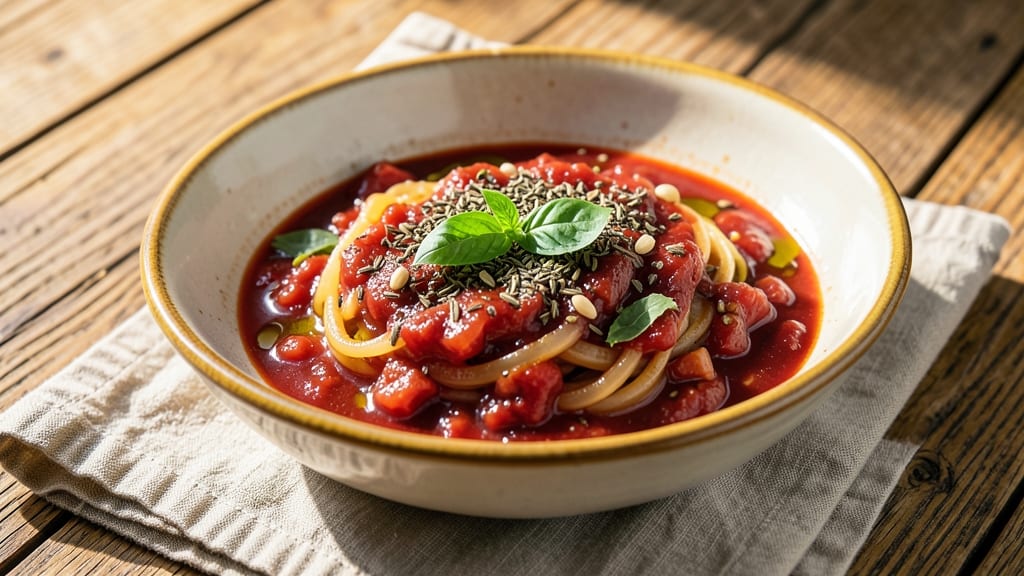
Mastering a Campbell’s spaghetti sauce recipe that turns humble pantry staples into a rich, umami-packed sauce is one of the most rewarding cooking techniques you'll discover.
This homemade version delivers layers of flavor that store-bought can't match—deep tomato notes, aromatic herbs, and a slow-simmered richness that clings to every strand of pasta. I developed this recipe after realizing how easy it is to elevate basic ingredients with proper technique and patience.
The foundation of great spaghetti sauce lies in balancing acidity, sweetness, and depth. A blend of crushed tomatoes, garlic, and onions forms the base, while aromatic herbs like oregano and basil build complexity.
The key is simmering low and slow—this allows flavors to meld and intensify, creating a sauce that's both vibrant and deeply savory. Unlike canned versions, this one develops real character over time.
By the time you're done, you'll have a velvety sauce with concentrated tomato flavor, subtle sweetness, and a perfect balance of acidity. It's rich enough to stand alone but versatile enough to pair with pasta, meatballs, or grilled chicken.
The best part? It tastes even better the next day as flavors continue developing in the fridge.
Store leftovers for up to 5 days in an airtight container, or freeze portions for up to 3 months. This sauce becomes the centerpiece of Italian meals—transforming simple ingredients into something restaurant-quality without the fuss. Let's create depth in your kitchen.
Ingredients for campbell's spaghetti sauce
Ten pantry staples transform into a velvety sauce with restaurant-quality depth and umami richness.
| Ingredient | Amount | Notes |
|---|---|---|
| Crushed Tomatoes 🍅 | 28 oz | San Marzano preferred for sweetness |
| Onion 🧅 | 1 whole | Yellow or red, finely diced |
| Garlic Cloves 🧄 | 6 cloves | Freshly minced for aromatic depth |
| Extra-Virgin Olive Oil 🫒 | ⅓ cup | High-quality, fruity variety |
| Dried Oregano 🍃 | 1 ½ tsp | Mexican oregano preferred |
| Dried Basil 🌿 | 1 tsp | Or 0.25 cup fresh basil leaves |
| Granulated Sugar 🍚 | 1 tbsp | Balances acidity naturally |
| Red Wine Vinegar 🍷 | 1 tbsp | For bright acidity |
| Salt 🧂 | 1 ½ tsp | Diamond Crystal preferred |
| Black Pepper 🌶️ | ½ tsp | Freshly cracked for warmth |
The San Marzano crushed tomatoes are non-negotiable for their natural sweetness and low acidity—Whole Foods or specialty Italian markets carry them in cans. If unavailable, Muir Glen is a reliable alternative, though slightly less refined. The onion and garlic form the aromatic backbone; yellow onions add mild sweetness, while red onions introduce a subtle brightness. For the olive oil, California extra-virgin brands like Corto or Filippo Berio elevate the sauce's richness without overpowering the tomato base. Store-bought dried herbs like Penzeys Mexican oregano deliver superior depth compared to generic supermarket blends.
No crushed tomatoes? High-quality tomato paste (like Bertolli) plus water creates a concentrated base—simply mix 2 tbsp paste with 1 cup water to approximate the 28 oz can. Substitute red wine vinegar with lemon juice at half the amount, though the flavor profile shifts slightly. Fresh basil transforms the sauce dramatically; if using dried, reduce to one-third the amount and toast lightly in a dry pan to intensify flavor. For a deeper umami profile, add 1 tsp fish sauce or 1 tbsp soy sauce—both work surprisingly well without overpowering the Italian character. The sugar and vinegar balance is critical; adjust to taste after simmering.
This sauce develops complexity over time—reheat gently on the stove to preserve texture, adding a splash of water if needed. Store in airtight glass containers for up to 5 days in the refrigerator, where flavors continue melding. For longer storage, freeze in 1-cup portions for up to 3 months; thaw overnight in the fridge before reheating. The sauce thickens as it cools, so a quick stir with a splash of water restores ideal consistency. Portion into small jars for easy grab-and-go meals, or freeze flat for space efficiency.
Why You'll Love This Recipe
- Pantry-to-Pot Magic: I swear by this recipe because it turns five ingredients into something restaurant-worthy without a single trip to the store. Just crushed tomatoes, a quick onion chop, and a splash of olive oil—no fancy prep, no stress.
- Garlic Kiss: That moment when the garlic hits the oil? Pure flavor payoff. The crushed tomatoes mellow out just enough to let the oregano and garlic shine—like a warm hug in a bowl.
- Lazy Meal Prep: Between us, this is my go-to for busy nights. Double the batch, freeze half, and you’ve got a ready-to-heat dinner for when you’re too tired to think. (Yes, even on a Tuesday night.)
- Budget Hero: A can of tomatoes, an onion, and a few cloves of garlic? This sauce costs pennies but tastes like you spent hours. Honestly, it’s the kind of recipe that makes me feel like a cooking genius without breaking the bank.
Step-by-step instructions for pantry staples simmered into deep umami flavor
Here's how to transform simple pantry ingredients into a rich, layered tomato sauce with professional depth.
Sauté Aromatics to Build Flavor Foundation
Heat the 0.33 cup extra-virgin olive oil in a heavy-bottomed saucepan over medium heat. Add the 1 whole onion, finely diced, and cook for 8-10 minutes until softened and translucent, stirring occasionally. The onion should develop a golden hue without browning—this prevents bitterness and creates a sweet base.
Add the 6 cloves garlic cloves, freshly minced, and cook for 30 seconds until fragrant. Here's the thing—garlic burns quickly, so keep the heat at medium and stir constantly. The moment you detect a toasted aroma, remove the pan from heat briefly if needed. This aromatic layer forms the flavor backbone of your sauce.
Incorporate Tomatoes and Acid for Balance
Return the pan to medium heat and add the 28 oz crushed tomatoes, stirring to combine. Increase heat to medium-high and bring to a gentle simmer. Add the 1 tbsp red wine vinegar and 1 tbsp granulated sugar—this combination brightens the acidity while balancing the tomatoes' natural tartness.
Let the sauce simmer uncovered for 15 minutes, stirring occasionally. You'll see the sauce reduce slightly and develop a glossy sheen. This reduction concentrates the flavors and removes excess water that would dilute your final product. The sugar will caramelize slightly, adding subtle sweetness that rounds out the acidity.
Season and Simmer for Depth
Reduce heat to low and stir in the 1.5 tsp dried oregano, 1 tsp dried basil, 1.5 tsp salt, and 0.5 tsp black pepper. Mexican oregano adds earthy complexity, while the basil contributes herbal brightness. Let the sauce simmer gently for 20-25 minutes, stirring occasionally, until it thickens to your desired consistency.
For a smoother texture, use an immersion blender to lightly blend about half of the sauce, then stir it back in. This creates a velvety mouthfeel without losing the rustic texture. Taste and adjust seasoning—you may need an additional ½ tsp salt or ½ tsp sugar depending on your tomatoes' natural acidity level. The sauce should coat the back of a spoon with a rich, velvety consistency.
Rest and Finish for Maximum Flavor
Remove the sauce from heat and let it rest for 10 minutes at room temperature. This resting period allows the flavors to meld completely and the sauce to thicken further as it cools. The residual heat continues cooking the sauce gently, developing its depth without risking over-reduction.
Before serving, give the sauce a final taste and adjust seasoning if needed. The sauce should be vibrant red with a glossy finish, carrying all the aromatic notes from the onions and garlic. Serve immediately over al dente pasta or store in an airtight container in the refrigerator for up to 5 days, or freeze for 3 months. The flavors will continue developing as it rests.
Pro Tips For Making Campbell'S Spaghetti Sauce
- Sweat the Onion First: I learned this the hard way—skipping the slow cook over medium heat until the onion turns translucent (about 5-6 minutes) just makes the flavor one-dimensional. The crushed tomatoes need that sweet, soft base to shine, so don’t rush it.
- Crush That Garlic: Minced garlic burns fast and turns bitter. For this sauce, smash the cloves with the flat side of your knife first, then finely chop—it’ll release flavor without turning the oil bitter. (Yes, even if you’re impatient like me.)
- Salt the Tomatoes Early: The crushed tomatoes taste bland at first because they’re packed with acid. Toss them with 1 teaspoon of salt as soon as they hit the pot and let them sit for 10 minutes before adding anything else. It mellows the acid and wakes up the flavor.
- Deglaze with a Splash: After cooking the onion and garlic, don’t just add the tomatoes—give the pot a quick deglaze with 2 tablespoons of water or white wine first. Scrape up those browned bits; they’re packed with flavor that’ll disappear if you skip this. (Your future self will notice.)
Regional styles of campbell's spaghetti sauce
Classic Italian Style
This version stays true to the original Campbell's inspiration by focusing on the tomato-forward profile with San Marzano tomatoes as the star. The Italian approach emphasizes slow simmering over medium-low heat for 45-60 minutes to develop deep, caramelized flavors.
I add 1 tsp tomato paste to the onions before adding tomatoes for extra richness, and finish with fresh basil leaves just before serving to preserve their bright aroma. 🌿
Southern U.S. Twist
For a Southern-inspired take, I swap Mexican oregano for regular dried oregano and add ½ tsp smoked paprika along with the garlic. The key difference? A 5-minute caramelization of the onions until deeply golden, which adds sweetness that pairs beautifully with the red wine vinegar.
This version works perfectly with fried chicken or sausage for a hearty meal. 🍗
Spicy Sicilian Variation
Bring the heat with 1 tbsp Calabrian chili paste stirred into the tomatoes during the initial simmer. For extra depth, I add 1 tsp fennel seeds toasted in the olive oil with the onions.
Finish with red pepper flakes and a squeeze of lemon juice before serving. This version is bold enough to stand up to grilled shrimp or chicken parmesan. 🌶️
Creamy Northern Italian
Transform this into a creamy ragù by adding ½ cup heavy cream or whole milk during the final 10 minutes of simmering. I also incorporate 1 cup finely chopped pancetta cooked with the onions for extra richness.
This version pairs perfectly with egg noodles or gnocchi for a comforting meal. The sauce should be thick enough to coat the back of a spoon. 🧀
Mexican-Inspired Fusion
For a bold fusion, I add 1 tsp ground cumin and ½ tsp cinnamon with the spices, along with 1 diced chipotle pepper (seeds removed) for smoky heat.
Serve this over corn tortillas with shredded cheese and avocado for a unique twist on traditional spaghetti. The sweetness of the tomatoes balances the spices beautifully. 🌮
Herb-Forward French Provencal
Elevate the sauce with 1 tsp dried thyme and ½ tsp dried rosemary along with the oregano and basil. Add 1 bay leaf during the simmer and remove it before serving.
Finish with fresh tarragon for a sophisticated twist. This version pairs wonderfully with roasted chicken or duck confit for an unexpected flavor combination. 🌿
Nutrition facts
Frequently asked questions
Why does my homemade spaghetti sauce taste flat compared to store-bought?
Store-bought versions often use concentrated tomato paste and extended simmering to develop depth. For richer flavor, simmer your sauce for at least 45 minutes and add 1 tsp tomato paste with the onions. The key is patience—slow cooking intensifies natural sweetness and umami. Fresh herbs like basil added at the end also make a difference!
Can I make this sauce without fresh garlic?
Use 1 tsp garlic powder or ½ tsp granulated garlic instead of fresh. For extra depth, toast the powder in the olive oil with the onions for 30 seconds to enhance its flavor. The sauce will still develop a rich, aromatic profile—just slightly different in complexity.
How do I adjust the thickness of the sauce?
For a thicker sauce, simmer uncovered for 10-15 extra minutes to reduce liquid. If too thick, stir in 1-2 tbsp water or pasta water while reheating. The ideal consistency coats the back of a spoon but remains spoonable. Remember, sauces thicken as they cool, so adjust before serving.
What's the best way to freeze leftover sauce?
Cool the sauce completely, then portion into airtight containers or freezer bags. Leave ½-inch headspace to prevent expansion cracks. Freeze flat for space efficiency and thaw overnight in the fridge. For best quality, use within 3 months—the sauce will retain its rich flavor but may separate slightly upon thawing.
Can I make this sauce vegetarian?
This recipe is already vegetarian! For extra richness, add 1 tbsp nutritional yeast or ½ cup mushrooms sautéed with the onions. The umami from these ingredients will enhance the sauce's depth. Just omit any accidental meat-based ingredients like pancetta in variations.