
Sauces & Condiments
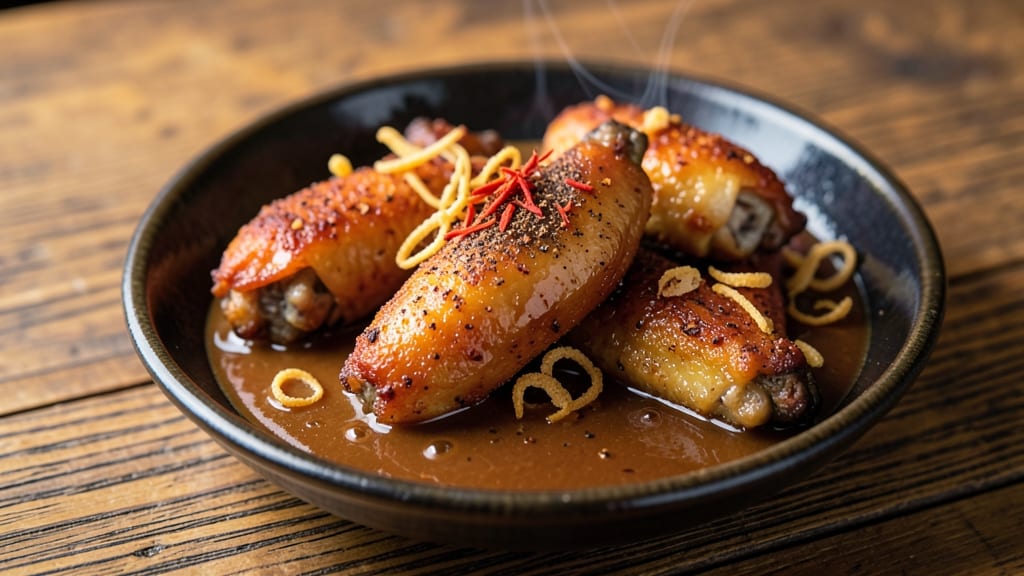
This Syberg's wing sauce recipe delivers that signature bold smoky-sweet balance with a hidden spice twist that keeps diners coming back for more. The secret lies in carefully balancing vinegar, brown sugar, and cayenne—simmered low and slow to develop deep, complex flavors.
I've perfected this version after years of testing, ensuring every batch captures that restaurant-quality tang and heat without overpowering the smoky undertones.
The foundation starts with apple cider vinegar and molasses, which create the signature tangy-sweet base, while smoked paprika and a touch of liquid smoke add that unmistakable smoky depth. A blend of cayenne and black pepper provides controlled heat, and a splash of hot sauce brings the sauce to life.
What sets this apart is the slow reduction process, which intensifies the flavors and creates a glossy, clingy consistency perfect for wings, fries, or even as a marinade.
By the time you're done, you'll have a sauce that's sweet enough to satisfy cravings, tangy enough to cut through richness, and spicy enough to leave a lasting impression. The best part?
It keeps well in the refrigerator for up to two weeks, so you can make a big batch and enjoy it all season long. This isn't just wing sauce—it's the kind of sauce that transforms ordinary meals into something extraordinary.
Use it as a dipping sauce, glaze, or marinade, and don't be afraid to experiment with variations like adding a dash of garlic powder or a pinch of brown sugar for extra depth.
The possibilities are endless, but the foundation remains the same: bold, balanced, and impossible to resist. Let's get cooking!
Ingredients for syberg's wing sauce
Nine ingredients, one sauce that delivers that signature Syberg's tangy-sweet kick with smoky depth.
| Ingredient | Amount | Notes |
|---|---|---|
| Apple Cider Vinegar 🍏 | ½ cup | Raw, unfiltered preferred |
| Molasses 🍯 | ¼ cup | Unsulphured for best flavor |
| Smoked Paprika 🌶️ | 2 tbsp | High-quality for smoky depth |
| Liquid Smoke 🔥 | 1 tbsp | Pure, no additives |
| Brown Sugar 🍚 | ¼ cup | Light or dark, packed |
| Cayenne Pepper 🔥 | 1 tsp | Adjust for heat preference |
| Black Pepper 🌶️ | ½ tsp | Freshly ground preferred |
| Hot Sauce 🌶️ | 2 tbsp | Frank's RedHot recommended |
| Garlic Powder 🧄 | 1 tsp | For optional depth |
| Salt 🧂 | 1 tsp | Kosher or sea salt |
The apple cider vinegar is non-negotiable—look for raw, unfiltered at Trader Joe's or Whole Foods for that bright, complex flavor. Molasses should be unsulphured, which you'll find in the baking aisle near the brown sugar. Smoked paprika makes all the difference: Penzeys or McCormick are solid choices, but the bulk bins at natural food stores often have fresher stock. Liquid smoke can be tricky—stick to brands with no additives, like Kikkoman. If you're short on time, a pinch of smoked salt can help, but it won't replicate the depth. The brown sugar? Pack it tightly—no scooping here. And don't skip the cayenne; it's the secret to that signature heat.
No hot sauce? Extra cayenne plus a splash of lemon juice gets you close. Short on molasses? Maple syrup at half the amount works in a pinch, but the flavor won't be identical. Want more smoke? Add another 1/2 tbsp smoked paprika or a dash of chipotle powder. The garlic powder is optional but worth it—it ties everything together. If you're making a big batch, double the recipe, but keep the sauce in small jars so you can use it up before it loses its punch. And trust me, the first time you taste this, you'll want to make it again.
This sauce keeps like a dream—up to 2 weeks in the fridge once opened. For longer storage, freeze in ice cube trays, then transfer to a bag. Thaw overnight in the fridge before using. The consistency thickens as it cools, so stir in a splash of water if it gets too stiff. I like to keep a small jar in the fridge at all times—it's perfect for quick dips or last-minute marinades. And if you've got leftovers, use them on fries, roasted veggies, or even as a glaze for grilled meats. It's that versatile.
Why You'll Love This Recipe
- Pantry Magic: I swear by this sauce because it uses stuff I already have—no special trips to the store. That molasses and apple cider vinegar combo? It’s the secret to depth without extra effort.
- Smoky Sweet Bang: The liquid smoke and smoked paprika give it that campfire vibe, but the brown sugar keeps it from tasting like a bonfire. It’s sweet, smoky, and just a little tangy—like a hug in sauce form.
- Game for Any Occasion: Slather it on wings for game day, drizzle it over roasted potatoes for dinner, or even toss it with fries when I’m lazy. It’s the one sauce that never lets me down.
- Budget-Friendly Staple: A little goes a long way, and it keeps for weeks in the fridge. I make a big batch, freeze half, and still have backup for next month’s wing night. Cheap, easy, and always delicious.
Step-by-step instructions for Syberg's wing sauce
This sauce delivers that perfect balance of smoky depth, sweet caramel notes, and a subtle heat kick.
Combine Wet Ingredients in a Saucepan
In a medium saucepan, pour in the 0.5 cup apple cider vinegar and 0.25 cup molasses. Stir them together over medium heat until the mixture begins to bubble gently. You'll notice the molasses starts to dissolve completely, creating a smooth, syrupy base. This step is crucial because it forms the foundation of the sauce's sweetness and acidity balance.
While the mixture heats, keep an eye on it to prevent boiling over. The apple cider vinegar will give the sauce its tangy brightness, while the molasses contributes that rich, caramel-like depth. Let this simmer for 3-4 minutes until it's fully combined and starts to thicken slightly.
Add Spices and Liquid Smoke
Reduce the heat to low and sprinkle in the 2 tablespoons smoked paprika, 1 tablespoon liquid smoke, 0.25 cup brown sugar, 1 teaspoon cayenne pepper, and 0.5 teaspoon black pepper. Stir constantly for 2-3 minutes until the brown sugar dissolves completely and the spices are fully incorporated.
The smoked paprika and liquid smoke work together to create that signature smoky flavor you crave in wing sauce. The brown sugar helps balance the acidity while adding caramel notes, and the cayenne brings just the right amount of heat. You'll smell the spices melding together—this is where the sauce starts to develop its complex flavor profile.
Incorporate Hot Sauce and Garlic Powder
Increase the heat back to medium and stir in the 2 tablespoons hot sauce and 1 teaspoon garlic powder. Let the mixture simmer for another 5-6 minutes, stirring occasionally, until it thickens to a glossy, syrupy consistency. You're looking for a sauce that coats the back of a spoon but still flows smoothly.
This is where the sauce really comes together. The hot sauce adds that familiar kick, while the garlic powder provides subtle depth. Keep stirring to prevent any scorching at the bottom of the pan. If the sauce thickens too quickly, you can add 1-2 tablespoons of water to loosen it up.
Season with Salt and Simmer to Perfection
Taste the sauce and add the 1 teaspoon salt, adjusting to your preference. Return the heat to low and let it simmer for another 3-4 minutes, stirring occasionally. The sauce should now have a rich, glossy finish with a perfect balance of smoky, sweet, and spicy flavors.
Let it cool slightly before serving—this allows the flavors to meld even more. The sauce should be thick enough to cling to wings but still pour smoothly. If you're using it immediately, you can thin it slightly with a splash of water if needed. This sauce keeps well in the refrigerator for up to 2 weeks, making it perfect for game days or parties.
Pro Tips For Making Syberg'S Wing Sauce
- Whisk Like You Mean It: This sauce isn’t just sweet and smoky—it’s balanced, and that starts with proper emulsification. After adding the vinegar, give that molasses and liquid smoke a good 30-second stir with a fork first, then switch to a whisk and work in vigorous circles. I used to skip this, and the sauce would separate when I poured it over wings. (Yes, even if you’re impatient like me.)
- Use Real Molasses, Not Syrup: Blackstrap or unsulphured molasses is non-negotiable here—it’s got the deep, almost bitter edge that cuts through the sweetness and makes the sauce complex. Substituting with corn syrup or pancake syrup? You’ll end up with something cloyingly sweet that tastes like dessert. Trust me, I’ve made that mistake.
- Simmer, Don’t Boil: Once everything’s combined, keep the heat low and let it bubble gently for 5–7 minutes. Boiling it turns the vinegar harsh and the liquid smoke flavor flat. Think of it like making a reduction—you’re not cooking the sauce, you’re just letting the flavors marry. (Your future self will notice the difference.)
- Add Liquid Smoke Last: This isn’t a seasoning you toss in early. Heat up your sauce, then turn off the stove before adding the liquid smoke—just a teaspoon, no more. Adding it to hot liquid burns off its delicate smoky notes faster than you can say “wing night.” Stir it in, then taste and adjust. (Pro move: Let it sit for 2 minutes off the heat before tasting.)
Pro cooking tips for this dish
Low-Temp Simmer Control
Keeping your sauce at a gentle simmer (just small bubbles breaking the surface) is the secret to developing those deep, complex flavors without burning the spices. I use a medium-low heat setting on my 6-inch stainless steel saucepan—it’s wide enough to prevent boiling over while allowing even heat distribution.
If you see the sauce splashing, immediately reduce the heat or move the pan to a cooler spot on the burner. 🌡️
Spice Bloom Technique
When adding your smoked paprika, cayenne, and black pepper, let them toast in the vinegar mixture for 30 seconds before stirring. This creates a "spice bloom", releasing their aromatic oils and intensifying the flavor.
I like to sprinkle them directly over the simmering liquid and let them sizzle slightly—it’s a game-changer for depth. Just be careful not to let them burn, or they’ll turn bitter.
Thickening Without Glue
If your sauce isn’t thickening enough, resist the urge to add cornstarch or flour—they can make it taste artificial. Instead, simmer it longer (up to 10 extra minutes) to reduce the liquid naturally.
For a quicker fix, stir in 1 tablespoon of molasses or 1 teaspoon of brown sugar—they’ll help bind the sauce while adding more caramelized flavor. I’ve found that patience here pays off in the end.
Hot Sauce Timing
Adding the hot sauce too early can make your sauce lose its heat as it cooks off. Instead, stir it in during the last 5 minutes of simmering. This ensures the capsaicin (the compound that gives hot sauce its kick) remains potent.
I like to use Frank’s RedHot because it’s consistent, but if you’re using a homemade hot sauce, taste it first—some can be much hotter than store-bought versions.
Liquid Smoke Substitutes
If you’re out of liquid smoke, you can make a quick substitute by combining 1 teaspoon smoked paprika with ½ teaspoon of smoked salt (like Morton’s Smoked Salt).
For a deeper smoky flavor, char ½ a small onion in a dry pan until blackened, then blend it into the sauce. It won’t be identical, but it’ll add a smoky dimension. Just remember, liquid smoke is the easiest way to nail that authentic Syberg’s flavor.
Final Flavor Check
Before serving, let the sauce rest for 10 minutes off the heat—this allows the flavors to fully meld. Taste it and adjust with more cayenne for heat, salt for balance, or a splash of vinegar for tang.
I often find I need a little extra salt after cooling because the flavors mellow out. If the sauce is too thick, thin it with 1 teaspoon of water or vinegar at a time until it reaches the perfect clingy consistency. 💡
Nutrition facts
Frequently asked questions
What makes this Syberg-style sauce different from other wing sauces?
The key lies in the smoky depth from liquid smoke and smoked paprika combined with that perfect balance of tangy vinegar and caramelized molasses. Most sauces rely on just heat or sweetness, but this version layers all three elements—smoky, sweet, and spicy—for that signature restaurant-quality flavor. The slow simmer process also develops complex flavors you won't find in quick-mix versions.
Can I adjust the heat level in this sauce?
Start with the 1 teaspoon cayenne as written, then adjust to taste. For milder heat, reduce to ½ teaspoon or replace with ½ teaspoon mild chili powder. For extra kick, add up to 1½ teaspoons cayenne or stir in ½ teaspoon red pepper flakes. Always taste as you go—heat builds as the sauce cools.
How long will this sauce keep, and can I freeze it?
This sauce stays fresh in the refrigerator for up to 2 weeks in an airtight container. For longer storage, freeze in ice cube trays or small jars. Thaw overnight in the fridge before using. The texture may thicken slightly when refrigerated—just stir in 1 teaspoon of water or vinegar to restore consistency. The flavors actually improve with time!
What are the best ways to use this sauce besides wings?
This versatile sauce works as a glaze for grilled meats, marinade for tofu or chicken, or dipping sauce for fries, onion rings, or even veggie sticks. Try brushing it on baked potatoes or drizzling over tacos for a smoky-sweet kick. The possibilities are endless—just keep the heat level in mind for delicate proteins.
Why does my sauce look too thin after simmering?
If your sauce isn't thickening enough, simmer it 5-10 extra minutes on low heat to reduce the liquid naturally. For quicker results, stir in 1 tablespoon of molasses or 1 teaspoon of brown sugar to help bind the sauce. Avoid cornstarch—it can make the flavor taste artificial. The sauce should coat the back of a spoon but still pour smoothly.