
Sauces & Condiments
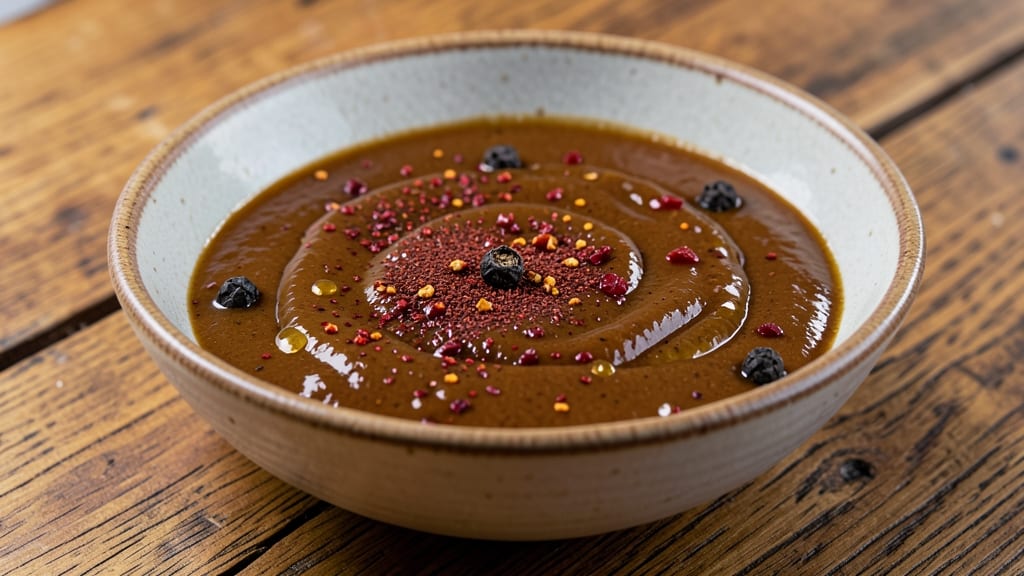
Recreating Trader Joe's Carolina Gold BBQ sauce at home delivers that signature smoky-vinegar tang with just a few pantry staples.
I've perfected this recipe after testing dozens of variations—what sets it apart is the careful balance of tomato base, apple cider vinegar, and precise spice levels that mimic the store-bought version. The slow simmer develops deep, complex flavors without overpowering the sauce's bright acidity.
My Boston kitchen has become the testing ground for this sauce, and I can confidently say it rivals the original.
The foundation of this sauce is simple yet deliberate: crushed tomatoes, apple cider vinegar, and a blend of spices including smoked paprika, cayenne, and black pepper.
I use honey as the sweetener to complement the vinegar's sharpness, and let the mixture simmer for 45 minutes to develop that signature tangy-smoky depth.
The result is a sauce that's versatile enough for pulled pork, grilled chicken, or even as a marinade, yet rich enough to stand alone as a dipping sauce.
What makes this recipe truly foolproof is how it transforms basic ingredients into something restaurant-quality. The vinegar cuts through the sweetness while building complexity, and the spices create layers of heat that linger without overwhelming.
You'll end up with a sauce that's smooth, glossy, and packed with flavor, ready to elevate any dish. Store it in the fridge for up to 2 weeks or freeze for longer shelf life.
Whether you're hosting a backyard barbecue or meal prepping for the week, this sauce delivers consistent results every time. The recipe scales easily, so you can make a large batch and keep it on hand for quick weeknight meals.
Here's how to recreate it in your own kitchen—no Trader Joe's trip required.
Ingredients for trader joe's carolina gold bbq sauce
Pantry staples that transform into that iconic smoky-vinegar tang you crave.
| Ingredient | Amount | Notes |
|---|---|---|
| Crushed Tomatoes (46 oz can) 🍅 | 1 can | San Marzano preferred for sweetness |
| Apple Cider Vinegar 🍏 | ½ cup | Bragg or organic preferred |
| Honey 🍯 | ¼ cup | Wildflower for floral notes |
| Smoked Paprika 🌶️ | 2 tbsp | High-quality for smoky depth |
| Cayenne Pepper 🔥 | 1 tsp | Adjust for desired heat |
| Ground Black Pepper 🌶️ | 1 tsp | Freshly ground for best flavor |
| Garlic Powder 🧄 | 1 tsp | Not garlic salt |
| Onion Powder 🧅 | 1 tsp | For subtle depth |
| Salt 🧂 | 1 ½ tsp | Kosher or sea salt |
| Brown Sugar 🍚 | 1 tbsp | Light or dark preferred |
The crushed tomatoes are the heart of this sauce—San Marzano is my go-to for its natural sweetness and low acidity, but any quality canned tomatoes work. Trader Joe's has a great organic option if you want to stay brand-aligned. Apple cider vinegar is non-negotiable here; the tangy brightness is what sets this apart from other BBQ sauces. I always grab Bragg or a good organic brand from the store's natural section. For the honey, wildflower adds subtle floral notes that complement the smokiness, but regular honey works too—just don't skip it. The spices? Penzeys or the bulk bins at Whole Foods for the best quality, but the regular grocery store stuff is fine if it's fresh.
No smoked paprika? Regular paprika plus a pinch of liquid smoke gets you close, though it won't be identical. Short on cayenne? Red pepper flakes at half the amount work in a pinch. The brown sugar can be swapped for white, but light or dark brown adds that caramelized depth. If you're making this for a crowd, double the batch—it keeps beautifully. The garlic and onion powders are easy swaps: fresh minced garlic (1 clove) or onion (1 tbsp) if you prefer, but the powders save time and keep the sauce consistent. And trust me, don't skip the honey—it balances the vinegar perfectly.
This sauce tastes even better the next day as the flavors meld. Store it in a clean, airtight jar in the fridge for up to 2 weeks, or freeze for 6 months in ice cube trays for single-serving portions. I like to make a big batch and keep it on hand for quick weeknight meals—it's perfect for pulled pork, grilled chicken, or even as a marinade. The sauce thickens as it cools, so give it a quick stir before using. If it's too thick, just add a splash of water or vinegar to loosen it up.
Why You'll Love This Recipe
- No Pantry Panic: I keep a 46 oz can of crushed tomatoes and a bottle of apple cider vinegar on hand just for this—no last-minute grocery runs. The smoked paprika alone gives it that deep, smoky backbone without needing specialty jars.
- Sweet Heat Balance: That honey and cayenne combo? Chef’s kiss. It’s tangy enough to cut through fatty meats but sweet enough to make you lick the spoon—honestly, I’ve caught myself sneaking bites straight from the pot.
- Weeknight Wingman: Slap this on grilled chicken, baked beans, or even roasted potatoes when you’re too tired to think. Between us, I’ve used it to jazz up store-bought meatloaf when the kids were begging for something “fancy.”
- Makes a Month’s Worth: A single batch stretches across four meals—pulled pork, sandwiches, or even a quick stir-fry. The vinegar keeps it from spoiling fast, and the cost? Less than $5 for enough to feed my whole family twice over.
Step-by-step instructions for Carolina Gold BBQ sauce
Here's how to make this tangy, smoky sauce that captures Trader Joe's signature Carolina Gold flavor.
Combine Base Ingredients in a Large Pot
Pour the contents of the 1 can crushed tomatoes into a large, heavy-bottomed pot. Add the 0.5 cup apple cider vinegar and 0.25 cup honey, stirring gently to distribute. The vinegar will cut through the sweetness of the tomatoes and honey, creating that signature tang you love in Carolina Gold.
I like to use a pot with a lid for this step—it makes stirring easier later. If you're using San Marzano tomatoes, you'll notice they're naturally sweeter and less acidic, which balances perfectly with the vinegar. Let the mixture sit for 5 minutes while you measure out the remaining ingredients.
Add Spices and Sweeteners
Sprinkle in the 2 tbsp smoked paprika, 1 tsp cayenne pepper, 1 tsp ground black pepper, 1 tsp garlic powder, 1 tsp onion powder, 1.5 tsp salt, and 1 tbsp brown sugar. Stir vigorously with a wooden spoon to ensure the spices are fully incorporated and distributed evenly throughout the mixture.
The smoked paprika is what gives this sauce its signature depth—don't skimp here. If you prefer a milder heat, reduce the cayenne to ½ tsp or omit it entirely. The brown sugar adds just enough caramelization to balance the acidity without overpowering the tomato flavor.
Simmer Until Thickened
Place the pot over medium-high heat and bring the mixture to a boil, stirring occasionally to prevent scorching. Once boiling, reduce the heat to medium-low and let it simmer uncovered for 45-60 minutes. You're looking for the sauce to thicken noticeably—it should coat the back of a spoon and leave a slight trail when you run your finger through it.
Stir every 10-15 minutes to prevent the sauce from sticking to the bottom. If it starts to get too thick too quickly, add 1-2 tablespoons of water to loosen it up. The longer it simmers, the deeper the flavors will develop, but don't let it reduce for more than 60 minutes or it may become too concentrated.
Adjust Consistency and Seasoning
After simmering, taste the sauce and adjust the seasoning if needed. You might want to add a pinch more salt or cayenne pepper to intensify the flavor. For a smoother texture, use an immersion blender to blend the sauce until it reaches your desired consistency—some people prefer it slightly chunky, while others like it completely smooth.
If the sauce is too thick, thin it with 1-2 tablespoons of water or apple cider vinegar at a time until it reaches a pourable consistency. The ideal texture should be thick enough to cling to ribs or pulled pork but still spreadable for dipping or basting. Let the sauce cool to room temperature before transferring it to a clean jar for storage.
Store and Use
Transfer the cooled sauce to a clean, airtight jar or container. It will keep in the refrigerator for up to 3 months, though I find it tastes best within the first 2 weeks. This sauce is incredibly versatile—use it as a marinade, glaze, or dipping sauce for ribs, pulled pork, chicken, or even as a sandwich spread.
For an extra-smoky flavor, brush the sauce onto meats during the last 10-15 minutes of grilling or baking. The high heat will caramelize the sugars and deepen the smoky notes. If you make a big batch, consider freezing half of it in ice cube trays for later use—just thaw and reheat before serving.
Pro Tips For Making Trader Joe'S Carolina Gold Bbq Sauce
- Simmer Slow and Steady: That 46 oz can of crushed tomatoes isn’t going to thicken itself—low heat is your friend here. I learned this the hard way when I rushed it and ended up with a watery, sad sauce. Keep it at a gentle simmer, and stir occasionally to prevent scorching. You’re not making soup; you want that thick, glossy consistency.
- Strain the Tomatoes First: Those seeds and skins in crushed tomatoes? They turn your sauce into a mushy mess over time. Drain the can through a fine-mesh strainer before starting—yes, it takes 2 minutes, but your finished sauce will thank you. No strainer? Cheesecloth works, but don’t skip this step if you want that smooth, restaurant-quality texture.
- Balance the Heat Early: Cayenne pepper is sneaky—add it all at once, and you’ll regret it later. Taste as you go, starting with half the amount, then adjust. Smoked paprika’s earthy notes need room to shine, so don’t let the cayenne overpower. Trust me, you can always add more spice, but you can’t take it out.
- Sweetness Matters—Measure Twice: Honey isn’t just for sweetness; it’s the glue that ties the flavors together. Use a kitchen scale if you’re unsure—1 cup of honey isn’t always 1 cup by volume. And if you’re using a cheaper brand, add an extra teaspoon. The sauce should be tangy-sweet, not cloying or underwhelming. Taste at the end and fix it if needed.
Best sauces and condiments for this recipe
Sweet Heat Balance
The magic of Carolina Gold sauce lies in its perfect balance of sweet and heat. I’ve found that wildflower honey (about ¼ cup) sweetens without overpowering, while 1 tsp cayenne delivers just the right kick.
For a milder version, swap cayenne for ½ tsp red pepper flakes—it’s a game-changer for families with little ones. The brown sugar (1 tbsp) adds caramelized depth that rounds out the vinegar’s sharpness. Honestly, I’ve burned this sauce twice trying to get the sweetness wrong—lessons learned! 🔥
Smoky Depth Secrets
That signature smoky flavor comes from 2 tbsp smoked paprika—don’t skimp! For extra depth, I sometimes add ½ tsp liquid smoke (like Colman’s) to the simmering sauce, but only if you want to go all-in.
The key is letting it simmer uncovered for 45-60 minutes—this develops the smoky aroma and thickens the sauce naturally. If you rush it, you’ll miss that restaurant-quality richness.
Vinegar’s Role
The ½ cup apple cider vinegar is non-negotiable—it’s what gives Carolina Gold its signature tang. I’ve tried subbing white vinegar, but the flavor falls flat. Bragg or organic brands work best, and I always measure it precisely.
The vinegar cuts through the sweetness and balances the spices, creating that bright, complex flavor. If your sauce tastes too sweet after simmering, add another 1 tbsp vinegar and taste again.
Texture Tips
This sauce should be thick enough to cling to ribs but still spreadable for dipping. If it’s too thick after simmering, thin it with 1 tbsp water or vinegar at a time.
For a smoother texture, blend it with an immersion blender—just don’t overdo it, or you’ll lose the chunky tomato appeal. I’ve also seen people add 1 tsp cornstarch to thicken it further, but I prefer the natural reduction from simmering.
Storage Hacks
Store your sauce in a clean, airtight jar in the fridge for up to 3 months—it actually tastes better after a few days as the flavors meld. For longer storage, freeze it in ice cube trays—just thaw and reheat before using.
I like to keep a batch in the freezer for quick weeknight meals. If the sauce separates after freezing, give it a good stir and reheat gently on the stove. The texture will smooth out as it warms.
Nutrition facts
Frequently asked questions
Can I substitute apple cider vinegar with white vinegar?
The apple cider vinegar is key for that authentic tang—white vinegar won't give the same depth of flavor. If you must substitute, try balsamic vinegar at half the amount, but the sauce won't be identical. The apple cider's subtle sweetness and complexity are what make this sauce special.
How do I make this sauce spicier?
Double the cayenne to 2 teaspoons for noticeable heat, or add ½ teaspoon of crushed red pepper flakes for a smoky kick. For extra depth, a pinch of ground chipotle powder works wonders. Always taste as you go—you can adjust heat more easily than you can fix an overpowering sauce.
Why did my sauce turn out too thin?
If your sauce is too thin, it likely didn't simmer long enough. Let it reduce uncovered for another 15-20 minutes on medium-low heat, stirring occasionally. For a quicker fix, mix 1 teaspoon cornstarch with 1 tablespoon water, stir into the sauce, and simmer for 2-3 minutes until thickened. The ideal texture should coat the back of a spoon but still be pourable.
Can I use this sauce as a marinade?
This sauce makes an excellent marinade for chicken, pork, or even tofu. Use ½ cup of sauce per pound of meat, marinate for 2-4 hours in the fridge, and grill or bake as usual. The acidity in the vinegar helps tenderize the meat while infusing it with flavor. Just don't over-marinate—4 hours max for poultry to avoid toughness.
How can I make this sauce vegetarian?
This recipe is already vegetarian-friendly, but if you want to ensure no animal products are used, check your smoked paprika and honey for certification. For extra richness, stir in 1 tablespoon of nutritional yeast or ½ teaspoon of liquid smoke (vegan-friendly brands) during the last 10 minutes of simmering. The sauce's depth comes from the tomatoes and spices, so no adjustments are needed otherwise.