
Sauces & Condiments
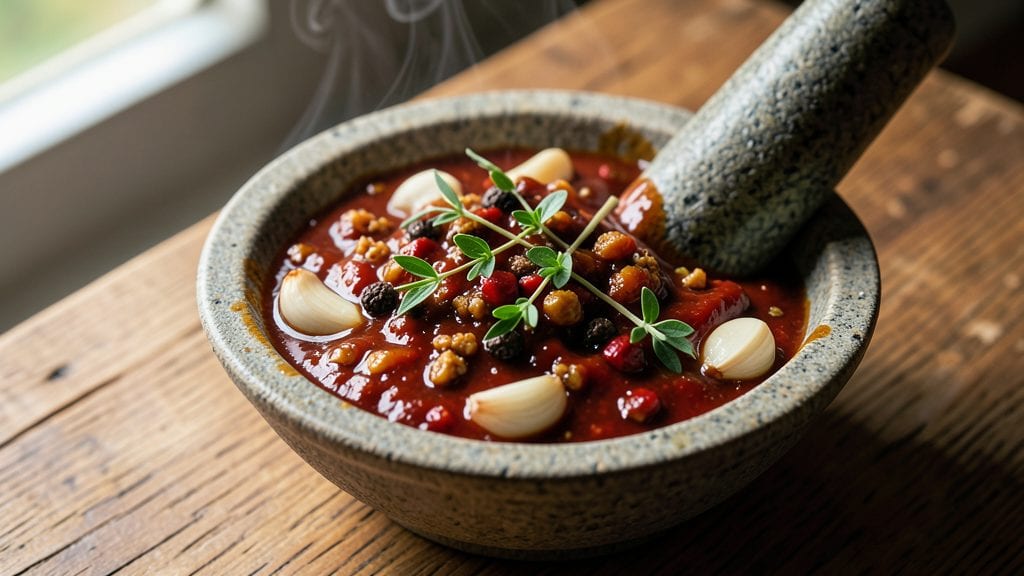
Creating an authentic traditional jerk sauce brings the vibrant flavors of Jamaica to your kitchen with just a few simple ingredients and a little patience. This bold, aromatic sauce balances sweet, spicy, and tangy notes perfectly, transforming grilled meats into restaurant-quality dishes.
The secret lies in the blend of Scotch bonnet peppers, allspice, and thyme—key spices that define jerk seasoning.
This recipe delivers a versatile sauce that works as a marinade, basting glaze, or dipping sauce, all while staying true to Jamaican traditions. With just 15 minutes of prep and 30 minutes of simmering, you’ll have a sauce that’s rich, slightly sticky, and packed with deep, smoky flavors.
The process is straightforward, but the results are anything but ordinary—this is the kind of sauce that elevates simple grilled chicken or pork into a standout meal.
What sets this jerk sauce apart is its balance: the heat from Scotch bonnet peppers is tempered by sweet brown sugar and tangy vinegar, while allspice and thyme add warmth and complexity. The sauce thickens slightly as it simmers, creating a glossy finish that clings beautifully to meat.
Whether you’re cooking for a crowd or meal prepping, this sauce keeps well in the fridge for up to two weeks, making it a pantry staple for bold, Jamaican-inspired flavors.
Use it to marinate chicken, pork, or even tofu before grilling, or brush it on meats while cooking for an extra layer of flavor. The possibilities are endless, but the foundation is always the same: a traditional jerk sauce that delivers authentic heat and depth with every bite.
Let’s get started!
Ingredients for traditional jerk sauce
Pantry staples meet Jamaican boldness—just ten ingredients for restaurant-quality jerk sauce.
| Ingredient | Amount | Notes |
|---|---|---|
| Scotch Bonnet Peppers 🌶️ | 2 whole | Seeds removed for mild heat |
| Allspice Berries 🌿 | 2 tbsp | Ground or whole, toasted |
| Fresh Thyme Leaves 🌿 | ¼ cup | Stems removed, loosely packed |
| Brown Sugar 🍚 | ½ cup | Light or dark, packed |
| White Vinegar 🍶 | ¼ cup | White or apple cider |
| Garlic Cloves 🧄 | 6 cloves | Peeled, roughly chopped |
| Fresh Ginger Root 🌿 | 2 tbsp | Grated, fresh preferred |
| Ground Cumin 🌶️ | 1 tbsp | Freshly toasted for depth |
| Extra-Virgin Olive Oil 🫒 | ½ cup | High quality, fruity |
| Salt 🧂 | 1 tsp | Kosher or sea salt |
The Scotch bonnet peppers are non-negotiable for that authentic jerk heat. Trader Joe's or Latin markets usually carry them fresh, but if you can't find them, habanero peppers work in a pinch—just halve the amount. Allspice berries? Penzeys or bulk spice bins are your best bet for quality. Toast them whole for 2 minutes in a dry pan before grinding—trust me, it’s worth it. Fresh thyme is ideal, but dried works at one-third the amount. The brown sugar here balances the heat, so don’t skimp—muscovado sugar adds molasses depth if you want to get fancy.
No Scotch bonnet? Habanero or even cayenne will get you close, but adjust the amount carefully—start with half and taste as you go. Fresh ginger? Substitute with ground ginger at half the amount, but the texture won’t be the same. The vinegar is key for tang—apple cider vinegar adds subtle fruitiness. Olive oil should be the good stuff; cheap oil makes the sauce taste flat. For extra smokiness, add 1 tsp smoked paprika or a dash of liquid smoke. And if you’re feeling adventurous, a splash of rum or soy sauce can deepen the flavor profile.
This sauce keeps beautifully—two weeks in the fridge sealed tight, or up to six months frozen. Portion it into ice cube trays for easy use later. The flavors actually improve after a day or two as everything melds together. If it thickens too much, just stir in a splash of water or vinegar. And if you make extra? Freeze it in jars—perfect for last-minute marinades or dipping sauces.
Why You'll Love This Recipe
- No-Fuss Blend: I swear by this—just toast the allspice berries and Scotch bonnet in a dry pan for 2 minutes, then toss everything into a blender. No peeling, no fancy techniques, just pulse and go. The vinegar and brown sugar caramelize while you wait, so it’s ready when you are.
- Heat That Stays: That first hit of Scotch bonnet is fiery, but the allspice and thyme smooth it into something complex—smoky, sweet, and lingering. Honestly, the kind of heat that makes you crave it even when you’re not supposed to eat spicy food.
- Weeknight to Party: Slather it on grilled chicken for a Tuesday dinner or drizzle it over slow-cooked pork for a Sunday feast. It’s the same jar, just different vibes—no extra effort, just different results. My roommates steal it for their tacos and their marinades.
- Jar After Jar: Make a big batch—it keeps for months in the fridge—and suddenly you’ve got the secret weapon for takeout nights. I’ve used the same jar to dress up rice bowls, eggs, and even roasted veggies. Budget-friendly? More like flavor-on-a-budget.
Instructions for traditional jerk sauce recipe: bold Jamaican heat with pantry staples
Here's how to make authentic jerk sauce that packs real Jamaican flavor—no shortcuts, just bold taste.
Toast the Spices for Maximum Flavor
Heat a dry skillet over medium heat and add the 2 tablespoons of allspice berries. Toast them for 2-3 minutes until fragrant and lightly browned, stirring constantly so they don't burn. This step unlocks their deep, aromatic potential.
Remove the allspice from heat immediately and transfer to a bowl. Let it cool completely before grinding—this prevents the oil from cooking out. I like to use a mortar and pestle for this, but a clean coffee grinder works too. You should end up with about 1 tablespoon of ground allspice.
Prepare the Fresh Aromatics
Peel and roughly chop the 6 cloves of garlic. Grate the 2 tablespoons of fresh ginger root using a fine grater—you want it very finely textured so it blends smoothly. Remove stems from the 0.25 cup of fresh thyme leaves and chop them finely.
Here's the thing—fresh ginger and thyme make all the difference. If you're using dried thyme, use half the amount (about 0.125 teaspoons), but fresh is definitely worth the effort. The ginger should smell bright and zesty, not sharp or bitter.
Cook the Base Ingredients
In a medium saucepan, combine the 0.25 cup of white vinegar, 0.5 cup of brown sugar, and 1 teaspoon of salt. Bring to a gentle boil over medium heat, stirring until the sugar dissolves completely. This creates the sweet-savory foundation of the sauce.
Add the chopped garlic and ginger to the pan and cook for 2-3 minutes until the raw smell disappears and they become fragrant. You'll know it's ready when the mixture smells like a Jamaican roadside stall—sweet, tangy, and slightly spicy.
Blend Everything Together
Transfer the cooked mixture to a blender along with the ground allspice, chopped thyme, and the seeds-removed Scotch Bonnet peppers. Add the 0.5 cup of extra-virgin olive oil. Blend until completely smooth, scraping down the sides as needed.
The sauce should be thick but pourable, with a vibrant red-orange color from the peppers. If it's too thick, add 1-2 tablespoons of water to reach your desired consistency. Taste and adjust seasoning—you might want to add a pinch more salt or sugar to balance the flavors.
Simmer for Depth of Flavor
Pour the blended sauce back into the saucepan and bring to a gentle simmer over low heat. Let it cook uncovered for 10-15 minutes, stirring occasionally. This slow reduction concentrates the flavors and creates that authentic jerk sauce consistency.
You're looking for a sauce that coats the back of a spoon but still pours easily. If it gets too thick, add a splash of water. The longer you simmer it, the more complex the flavors become—don't rush this step. When you're done, you'll have a sauce that's perfect for marinating chicken, pork, or tofu, or using as a dipping sauce.
Pro Tips For Making Traditional Jerk Sauce
- Toast Allspice Whole: I learned this the hard way—crushing raw allspice berries straight into the sauce makes it bitter. Instead, dry-toast them in a skillet over medium heat for 2-3 minutes until fragrant and slightly darkened. This unlocks their warm, piney depth without overpowering the Scotch bonnet’s fire.
- Seed Scotch Bonnet Right: Cut open that pepper and you’ll see the seeds—don’t just toss them. Scoop out the white pith and the tiny seeds clinging to it, or your sauce will taste like chemical heat instead of smoky Jamaican fire. Rinse the cavity under cold water to remove residual capsaicin if you’re sensitive.
- Simmer Vinegar Low: White vinegar evaporates fast, and if you boil the sauce, you’ll end up with a syrupy mess that’s all sugar and no brightness. Keep the heat at a gentle simmer—just enough to see tiny bubbles breaking the surface—and stir occasionally to prevent scorching.
- Blend Wet Ingredients First: Dump everything into the blender dry, and you’ll clog the motor. Pulse the brown sugar, vinegar, and thyme leaves alone first until smooth, then add the peppers and toasted allspice. This ensures the sauce emulsifies properly and avoids a grainy texture—no one wants to taste their effort.
Creative variations of this dish
Spicy-Sweet Fusion
For a modern twist, blend 1 tbsp of peanut butter into the finished sauce—this adds a nutty richness that pairs beautifully with the heat. I like to use creamy natural peanut butter (like Smucker’s) and add it during the final 5 minutes of simmering.
This fusion works especially well with grilled chicken or tofu skewers, creating a sticky, savory-sweet glaze. 🌶️
Smoky Chipotle Twist
Infuse the sauce with smoky depth by adding 1-2 chipotle peppers in adobo sauce (minced) during the simmering stage. This Mexican-Jamaican mashup adds a deep, smoldering heat that complements the allspice perfectly.
I recommend La Costeña brand for the best flavor. The sauce becomes slightly thicker, so adjust with a splash of water if needed. This version is fantastic for slow-cooked pork shoulder.
Coconut Jerk Glaze
Transform your sauce into a tropical glaze by stirring in ¼ cup of coconut milk during the final 5 minutes of simmering. The creamy coconut balances the heat while adding a subtle sweetness. I use full-fat coconut milk for the best texture.
This variation works brilliantly as a basting sauce for grilled shrimp or fish, creating a caramelized crust. Garnish with toasted coconut flakes for extra flair. 🥥
Herb-Forward Variation
For a brighter, fresher profile, boost the herbs by adding 2 tbsp of chopped cilantro and 1 tbsp of chopped scallions during the blending step. This Caribbean-inspired twist keeps the heat but adds a refreshing, almost salsa-like brightness.
I find this version pairs exceptionally well with grilled mahi-mahi or as a dipping sauce for plantain chips. The herbs should be added after the sauce has cooled slightly to preserve their vibrant color.
Dry Rub Adaptation
Transform your sauce into a dry rub by removing the vinegar and oil, then blending all ingredients into a coarse powder. Mix with 1 tbsp of cornstarch to help it adhere to meats. This version is perfect for smoking brisket or grilling ribs, creating a crusty, flavorful bark.
I like to brush the meat with a little apple cider vinegar before applying the rub to help it stick. The result is a smoky, spicy crust that’s impossible to resist. 🔥
Nutrition facts
Frequently asked questions
Can I substitute Scotch bonnet peppers if I can't find them?
Use habanero peppers as a direct substitute, but reduce the amount by half since they're hotter. For milder heat, try 2-3 cayenne peppers or even 1 tablespoon of hot sauce (like Frank's RedHot) mixed with 1 teaspoon of sugar to mimic the sweet-spicy balance. Always taste as you go.
How long can I store homemade jerk sauce?
Store your sauce in an airtight container in the fridge for up to 2 weeks. For longer storage, freeze it in ice cube trays or small jars for up to 6 months. Thaw overnight in the fridge before using. The flavors actually improve after 24 hours as everything melds together!
What's the best way to use this jerk sauce?
Use it as a marinade (coat meats for 4+ hours before grilling), basting sauce (brush on while cooking), or dipping sauce (serve with grilled chicken or plantains). For extra punch, simmer it with 1 tbsp of soy sauce or 1 oz of dark rum before using.
Why does my jerk sauce taste too sweet?
Too much sugar? Balance it with 1-2 extra tablespoons of vinegar or ½ teaspoon of salt to cut the sweetness. For heat, add ½ teaspoon of cayenne powder or a pinch more ground allspice. If it's still too sweet, simmer uncovered for 5-10 extra minutes to reduce the liquid.
Can I make jerk sauce without a blender?
Yes! Finely chop all ingredients by hand or use a mortar and pestle for the spices. For the sauce base, simmer the vinegar, sugar, and aromatics until thick, then stir in the ground spices and oil. The texture will be slightly chunkier but still delicious—just stir well before using.