
Sauces & Condiments
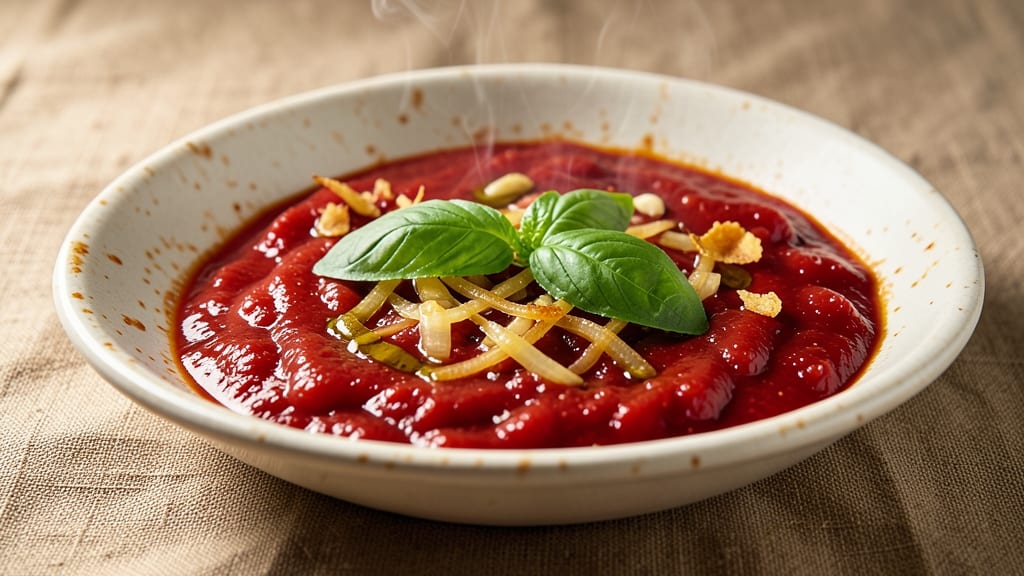
This traditional tomato sauce recipe transforms simple pantry staples into a rich, velvety foundation for your favorite Italian dishes—no fancy ingredients required. The secret lies in slow simmering, where canned tomatoes break down into a deep, caramelized flavor while absorbing aromatic garlic, onions, and herbs.
My version delivers that perfect balance of acidity and sweetness that makes every spoonful irresistible, whether it's slathered over pasta or baked into pizza crust.
The beauty of this sauce is its versatility and simplicity. With just 10 core ingredients, you’ll achieve a professional-quality result that’s foolproof for beginners yet refined enough for seasoned cooks. The key technique?
A long, gentle simmer that develops layers of flavor without burning the aromatics—no blender required unless you prefer a smoother texture. This method ensures the sauce thickens naturally, creating that signature clingy consistency that clings to every noodle or slice.
What you’ll end up with is a deep red, aromatic sauce with a perfect balance of tangy brightness and caramelized depth. The onions and garlic form a flavorful base, while the tomatoes develop a rich, jammy texture that’s far more complex than store-bought versions.
The best part? It tastes even better the next day as the flavors meld further, making it ideal for meal prep or gifting in jars. This is the kind of sauce that transforms ordinary meals into something truly special.
Use it as a base for spaghetti, a topping for lasagna, or a dip for crusty bread—this traditional tomato sauce is your new kitchen essential. The recipe scales effortlessly, so you can make a small batch for two or a large one for a crowd.
Let’s get started on creating a sauce that tastes like it’s been simmering all day, even if it only takes 45 minutes on the stove.
Ingredients for traditional tomato sauce
Ten pantry staples and a slow simmer transform humble ingredients into velvety perfection.
| Ingredient | Amount | Notes |
|---|---|---|
| Extra-Virgin Olive Oil 🫒 | ½ cup | High-quality, fruity variety for richness |
| Yellow Onion 🧅 | 1 whole | Medium size, finely diced |
| Garlic Cloves 🧄 | 4 cloves | Fresh, peeled, minced finely |
| Canned San Marzano Tomatoes 🍅 | 28 oz | Whole, crushed by hand |
| Dry Red Wine 🍷 | ½ cup | Bold, like Chianti or Cabernet |
| Fresh Basil Leaves 🌿 | ½ cup | Packed, stems removed |
| Diamond Crystal Kosher Salt 🧂 | 1 tsp | For seasoning, adjust to taste |
| Freshly Ground Black Pepper 🌶️ | ½ tsp | Freshly cracked for best flavor |
| Granulated Sugar 🍚 | 1 tbsp | Balances acidity naturally |
| Freshly Grated Parmesan Cheese 🧀 | ¼ cup | Freshly grated from block |
The tomatoes are non-negotiable—San Marzano is the gold standard, but any high-quality canned tomatoes work. Trader Joe's or Whole Foods carry excellent options, but check for bright color and minimal additives. Fresh basil is ideal, but if you're using dried, reduce to one-third the amount—it’s a game-changer for that bright, aromatic finish. The olive oil should be extra-virgin, with a peppery kick; California avocado oil is another great choice if you prefer a neutral base. For the wine, any bold red will do—Chianti or Cabernet add depth without overpowering, but a dry Merlot works too. Pro tip: Toast your garlic in the oil for 30 seconds before adding onions—this deepens the flavor instantly.
No red wine? Substitute with extra tomato paste or beef broth—just add a splash of balsamic for acidity. Running low on fresh basil? Dried oregano or thyme can step in, though the flavor will be subtler. The sugar might seem odd, but it’s essential—it caramelizes during simmering, adding a subtle sweetness that rounds out the acidity. Brown sugar works too, but white granulated dissolves cleaner. For the Parmesan, grate it yourself—pre-shredded contains anti-caking agents that make it taste like sawdust. If you’re making a big batch, freeze the extra sauce in ice cube trays for easy portioning later.
This sauce tastes even better the next day—flavors meld like magic—so make extra. Store it in the fridge for up to 5 days or freeze for 6 months in airtight containers. For a smoother texture, blend it briefly before serving, but the rustic, chunky version is where the real magic happens. The sauce thickens as it cools, so if it’s too thick for your liking, just add a splash of water or broth. This is the kind of sauce that turns into a family favorite—worth every minute of simmering.
Why You'll Love This Recipe
- Pantry to Plate Fast: I swear by this sauce because it’s the kind of dish that starts with a quick chop of onion and garlic—no fancy prep, no waiting for fresh tomatoes to ripen. The San Marzano cans handle the heavy lifting, so I’m simmering instead of peeling and crushing, and honestly? That’s a win when I’m already mentally exhausted from the day.
- Wine-Infused Depth: Between us, the red wine isn’t just for show—it’s the secret weapon. That first splash brightens the acidity, then mellows into something rich and layered, like a slow dance between sweet and savory. My husband always says it tastes "fancy," but it’s really just 10 minutes of patience and a good-quality bottle.
- Weeknight Workhorse: This sauce is my go-to for lazy dinners, potlucks, or when I need to feed a crowd without stress. Toss it with pasta, dollop it on bruschetta, or stretch it into a hearty soup—it never lets me down. Even my picky teenager asks for seconds, and that’s saying something.
- Budget-Friendly Staple: A single can of San Marzano tomatoes and a bottle of wine (that you’ll finish anyway) stretch into meals for days. Freeze half the batch, and suddenly you’ve got a backup for when takeout feels like too much effort. Plus, the olive oil? That’s the one splurge that makes everything taste like you actually tried.
Step-by-step instructions for traditional tomato sauce
Here's how to transform simple pantry staples into a deeply flavorful, restaurant-quality sauce that builds complexity layer by layer.
Sauté the Aromatics in Olive Oil
Heat the 0.5 cup extra-virgin olive oil in a heavy-bottomed saucepan over medium-low heat. Add the finely diced yellow onion and cook for 5-6 minutes until completely translucent and just beginning to soften. This slow cook ensures the onions caramelize without burning, forming the flavor base.
Push the onions to the sides of the pan and add the minced garlic cloves. Cook for 30-45 seconds until fragrant—you'll smell that unmistakable garlic aroma. Watch closely here; garlic burns quickly. Remove from heat if it starts to darken, then return to medium-low once cooled slightly.
Deglaze with Red Wine and Add Tomatoes
Pour in the 0.5 cup dry red wine and scrape up any browned bits from the bottom of the pan using a wooden spoon. This deglazing step captures all the concentrated flavors that would otherwise stick to your pan. Let the wine simmer for 2-3 minutes until reduced by about half.
Add the 28 oz canned San Marzano tomatoes, crushing them by hand with your fingers as you pour. This creates a chunkier texture that's more authentic than pureed tomatoes. Stir in the 1 tbsp granulated sugar, 1 tsp diamond crystal kosher salt, and 0.5 tsp freshly ground black pepper. Bring the mixture to a gentle boil, then reduce heat to low and let it simmer uncovered.
Simmer for Deep Flavor Development
Let the sauce cook uncovered for 45-60 minutes, stirring occasionally. You're looking for a sauce that thickens naturally through reduction and develops a rich, concentrated tomato flavor. The acidity will mellow as the sauce cooks, and the sugar will help balance any tartness.
I like to taste the sauce after 30 minutes to check the seasoning. Adjust salt if needed—remember, the Parmesan will add more saltiness later. The sauce should coat the back of a spoon but still be loose enough to spoon easily. If it thickens too much, add 2-3 tablespoons of water to reach your desired consistency.
Finish with Fresh Basil and Parmesan
Remove the sauce from heat and stir in the 0.5 cup packed fresh basil leaves. The heat will wilt the basil beautifully, releasing its aromatic oils. Add the 0.25 cup freshly grated Parmesan cheese and stir until completely melted and incorporated. This final step adds depth and a creamy richness that elevates the sauce from good to extraordinary.
Taste and adjust seasoning one final time. The sauce should be perfectly balanced—sweet from the sugar, tangy from the tomatoes, rich from the wine and cheese, and bright from the basil. Let it rest for 10-15 minutes before serving to allow all the flavors to meld completely. This sauce pairs beautifully with pasta, grilled meats, or as a dip for crusty bread.
Pro Tips For Making Traditional Tomato Sauce
- Sweat the Onions Slowly: I learned this the hard way—drowning onions in oil at high heat turns them bitter. Instead, cook them over medium-low heat for 8-10 minutes until translucent and caramelized, stirring occasionally. This builds flavor without burning, and you’ll taste the difference when the wine and tomatoes hit.
- Crush Garlic with a Knife: Minced garlic burns fast and ruins the sauce. Instead, peel the cloves, smash them flat with the side of your knife, then slice them thinly. This way, they infuse the oil without turning bitter—just stir them in right after the onions and let them cook for 30 seconds max.
- Deglaze with Wine Immediately: That browned onion-garlic fond at the bottom? Don’t scrape it out—pour in the red wine right away while it’s still hot. Let it bubble for 2-3 minutes to lift all the flavor before adding tomatoes. Skipping this step means losing half the depth of your sauce.
- Simmer Tomatoes Uncovered First: After adding tomatoes, bring the sauce to a boil uncovered for 5 minutes to burn off excess acidity. Then cover and simmer low. This isn’t just about taste—it prevents a watery, sour sauce that’ll make you question every can of tomatoes you’ve ever used.
Troubleshooting great traditional tomato sauce
Burnt Aromatics
If your onions or garlic turn brown too quickly, it’s a sign of overheating. Lower the heat to medium-low and stir more frequently—this prevents burning while building flavor. I’ve ruined many batches by rushing this step, so take your time.
If it’s already burnt, remove the pan from heat, scrape out the offending bits, and start fresh with fresh aromatics. 🔥
Sauce Too Thin
A thin sauce often means the tomatoes weren’t reduced enough. After the initial simmer, uncover the pot and cook on low heat for 30-45 extra minutes, stirring occasionally.
For a quicker fix, mix 1 tablespoon cornstarch with 2 tablespoons cold water, stir into the sauce, and simmer for 5 minutes until thickened. Avoid over-thickening—your sauce should still be spoonable, not glue-like.
Sauce Too Acidic
If your sauce tastes overly tart, balance it with the 1 tablespoon sugar called for in the recipe—it caramelizes during cooking, mellowing acidity. For an emergency fix, stir in ½ teaspoon baking soda (just a pinch!) to neutralize sharpness, then taste and adjust salt.
I’ve also had success adding 1 teaspoon tomato paste to deepen flavor without adding more acid.
Bland Flavor
Bland sauce usually means under-seasoned aromatics or insufficient simmering. Boost flavor by adding a pinch of red pepper flakes or ½ teaspoon dried oregano during the final simmer. For depth, deglaze the pan with 2 tablespoons balsamic vinegar instead of wine—it adds complexity.
Always taste as you go and adjust salt incrementally; you can’t un-salt, but you can always add more.
Lumpy Texture
Lumps form when tomatoes aren’t crushed properly or basil is added too early. Before simmering, use your fingers to break up the tomatoes into pea-sized chunks. If lumps appear later, blend briefly with an immersion blender or transfer to a regular blender for 10-15 seconds.
For a rustic texture, strain out seeds with a fine-mesh sieve if preferred.
Cheese Doesn’t Melt
Parmesan may clump if added too early or if the sauce isn’t hot enough. Remove the sauce from heat, then stir in the cheese over low heat for 1-2 minutes, ensuring it melts completely.
For extra insurance, whisk the cheese into a small bowl with 1 tablespoon warm water first to create a smooth paste before adding. This trick works wonders for creamy, lump-free results. 🧀
Nutrition facts
Frequently asked questions
Can I make this sauce without wine?
The red wine adds depth, but you can substitute with 0.5 cup beef broth or 0.5 cup tomato paste mixed with 2 tablespoons water. For acidity, add 1 teaspoon balsamic vinegar. The sauce will still be delicious—just slightly different in complexity.
How do I store leftover sauce?
Transfer cooled sauce to an airtight container and refrigerate for up to 5 days. For longer storage, freeze in ice cube trays or small jars for 6 months. Thaw overnight in the fridge—never microwave directly from frozen. The flavors actually improve after refrigeration!
Can I use fresh tomatoes instead of canned?
Fresh tomatoes work but require more prep. Peel, seed, and chop 4-5 large ripe tomatoes (about 2 cups). Roast them at 400°F for 20 minutes before adding to the sauce. This concentrates their flavor. For best results, blend them slightly for smoother texture.
What's the secret to restaurant-quality texture?
The key is low-and-slow cooking. Simmer uncovered for 45-60 minutes to let moisture evaporate naturally. For extra richness, stir in 1 tablespoon butter at the end. The sauce should coat a spoon but still be spoonable—not gluey. Patience is everything here!
Is this sauce vegan-friendly?
Almost! Omit the Parmesan and use nutritional yeast or vegan Parmesan instead. The rest of the ingredients are naturally vegan. For extra umami, add 1 teaspoon soy sauce during simmering. The flavor remains rich and satisfying.