
Sauces & Condiments
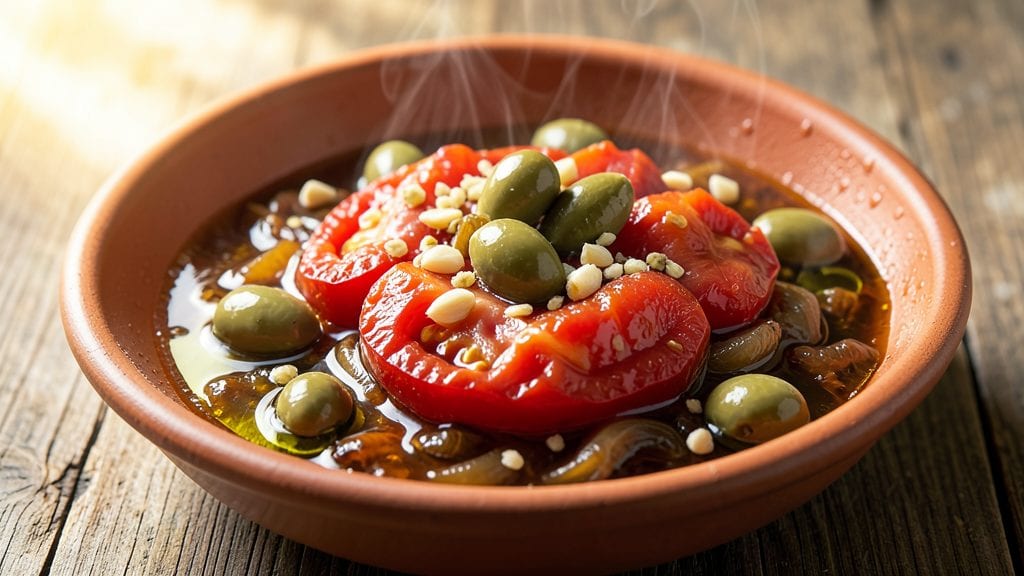
This Veracruzana sauce recipe transforms simple pantry staples into a bold, aromatic sauce that captures the essence of coastal Mexican cuisine. The harmony of ripe tomatoes, briny olives, and crisp white wine creates a versatile condiment that elevates everything from grilled seafood to roasted meats.
I developed this version after years of refining the balance between acidity and richness—each ingredient plays a critical role in achieving that signature depth.
The foundation of Veracruzana sauce lies in its three essential components: a base of tomatoes and onions, the briny punch of olives, and the brightness of white wine.
Unlike many sauces that rely on complex techniques, this recipe delivers restaurant-quality flavor with just 15 minutes of active prep and 30 minutes of simmering. The key is patience—allowing the flavors to meld gradually rather than rushing the process.
What sets this sauce apart is its adaptability. Use it as a marinade for shrimp or chicken, a topping for grilled vegetables, or a dipping sauce for crusty bread. The acidity from the wine and olives cuts through rich proteins, while the tomatoes provide a sweet, velvety counterbalance.
For those who prefer less heat, the optional chili can be omitted entirely without sacrificing flavor.
Once you master this sauce, you’ll find yourself reaching for it time and again—whether you’re hosting a dinner party or simply craving a taste of Mexico. The best part? It keeps well in the refrigerator for up to 5 days, making it a perfect make-ahead solution for busy weeknights.
Let’s get started on creating this versatile, flavor-packed essential.
Ingredients for veracruzana sauce
Fifteen ingredients blend into a sauce that tastes like coastal Mexico's boldest flavors.
| Ingredient | Amount | Notes |
|---|---|---|
| Ripe Roma Tomatoes 🍅 | 2 lbs | Diced, seeds removed for cleaner texture |
| Yellow Onion 🧅 | 1 whole | Finely chopped, not too small |
| Garlic Cloves 🧄 | 6 cloves | Minced, for deep aromatic base |
| Green Olives 🫒 | 1 cup | Pitted, preferably Manzanilla for classic flavor |
| Dry White Wine 🍷 | 1 cup | Sauvignon Blanc or Pinot Grigio preferred |
| Extra-Virgin Olive Oil 🫒 | ½ cup | High quality, fruity variety |
| Tomato Paste 🍅 | ¼ cup | Smooth, no sugar added |
| Fresh Cilantro 🌿 | ¼ cup | Chopped, stems removed |
| Dried Oregano 🍃 | 1 tsp | Mexican oregano if available |
| Ground Cumin 🌿 | ½ tsp | Toasted for deeper flavor |
| Ancho Chili Powder 🌶️ | 1 tsp | Optional, omit for no heat |
| Bay Leaf 🌿 | 1 whole | For subtle earthy depth |
| Salt 🧂 | 1 tsp | Diamond Crystal preferred |
| Black Pepper 🌶️ | ½ tsp | Freshly ground for brightness |
| Lemon Juice 🍋 | 1 tbsp | Freshly squeezed for acidity |
The tomatoes are non-negotiable—Roma or vine-ripened varieties hold their shape better than beefsteak. Whole Foods or local farmers markets often have the best quality, but any ripe tomatoes work in a pinch. For olives, Manzanilla from a jar gives that classic briny punch, but Kalamata olives work too if that's what you've got. The white wine should be dry—Sauvignon Blanc or Pinot Grigio are my go-tos, but anything crisp will do. Toast your cumin seeds in a dry pan for 30 seconds before grinding if you're using whole cumin—it makes all the difference.
No white wine? Substitute with extra chicken broth plus a splash of apple cider vinegar for acidity. Fresh cilantro? Dried works at one-third the amount, but you lose that bright herbal note. Short on olives? Capers or green jalapeños add briny heat. The ancho chili powder can be swapped for smoked paprika if you want to keep it mild. For the tomato paste, Trader Joe's tubes are perfect—no waste, and they keep forever. If you're making this ahead, reduce the lemon juice slightly since flavors intensify over time.
This sauce tastes even better the next day as the flavors meld. Store in an airtight container in the fridge for up to 5 days, or freeze for 3 months. I like to make a big batch and portion it into ice cube trays—perfect for single servings later. The sauce thickens as it cools, so you can always thin it with a splash of water or wine when reheating. Trust me, the first time you drizzle this over grilled shrimp, you'll be hooked.
Why You'll Love This Recipe
- No Chopping Nightmare: I swear by this sauce because the prep is ridiculously simple. Slice onions and garlic, toss in olives and tomatoes—no dicing, no fuss. The Roma tomatoes even soften fast when blanched, so you’re stirring, not straining.
- Wine-Infused Magic: That splash of dry white wine? It’s the secret weapon. It brightens the tomatoes, cuts through the richness, and leaves you with a sauce that’s bright, briny, and just alive—like a sunny afternoon in a bowl.
- Pasta Party or Potluck Star: Slather it over linguine for a weeknight win, or bring it to a gathering where everyone’s bringing side dishes. It’s the one sauce that feels fancy but won’t make you slave over it—plus, it reheats like a dream.
- Budget-Friendly Leftovers: A big batch costs next to nothing (olives and wine stretch far), and it keeps for days. Use it to jazz up rice, eggs, or even toast—my kids ask for it more than store-bought marinara, and that’s saying something.
Step-by-step instructions for Veracruzana sauce recipe
Here's how to craft this vibrant, layered sauce with perfect balance every time.
Build the Flavor Foundation
Heat the 0.5 cup extra-virgin olive oil in a large, heavy-bottomed saucepan over medium heat. Add the 1 whole finely chopped yellow onion and cook for 5-6 minutes until softened and translucent, stirring occasionally. You'll notice the onions release their sweet aroma and begin to caramelize slightly at the edges.
Add the 6 cloves minced garlic cloves and cook for another 30 seconds until fragrant but not browned. Here's the thing - garlic burns quickly, so keep your eye on it. The moment it turns golden, you've lost that delicate sweetness we want in this sauce. Immediately add the 1 tsp dried oregano, 0.5 tsp ground cumin, and 1 tsp ancho chili powder, stirring to toast the spices for 30 seconds until aromatic.
Develop the Tomato Base
Pour in the 1 cup dry white wine and scrape up any browned bits from the bottom of the pan with a wooden spoon. This deglazing step captures all those concentrated flavors that would otherwise stick to your pan. Let the wine simmer for 3-4 minutes until reduced by about half, until you notice the alcohol smell dissipates completely.
Add the 2 lbs diced ripe roma tomatoes (seeds removed) and 0.25 cup tomato paste. Stir well to combine, then add the 1 whole bay leaf, 1 tsp salt, and 0.5 tsp black pepper. Bring to a gentle simmer and cook uncovered for 20-25 minutes, stirring occasionally, until the tomatoes break down into a thick, chunky consistency. You'll see the sauce reduce and thicken noticeably as it cooks.
Incorporate the Olives and Finish
Add the 1 cup pitted green olives and cook for an additional 5 minutes, stirring gently to distribute them evenly. The olives will soften slightly but maintain their shape, adding that signature briny contrast to the sauce. Remove the bay leaf at this point - you don't want its fibrous texture in the final sauce.
Reduce the heat to low and stir in the 0.25 cup chopped fresh cilantro and 1 tbsp freshly squeezed lemon juice. Let the sauce simmer for another 2-3 minutes just to meld all the flavors together. Taste and adjust seasoning if needed - you might want to add a pinch more salt or a splash more lemon juice for brightness.
Rest and Serve
Remove the sauce from heat and let it rest for 10 minutes at room temperature. This resting period allows all the flavors to fully develop and meld together. I know it's tempting to serve it immediately, but trust me - the sauce will taste even better after this brief rest.
The finished Veracruzana sauce should have a vibrant red color with visible olive chunks and a thick, velvety consistency. It should balance sweet tomatoes, briny olives, bright lemon, and warm spices perfectly. Serve it immediately over grilled fish, shrimp, or chicken, or let it cool completely for use in tacos, salads, or as a marinade.
Pro Tips For Making Veracruzana Sauce
- CHAR THE ONIONS LOW: I learned this the hard way—sautéing onions on high heat turns them bitter before they even soften. For Veracruzana, keep the flame at a steady medium and stir constantly until they’re translucent and just starting to caramelize. That’s when they’ll release their sweetness instead of burning.
- PEEL GARLIC IN WATER: Garlic cloves stick like glue when you try to peel them mid-recipe. Drop them in a bowl of warm water for 10 minutes first—the skins slide right off. Pro tip: Use the smallest cloves you can find; they cook faster and don’t overpower the sauce.
- DEGLAZE WITH WINE IMMEDIATELY: As soon as you remove the onions, pour in that dry white wine while the pan is still hot. Scrape every last bit of fond from the bottom—this is where the flavor lives. Let it bubble for 30 seconds before adding tomatoes; otherwise, you’re just making a watery sauce.
- SALT THE OLIVES FIRST: Green olives straight from the jar are briny enough to ruin the balance. Drain them, rinse under cold water, and pat very dry with a paper towel. Then, let them sit in a bowl of fresh water for 10 minutes before chopping—this cuts their saltiness by half without losing texture. (Yes, even if you’re impatient like me.)
Regional styles of veracruzana sauce
Coastal Mexican Style
This Veracruzana sauce originated in the port city of Veracruz, where seafood dominates the cuisine. The original version was created to complement grilled shrimp and fish, using local ingredients like Manzanilla olives and white wine brought by Spanish traders.
I always make sure to use fresh seafood when serving this sauce—grilled shrimp skewers or whole red snapper are perfect pairings. The briny olives and wine create a perfect balance with the sweetness of the tomatoes, just like the coastal flavors of Mexico. 🌊
Yucatán Fusion Twist
In Yucatán, they add a touch of achiote paste (about 1 tsp) to the sauce for a deeper, slightly smoky flavor. This variation works beautifully with cochinita pibil or grilled chicken.
I like to toast the achiote paste in the olive oil before adding onions to develop its earthy aroma. The result is a richer, more complex sauce that still maintains the Veracruzana's signature brightness. 🌶️
Modern Mexican City Adaptation
In Mexico City, chefs often incorporate diced roasted poblano peppers (about ½ cup) for a smoky depth. This version pairs exceptionally well with grilled steak or carne asada.
I recommend roasting the peppers until charred, then peeling and dicing them before adding to the sauce. The smoky flavor complements the sauce's acidity perfectly, creating a sophisticated balance. 🔥
Caribbean-Inspired Variation
For a Caribbean twist, add ½ cup diced mango and 1 tbsp lime juice at the end of cooking. This fruity variation works wonderfully with grilled lobster tail or blackened fish.
The sweetness of the mango cuts through the sauce's richness, adding a refreshing contrast. I often serve this version with coconut rice for a tropical-inspired meal. 🌴
Spicy Smoked Version
For a smoky kick, replace the ancho chili powder with 1 tsp smoked paprika and add ½ tsp chipotle powder. This version pairs perfectly with grilled pork ribs or smoked sausage.
The smoky heat adds a depth that works beautifully with heartier meats. I like to serve this sauce with corn tortillas for dipping or as a topping for tacos. 💨
Vegetarian-Friendly Adaptation
To make this sauce vegetarian, simply omit the seafood and use it as a marinade for portobello mushrooms or grilled vegetables. The sauce's acidity and richness make it a fantastic complement to roasted eggplant or stuffed bell peppers.
I often drizzle this sauce over grilled halloumi cheese for a quick and flavorful appetizer. 🌱
Nutrition facts
Frequently asked questions
What's the best seafood to pair with Veracruzana sauce?
The sauce was born for coastal flavors, so grilled shrimp skewers or whole red snapper are classic pairings. The briny olives and wine cut through delicate fish perfectly, while the acidity makes shrimp taste even sweeter. For a heartier option, try it with grilled chicken thighs or pork chops—the sauce's richness stands up well to meat.
Can I make Veracruzana sauce without white wine?
Replace the 1 cup white wine with 1 cup chicken broth plus 1 tbsp apple cider vinegar for similar acidity. For extra depth, add ½ tsp white miso paste to mimic the wine's umami. The sauce will still be vibrant—just slightly less complex in aroma. Always taste as you go and adjust salt accordingly.
How do I adjust the spice level?
The ancho chili powder adds mild heat, but you can easily customize it. For no heat, omit it entirely and add ½ tsp smoked paprika instead. Want more fire? Add ½ tsp cayenne or 1 chopped serrano pepper with the olives. Remember to remove seeds from fresh peppers to control spiciness.
Why does my sauce taste too acidic?
Acidity builds as the sauce rests, but if it's overwhelming now, balance it with 1 tsp sugar or 1 tbsp honey while simmering. For a smoother texture, blend half the sauce briefly before mixing back in. If you used too much lemon juice, add a pinch of salt to round out the flavors—salt enhances sweetness and reduces perceived acidity.
Can I use canned tomatoes instead of fresh?
Yes, but choose high-quality crushed tomatoes (like Muir Glen) with no added salt. Drain them well to avoid wateriness, then proceed with the recipe. For extra richness, add 1 tbsp tomato paste to compensate for the lack of fresh tomato sweetness. The texture will be slightly smoother but still delicious.