
Sauces & Condiments
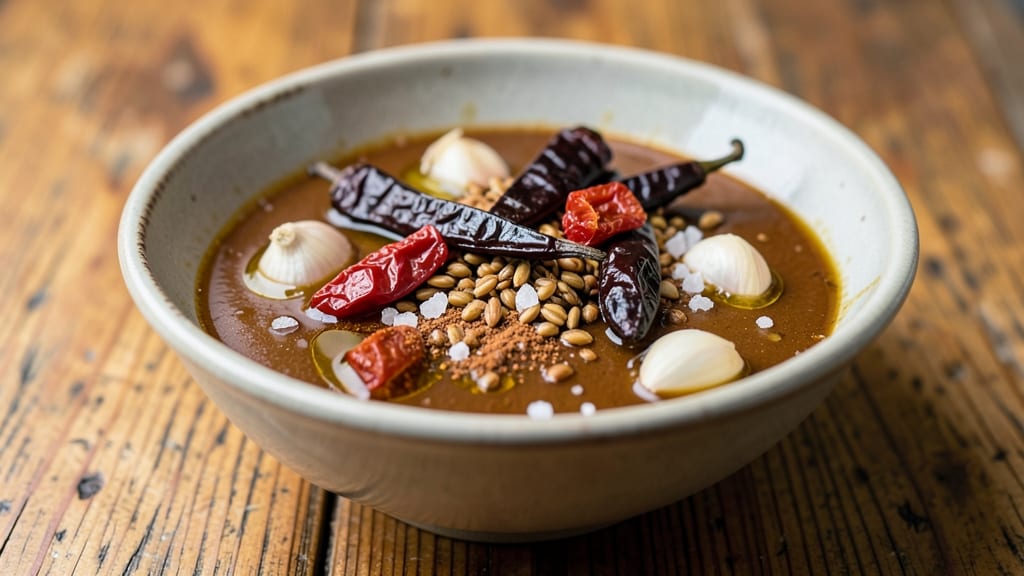
This wojapi sauce recipe brings together smoky chipotle heat, sweet maple depth, and earthy wild rice for a condiment that honors Indigenous culinary traditions while thriving in modern meals.
The blend of traditional ingredients—like wild rice and dried tomatoes—creates a sauce that’s rich yet balanced, perfect for drizzling over wings, frying potatoes, or even as a bold dip. I developed this version after years of refining the technique to ensure authenticity without sacrificing adaptability.
The foundation of wojapi sauce lies in its layered flavors: smoky chipotle peppers provide heat, while maple syrup and wild rice add natural sweetness and texture. Unlike store-bought versions, this recipe uses no artificial additives—just whole ingredients simmered into a velvety consistency.
The result is a sauce that’s versatile enough for game day wings or as a glaze for roasted vegetables, yet deeply rooted in cultural heritage.
What sets this sauce apart is its ability to elevate any dish while staying true to its origins. The wild rice contributes a subtle nuttiness that rounds out the smokiness, while the chipotle ensures a slow-building heat that lingers.
You’ll notice the difference immediately—whether you’re using it as a dip, a drizzle, or a marinade. The best part? It keeps well in the fridge for up to two weeks, so you can make a batch and enjoy it throughout the season.
This sauce isn’t just about flavor—it’s a celebration of Indigenous culinary traditions adapted for today’s kitchen. Whether you’re serving it at a gathering or keeping it on hand for quick meals, wojapi sauce delivers depth and character in every spoonful. Let’s get started on making yours.
Ingredients for wojapi sauce
Ten ingredients blend smoky depth, sweetness, and earthy texture for an authentic wojapi sauce.
| Ingredient | Amount | Notes |
|---|---|---|
| Smoked Chipotle Peppers in Adobo Sauce 🌶️ | 4 whole | Adobo sauce included for moisture |
| Dried Wild Rice Blend 🌾 | ½ cup | Uncooked, medium grain preferred |
| Pure Maple Syrup 🍯 | ½ cup | Grade B for deeper flavor |
| Dried Tomato Pieces 🍅 | ½ cup | Sun-dried, oil-packed preferred |
| Extra-Virgin Olive Oil 🫒 | ½ cup | Light fruity variety |
| Low-Sodium Chicken Broth 🍲 | 1 cup | Homemade or high-quality store-bought |
| Cider Vinegar 🍏 | 2 tbsp | Apple cider preferred |
| Ground Cinnamon 🌿 | ½ tsp | Freshly ground preferred |
| Diamond Crystal Kosher Salt 🧂 | 1 tsp | For seasoning balance |
| Fresh Garlic Cloves 🧄 | 3 cloves | Peeled, lightly crushed |
The chipotle peppers are the sauce's soul—look for adobo-packed peppers at Whole Foods or Latin markets for optimal smokiness. Grade B maple syrup from Vermont producers adds authentic depth, while wild rice should be medium grain for proper texture. For dried tomatoes, sun-dried oil-packed from Trader Joe's delivers concentrated flavor without excess oil. Extra-virgin olive oil should be light and fruity—avoid heavy, peppery varieties that overpower the sauce's delicate balance. Chicken broth is best homemade, but Pacific Foods or Kitchen Basics brands work well when store-bought.
No chipotle peppers? Substitute smoked paprika at half the amount (1 tbsp) plus a pinch of cayenne for heat. Wild rice unavailable? Use brown rice or quinoa at equal volume, though texture will differ. Maple syrup shortages? Agave nectar works in a pinch, though flavor won't be identical. Dried tomatoes too expensive? Roasted red peppers from a jar (drained) provide a milder alternative. Olive oil substitutes? Avocado oil maintains neutral flavor, while grapeseed oil offers a lighter profile. Garlic sensitivity? Reduce to 2 cloves—it's subtle but present in the final blend.
This sauce develops flavor over time—reheat gently before each use to restore velvety consistency. Stores for up to 2 weeks in an airtight container in the fridge, though flavor peaks after 3-5 days. For longer storage, freeze in ice cube trays—perfect for single-use portions. Thickens upon cooling? Thin with 1-2 tbsp water or broth when reheating. Double the batch for gatherings—it disappears quickly during game days or buffet spreads.
Why You'll Love This Recipe
- Pantry Magic: I swear by this sauce because it pulls from ingredients I already have—no last-minute grocery runs. The dried wild rice blend and smoked chipotles in adobo? They sit in my cabinet for months, waiting for this exact moment to transform into something rich and smoky.
- Sweet-Smoky Bomb: That maple syrup and chipotle combo is where it gets real. The deep, smoldering heat from the peppers mellows into something almost sweet, while the dried tomatoes add a tangy punch—like a campfire in a jar.
- Game-Changer for Leftovers: Between us, this sauce turns sad takeout into a meal. Drizzle it over rice, toss it with grilled chicken, or even mix it into scrambled eggs—it’s the reason my fridge never goes to waste.
- One-Pot Wonder: Honestly, this is my lazy-day hero. Simmer everything together—no chopping, no fuss—just a single pot that smells like a feast. By the time the rice is tender, the sauce is ready, and cleanup is a joke.
Step-by-step instructions for wojapi sauce recipe
This smoky chipotle-tomato sauce delivers bold depth with minimal effort—perfect for elevating wings, fries, or grilled proteins.
Blend the Base Ingredients
Combine the 4 whole smoked chipotle peppers in adobo sauce, 0.5 cup dried wild rice blend, 0.5 cup dried tomato pieces, 0.5 cup extra-virgin olive oil, 1 cup low-sodium chicken broth, 2 tbsp cider vinegar, 0.5 tsp ground cinnamon, 1 tsp diamond crystal kosher salt, and 3 cloves fresh garlic cloves in a high-speed blender. I prefer using a Vitamix for this step—it ensures a perfectly smooth texture without gritty bits.
Blend on high speed for 45-60 seconds until the mixture becomes completely homogeneous. You should hear a consistent hum without any grinding sounds. The sauce should be thick but pourable, with a deep red hue from the chipotles and tomatoes. If it's too thick, add 1-2 tablespoons of water to achieve the right consistency for blending.
Simmer to Develop Complexity
Transfer the blended mixture to a medium saucepan and place it over medium heat. Bring to a gentle simmer, then reduce the heat to low to maintain a steady, barely bubbling state. Let it cook uncovered for 15-20 minutes, stirring occasionally with a silicone spatula to prevent sticking.
During this time, the flavors will meld together, and the sauce will reduce slightly, intensifying its smoky, sweet, and tangy notes. You'll notice the aroma becoming richer and more complex—this is when the pure maple syrup and cider vinegar truly shine. The sauce should thicken to a velvety consistency, coating the back of a spoon smoothly. If it reduces too much, add 1-2 tablespoons of water to maintain the right texture.
Strain and Refine the Sauce
Once the sauce has simmered, remove it from heat and let it cool for 5 minutes. Then, strain it through a fine-mesh sieve into a clean bowl or jar, pressing gently on the solids with a rubber spatula to extract every last drop of flavor. This step ensures a silky, restaurant-quality texture without any wild rice or tomato seeds.
The strained sauce should be smooth, glossy, and vibrant in color—almost like a cross between a barbecue sauce and a spicy tomato jam. Taste and adjust the seasoning if needed, adding a pinch more diamond crystal kosher salt or a splash of cider vinegar for brightness. The sauce should balance heat, sweetness, and acidity perfectly, with the smoked chipotle peppers adding a deep, smoky backbone.
Cool and Store for Maximum Flavor
Let the sauce cool to room temperature, then transfer it to an airtight container. I like to store it in the refrigerator for up to 2 weeks, where the flavors continue to develop and deepen. For best results, shake the container gently before each use—this redistributes any settled oils and ensures a consistent texture.
This sauce is incredibly versatile. Use it as a dipping sauce for wings or fries, a glaze for grilled meats, or even a marinade for tofu or vegetables. Its smoky, slightly sweet profile pairs beautifully with the richness of fried foods or the char of grilled proteins. The maple syrup and cinnamon add a subtle warmth, while the cider vinegar keeps the sauce bright and tangy.
Pro Tips For Making Wojapi Sauce
- Bloom the Peppers First: Dump those chipotles straight from the jar into a bowl with ½ cup hot water and let them soak for 10 minutes before blending. I learned this the hard way—skipping this step leaves you with a chunky, uneven sauce that fights you every time the blender stalls. The adobo sauce thickens when cold, so warm water helps it emulsify better.
- Toast the Wild Rice: Dry-toast the wild rice blend in a separate pan over medium heat for 3-4 minutes before adding it to the sauce. This deepens its nutty flavor and prevents that weird, raw taste that sneaks in when you just toss it in cold. (Yes, it’s an extra step, but your future self will notice the difference.)
- Simmer, Don’t Boil: Keep the sauce at a gentle simmer—never a rolling boil—after combining all ingredients. Boiling burns the maple syrup’s delicate caramel notes and turns the sauce bitter. A low, steady simmer for 15-20 minutes lets the flavors meld without sacrificing sweetness.
- Strain for Smoothness: After blending, strain the sauce through a fine-mesh sieve to remove any grit from the dried tomatoes or rice. I used to skip this, and the texture was always off—like eating a thick, grainy paste instead of a silky sauce. Takes 2 minutes, but it’s the thing that matters most.
Wine and beer pairings for this recipe
Red Wine Harmony
The smoky depth of wojapi sauce pairs beautifully with medium-bodied red wines that can stand up to its chipotle heat while complementing the maple sweetness. I recommend a Zinfandel from California—specifically a Dry Creek Vineyard bottle—with its jammy blackberry notes and subtle spice.
The wine’s natural acidity cuts through the sauce’s richness, while its dark fruit flavors mirror the sauce’s smoky undertones. 🍷
Crisp White Balance
For those who prefer white wine, a dry Riesling from Germany—like Dr. Loosen Blue Slate—is a surprising but perfect match. The wine’s bright acidity and mineral notes contrast the sauce’s smokiness, while its slight sweetness enhances the maple syrup’s depth.
Serve it slightly chilled to let the flavors sing together.
Beer Pairings
A smoked porter is the ideal beer pairing—try Goose Island Bourbon County Stout or Founders Kentucky Breakfast Stout for their caramel and coffee notes that harmonize with the sauce’s sweet and smoky profile.
For a lighter option, a honey brown ale like Allagash Honey Brown adds a touch of sweetness that complements the maple without overpowering the chipotle heat. 🍺
Cider Synergy
Don’t overlook hard cider as a pairing—its crisp acidity and subtle fruitiness make it a refreshing match. I love Angry Orchard Crisp Apple for its bright, tangy profile that cleanses the palate between bites of saucy wings or fries.
The cider’s natural sweetness also echoes the maple in the sauce, creating a cohesive flavor experience.
Non-Alcoholic Options
For a non-alcoholic pairing, sparkling apple cider like Martinelli’s Sparkling adds a festive touch while balancing the sauce’s richness. Alternatively, a ginger beer with a hint of spice—such as Brew Dr. Brown’s—enhances the chipotle’s heat without competing for attention.
The effervescence also helps cut through the sauce’s thickness, making every bite feel fresh. 💫
Nutrition facts
Frequently asked questions
What makes this wojapi sauce different from regular chipotle sauce?
This recipe blends traditional Indigenous flavors with smoky chipotle heat using wild rice and maple syrup for depth. Unlike standard chipotle sauces, it incorporates dried tomatoes and cider vinegar for tangy brightness while keeping the texture velvety-smooth. The wild rice adds subtle nuttiness that rounds out the smokiness.
Can I make this sauce without a high-speed blender?
Yes! Use an immersion blender or food processor, but you may need to strain the sauce twice for extra-smooth results. For a rustic texture, skip straining entirely—just whisk the blended mixture vigorously. The flavor will still be rich, though slightly chunkier.
How do I adjust the heat level in this sauce?
For milder heat, remove the seeds from 2 of the chipotle peppers before blending. For extra spice, add ½ tsp cayenne pepper or an extra 1-2 chipotles. Always taste as you go—you can balance heat later with more maple syrup or vinegar.
What are the best ways to use this sauce beyond dipping?
Try it as a glaze for grilled meats, a marinade for tofu or chicken, or a drizzle over roasted vegetables. It also elevates tacos, nachos, or even as a bold dressing for salads. The smoky-sweet profile works surprisingly well with seafood like shrimp or scallops too!
Why does my sauce look grainy after blending?
Graininess usually means the wild rice or tomato pieces weren't fully broken down. Pulse the blender in shorter bursts (10-15 seconds) between additions, or strain the sauce through a fine-mesh sieve. For future batches, soak the dried rice for 10 minutes before blending.