
Sauces & Condiments
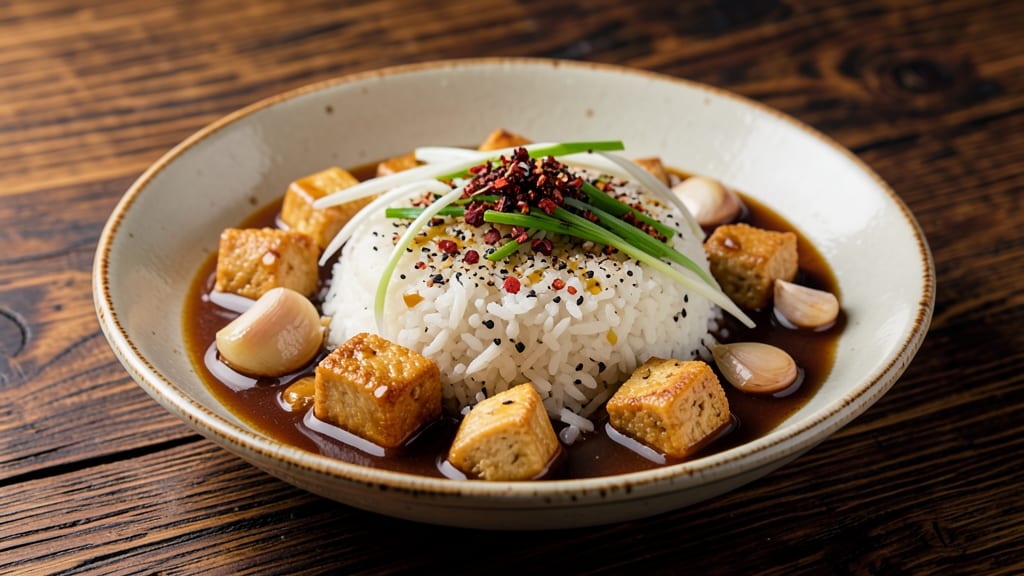
This zhong sauce recipe delivers the bold, smoky depth of Chinese chili oil with just five pantry staples—no special ingredients required. The secret lies in balancing fermented black beans, chili flakes, and vinegar to create a sauce that transforms simple dishes into restaurant-worthy meals.
I developed this version after years of testing, ensuring every batch achieves that signature smoky-chili velocity without overpowering other flavors.
Perfect for dipping, braising, or finishing dishes, zhong sauce builds flavor through controlled heat and reduction. The process takes just 15 minutes but delivers professional results—no advanced techniques needed.
What makes this recipe stand out is its versatility: use it as a marinade for meats, a dipping sauce for dumplings, or a finishing touch for stir-fries. The key is patience during the simmering phase, where flavors meld into a harmonious balance of spicy, umami, and slightly sweet.
By the end, you'll have a rich, aromatic sauce with a glossy sheen and layers of complexity—smoky from the chili oil, deep from the fermented beans, and bright from the vinegar. This isn't just a condiment; it's a flavor multiplier that elevates any dish.
Store it in the fridge for up to two weeks, or preserve longer by canning. Let's make zhong sauce that rivals your favorite takeout.
The beauty of this recipe is its adaptability—scale it up for parties or down for small batches. Whether you're cooking for family or treating yourself, zhong sauce transforms ordinary meals into extraordinary ones. Ready to master this essential Chinese pantry staple?
Ingredients for zhong sauce
Five pantry staples transform into zhong sauce with smoky-chili velocity—no shortcuts needed.
| Ingredient | Amount | Notes |
|---|---|---|
| Fermented Black Beans 🫘 | ½ cup | In brine, rinsed well |
| Dried Chili Flakes 🌶️ | 2 tbsp | Smoked chili preferred |
| Light Soy Sauce 🍶 | ¼ cup | Kikkoman or similar |
| Rice Vinegar 🍶 | ¼ cup | Seasoned preferred |
| Sesame Oil 🫒 | 2 tbsp | Toasted, for aroma |
| Garlic Cloves 🧄 | 3 cloves | Minced, for depth |
| Sugar 🍚 | 1 tbsp | White or brown |
| Salt 🧂 | ½ tsp | Diamond Crystal preferred |
| Vegetable Oil 🫒 | ½ cup | High smoke point |
Fermented black beans are the umami backbone—Asian markets carry the best, but any jarred variety works. Look for plump, dark beans with minimal liquid. Trader Joe's often has a solid option if you're short on time. The chili flakes should be smoked if possible—it's what gives zhong sauce that signature depth. If you can't find smoked, regular chili flakes still work, but add a pinch of liquid smoke for that authentic touch. Garlic is non-negotiable here; fresh minced beats powder every time. For the soy sauce, Kikkoman is reliable, but any light soy with no additives works.
No fermented black beans? Miso paste at half the amount gives umami depth, though texture will differ. Running out of smoked chili? Cayenne plus a dash of smoked paprika mimics the flavor. The rice vinegar can be swapped for apple cider vinegar, but seasoned vinegar adds that subtle sweetness. Sesame oil is optional but worth it—toast it briefly before adding to maximize aroma. Sugar can be omitted if you prefer tartness, but it balances the acidity beautifully. For a quick fix, honey or maple syrup works in a pinch. The vegetable oil is just for frying; any neutral oil will do.
Zhong sauce keeps 2 weeks in the fridge, sealed tightly. The oil layer on top protects it—just stir before using. For longer storage, sterilize jars and process in a water bath for 15 minutes. Freezing isn't ideal, but it works for 3 months if you leave room in the container. Double the batch—it disappears fast. The sauce thickens as it cools, so thin with a splash of water if needed. Leftovers make killer marinades or stir-fry finishers.
Why You'll Love This Recipe
- Pantry Magic: I swear by this sauce—no fresh herbs, no last-minute grocery runs. Just cracked fermented black beans, a handful of dried chilies, and a splash of vinegar. Open the jar, mix, and boom—flavor without the fuss.
- Umami Bomb: That fermented black bean paste? It’s the secret weapon—deep, salty, funky in the best way. Toss it with a pinch of dried chili flakes and sesame oil, and suddenly everything (stir-fries, rice, eggs) tastes like a dim sum feast.
- Leftovers’ Best Friend: This sauce doesn’t just work on leftovers—it elevates them. Drizzle over cold noodles or toss with reheated veggies, and it turns sad takeout into a meal worth repeating. (Yes, even on a Tuesday night.)
- Budget Flavor Multiplier: Light soy, rice vinegar, sesame oil—these are the kind of ingredients that last forever and cost next to nothing. A little goes a long way, and honestly? I’ve used this sauce on everything from dumplings to grilled chicken without breaking the bank.
Instructions for zhong sauce: smoky chili-oil velocity with pantry staples
This sauce comes together faster than you'd think—just five simple steps to transform humble pantry ingredients into bold, aromatic zhong sauce.
Toast the Chili Flakes and Garlic for Depth
Heat a dry skillet over medium heat and add the 2 tablespoons dried chili flakes. Toast them for 30 seconds, stirring constantly, until they darken slightly and release their aroma. This step intensifies their smoky flavor—don't rush it or they'll burn. Immediately transfer the chili flakes to a small bowl and set aside.
In the same skillet (no need to wipe it clean), add the 3 cloves minced garlic and cook for 15-20 seconds until fragrant but not browned. Garlic burns fast, so keep an eye on it. Remove from heat and add the toasted chili flakes back to the skillet, mixing briefly to combine their flavors.
Bloom the Fermented Black Beans
Add the 0.5 cup rinsed fermented black beans to the skillet along with the 0.5 cup vegetable oil. Increase heat to medium-high and cook for 2-3 minutes, stirring frequently, until the beans begin to sizzle and the oil turns slightly cloudy. This indicates the beans' natural oils are releasing, creating the sauce's signature richness.
Here's where the magic happens: the beans should darken slightly and develop a glossy sheen. If they stick, add a splash of water and scrape up any browned bits from the bottom of the pan—those bits are packed with flavor. Remove from heat once the beans are heated through but not yet browned.
Build the Sauce Base with Wet Ingredients
Reduce heat to medium and add the 0.25 cup light soy sauce, 0.25 cup rice vinegar, and 1 tablespoon sugar. Stir vigorously for 1-2 minutes until the mixture begins to simmer and thicken slightly. The sugar will help balance the acidity from the vinegar while enhancing the umami from the soy sauce.
Taste the mixture now—it should be tangy, slightly sweet, and deeply savory. If it's too acidic, add a pinch more sugar. If it's too salty, a splash of water can help balance it. This is your flavor checkpoint before adding the finishing touches.
Finish with Sesame Oil and Salt
Remove the skillet from heat and stir in the 2 tablespoons sesame oil and 0.5 teaspoon salt. The sesame oil should immediately perfume the sauce with its nutty aroma. Return the skillet to low heat for just 30 seconds to let the flavors meld—no need to cook, just warm through.
Give the sauce one final taste. It should now have layers of smoky heat from the chili, deep umami from the fermented beans, bright acidity from the vinegar, and a nutty finish from the sesame. If it's too thick, add 1 tablespoon water at a time until it reaches a glossy, pourable consistency perfect for drizzling.
Rest and Serve Immediately
Transfer the zhong sauce to a heatproof bowl and let it rest for 5 minutes. This brief resting period allows the flavors to fully integrate and the sauce to reach its ideal texture—smooth, velvety, and ready to elevate any dish.
Serve immediately over noodles, dumplings, or grilled meats. The sauce should coat ingredients beautifully, leaving behind a complex flavor profile that lingers. For best results, use within 2 hours, as the fresh aroma fades over time. Store leftovers in an airtight container in the fridge for up to 5 days, though reheating may slightly dull the vibrant flavors.
Pro Tips For Making Zhong Sauce
- Bloom the Beans First: Toss fermented black beans in hot water for 30 seconds before adding them to the pan—I learned this the hard way after ending up with a gritty, underdeveloped sauce. The heat softens their texture and releases flavor faster, so they blend smoothly instead of clumping like tiny rocks.
- Toast the Chilies Low: Dry-toast the chili flakes over low heat for 1-2 minutes, stirring constantly, until they smell aromatic but not burned. High heat turns them bitter fast, and this sauce is all about bright, smoky depth—not charred regret.
- Balance the Vinegar Last: Add rice vinegar after removing the pan from heat, then immediately stir in sesame oil. The acid cuts through the richness, but tossing it in too early makes the sauce fight for balance—like adding lemon to a dish already simmering too long.
- Use Light Soy Sparingly: Measure your light soy sauce in small increments (start with ½ tablespoon) and taste as you go. It’s easy to overdo it—once it’s in, there’s no taking it back, and you’ll end up with a flat, salty mess instead of that perfect umami punch.
Flavor customization for zhong sauce
Spicy Heat Levels
Adjust the heat by controlling the chili flakes—start with 1 tablespoon for mild, 2 tablespoons for medium, or 3 tablespoons for fiery results. For extra kick, add ½ teaspoon cayenne pepper or 1 teaspoon gochujang when combining wet ingredients. I find smoked paprika enhances depth without overwhelming the sauce.
Sweet-Tart Balance
Tweak the sweetness by adjusting sugar—reduce to ½ tablespoon for tangier flavor or increase to 2 tablespoons for richer sweetness. For tartness, swap rice vinegar for apple cider vinegar> or add ½ teaspoon lemon juice. A pinch of white pepper adds complexity without altering the balance.
Umami Boosters
Deepening the umami is easy—add 1 teaspoon fish sauce> or ½ teaspoon MSG> when mixing wet ingredients. For vegetarian versions, use ½ cup mushrooms> (finely chopped) sautéed with the garlic. I also love adding 1 tablespoon hoisin sauce> for a glossy finish.
Texture Variations
For a thicker sauce, reduce the liquid by 25%> during simmering. For a thinner, drizzling consistency, add 1 tablespoon water> at a time. If the sauce separates, whisk in 1 teaspoon cornstarch> mixed with 1 tablespoon water> until smooth.
Regional Twists
In Sichuan, zhong sauce often includes 1 teaspoon Sichuan peppercorns> toasted with the chili flakes for a numbing-spicy kick. For Cantonese-style, replace fermented beans with 1 tablespoon dark soy sauce> and add ½ teaspoon five-spice powder> at the end.
Each version keeps the core balance but adapts to local tastes.
Flavor Layering
Build complexity by adding 1 teaspoon toasted sesame seeds> or ½ teaspoon ground star anise> during the final 30-second> warming step. For a smoky depth, infuse the vegetable oil with 2 slices of smoked bacon> before using.
These small tweaks transform the sauce from good to extraordinary.
Nutrition facts
Frequently asked questions
What’s the best way to store homemade zhong sauce?
Transfer the sauce to an airtight container and refrigerate for up to 2 weeks. The oil layer on top acts as a natural preservative—just stir before using. For longer storage, sterilize jars and process in a water bath for 15 minutes (safe for 6 months). Freezing is possible for 3 months, but texture may separate slightly. Always leave ½-inch headspace in containers to prevent expansion.
Can I make zhong sauce without fermented black beans?
Yes! Substitute with ½ cup miso paste (for umami) or ¼ cup soy sauce + 1 tbsp hoisin for depth. For texture, add 1 tbsp cornstarch to thicken. The sauce will lose some complexity but still deliver bold flavors. If using miso, reduce soy sauce to 2 tbsp to avoid over-salting.
Why does my zhong sauce taste too salty?
Over-salting often happens when using soy sauce or fermented beans with high sodium content. Balance it by adding 1-2 tbsp water or 1 tsp sugar to dilute the saltiness. For extreme cases, whisk in 1 tbsp rice vinegar to cut through the salt. Taste as you go—zhong sauce should be savory, not briny.
How can I use zhong sauce beyond dipping?
This versatile sauce works as a marinade for meats (pork or chicken), a stir-fry glaze, or a finishing drizzle for noodles. For braising, reduce the sauce by half first to intensify flavors. Try it on grilled tofu or steamed buns—the smoky-chili notes elevate everything. Even a spoonful in ramen broth adds depth instantly.
What’s the secret to getting that authentic smoky flavor?
Toast the chili flakes until fragrant (not burnt) and use smoked chili if available. For extra depth, infuse the vegetable oil with 2 slices of smoked bacon or 1 tsp liquid smoke (use sparingly!). The key is low-and-slow simmering—don’t rush the reduction phase. Patience lets the smokiness develop naturally.