
Sauces & Condiments
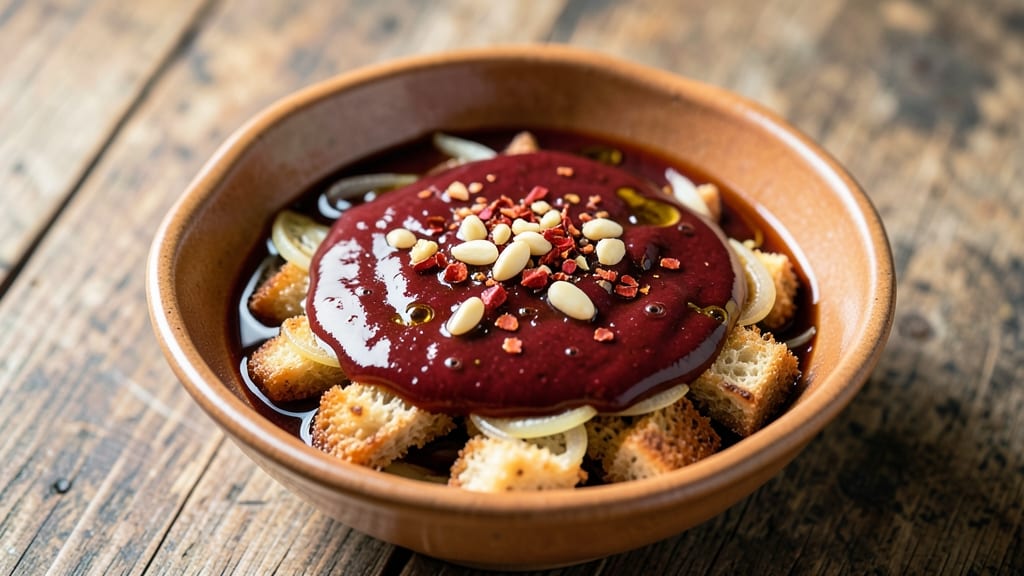
Mastering amogio sauce recipe unlocks a world of smoky, tangy depth that transforms simple dishes into Filipino-inspired masterpieces. This sauce blends the boldness of soy sauce with the heat of chili and the richness of tomatoes, creating a velvety condiment that elevates everything from grilled meats to rice dishes.
I developed this version to capture the authentic flavors of Filipino cuisine while keeping prep simple—just 15 minutes of active work for a sauce that lasts for weeks.
The secret lies in balancing soy sauce, vinegar, and chili to achieve that signature smoky-tangy profile without overpowering the dish. A touch of garlic and a pinch of sugar round out the flavors, ensuring every spoonful delivers complexity.
This sauce works as a marinade, dipping sauce, or finishing touch—its versatility makes it a staple in any kitchen.
What sets this recipe apart is its ability to deliver restaurant-quality depth with minimal effort. The slow simmer reduces the sauce to a concentrated, glossy consistency that clings beautifully to food.
Whether you're cooking for a family gathering or meal prepping for the week, this sauce will become your go-to for adding authentic Filipino flavor.
Best of all, it keeps well in the fridge for up to two weeks, making it perfect for batch cooking. Once you try this amogio sauce, you'll never go back to store-bought versions. Let’s get cooking—your taste buds will thank you.
Ingredients for amogio sauce
Nine simple ingredients create this smoky, tangy Filipino masterpiece in minutes.
| Ingredient | Amount | Notes |
|---|---|---|
| Extra-Virgin Olive Oil 🫒 | ½ cup | High-quality, fruity variety preferred |
| Canned Crushed Tomatoes 🍅 | 1 can | San Marzano preferred for sweetness |
| Filipino Soy Sauce (Patis) 🥫 | ¼ cup | Or substitute regular soy sauce |
| White Vinegar 🍶 | ¼ cup | White or apple cider vinegar |
| Garlic Cloves 🧄 | 6 cloves | Freshly minced for maximum flavor |
| Red Chili Flakes 🌶️ | 2 tbsp | Adjust for desired heat level |
| Granulated Sugar 🍚 | 1 tbsp | Balances acidity and sweetness |
| Salt 🧂 | 1 tsp | Diamond Crystal preferred |
| Ground Black Pepper 🌶️ | ½ tsp | Freshly ground for best flavor |
| Fresh Cilantro 🌿 | ¼ cup | Chopped, for garnish (optional) |
The tomatoes and soy sauce form the sauce's soul—San Marzano crushed tomatoes give that sweet, velvety base, while Filipino patis adds authentic umami depth. Find patis at Asian markets or use regular soy sauce if needed. The vinegar is crucial for that signature tang, so don't skimp. Trader Joe's carries great canned tomatoes, and Penzeys has excellent chili flakes if you want to splurge. Fresh garlic? Always worth it—it makes the difference between good and restaurant-quality sauce.
No patis? Double the soy sauce and add a dash of fish sauce for authenticity. Chili flakes too spicy? Swap for 1 tbsp mild paprika. Sugar can be omitted if you prefer less sweetness, but it balances the acidity beautifully. The cilantro is optional but adds that fresh finish—dried oregano at half the amount works in a pinch. Pro tip: Toast the chili flakes in a dry pan for 30 seconds to deepen their smokiness before adding to the sauce.
This sauce gets better with time—let it sit for at least 30 minutes before using to let flavors meld. Keeps in the fridge for two weeks in an airtight jar, and freezes beautifully for up to six months. I always make a double batch—one for immediate use, one to freeze. The consistency will thicken as it cools, so thin with water if needed. Perfect for dipping, drizzling, or marinating—your Filipino-inspired dishes will thank you.
Why You'll Love This Recipe
- Pantry Magic: I swear by this sauce because it’s made with stuff I always have—no last-minute grocery runs. That can of crushed tomatoes, a splash of vinegar, and a dash of patis? It’s my lazy-day hero.
- Umami Bomb: The patis and garlic do something wild to the tomatoes—deep, savory, and just a little tangy. Honestly, it’s the kind of flavor that makes you pause mid-bite.
- Dip or Dress: Slather it on grilled fish, toss it with rice, or just eat it with chips. I’ve used it for everything from weeknight dinners to impromptu gatherings. It’s that flexible.
- Budget Stretch: A single jar of patis and a can of tomatoes feed my family for weeks. Plus, it freezes like a dream—so I make a big batch and thank myself later. (Yes, even on a Tuesday night.)
Step-by-step instructions for amogio sauce
This vibrant sauce comes together in record time—bold, smoky, and packed with layers of flavor.
Sauté Garlic Until Fragrant
Heat the 0.5 cup extra-virgin olive oil in a medium saucepan over medium heat. Add the 6 cloves minced garlic cloves and sauté for 2-3 minutes until they turn a pale golden color and release their aromatic essence. Be careful not to let them brown—they should smell heavenly but remain light in color. This step is the foundation of your sauce, so don't rush it.
Here's the thing—garlic burns faster than you think. Watch closely and remove the pan from heat if it starts to darken. Once the garlic is fragrant, immediately add the 2 tablespoons red chili flakes and stir for 30 seconds to toast them lightly. This enhances their heat and depth of flavor, giving your sauce that signature smoky kick.
Add Tomatoes and Vinegar
Pour in the 1 can canned crushed tomatoes and the 0.25 cup white vinegar, stirring to combine. The acidity of the vinegar will brighten the tomatoes and cut through their natural sweetness. Let the mixture simmer gently over medium-low heat for 5 minutes, allowing the flavors to meld together. You'll notice the sauce thicken slightly as it reduces.
This is where the magic happens—the acidity and heat work together to create a complex flavor profile. If you're using San Marzano tomatoes, you'll appreciate their natural sweetness balancing the tang. Stir occasionally to prevent sticking, and resist the urge to walk away. The sauce needs constant attention during this stage to develop its signature depth.
Incorporate Soy Sauce and Sugar
Add the 0.25 cup Filipino soy sauce (patis) and 1 tablespoon granulated sugar, stirring well to distribute evenly. The soy sauce adds umami richness, while the sugar balances the acidity and enhances the tomatoes' natural sweetness. Let the sauce simmer for another 5 minutes, stirring frequently, until it thickens to a velvety consistency. You're looking for a sauce that coats the back of a spoon but still moves smoothly.
This step is all about harmony—too much soy sauce can overpower, while too little sugar leaves the sauce sharp. Taste as you go and adjust if needed, but the original measurements should give you a perfectly balanced sauce. The sugar also helps caramelize the tomatoes slightly, deepening their flavor.
Season and Simmer to Perfection
Add the 1 teaspoon salt and 0.5 teaspoon ground black pepper, stirring until fully dissolved. Let the sauce simmer for an additional 2-3 minutes until it reaches your desired consistency. The sauce should be thick enough to cling to proteins or noodles but still have a glossy finish. If it's too thick, you can thin it with a splash of water or vinegar.
Here's the final check—taste and adjust seasoning if necessary. The sauce should be tangy, slightly sweet, with a smoky heat that lingers. If you prefer a smoother texture, strain out any remaining tomato skins or seeds. The sauce is now ready to elevate any dish, but one final touch makes it exceptional.
Finish with Fresh Cilantro
Remove the sauce from heat and stir in the 0.25 cup chopped fresh cilantro. This adds a bright, herbal note that cuts through the richness and balances the flavors. Let the cilantro steep in the warm sauce for 1-2 minutes before serving. The heat from the sauce will release its essential oils, infusing the entire dish with its fresh aroma.
Serve the amogio sauce immediately over grilled meats, fried rice, or fresh noodles. The contrast of the warm, smoky sauce with cool, fresh ingredients creates a dining experience that's both comforting and exciting. This sauce is versatile—use it as a dipping sauce, a marinade, or a topping for tacos. The possibilities are endless, but the execution is simple.
Pro Tips For Making Amogio Sauce
- Bloom the Garlic First: Sauté those minced garlic cloves in olive oil until they’re soft but not brown—just golden around the edges. I learned this the hard way: burning garlic turns bitter, and you’ll taste it in every spoonful of sauce. Keep the heat medium-low and stir constantly.
- Simmer, Don’t Boil: Once you add the crushed tomatoes and patis, reduce the heat to a gentle simmer. Let it bubble softly for at least 10 minutes—this lets the flavors meld instead of turning the sauce into a watery mess. Trust me, your sauce will taste deeper if you resist the urge to rush it.
- Taste as You Go: Add vinegar gradually, a tablespoon at a time, and taste after each addition. Too much and it’ll taste harsh; too little and the sauce lacks balance. I used to eyeball it, but now I adjust until it hits that perfect tangy-savory note.
- Strain for Smoothness: If you’re serving amogio with delicate dishes like fish or tofu, strain the sauce through a fine-mesh sieve after simmering. It removes any garlic bits or skins, giving you a silky texture. (Yes, it’s an extra step—but your guests won’t notice the work, just the result.)
Flavor customization for this recipe
Spicy Kick Boost
For extra heat, add 1 tbsp freshly minced Thai bird’s eye chilies (about 4-5 chilies) along with the red chili flakes. This adds a fiery, authentic Filipino heat that’s perfect for adventurous eaters.
If you prefer a milder sauce, reduce the red chili flakes to 1 tbsp and add ½ tsp smoked paprika for depth without the burn. 🌶️
Sweet and Smoky Depth
Enhance the sauce’s complexity by adding 1 tbsp brown sugar and ½ tsp ground coriander during the final simmer. The brown sugar caramelizes slightly, adding a molasses-like richness, while coriander introduces a citrusy note that brightens the smoky flavors. This works especially well with grilled pork or chicken dishes.
Umami Bomb
For a deeper umami punch, stir in 1 tbsp fish sauce (like Red Boat) or 1 tsp soy sauce after adding the vinegar. This amplifies the savory depth of the sauce, making it ideal for seafood dishes or as a marinade.
If you’re vegetarian, 1 tsp mushroom powder or 1 tbsp nutritional yeast works as a substitute. The sauce will taste even more layered and complex.
Herbal Freshness Twist
Swap out the cilantro for ½ cup chopped Thai basil or ½ cup fresh mint leaves at the end for a bright, aromatic twist. Thai basil adds a licorice-like sweetness, while mint introduces a cool, refreshing contrast to the smoky heat.
Garnish with a sprinkle of toasted sesame seeds for extra texture and nuttiness. 🌿
Creamy Velvety Version
For a smooth, almost creamy texture, stir in 2 tbsp coconut milk or 1 tbsp Greek yogurt during the final 2 minutes of simmering. This softens the heat and adds a luxurious mouthfeel, perfect for drizzling over noodles or as a dipping sauce.
If you prefer a vegan option, use coconut milk and skip the yogurt. The sauce will have a silky finish that’s hard to resist.
Slow-Cooked Richness
For an even deeper flavor, simmer the sauce uncovered on low heat for 15-20 minutes after adding the soy sauce. This reduces it further, intensifying the tomato, garlic, and chili flavors into a syrupy, concentrated sauce.
It’s ideal for braising meats or as a glaze for grilled vegetables. Just remember to stir occasionally to prevent sticking! 🔥
Nutrition facts
Frequently asked questions
What's the secret to balancing the tangy and smoky flavors in this sauce?
The key is the vinegar-to-tomato ratio and a touch of sugar. The 0.25 cup vinegar brightens the tomatoes while the 1 tbsp sugar balances acidity without overpowering. Simmering for 10-12 minutes total lets these flavors meld perfectly.
Can I make this sauce without Filipino patis (soy sauce)?
Double the regular soy sauce to 0.5 cup and add 1 tsp fish sauce for authentic umami depth. For a vegetarian version, use 0.5 cup soy sauce + 1 tbsp mushroom powder. The flavor will still be rich and complex.
How do I adjust the heat level for sensitive palates?
Reduce the red chili flakes to 1 tbsp and replace the remaining 1 tbsp with ½ tsp smoked paprika for warmth without heat. For a milder sauce, also add 1 extra tbsp sugar to balance any lingering spice.
What are the best dishes to serve with this sauce?
This sauce shines on grilled meats (especially pork or chicken), fried rice, noodle dishes, or as a dipping sauce for spring rolls. It also works as a marinade for 1-2 hours before cooking. The smoky-sweet profile pairs beautifully with rice dishes too!
Why does my sauce turn out too thick or too thin?
Sauce consistency depends on simmering time. For thicker sauce, simmer 1-2 minutes longer or reduce uncovered. For thinner sauce, add 1-2 tbsp water or vinegar while warm. The ideal texture coats the back of a spoon but remains glossy. Stir frequently to prevent sticking!