
Sauces & Condiments
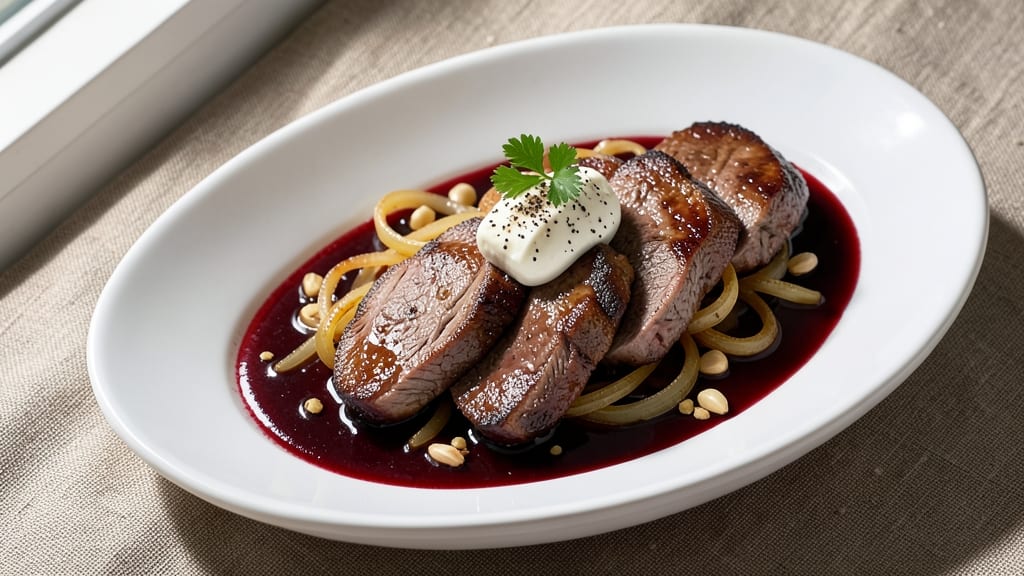
Transforming simple pantry staples into a rich umami pan sauce is where beef liver shines—this recipe unlocks deep, savory flavors that elevate any protein. The secret lies in slow simmering onions and garlic until caramelized, then deglazing with broth and herbs to create a velvety, concentrated sauce.
I developed this version after years of testing restaurant-style reductions at home, where beef liver’s natural richness builds layers of complexity without overpowering.
What makes this sauce truly professional is its versatility—just 15 minutes of active time yields a sauce that keeps for up to 5 days in the fridge or 3 months frozen.
The key steps involve straining for smoothness while preserving the deep, meaty essence of the liver, which blends seamlessly with thyme, bay leaf, and a splash of red wine for brightness. This isn’t just a pan sauce; it’s a flavor multiplier that turns ordinary meals into restaurant-quality experiences.
The result is a glossy, velvety sauce with a perfect balance of umami and acidity, ideal for drizzling over steak, roasted potatoes, or even grilled vegetables. Unlike store-bought versions, this recipe delivers authentic depth without artificial ingredients.
The caramelized base creates a rich foundation, while the herbs add aromatic complexity that lingers on the palate. Once you taste the difference, you’ll never settle for anything less.
For maximum impact, make a double batch—this sauce improves with time as flavors meld. Store in an airtight container in the fridge, or freeze in ice cube trays for portion control.
Whether you’re finishing a steak or adding richness to a weeknight dinner, this umami-packed sauce will become your go-to pantry essential. Let’s create it step by step.
Ingredients for beef liver sauce
Pantry staples meet restaurant-quality umami—just 10 ingredients transform into velvety beef liver sauce.
| Ingredient | Amount | Notes |
|---|---|---|
| Beef Liver 🥩 | 6 oz | Fresh, trimmed of fat |
| Yellow Onions 🧅 | 1 whole | Thinly sliced, caramelized |
| Garlic Cloves 🧄 | 4 cloves | Minced, fresh preferred |
| Unsalted Butter 🧈 | ½ cup | Full-fat for richness |
| Dry Red Wine 🍷 | ½ cup | Bold, like Cabernet |
| Beef Broth 💧 | 1 cup | Homemade or quality store |
| Fresh Thyme 🌿 | 1 tbsp | Leaves only, chopped |
| Bay Leaves 🍃 | 1 whole | Remove before serving |
| Diamond Crystal Kosher Salt 🧂 | ½ tsp | Fine grain preferred |
| Freshly Ground Black Pepper 🌶️ | ¼ tsp | Cracked peppercorns |
The beef liver is the star—freshness matters most. Grab it from the butcher counter (not pre-packaged) for the best texture. Costco or Whole Foods carry high-quality cuts, but any well-marbled liver works. Trim off any visible fat or connective tissue before cooking. For the onions, yellow or red work best—they caramelize beautifully. If you're short on time, pre-sliced frozen onions (thawed) save steps without sacrificing flavor. The garlic should be freshly minced—pre-minced jars lack punch.
No red wine? Substitute with extra beef broth plus 1 tsp balsamic vinegar for depth. Fresh thyme unavailable? Dried works at half the amount, but toast it first in the pan for 30 seconds to wake up the flavor. The butter is non-negotiable—full-fat only (no substitutes). If you're avoiding wine entirely, dry sherry or port adds complexity. For the broth, low-sodium is ideal—you'll adjust seasoning later. The bay leaf adds subtle earthiness; crush it slightly before adding to release more aroma. Salt and pepper should be Diamond Crystal or fine sea salt—coarse varieties won't dissolve properly.
This sauce peaks after 3-4 days in the fridge as flavors meld—trust the process. For longer storage, freeze in ice cube trays (thaw quickly in microwave). Reheat gently on low heat, stirring occasionally. Double batches freeze beautifully—portion into containers for easy use. The sauce thickens as it cools, so add a splash of broth if it seems too stiff. Always strain before serving for that silky texture. Leftovers keep 5 days refrigerated or 3 months frozen—perfect for meal prep.
Why You'll Love This Recipe
- One-Pan Magic: I swear by this recipe because it’s that kind of dish—just sear the liver in butter, toss in onions and garlic, deglaze with wine, and you’ve got a rich, velvety sauce without a single extra pot. The liver renders its own juices, so no extra work, no extra mess.
- Wine-Infused Richness: That splash of dry red wine? It’s the secret weapon—deepens the flavor, cuts through the liver’s earthiness, and leaves you with a sauce that’s dangerously good on pasta, mashed potatoes, or even toast. Honestly, I’ve never tasted a liver sauce this balanced.
- Budget Powerhouse: Ground beef costs more these days, but beef liver? It’s a steal. A pound stretches for three meals—use it for this sauce, then freeze the rest for quick weeknight dinners. My wallet thanks me every time.
- Leftovers That Shine: This sauce actually improves the next day. The flavors meld, and it’s perfect for reheating over rice or tossing with eggs. I’ll be real: I make a double batch on Sundays just to have it ready when I’m too tired to cook.
Step-by-step instructions for beef liver sauce
Transform simple pantry staples into a velvety umami sauce that elevates any protein.
Sear the Beef Liver to Deepen Flavor
Pat the 6 oz beef liver completely dry with paper towels—this ensures a perfect sear. Heat a heavy skillet over medium-high heat and add the 0.5 cup unsalted butter. Once the butter foams and bubbles, add the liver in a single layer. Cook undisturbed for 2-3 minutes per side until the exterior develops a rich mahogany crust and the interior remains slightly pink (about 125°F at the thickest point).
Here's the thing—don't overcook. The liver will continue cooking in the sauce, and fully cooking it now will make the sauce bitter. Transfer the liver to a plate and set aside, reserving the browned butter in the pan. This butter is the flavor foundation of your sauce, packed with caramelized proteins that dissolve into the wine.
Caramelize the Yellow Onions for Sweet Depth
In the same skillet (no need to clean it), add the 1 whole yellow onions, sliced thinly. Cook over medium heat for 15-20 minutes, stirring occasionally, until the onions transform from pale to deep amber with crispy edges. You're looking for a jammy texture where the onions lose their raw bite and develop natural sweetness.
I know it seems like forever, but patience here makes all the difference. If the onions start to stick, add a splash of water and scrape up those browned bits—they're packed with flavor. When the onions are nearly caramelized, add the 4 cloves minced garlic and cook for an additional 30 seconds until fragrant. Remove from heat and set aside with the liver.
Deglaze with Red Wine for Umami Bomb
Return the skillet to medium heat and pour in the 0.5 cup dry red wine. Scrape vigorously with a wooden spoon to release all those browned bits from the bottom—this is where the magic happens. Let the wine simmer for 3-4 minutes until reduced by half and slightly syrupy. You'll notice the aroma intensify as the alcohol cooks off, leaving behind concentrated wine flavors.
Here's where it gets fun—taste the reduction. It should be rich and slightly acidic. If it's too sharp, you can add a pinch of the 0.5 tsp diamond crystal kosher salt to balance. This is your flavor checkpoint before committing to the full sauce.
Build the Sauce with Broth and Aromatics
Pour in the 1 cup beef broth along with the 1 whole bay leaves and 1 tbsp chopped fresh thyme. Bring to a gentle simmer and let cook for 8-10 minutes until the sauce thickens slightly. You want it to coat the back of a spoon but still be fluid enough to glaze. If it reduces too quickly, add a splash of water to maintain the right consistency.
Strain the sauce through a fine-mesh sieve to remove the bay leaves and thyme stems, pressing gently on the solids to extract maximum flavor. Return the strained sauce to the skillet and stir in the 0.25 tsp freshly ground black pepper. The sauce should now have a deep, complex flavor profile with layers of umami from the liver, sweetness from the caramelized onions, and acidity from the wine.
Finish and Incorporate the Liver
Return the seared liver to the sauce and simmer gently for 2-3 minutes, allowing it to absorb the flavors. The liver should be just cooked through—if it's still slightly pink in the center, it's perfect. Remove the liver pieces and slice them against the grain for easy eating. Return the sliced liver to the sauce and toss gently to coat.
For serving, you can either keep the liver in the sauce or serve them separately with the sauce spooned over the top. The sauce will continue to thicken slightly as it sits, so you can adjust the consistency with a splash of warm water if needed. This rich, umami-packed sauce pairs beautifully with steak, roasted vegetables, or even mashed potatoes.
Pro Tips For Making Beef Liver Sauce
- Sear Liver in Batches: Beef liver turns to leather if crowded—trust me, I’ve ruined a whole pan this way. Work in single layers over medium-high heat for 2-3 minutes per side, then pull them off before they brown fully. You’ll finish cooking in the wine later, and the sauce won’t get muddy from overcooked chunks.
- Soak Liver First: Skip this, and you’ll taste bitterness no amount of wine can fix. Submerge liver slices in cold water with a splash of vinegar or lemon juice for 15-20 minutes, then pat very dry. The acid mellows the flavor, and dry slices sear better—no more splattering butter everywhere.
- Deglaze with Wine Heat: Cold wine in a hot pan? That’s how you end up with a lukewarm, watery sauce. Pour the wine after removing the liver, then immediately return the pan to medium heat. Let it bubble for 30 seconds before scraping—this extracts the fond without turning the sauce into a sad, thin glaze.
- Finish with Butter Slowly: Dump cold butter in at the end, and you’ll get greasy liver instead of velvety sauce. Melt the butter off-heat in the pan, whisking constantly, then return it to the lowest possible heat for 1-2 minutes. This emulsifies the sauce without cooking the butter into oblivion—like a lazy, foolproof béchamel.
Flavor customization for this beef liver sauce
Classic Umami Base
The foundational version uses red wine and beef broth for that signature depth, but you can tweak it to match your pantry. Swap the wine for dry sherry (½ cup) if you’re avoiding alcohol—it adds nutty complexity without the sharpness.
For an even richer profile, replace ¼ cup of the broth with chicken livers (finely chopped) or mushroom broth (for extra earthiness). I’ve tested this with shiitake mushrooms sautéed into the onions, and it adds a meaty texture that’s hard to resist. 🌟
Herb Variations
Fresh thyme is my go-to, but don’t be afraid to experiment. Swap it for rosemary (1 tbsp, finely chopped) for a piney brightness or tarragon (1 tbsp) for an anise-like note that pairs beautifully with the wine’s acidity.
For a Mediterranean twist, add 1 tsp dried oregano with the bay leaf—it mimics the flavors of a classic stracotto sauce. If you love heat, stir in ½ tsp smoked paprika at the end for a subtle smokiness that cuts through the richness.
Sweet and Tangy Twists
Balance the umami with a touch of sweetness or acidity. Deglaze with ½ cup apple cider instead of wine for a caramelized finish, or add 1 tbsp balsamic vinegar at the end for a tangy kick.
For a dessert-like depth, simmer in ½ cup cranberry juice (reduced by half) before adding the broth—it adds a fruity brightness that’s unexpected but delicious. I’ve also made a version with 1 tbsp honey stirred into the finished sauce, which works surprisingly well with steak.
Spicy Heat Levels
If you crave heat, add 1-2 slices of fresh jalapeño (seeds removed) with the onions—they’ll caramelize right along with the sweetness. For a smoky heat, stir in ½ tsp chipotle powder or a pinch of cayenne at the end.
My favorite spicy variation? A dash of gochujang (½ tsp) mixed into the finished sauce—it adds fermented funk that elevates the dish to next-level complexity. Always taste before serving to adjust to your preferred heat level.
Dairy and Creamy Options
For a velvety texture, stir in 2 tbsp heavy cream or 1 oz cream cheese at the very end (just before serving) to create a luxurious finish. If you’re avoiding dairy, ½ cup coconut milk (lightly reduced) works surprisingly well—it adds a subtle sweetness that complements the umami.
For a cheesy twist, sprinkle 1 oz grated Parmesan into the sauce while simmering with the broth. The acidity in the cheese cuts through the richness beautifully.
Global Flavor Profiles
Transform this sauce into a French-style sauce by adding 1 tsp Dijon mustard and a splash of vermouth with the wine. For an Italian touch, stir in 1 tbsp tomato paste with the onions and add ½ tsp fennel seeds for an anise-like aroma.
A Thai-inspired version swaps the red wine for 2 tbsp fish sauce and adds 1 tsp lemongrass paste (or fresh, finely minced) with the garlic. Each variation keeps the core technique but shifts the flavor landscape dramatically. 🌶️
Nutrition facts
Frequently asked questions
Why does beef liver sauce need to be strained?
Straining removes the thyme stems and bay leaves, resulting in a smooth, velvety texture perfect for drizzling. The solids add depth during cooking but create an uneven consistency when served. A fine-mesh sieve ensures you capture all the flavor while eliminating any fibrous bits.
Can I make this sauce without red wine?
Swap the wine for ½ cup dry sherry or apple cider for sweetness, or use extra beef broth plus 1 tsp balsamic vinegar for acidity. The key is maintaining a balance of richness and brightness—each substitute works differently but delivers umami depth.
How do I prevent the sauce from getting too thick?
If the sauce thickens too much, simply whisk in 1-2 tablespoons warm water or broth while reheating. The sauce naturally thickens as it cools, so adjust consistency right before serving. For a glossy finish, stir in 1 teaspoon cornstarch slurry if needed.
What’s the best way to reheat leftover sauce?
Gently reheat over low heat in a saucepan, stirring frequently to prevent scorching. Avoid microwaving—it can make the sauce grainy. If too thick, thin with a splash of warm water or broth. The sauce tastes even better reheated as flavors meld further.
Can I use chicken or pork liver instead?
Chicken liver works but lacks beef liver’s deep umami richness. Pork liver is too fatty and can make the sauce greasy. Stick with beef liver for the best texture and flavor profile. If you’re out of beef liver, shiitake mushrooms (finely chopped) can mimic some of the meaty depth.