
Sauces & Condiments
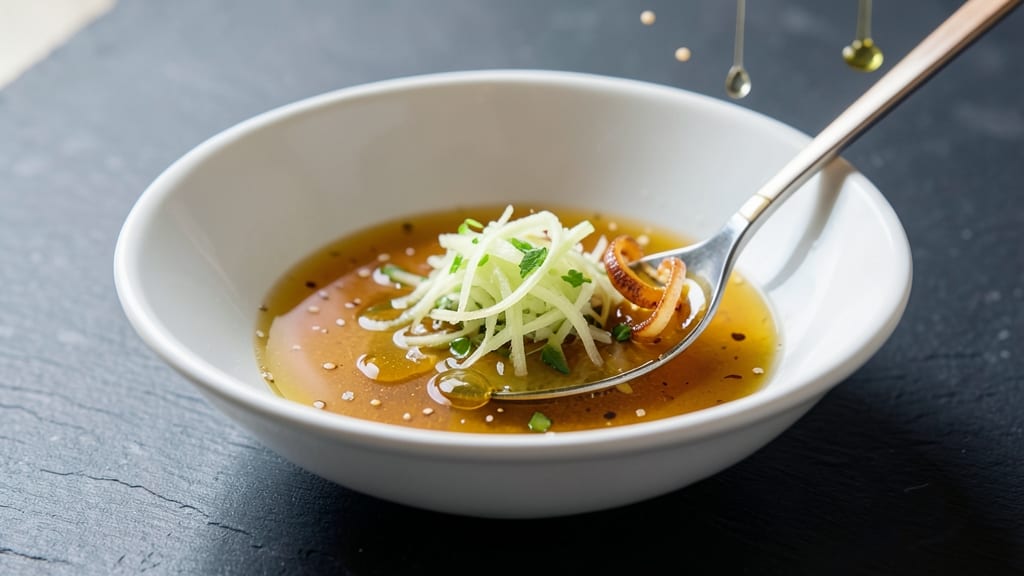
This Benihana ginger sauce copycat recipe delivers the same bright, zesty-sweet balance that makes their famous sauce so addictive. The secret lies in fresh ginger's sharp bite, balanced by honey's subtle sweetness and a touch of vinegar for tang—just like the original.
I've perfected this emulsion to stay smooth and shelf-stable for up to 2 weeks in the fridge, making it ideal for dipping sushi, dumplings, or noodles.
The sauce comes together in 10 minutes with just 6 simple ingredients—no complicated techniques required. Freshly grated ginger provides that signature zing, while soy sauce adds umami depth and a touch of salt.
The honey and vinegar create the perfect sweet-tangy contrast, and a splash of sesame oil ties everything together with nutty warmth. This isn't just a copy—it's a professional-quality emulsion that mimics Benihana's signature texture.
What sets this sauce apart is its versatility—use it as a dipping sauce, glaze for grilled meats, or even a marinade for tofu or shrimp. The emulsion remains silky smooth, never separating, and the flavor intensifies slightly after refrigeration.
Once you taste the difference between this homemade version and store-bought, you'll never go back to the bottled kind.
For best results, store in an airtight container and shake gently before each use. The sauce keeps its vibrant color and fresh ginger flavor for up to 2 weeks, making it perfect for meal prep.
Whether you're hosting a sushi night or just craving that familiar Benihana zing, this recipe delivers every time.
Ingredients for benihana ginger sauce copycat
Six ingredients, one addictive emulsion that mimics Benihana's signature zesty-sweet sauce perfectly.
| Ingredient | Amount | Notes |
|---|---|---|
| Fresh Ginger Root 🧄 | ½ cup | Finely grated, skin removed |
| Rice Vinegar 🍶 | ¼ cup | White or seasoned variety |
| Honey 🍯 | ¼ cup | Pure clover or wildflower |
| Light Soy Sauce 🥢 | ¼ cup | Not reduced, for balance |
| Toasted Sesame Oil 🫒 | 1 tbsp | High-quality, nutty aroma |
| Salt 🧂 | ½ tsp | Kosher or sea salt |
Fresh ginger is the star here—look for plump, firm roots with no soft spots. Whole Foods or Asian markets usually carry the juiciest ginger, but the regular grocery store kind works too if it's bright and fragrant. Grate it yourself (peel first!) for maximum zing—pre-grated loses punch fast. Pro tip: microwave the ginger for 20 seconds before grating to soften it slightly, making it easier to process. The honey should be pure and liquid—avoid that thick, processed kind that won't blend smoothly.
No rice vinegar? Substitute apple cider vinegar at the same amount, though it'll be slightly less delicate. Short on honey? Maple syrup works in a pinch, but the flavor profile shifts a bit. The soy sauce is non-negotiable for that umami kick—light soy is essential (dark soy would overpower). Sesame oil is what ties everything together—Kadoya or La Choy are solid budget picks, but splurge on Maesri if you can. Want it even smoother? Blend the grated ginger with 1 tbsp water first for a silkier texture.
This sauce stays vibrant for 2 weeks in the fridge if stored properly. Transfer to a clean glass jar and seal tightly—shake gently before each use to re-emulsify. Freezes beautifully for up to 3 months (though texture may change slightly). I like to make double batches because it disappears fast—perfect for meal prep. The flavor actually improves after 24 hours as everything melds together. Keep a small jar in your fridge for instant sushi night upgrades!
Why You'll Love This Recipe
- Five-Ingredient Magic: I swear by this combo—ginger’s zing, honey’s sweetness, and that toasted sesame oil hit. It’s the kind of sauce that makes you pause mid-bite and think, "Wait, I made this?"
- No Blender Needed: Honestly, grating ginger and whisking these ingredients together takes less time than waiting for takeout. The sauce is smooth but actually requires zero gadgets—just a knife and a bowl.
- Dinner Party Hero: This sauce turns boring proteins into showstoppers. Drizzle it over grilled chicken or shrimp, and suddenly you’ve got a restaurant-quality dish that costs pennies. (Yes, even on a Tuesday night.)
- Lasts All Week: Between us, I make a double batch and keep it in the fridge. It doesn’t spoil, it doesn’t separate, and it’s the perfect quick fix for takeout cravings. Budget win, flavor win.
Step-by-step instructions for Benihana ginger sauce copycat recipe
This zesty-sweet emulsion captures Benihana's signature flavor—bright, balanced, and packed with fresh ginger zing.
Grate the Fresh Ginger Root
Peel the 0.5 cup fresh ginger root using a spoon or vegetable peeler, then grate it using a fine grater or microplane. You want the ginger to be as finely textured as possible—this ensures it blends smoothly into the sauce without any gritty bits. I like to press the grated ginger through a fine-mesh sieve to catch any larger pieces that might make the sauce uneven.
Set the grated ginger aside in a small bowl. The aroma alone should wake up your taste buds—this is the star ingredient that gives the sauce its signature kick. If you're using a pre-grated ginger from a jar, skip this step entirely, but fresh ginger makes all the difference in flavor and texture.
Combine Wet Ingredients
In a medium saucepan, whisk together the 0.25 cup rice vinegar, 0.25 cup honey, and 0.25 cup light soy sauce. Place the saucepan over medium-low heat and bring the mixture to a gentle simmer. You want to see tiny bubbles forming around the edges, but avoid a rolling boil—this could cause the vinegar to evaporate too quickly and throw off the balance of flavors.
Let the mixture simmer for 3-4 minutes, stirring occasionally with a wooden spoon. This step helps the honey dissolve completely and allows the flavors to meld together. You'll notice the mixture turning slightly translucent and developing a glossy sheen—this is your cue that it's ready for the next step.
Incorporate the Ginger and Toasted Sesame Oil
Remove the saucepan from heat and stir in the 0.5 cup grated fresh ginger root and 1 tablespoon toasted sesame oil. The moment you add the ginger, you'll smell that bright, citrusy aroma—this is what makes the sauce so irresistibly zesty. Stir well to distribute the ginger evenly throughout the mixture. The oil will add a rich, nutty depth that balances the tangy sweetness.
Let the mixture cool for 5-7 minutes at room temperature. This cooling period is crucial—it allows the flavors to settle and prevents the sauce from curdling when you blend it later. If you're in a hurry, you can place the saucepan in an ice bath to speed up the cooling process, but don't let it get cold.
Blend Until Smooth and Silky
Transfer the cooled mixture to a blender or food processor. Add the 0.5 teaspoon salt and blend on high speed for 30-45 seconds until the sauce is completely smooth. You want to achieve a silky, emulsion-like consistency—no lumps or streaks of ginger should remain. If the sauce is too thick, add 1-2 tablespoons of warm water and blend again until it reaches your desired consistency.
Taste the sauce and adjust the seasoning if needed. If it needs more brightness, add a splash of rice vinegar. If it needs more depth, add a touch more toasted sesame oil. The sauce should be perfectly balanced—sweet, tangy, and with a bright ginger kick that lingers on your palate. This is the moment you'll know you've nailed the copycat flavor!
Rest and Serve
Pour the sauce into a clean jar or airtight container and let it rest at room temperature for at least 30 minutes before serving. This resting period allows the flavors to meld even further, resulting in a more cohesive and delicious sauce. The sauce will keep in the refrigerator for up to 1 week, making it perfect for batch prep if you're hosting a dinner party or serving it with your favorite takeout dishes.
Serve the sauce chilled or at room temperature alongside your favorite Asian-inspired dishes, like sushi, dumplings, or grilled meats. The sauce is incredibly versatile—drizzle it over noodles, use it as a dipping sauce, or even mix it into marinades. Each bite should deliver that perfect balance of sweet, tangy, and zesty flavors that you'd find in a Benihana restaurant!
Pro Tips For Making Benihana Ginger Sauce Copycat
- GRATE GINGER FINE: I learned this the hard way—chunky ginger bits in your sauce will make it look like you threw together a last-minute disaster. Use the small holes of a box grater or pulse in a food processor until it’s almost paste-like. The smoother it is, the better it blends and the more professional the sauce will taste.
- WARM THE VINEGAR: Cold rice vinegar in your sauce is a flavor killer—it’ll make the whole thing taste flat and harsh. Heat it gently in a small saucepan until just warm (no boiling), then mix it in last. This lets the acidity mellow out and integrates better with the honey and soy.
- SWEAT THE GINGER: Don’t just toss raw ginger into the sauce and call it a day. Sauté the grated ginger in a dry pan over medium heat for 2-3 minutes until fragrant and slightly softened. This brings out its natural sweetness and depth, making the sauce taste richer without extra honey.
- THIN WITH WATER: The sauce can turn gluey if you over-reduce it. If it’s too thick after simmering, add 1 teaspoon of water at a time while stirring—just enough to loosen it up. Too much liquid kills the balance, but a little keeps it silky without thinning out the flavor.
Pro cooking tips for this dish
Emulsion Perfection
This sauce relies on creating a stable emulsion where the ginger, honey, and vinegar blend seamlessly. The key is blending the mixture thoroughly for 30-45 seconds until completely smooth—any lingering ginger fibers will disrupt the texture.
I use an immersion blender for small batches, as it's easier to control and prevents splatter. If your sauce looks slightly oily after blending, add 1 teaspoon of xanthan gum and blend again for a thicker, more cohesive consistency. 💫
Ginger Grating Tips
Freshly grated ginger is non-negotiable for that authentic Benihana zing. Use a microplane or fine grater for the finest texture, then press the grated ginger through a fine-mesh sieve to remove any fibrous bits.
For extra potency, microwave the ginger root for 20 seconds before grating—this softens it slightly and makes it easier to process. Store any leftover ginger root in the freezer for up to 3 months to preserve its flavor. Pre-grated ginger from jars lacks the brightness and aroma of fresh.
Flavor Balancing
The sauce should have a perfect balance of sweet, tangy, and zesty flavors. Taste as you go and adjust with ½ teaspoon increments—add more honey for sweetness, rice vinegar for tang, or sesame oil for depth.
I often find the sauce needs a tiny pinch of white pepper (about ¼ teaspoon) to enhance the ginger's warmth. If the sauce tastes too sharp after refrigeration, add 1 teaspoon of honey to mellow it out. Trust your palate—this is where the magic happens. ✨
Heat Control Matters
Never let the sauce boil during the simmering step—this causes the vinegar to evaporate too quickly, throwing off the flavor balance. Maintain a gentle simmer at medium-low heat for just 3-4 minutes. If you're worried about burning, use a non-stick saucepan or one with a thick base.
After adding the ginger and sesame oil, let the mixture cool to room temperature before blending to prevent the oils from separating. Patience here ensures a silky, professional-quality sauce. 🌡️
Storage Secrets
Transfer the sauce to a clean glass jar with an airtight lid—I prefer wide-mouth jars for easy pouring. Store it in the fridge for up to 2 weeks, but shake gently before each use to re-emulsify.
For longer storage, freeze in ice cube trays and transfer to a freezer bag—this makes it easy to thaw just what you need. The sauce's texture may thicken slightly after freezing, so thin it with 1 teaspoon of warm water before using.
The flavor actually improves after 24 hours as the ingredients meld together. 🧊
Equipment Upgrades
While a basic blender works fine, investing in a high-speed blender like the Vitamix ensures ultra-smooth results with no lumps. For small batches, a mini immersion blender is my go-to—it's mess-free and perfect for sauces.
If you don't have a blender, a food mill works in a pinch, though it requires more elbow grease. Always use stainless steel or glass tools to avoid plastic flavors seeping into your sauce. A fine-mesh strainer is also handy for removing any lingering ginger fibers if needed. 💡
Nutrition facts
Frequently asked questions
Why does Benihana ginger sauce taste so bright and zesty?
The signature zing comes from freshly grated ginger combined with rice vinegar and a touch of honey for balance. The ginger's natural oils release when finely grated, creating that sharp, citrusy kick. The saucepan simmer helps meld flavors without cooking off the ginger's potency, while toasted sesame oil adds nutty depth that rounds out the sharpness.
Can I make this sauce without a blender?
You can try! For a chunkier texture, finely grate the ginger and whisk it into the warm sauce mixture. Use a food mill or fine-mesh sieve to break up any fibers. The sauce won't be as silky, but it'll still deliver that signature ginger flavor. For best results, blend if possible—it's the secret to that restaurant-quality emulsion.
How do I fix a sauce that separates after refrigeration?
Gently shake the jar before use to re-emulsify. If it's stubborn, place the jar in a bowl of warm water for 30 seconds to loosen the oils, then shake again. For future batches, add ½ teaspoon xanthan gum when blending to improve stability. The sauce should stay smooth for 2 weeks if stored properly in an airtight container.
What can I use this sauce for besides dipping sushi?
This versatile sauce works wonders as a glaze for grilled chicken or shrimp, a marinade for tofu, or a drizzle over ramen or pho. Try mixing it into peanut sauce for extra zing, or use it as a finishing sauce for spring rolls or dumplings. The bright ginger flavor also pairs beautifully with fried rice or noodle bowls.
Can I substitute honey with something else?
Yes! For a 1:1 swap, use maple syrup (add ¼ teaspoon lemon juice to mimic honey's acidity) or agave nectar. Avoid corn syrup—it lacks the depth and will make the sauce taste artificial. If you're avoiding sugar entirely, try monk fruit sweetener (reduce by 20% since it's more concentrated).