
Sauces & Condiments
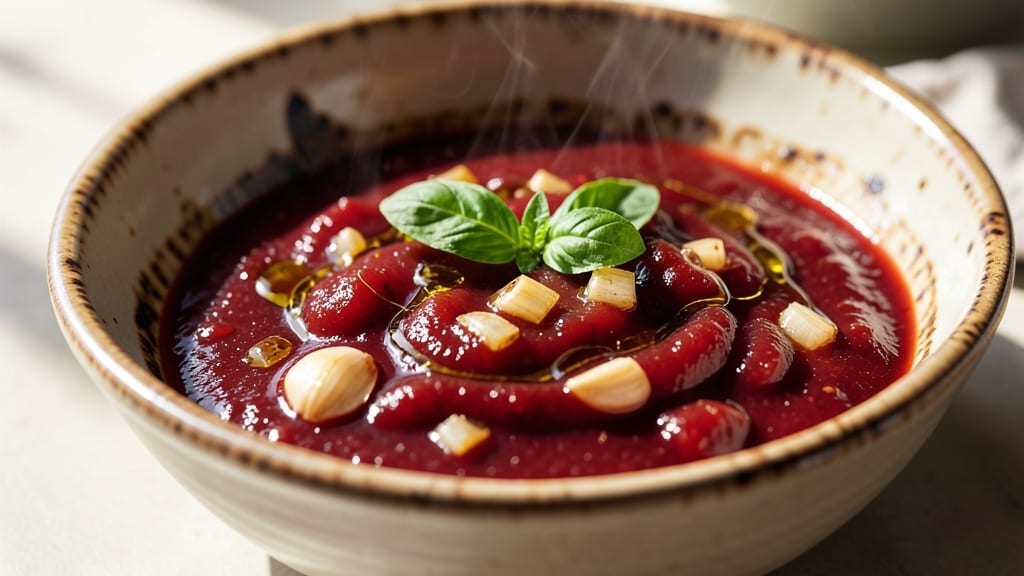
Creating a Betty Crocker-inspired spaghetti sauce at home delivers restaurant-quality depth in just 30 minutes—no shortcuts, just layered tomato and herb richness that elevates every pasta dish.
The secret lies in balancing canned tomatoes with fresh aromatics, simmering until flavors meld naturally, and finishing with a touch of sweetness to round out the acidity.
This sauce builds on classic techniques while keeping prep simple: sauté garlic and onions until fragrant, then combine with crushed tomatoes, herbs, and a splash of red wine for complexity. A 30-minute simmer transforms raw ingredients into a velvety, flavor-packed sauce that coats noodles perfectly.
The result? A sauce so rich and aromatic, it’ll fool even the most skeptical pasta lovers.
What sets this apart is the attention to texture—blending just enough to create a smooth yet rustic consistency, with visible herb flecks for visual appeal.
The sauce thickens beautifully as it cooks, clinging to every strand of spaghetti without turning gluey. It also reheats perfectly, making it ideal for meal prep.
Whether you’re serving it over al dente pasta or using it as a marinade for meatballs, this sauce delivers professional-level flavor with minimal effort. The best part? You’ll never reach for store-bought again once you taste the difference. Let’s get cooking!
Ingredients for betty crocker spaghetti sauce
Pantry staples meet fresh herbs for a sauce that tastes like homemade magic.
| Ingredient | Amount | Notes |
|---|---|---|
| Extra-Virgin Olive Oil 🫒 | ½ cup | High-quality, fruity variety |
| Yellow Onion 🧅 | 1 whole | Medium-sized, finely diced |
| Garlic Cloves 🧄 | 4 cloves | Peeled, minced for depth |
| Canned San Marzano Tomatoes 🍅 | 2 cans | 28 oz each, crushed by hand |
| Red Wine 🍷 | ½ cup | Bold dry variety like Cabernet |
| Tomato Paste 🍅 | 2 tbsp | Smooth, no sugar added |
| Fresh Basil Leaves 🌿 | ½ cup | Packed, stems removed |
| Fresh Oregano Leaves 🍃 | ¼ cup | Or dried oregano at 1 tbsp |
| Granulated Sugar 🍬 | 1 tbsp | Balances acidity perfectly |
| Salt 🧂 | 1 ½ tsp | Diamond Crystal preferred |
| Black Pepper 🌶️ | ½ tsp | Freshly cracked preferred |
The tomatoes are non-negotiable—San Marzano is the gold standard, but any high-quality canned tomatoes work. Look for ones with minimal additives, and crush them by hand for better texture. Red wine adds depth, but dry white wine or extra broth works in a pinch. Fresh basil and oregano should be vibrant green—no yellowing leaves. I grab mine from Whole Foods or my local farmers' market, but the grocery store usually has decent options if you check the dates. The sugar might seem odd, but it rounds out the acidity beautifully—brown sugar works too.
No red wine? Substitute beef or vegetable broth—just reduce it first to concentrate the flavor. Fresh herbs not available? Dried oregano at one-third the amount keeps the essence, though fresh is ideal. Pre-shredded cheese is off-limits here—grate your own Parmesan if you use it. The olive oil matters too—extra-virgin adds fruity notes that cut through the richness. If you're short on time, Trader Joe's has pre-crushed tomatoes that work in a bind. For extra umami, add a dash of balsamic vinegar at the end.
This sauce gets better with time—30 minutes of simmering is ideal, but don't rush it. Store in an airtight container in the fridge for up to 5 days, or freeze for 3 months. I double the batch and freeze half—perfect for lazy weeknights. When reheating, add a splash of water or broth to prevent thickening. The sauce thickens as it cools, so start with slightly less if you're serving it immediately. Leftovers taste even richer the next day.
Why You'll Love This Recipe
- Pantry Magic: I swear by this sauce because it uses what’s already in my cupboard—no last-minute grocery runs. The San Marzano tomatoes alone make it taste like a restaurant dish, and the red wine adds depth without requiring a sommelier’s approval.
- Garlic Bomb: That moment when you crush fresh garlic into olive oil? Pure satisfaction. The slow simmer lets the cloves mellow into a rich, aromatic base that clings to every strand of pasta like it’s been waiting its whole life.
- Leftovers That Beg: This sauce only gets better the next day—thicker, more complex, and somehow even more delicious. I make a double batch on Sundays because it turns into lasagna, stuffed shells, or a quick weeknight dinner with zero extra effort.
- Weeknight Hero: Between us, this is my go-to when I’m exhausted but still need dinner. Thirty minutes tops, minimal cleanup, and it feeds four without breaking the bank. The wine reduces down to nothing, so you’re not left with a boozy mess—just pure, velvety flavor.
Step-by-step instructions for Betty Crocker spaghetti sauce recipe
Here's how to build a restaurant-quality tomato sauce with deep flavor and perfect balance in just 30 minutes.
Build the Flavor Base with Olive Oil and Aromatics
Heat the 0.5 cup extra-virgin olive oil in a large Dutch oven over medium heat. Add the 1 whole yellow onion, diced into ¼-inch pieces, and cook for 5-6 minutes until softened and translucent. You'll notice the onion releases moisture and becomes more pliable as it cooks.
Add the 4 cloves garlic cloves, minced, and cook for another 30 seconds until fragrant. Garlic burns quickly, so keep a close eye on it. Here's the thing—you want the garlic to perfume the oil without turning bitter. As soon as you detect that sweet, nutty aroma, it's time to move to the next step. The base should be golden but not browned.
Develop Depth with Wine and Tomatoes
Pour in the 0.5 cup red wine and scrape up any browned bits from the bottom of the pot with a wooden spoon. This deglazing step captures all the concentrated flavors you've built so far. Let the wine simmer for 3-4 minutes until it reduces by half and the alcohol aroma dissipates completely.
Add the 2 tbsp tomato paste and stir to combine. This creates a smooth, thick base that helps build body in your sauce. Then add the 2 cans crushed San Marzano tomatoes and the 1 tbsp granulated sugar. The sugar balances the natural acidity of the tomatoes, creating a more rounded flavor. Stir well to incorporate everything completely.
Season and Simmer for Richness
Add the 1.5 tsp salt and 0.5 tsp black pepper and bring the mixture to a gentle boil. Once boiling, reduce heat to low-medium and let it simmer uncovered for 15 minutes. This simmering time allows the flavors to meld together and the sauce to thicken naturally.
I like to stir occasionally during this time, but not constantly—just enough to prevent sticking. You'll see the sauce reduce slightly and develop a glossy sheen. This is when the magic happens—the acidity mellows, the sweetness develops, and the tomato flavor becomes more complex. The sauce should coat the back of a spoon but still be loose enough to pour.
Finish with Fresh Herbs for Brightness
Remove the sauce from heat and stir in the 0.5 cup fresh basil leaves and 0.25 cup fresh oregano leaves. The fresh herbs add a vibrant brightness that cuts through the richness of the tomatoes. Let the sauce sit off heat for 5 minutes to allow the flavors to fully integrate.
Taste and adjust seasoning if needed—you might want to add a pinch more salt or a splash of red wine for acidity. The sauce should be balanced with sweet, acidic, and savory notes all working together. For the best texture, I recommend blending the sauce briefly with an immersion blender to achieve a smooth consistency, though you can leave it rustic if you prefer.
Serve Immediately or Store Properly
Serve the sauce immediately over cooked spaghetti, tossing well to coat each strand. The sauce should cling beautifully to the pasta, creating a rich, flavorful coating. If you're not serving immediately, let the sauce cool to room temperature and transfer it to an airtight container. It will keep in the refrigerator for up to 5 days or can be frozen for up to 3 months.
When reheating, do so gently over low heat on the stovetop, stirring occasionally to prevent scorching. You might want to add a splash of water or pasta water if the sauce thickens too much. This sauce tastes even better the next day as the flavors continue to develop and mellow.
Pro Tips For Making Betty Crocker Spaghetti Sauce
- SWEEP THE POT: After the wine boils off, give the pot a quick scrape with a wooden spoon—especially around the edges. That’s where flavor hides, and skipping it means losing depth. I learned this the hard way when my sauce tasted dull, even though I used good tomatoes.
- SAUTÉ ONIONS LOW AND SLOW: Don’t rush the onions—cook them on medium-low heat for 8-10 minutes until soft and translucent, not browned. High heat burns them fast, and you’ll taste bitterness. My grandmother swore by this, and she was right: patience here makes the whole sauce smoother.
- CRUSH TOMATOES BY HAND: Ditch the blender—use your fingers to break up the San Marzano tomatoes right in the pot. This keeps texture intact and avoids that pasty, over-processed feel. Sounds weird, but it works: the sauce stays chunky and vibrant, not mushy.
- SALT THE WINE FIRST: Before adding the wine, sprinkle in a pinch of salt—about ¼ teaspoon—and let it sit for 30 seconds. This balances the acidity right away, so the sauce doesn’t turn sharp later. I was skeptical until I tried it: the wine’s bite mellows out perfectly.
Best sauces and condiments for betty crocker spaghetti sauce
Classic Pairings
This sauce shines brightest with al dente spaghetti, but I also love tossing it with bucatini or penne pasta for extra sauce cling. For a heartier dish, serve it over brown rice or polenta, where the sauce soaks into every crevice.
The sauce's richness also makes it perfect for grilled chicken or meatballs, where it acts as both a marinade and a finishing sauce. 🍝
Cheese Elevations
Add grated Parmesan cheese (about ¼ cup) while serving to boost umami depth. For a creamy twist, stir in 2 tbsp ricotta cheese at the end for a lighter texture.
If you love tang, top with crumbled feta or pecorino romano—just 1 tbsp adds a sharp contrast to the sweet tomatoes. I also sprinkle crispy pancetta bits for a salty crunch.
Herb Garnishes
Fresh herbs transform the sauce at the table. I always finish with 1 tbsp chopped fresh basil and a pinch of red pepper flakes for heat. For a Mediterranean touch, add thinly sliced Kalamata olives—just 2 tbsp—or crumbled sun-dried tomatoes for extra depth.
A drizzle of high-quality olive oil (about 1 tsp) before serving adds a silky finish.
Bread Pairings
Serve this sauce with garlic bread or focaccia for dipping—it soaks up the sauce beautifully. I also love using it as a spread for bruschetta on toasted baguette slices. For a hearty starter, spoon the sauce over grilled breadsticks and sprinkle with Parmesan and black pepper.
The sauce's versatility makes it a perfect addition to any Italian-inspired meal. 🌟
Protein Additions
For a complete meal, stir in ½ lb ground beef or Italian sausage during the final 5 minutes of simmering. The meat absorbs the sauce's flavors while adding heartiness. For a vegetarian option, fold in ½ cup cooked lentils or white beans for protein and texture.
I also love adding grilled shrimp or chicken breast strips after the sauce is done for a lighter dish.
Storage-Friendly Upgrades
This sauce freezes beautifully—portion it into ice cube trays for easy single-serving use later. For a quick upgrade, add 1 tsp fish sauce or ½ tsp smoked paprika before freezing to enhance depth.
When reheating, a splash of beef broth revives the sauce's richness. The sauce also works as a base for lasagna or ravioli, making meal prep a breeze. 💫
Nutrition facts
Frequently asked questions
Can I make this sauce without red wine?
Replace the 0.5 cup red wine with 0.5 cup beef or vegetable broth—reduce it by half first to concentrate the flavor. For acidity, add 1 tbsp balsamic vinegar or 1 tsp lemon juice instead. The sauce will still develop rich, layered flavors without alcohol.
How do I adjust the thickness of the sauce?
If your sauce is too thin, simmer uncovered for 5-10 extra minutes to reduce it naturally. For a thicker texture, blend briefly with an immersion blender or stir in 1 tbsp cornstarch mixed with 2 tbsp water. If it’s too thick, thin with 2 tbsp pasta water or broth while reheating. The ideal consistency coats the back of a spoon but remains pourable.
What’s the best way to store leftovers?
Let the sauce cool completely, then transfer to an airtight container. It keeps in the fridge for 5 days or freezes for 3 months. For freezing, portion into ice cube trays for single-serving convenience. Thaw overnight in the fridge—never microwave directly from frozen. Add a splash of water or broth when reheating to restore creaminess.
Can I add meat to this sauce?
Yes! For a meaty version, brown ½ lb ground beef or Italian sausage in a separate pan first, then stir it into the sauce during the final 5 minutes of simmering. Drain excess fat if needed. For a lighter option, add ½ cup cooked lentils or white beans at the end. The sauce’s acidity tenderizes the meat beautifully.
Why does my sauce taste too acidic?
Acidity often comes from unbalanced tomatoes or over-simmering. To fix it, stir in 1 tbsp sugar or 1 tsp honey to neutralize the tang. If the sauce is too thin, reduce it longer to concentrate flavors. For future batches, use San Marzano tomatoes (lower acidity) and simmer for exactly 15 minutes—no longer. A splash of red wine or broth also helps round out sharpness.