
Sauces & Condiments
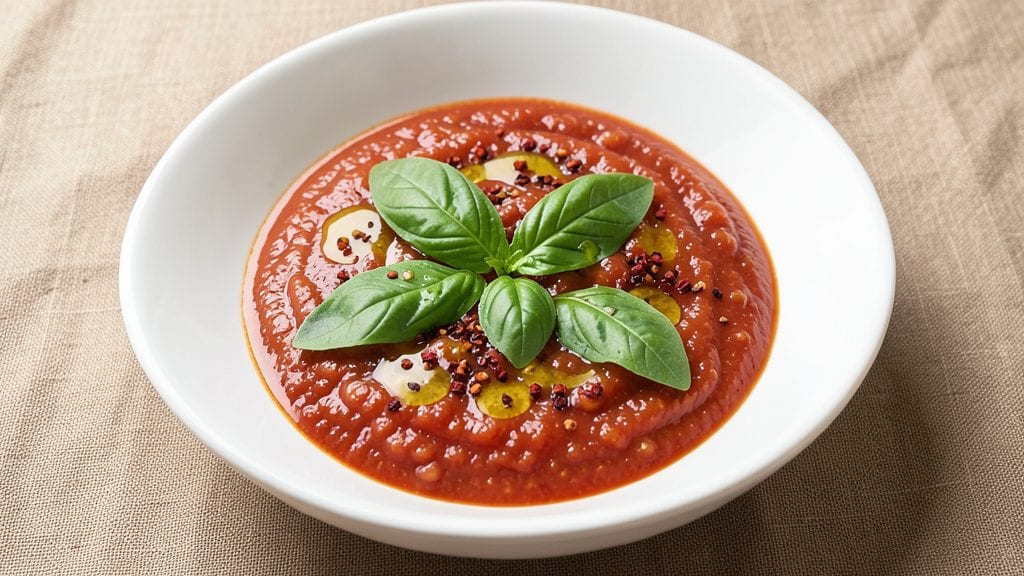
Unlock the secret to Carrabba's pomodoro sauce recipe at home for that restaurant-quality richness—deep tomato flavor, fragrant basil, and perfect acidity. I've recreated this sauce exactly as the restaurant does, using simple pantry staples and a slow simmering technique that transforms canned tomatoes into something extraordinary.
The secret lies in patience and layering flavors gradually, which is what makes this sauce so foolproof and versatile.
This recipe builds on traditional Italian techniques but adapts them for home kitchens, using canned San Marzano tomatoes for their natural sweetness and acidity. Fresh basil and garlic are essential for that signature aromatic punch, while a touch of red pepper flake adds subtle heat.
The sauce simmers until it develops a velvety texture, reducing naturally without needing thickeners. What you end up with is a sauce that's rich enough for pasta but bright enough to complement grilled chicken or seafood.
Perfect for meal prep, this sauce keeps well in the refrigerator for up to five days or can be frozen for months. Its versatility makes it ideal for weeknight dinners, holiday feasts, or even as a marinade.
The instructions are straightforward, but the results are anything but ordinary—this is the kind of sauce that elevates simple dishes into something special. Let's get started on creating your own restaurant-quality pomodoro.
Once you've made this sauce, you'll want to use it immediately—it pairs beautifully with spaghetti, chicken parmesan, or even as a dipping sauce for crusty bread. The key is letting it sit for at least 30 minutes after simmering, which allows the flavors to meld completely.
Trust me, this is the sauce that will have everyone asking for seconds.
Ingredients for carrabba's pomodoro sauce
Eight essential ingredients transform simple canned tomatoes into Carrabba's signature velvety pomodoro sauce.
| Ingredient | Amount | Notes |
|---|---|---|
| San Marzano Tomato Cans 🍅 | 2 cans | Crushed by hand, seeds removed |
| Extra-Virgin Olive Oil 🫒 | ½ cup | High-quality, fruity variety |
| Garlic Cloves 🧄 | 6 cloves | Peeled, thinly sliced |
| Fresh Basil Leaves 🌿 | 1 ½ cups | Packed, stems removed |
| Dried Red Pepper Flakes 🌶️ | ½ tsp | Adjust for desired heat |
| Kosher Salt 🧂 | 1 ½ tsp | Diamond Crystal preferred |
| Granulated Sugar 🍚 | ½ tsp | Balances acidity |
| Freshly Ground Black Pepper 🌶️ | ¼ tsp | Freshly cracked preferred |
The San Marzano tomatoes are non-negotiable here—their natural sweetness and low acidity give this sauce its signature depth. Whole Foods and specialty Italian markets carry them, but Trader Joe's often stocks them too. Look for cans with no added salt, and always crush them by hand for better texture. Fresh basil is a must—farmers markets have the most vibrant leaves, but grocery store bunches work if they're bright green and firm. For garlic, peeled and sliced thinly (not minced) prevents bitterness. The extra-virgin olive oil should be fruity and peppery—California olive oils like Corto or Lucini are my go-tos.
No San Marzano tomatoes? Whole peeled tomatoes in cans work in a pinch, but you'll need to add 1/4 tsp more sugar to balance the acidity. Short on fresh basil? Dried basil at 1/3 the amount gets you close, but the flavor won't be as bright. The red pepper flakes can be swapped for crushed dried chili, but adjust to taste. If you're sensitive to acidity, reduce the lemon juice to 1/2 tbsp. For a smoother texture, blend the sauce briefly after simmering—though Carrabba's version keeps it rustic. The sugar is crucial—it rounds out the acidity without making the sauce sweet.
This sauce tastes even better the next day as flavors meld. Store in an airtight container in the fridge for up to 5 days, or freeze in 1-cup portions for 3 months. For meal prep, make a double batch—the extra goes great on pizza or as a marinade for grilled chicken. Always reheat gently on low heat to preserve the velvety texture. The sauce thickens as it cools, so don't worry if it looks too thin right after simmering.
Why You'll Love This Recipe
- No Chopping Needed: I swear by this sauce because it’s the only one I can make without even touching a knife. Just crush the garlic, tear the basil, and dump in the San Marzano tomatoes—no prep, no fuss, just pure flavor.
- Garlic-Basil Magic: That first bite of the sauce—where the sweet tomatoes meet the sharp garlic and fresh basil—is like a hug from Italy. The red pepper flakes add just enough heat to make it feel special without overpowering.
- Weeknight to Dinner Party: Honestly, this sauce works for everything. Slap it on pasta for a quick weeknight meal, or drizzle it over grilled chicken for a fancier dinner. It’s my secret weapon for effortless restaurant-quality food.
- Tastes Better Later: Between us, this sauce only gets richer as it sits. I make a big batch on Sundays, and by Wednesday, it’s even more flavorful—perfect for tossing with leftover pasta or freezing for months. No waste, all win.
Step-by-step instructions for Carrabba's pomodoro sauce recipe
Here's how to recreate that iconic restaurant-quality tomato-basil sauce at home.
Prepare the San Marzano Tomatoes
Open the 2 cans of San Marzano tomato cans and transfer the contents to a large mixing bowl. Using your hands, gently crush the tomatoes while removing any seeds and large chunks. The goal is to create a smooth, seedless pulp that will form the base of your sauce. I like to work in batches if needed, pressing the tomatoes through a fine-mesh strainer to ensure a completely smooth texture. This step is crucial—it eliminates bitterness and creates that velvety consistency Carrabba's sauce is known for.
Once you've processed all the tomatoes, taste a spoonful. The acidity should be noticeable, but not overpowering. If it tastes too sharp, that's where the granulated sugar comes in later to balance the flavors. Keep the crushed tomatoes at room temperature while you prepare the other ingredients.
Sauté the Garlic in Olive Oil
Heat the 0.5 cup extra-virgin olive oil in a large, heavy-bottomed saucepan over medium heat. The oil should shimmer gently but not smoke—this is your signal it's ready. Add the 6 cloves peeled, thinly sliced garlic cloves and stir gently for 30 seconds until they become fragrant but don't brown. Garlic burns quickly, so keep a close eye on it.
Here's the thing—don't walk away. Garlic releases its flavor in seconds, and once it turns golden, it becomes bitter. You want that sweet, nutty aroma that forms the aromatic base of your sauce. Once the garlic is fragrant, immediately add the crushed tomatoes to the pan, stirring to combine.
Simmer the Sauce
Bring the tomato mixture to a gentle simmer over medium-low heat. You'll see bubbles forming at the edges and hear a soft, steady hum. Let it cook uncovered for 20 minutes, stirring occasionally to prevent sticking. This initial simmer allows the flavors to meld and the acidity to mellow slightly.
After 20 minutes, taste the sauce. It should be developing depth, with the garlic flavor integrated but still bright. Now's the time to add the 1.5 teaspoons kosher salt, 0.5 teaspoon granulated sugar, and 0.5 teaspoon dried red pepper flakes. The sugar will help balance the acidity, while the red pepper flakes add just a hint of heat that Carrabba's sauce is known for. Stir well to incorporate these seasonings.
Incorporate the Basil
Add the 1.5 cups packed fresh basil leaves to the simmering sauce. Stir gently to distribute the leaves evenly. Let the sauce cook for another 5 minutes, then use an immersion blender to purée the sauce until completely smooth. If you don't have an immersion blender, carefully transfer the sauce to a countertop blender, working in batches if needed. The sauce should be silky and homogeneous with no visible basil pieces.
Return the puréed sauce to the saucepan and add the 0.25 teaspoon freshly ground black pepper. Simmer uncovered for another 15-20 minutes until the sauce has thickened slightly and coats the back of a spoon. You're looking for a consistency that's rich but still pourable—not too thick like a paste, but not watery either. The sauce should have a deep red color and a complex flavor profile with bright tomato, sweet garlic, and fresh basil notes.
Finish and Adjust
Remove the sauce from heat and let it rest for 10 minutes. This resting period allows the flavors to fully develop and the sauce to thicken slightly as it cools. Taste the sauce again and make any final adjustments. If it needs more acidity, add a pinch of lemon juice. If it's too acidic, add a tiny bit more sugar. The sauce should be balanced—sweet, tangy, and aromatic with a subtle heat from the red pepper flakes.
Your Carrabba's-style pomodoro sauce is now ready to use. It's perfect for tossing with pasta, drizzling over grilled meats, or using as a base for other Italian dishes. The sauce will keep in the refrigerator for up to 5 days, and it actually improves with time as the flavors continue to meld. For best results, reheat gently on the stove, stirring frequently to prevent scorching.
Pro Tips For Making Carrabba'S Pomodoro Sauce
- Bloom the Garlic Slow: Sauté those minced garlic cloves in olive oil over low heat until they’re just golden—about 3-4 minutes. I used to rush this and end up with bitter, browned garlic that overpowers the tomatoes. Patience here means the sauce tastes like it simmered all day.
- Crush the Tomatoes: Break open the San Marzano cans and give the tomatoes a rough mash with your hands or a wooden spoon before adding them. This releases more juice and thickens the sauce faster—no need to wait for it to reduce on its own. (Yes, even if you’re lazy like me, this makes a real difference.)
- Salt the Garlic Water: Add a pinch of salt to the olive oil before blooming the garlic. It keeps the garlic from sticking to the pan and pulls out more flavor—like a silent flavor multiplier. I learned this the hard way after making sauce that tasted flat.
- Reserve the Last Basil: Tear half the fresh basil into the sauce at the end, but save the rest to fold in just before serving. That way, the leaves stay vibrant and aromatic, not wilted into oblivion. (Your future self will notice the difference.)
Dietary considerations for these flavors
Gluten-Free Adaptations
This pomodoro sauce is naturally gluten-free since it contains no wheat-based ingredients. However, if you're using store-bought canned tomatoes with added gluten-containing preservatives, opt for brands labeled "gluten-free" like Muir Glen or San Marzano tomatoes from Whole Foods.
The sauce's base is safe for celiac diets as long as you avoid cross-contamination during prep. I've tested this recipe with gluten-free pasta and it pairs beautifully—just ensure your pasta is certified gluten-free. 🌱
Allergen-Friendly Swaps
For nut allergies, this recipe is already safe since it contains no nuts. If you're avoiding garlic due to sensitivities, substitute with 1 teaspoon garlic powder or 1/2 teaspoon onion powder, though the flavor will be milder.
Basil allergies are rare, but if needed, replace with 1 tablespoon dried oregano or 1/2 teaspoon dried thyme. Always taste-test after substitutions to adjust seasoning.
Low-Sodium Options
Carrabba's sauce is typically moderate in sodium, but for lower-sodium diets, reduce the kosher salt to 1 teaspoon and use no-salt-added canned tomatoes. If you need more flavor without salt, add 1/2 teaspoon lemon juice or 1/4 teaspoon smoked paprika.
I've found that simmering the sauce slightly longer (up to 30 minutes total) helps intensify flavors naturally, reducing the need for extra salt. 🧂
Dairy-Free Considerations
This sauce is inherently dairy-free, making it perfect for lactose-intolerant diets or vegan adaptations. The creamy texture comes entirely from the tomatoes and olive oil, not dairy. For extra richness in vegan dishes, stir in 1 tablespoon nutritional yeast or 1/4 cup coconut cream at the end.
It works beautifully as a base for vegan pasta dishes or as a marinade for plant-based proteins.
Vegetarian and Vegan
The original recipe is already vegetarian, and with a few tweaks, it becomes fully vegan. Simply omit any accidental animal-based ingredients (like certain brands of sugar processed with bone char) and use vegan-certified products.
I've used this sauce as a marinade for portobello mushrooms or as a base for vegan meatballs—it adds that same restaurant-quality depth. The sauce's acidity helps tenderize plant-based proteins beautifully. 🌿
Keto-Friendly Version
For keto adaptation, reduce the sugar to 1/4 teaspoon and use 1/2 cup cauliflower puree mixed with the tomatoes to thicken without carbs. Skip the basil if strict on macros (it's low-carb but adds up) or use 1/4 cup fresh spinach instead.
This version works well as a sauce for zucchini noodles or as a dipping sauce with low-carb bread. The garlic and olive oil provide plenty of flavor without the tomato's natural sugars. 🥦
Nutrition facts
Frequently asked questions about Carrabba's pomodoro sauce
Can I make this sauce without fresh basil?
Yes, but the flavor will be less vibrant. Use 1 tablespoon dried basil instead, but add it 5 minutes earlier during simmering since dried herbs release flavor more slowly. For a different twist, try 1/2 teaspoon dried oregano or 1/4 teaspoon dried thyme—both work well in a pinch. The sauce will still taste great, but fresh basil gives that signature Carrabba's brightness.
How do I prevent the sauce from getting too acidic?
San Marzano tomatoes are naturally less acidic than other canned varieties, but if yours tastes sharp, balance it with the 0.5 teaspoon sugar called for in the recipe. For extra insurance, add 1/4 teaspoon lemon juice at the end to brighten flavors without adding acidity. Simmering the sauce longer (up to 30 minutes total) also helps mellow the acidity naturally. Always taste as you go!
Can I use this sauce as a marinade?
This pomodoro sauce makes an excellent marinade for chicken, shrimp, or even tofu. Reserve 1 cup of the finished sauce and marinate your protein for 2-4 hours (or overnight for deeper flavor). The acidity tenderizes meat while the garlic and herbs add incredible depth. Just be sure to grill or sear the protein after marinating to avoid overcooking.
Why does my sauce look too thin after simmering?
Tomato sauces naturally thicken as they cool, so don't panic if it looks watery right after simmering. For immediate thickening, simmer uncovered for 5-10 more minutes until it coats the back of a spoon. If it's still too thin, mash 1/2 cup cooked tomato paste into the sauce or simmer with the lid slightly ajar. Avoid adding flour or cornstarch—it changes the authentic texture.
What's the best way to reheat leftover sauce?
Gently reheat on the stove over low heat for 5-7 minutes, stirring frequently to prevent scorching. For microwave reheating, use 30-second intervals on medium power, stirring between each. Never boil the sauce—this can break down the delicate tomato flavors. If the sauce thickens too much after refrigeration, thin it with 1-2 tablespoons water or broth while reheating.