
Sauces & Condiments
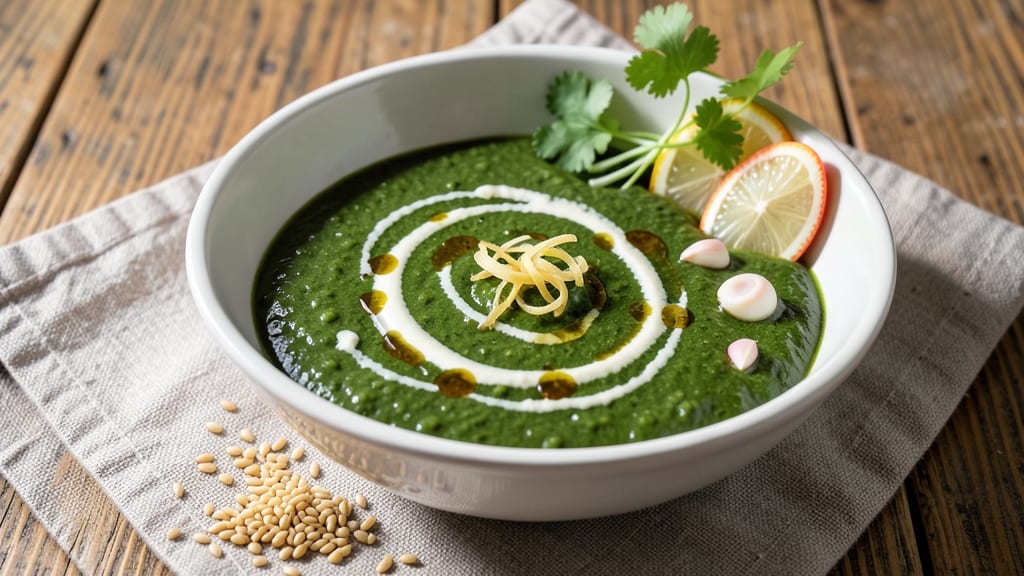
This edamame sauce recipe transforms humble pantry staples into a velvety, umami-rich condiment that elevates everything from stir-fries to grilled meats. The secret lies in blending cooked edamame with soy sauce, garlic, and sesame oil—creating a sauce that’s nutty, savory, and impossibly versatile.
I developed this recipe after realizing how often I reached for store-bought versions, only to find them lacking depth or freshness.
The beauty of this sauce is its simplicity: just five core ingredients combine to deliver restaurant-quality flavor without specialty equipment. The edamame provides natural creaminess and protein, while the garlic and ginger add aromatic complexity.
Sesame oil contributes a subtle toasty note that ties everything together. Best of all, it comes together in under 10 minutes with ingredients you likely already have on hand.
What you’ll end up with is a smooth, glossy sauce that clings perfectly to noodles, tofu, or seared proteins—adding layers of flavor with every drizzle.
The nutty undertones from the edamame balance the saltiness of soy, creating a harmony that works equally well as a dipping sauce or stir-fry finishing touch. Store it in the fridge for up to 5 days or freeze for longer shelf life.
This sauce is a game-changer for plant-based cooking, but its versatility extends far beyond. Use it to enhance bowls, marinades, or even as a quick glaze for roasted vegetables. The possibilities are endless, and the process couldn’t be simpler. Let’s make it—your taste buds will thank you.
Ingredients for edamame sauce
Five ingredients transform into a restaurant-quality sauce that's nutty, savory, and perfect for any dish.
| Ingredient | Amount | Notes |
|---|---|---|
| Frozen Shelled Edamame 🌱 | 1 ½ cups | Thawed and drained well |
| Tamari or Gluten-Free Soy Sauce 🍶 | ½ cup | For deeper umami flavor |
| Garlic Cloves 🧄 | 4 cloves | Freshly minced for brightness |
| Fresh Ginger 🌿 | 1 tbsp | Finely grated, not powdered |
| Toasted Sesame Oil 🫒 | 1 tbsp | High-quality, not flavored |
| Lemon Juice 🍋 | 1 tbsp | Freshly squeezed for acidity |
| Maple Syrup 🍯 | 1 tsp | For subtle sweetness balance |
| Water 💧 | ¼ cup | For desired consistency |
| Diamond Crystal Kosher Salt 🧂 | ½ tsp | Adjusts seasoning perfectly |
| Toasted Sesame Seeds 🥜 | 1 tsp | For garnish and crunch |
Edamame is the star here—frozen shelled works perfectly, but fresh is ideal if you can find it. Trader Joe's and Whole Foods carry excellent frozen options, and the organic varieties have noticeably better flavor. Look for vibrant green beans with no graying or bruising. The tamari adds depth that regular soy sauce can't match—San-J is my go-to brand for its clean, rich profile. Fresh garlic and ginger are non-negotiable; pre-minced versions taste flat. Toast your sesame oil in a dry pan for 30 seconds before using—this enhances its nutty aroma without burning. The maple syrup might seem odd, but it balances the saltiness beautifully.
No tamari? Gluten-free soy sauce works in a pinch, though the flavor won't be quite as complex. Substituting powdered ginger for fresh? Use half the amount—it lacks the same potency. Sesame oil substitute? Avocado oil with a pinch of toasted sesame seeds mimics the flavor, though it won't be identical. The sauce can be made thicker by reducing it on the stove or thinner by adding more water—adjust to your preference. For extra protein, blend in 1/4 cup silken tofu after cooking. The lemon juice is crucial; bottled versions lack freshness—squeeze your own if possible. Every ingredient here serves a purpose: edamame for creaminess, garlic/ginger for aroma, sesame oil for depth, and lemon to brighten.
This sauce keeps beautifully—5 days in the fridge sealed tightly, or 3 months frozen in ice cube trays for portion control. The flavor actually improves after a day as everything melds. For best texture, whisk before using if it separates. Double the batch—you'll want to make this often. Store the sesame seeds separately and sprinkle them on just before serving to maintain that fresh crunch. The sauce pairs perfectly with steamed tofu, grilled veggies, or noodle bowls. Trust me, once you try this homemade version, store-bought will never satisfy again.
Why You'll Love This Recipe
- No-Fuss Pantry Magic: I swear by this sauce because it starts with frozen edamame—no fresh prep, no wilting veggies. Just toss the pods into boiling water for 3 minutes, drain, and you’re halfway there. The tamari and toasted sesame oil do the heavy lifting while I sip my coffee.
- Umami Bomb Alert: That first spoonful of sauce? It’s like a party in your mouth. The garlic and ginger sizzle in the pan until they’re fragrant but not overpowering, then the edamame blends into a velvety base that’s rich, nutty, and just salty enough to make you reach for more.
- Dip, Drizzle, Repeat: Here’s what sold me—this sauce works everywhere. Thin it with water for a quick noodle toss, slather it on grilled chicken, or serve it in a bowl with chopsticks for instant takeout vibes. Even my picky teenager dips store-bought veggie sticks into it.
- Budget Meal Upgrade: A single batch of this sauce stretches across three meals for my family of four. The frozen edamame is cheaper than fresh, and the rest of the ingredients? Basic pantry staples. I make a double batch on Sundays, freeze half, and boom—weeknight dinners just got a flavor boost without breaking the bank.
Step-by-step instructions for edamame sauce
Here's how to transform simple pantry staples into a velvety, nutty-sweet sauce with depth.
Blanch and Prepare the Edamame
Start by thawing the 1.5 cups frozen shelled edamame in a fine-mesh strainer under cool running water for 2-3 minutes. This removes excess starch that can make your sauce gummy later. Once thawed, transfer the edamame to a small saucepan and cover with 1 cup fresh water. Bring to a boil over medium-high heat, then immediately reduce to medium-low and simmer for 3-4 minutes until the edamame is tender but still holds its shape.
Drain thoroughly in a colander, pressing gently to remove all liquid. The sauce's texture depends on starting with completely dry edamame—no shortcuts here. While still warm, peel the edamame using your fingers or a small knife, removing the tough outer skins. You should have about 1 cup peeled edamame—this is your flavor base. Set aside for the next step.
Build the Flavor Foundation
In a clean saucepan, combine the peeled edamame, 0.5 cup tamari or gluten-free soy sauce, 1 tbsp toasted sesame oil, and 1 tbsp lemon juice. Bring to a gentle simmer over medium heat, stirring occasionally to prevent sticking. The mixture will foam slightly as it heats—this is normal and indicates the flavors are melding.
After 5 minutes, add the 4 cloves minced garlic cloves and 1 tbsp finely grated fresh ginger. Stir well and continue simmering for another 3-4 minutes until the garlic becomes fragrant but doesn't brown. The sauce should begin to thicken slightly as the edamame breaks down. Here's where the umami magic happens—don't rush this step. The longer the aromatics cook, the deeper the flavor.
Blend to Silky Perfection
Using an immersion blender, carefully blend the mixture directly in the saucepan until completely smooth. Work in batches if needed, ensuring no chunks remain. For best results, blend on medium speed while holding the immersion blender at a slight angle to prevent splattering. The sauce should now be a vibrant green with a velvety texture—almost like a thick pesto.
If the sauce is too thick after blending, thin it with 1-2 tablespoons of the reserved edamame cooking water (not the fresh water from thawing). The goal is a consistency that coats the back of a spoon but still flows freely. Taste and adjust seasoning with 0.5 tsp diamond crystal kosher salt—this sauce should balance sweet, salty, and nutty flavors harmoniously.
Finish with Sweetness and Balance
Return the blended sauce to low heat and stir in the 1 tsp maple syrup and remaining 0.25 cup water. Simmer gently for 2-3 minutes to let the flavors meld completely. The maple syrup adds subtle sweetness that rounds out the sauce's complexity, while the water ensures the perfect consistency for dipping, drizzling, or tossing.
Remove from heat and let cool slightly—this allows the flavors to settle. The sauce should now be smooth, glossy, and ready to use. For an extra touch of texture, sprinkle with 1 tsp toasted sesame seeds just before serving. These seeds add a delightful crunch that contrasts beautifully with the sauce's silky texture.
Pro Tips For Making Edamame Sauce
- Boil Edamame Just Until Tender: Frozen edamame’s texture changes fast—drop it in boiling water for exactly 2-3 minutes after it returns to a boil. Overcooking turns them mushy (and ruins your sauce’s creaminess), while undercooking leaves them crunchy. Use a timer, because I’ve burned batches waiting for "just right."
- Grate Ginger Like It’s 1985: Skip the microplane—use a box grater for ginger. It’s coarser, but that’s what you want here: visible flecks add depth without turning your sauce into a ginger smoothie. (Yes, even if your knife skills are questionable.)
- Bloom Garlic in Oil First: Toss minced garlic into toasted sesame oil for 30 seconds before adding anything else. This stops it from burning when the ginger and tamari hit, giving you that nutty, aromatic base without bitterness. (I learned this after one very bitter batch.)
- Reduce Tamari Low and Slow: Simmer tamari on low heat for 5-7 minutes after adding edamame. This concentrates the flavor and thickens the sauce naturally—no sludgy texture. High heat skips the magic, and your sauce will taste flat. (Patience pays off here.)
Wine and beer pairings for edamame sauce
Crisp White Wine
This sauce’s nutty, umami-rich profile pairs beautifully with dry Riesling or Sauvignon Blanc—both wines have enough acidity to cut through the sauce’s creaminess while complementing its sesame notes.
I reach for a German Riesling like Dr. Loosen Blue Slate—its bright citrus and mineral notes mirror the sauce’s fresh ginger and lemon brightness. The slight sweetness in some Rieslings also balances the sauce’s saltiness without overpowering it. Serve chilled for the best contrast. 🍷
Light-Bodied Beer
A Japanese lager like Asahi Super Dry or Sapporo enhances the sauce’s clean, nutty flavors without competing. The beer’s crisp, clean finish highlights the edamame’s natural sweetness and the sesame oil’s toasty aroma.
For a craft option, try a Belgian witbier—the coriander and citrus notes in Hoegaarden or Stella Artois create a refreshing interplay with the sauce’s garlic and ginger. Keep the beer well-chilled to maintain its crispness. 🍺
Sake for Depth
If you’re serving edamame sauce with sushi or Japanese-inspired dishes, dry sake like Dassai 23 elevates the experience. The sake’s subtle umami and clean finish mirror the sauce’s soy and sesame flavors, creating a harmonious balance.
For a richer option, a fruity junmai sake like Gekkeikan 17 adds a touch of fruitiness that pairs wonderfully with the sauce’s maple sweetness. Serve sake slightly chilled—around 45-50°F—to preserve its delicate flavors. 🍶
Non-Alcoholic Pairings
For a refreshing non-alcoholic option, sparkling yuzu soda like San Pellegrino Aranciata Rossa adds a citrusy fizz that cleanses the palate between bites. The yuzu’s floral notes complement the sauce’s ginger and garlic, while the bubbles keep the experience lively.
Alternatively, a cucumber-mint infused water with a squeeze of lime offers a crisp, cooling contrast to the sauce’s richness. Keep the water ice-cold for the best effect. ✨
Nutrition facts
Frequently asked questions
Can I make this edamame sauce without an immersion blender?
Transfer the cooked edamame mixture to a regular blender or food processor instead. For best results, let the sauce cool slightly first to prevent splattering. If using a standard blender, work in batches and blend until completely smooth. The texture will be identical to immersion-blended sauce.
How do I adjust the thickness of the sauce?
If your sauce is too thick, thin it with 1-2 tablespoons of water or reserved edamame cooking water. For a thicker consistency, simmer the blended sauce uncovered for 3-5 minutes to reduce. The ideal consistency should coat the back of a spoon but still flow freely when drizzled.
Can I use canned edamame instead of frozen?
Yes, but with one important adjustment: drain and rinse 1.5 cups canned edamame thoroughly to remove excess sodium, then simmer in 1 cup fresh water for 2 minutes before peeling. Canned edamame is pre-cooked, so it needs less time to soften. The flavor will be slightly different but still delicious.
What are the best ways to use this sauce beyond dipping?
This versatile sauce elevates stir-fries, marinades for tofu or chicken, glazes for roasted vegetables, and even pasta sauces. Try drizzling it over ramen or pho for instant umami depth, or use it as a slurry for pan sauces. The nutty flavor also works beautifully in vegan Caesar dressings or sandwich spreads.
Why does my sauce taste bitter?
Bitterness usually comes from overcooked garlic or ginger. Reduce simmering time to 3 minutes total for aromatics. Another cause is using too much sesame oil—stick to 1 tbsp. To fix it, stir in 1/2 tsp maple syrup or 1 tsp lemon juice to balance the flavors. Always taste as you go!