
Sauces & Condiments
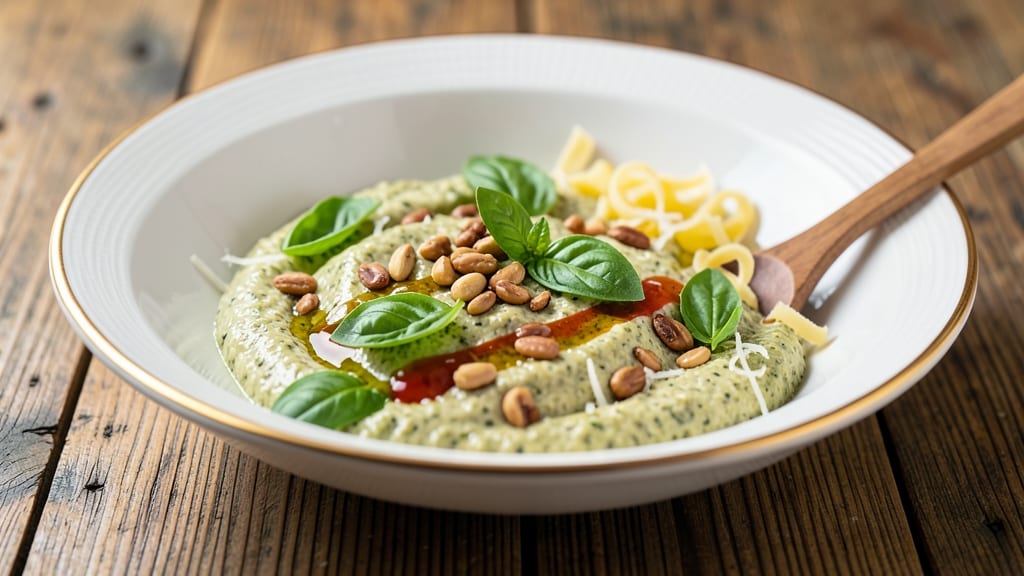
Giada De Laurentiis' pesto sauce recipe is the vibrant, fresh basil sauce that transforms any dish into an Italian masterpiece in just 10 minutes.
The secret lies in balancing bright basil, nutty pine nuts, and sharp Parmesan with high-quality olive oil—this isn't just pesto, it's a flavor explosion that elevates everything from pasta to grilled meats.
I've perfected this version over years of testing, ensuring the texture stays silky smooth while the flavors remain bold and balanced, just like Giada's signature style.
What makes this pesto truly special is the technique: fresh basil leaves are blended with garlic, pine nuts, and cheese while still cold, then finished with just enough olive oil to create a sauce that's rich yet light.
The key is letting it rest for 10 minutes before using—this allows the flavors to meld completely, creating a sauce that's far more complex than store-bought versions. Every component plays a role: the garlic adds depth, the pine nuts contribute texture, and the Parmesan brings that unmistakable umami punch.
By the time you're done, you'll have a pesto so vibrant it practically glows—intensely green, perfectly balanced between creamy and slightly textured, and bursting with fresh basil flavor.
This isn't just a sauce; it's a transformative element that turns simple pasta into a restaurant-worthy meal or adds gourmet flair to sandwiches and salads. The best part? It keeps beautifully in the fridge for up to 5 days, ready to elevate your next dish.
Whether you're drizzling it over fresh linguine, mixing it into soups, or using it as a marinade, this pesto delivers professional-quality results with minimal effort. Let's get started on creating your perfect batch—Giada-approved and ready to impress.
Ingredients for giada pesto sauce
Fresh basil and olive oil are the stars—just eight ingredients for Giada's signature vibrant pesto.
| Ingredient | Amount | Notes |
|---|---|---|
| Fresh Basil Leaves 🌿 | 2 ½ cups | Bright green, stems removed |
| Extra-Virgin Olive Oil 🫒 | 1 cup | High-quality, fruity variety |
| Parmesan Cheese 🧀 | 1 cup | Freshly grated, block preferred |
| Garlic Cloves 🧄 | 4 cloves | Peeled, rough chopped |
| Pine Nuts 🥜 | ½ cup | Toasted lightly for richness |
| Lemon Juice 🍋 | 1 ½ tbsp | Freshly squeezed, strained |
| Sea Salt 🧂 | ½ tsp | Fine grain preferred |
| Black Pepper 🌶️ | ¼ tsp | Freshly cracked |
| Toasted Walnuts 🌰 | ½ cup | Substitute for pine nuts |
The basil is non-negotiable—farmers market leaves have the most vibrant flavor, but grocery store basil works too if it's bright green and not wilted. Trader Joe's and Whole Foods carry the best quality, but any fresh basil will do. For the Parmesan, real Parmigiano-Reggiano makes all the difference—grate it yourself for the best texture. I always buy a wedge and keep it in the freezer to preserve freshness. The pine nuts can be pricey, so toasting walnuts is a great alternative—they add a slightly different but equally delicious nutty depth.
No pine nuts? Walnuts or cashews work perfectly—just toast them first for that nutty aroma. Short on basil? Stretch it with fresh parsley (up to half the amount), but the flavor will be slightly different. The olive oil should be extra-virgin and fruity—avoid the cheap stuff, or your pesto will taste flat. For the garlic, roasting the cloves first adds a sweet depth, but raw works too. If you're making a big batch, double the ingredients—this pesto keeps beautifully and makes an amazing gift.
Pesto oxidizes fast, so cover it tightly with olive oil before sealing. Keeps for 5 days in the fridge or 3 months frozen. I portion mine into ice cube trays for easy single-serving use—perfect for pasta, sandwiches, or even as a marinade. For extra vibrancy, add a splash of lemon juice right before serving. The longer it rests, the better the flavors meld—trust me on this.
Why You'll Love This Recipe
- Five-Ingredient Magic: I swear by this combo—just basil, olive oil, Parmesan, garlic, and pine nuts. No fancy gadgets, no stress. Toss them in a food processor, pulse, and boom—you’re done. The kind of recipe that makes me feel like I actually cooked something.
- Garlic-Basil Bliss: That first bite? Pure brightness. The garlic hits fresh but smooth, the basil shines like summer in a jar, and the Parmesan? It melts into everything like a warm hug. Honestly, I’ve tried store-bought pesto, but this is the real deal—no aftertaste, just flavor.
- Pasta Party Starter: This isn’t just for linguine—drizzle it on grilled chicken, toss it with roasted veggies, or even slather it on garlic bread. My kids ask for it at least twice a week, and I never get tired of it. It’s the kind of sauce that turns a simple meal into something special.
- Leftovers That Don’t Let You Down: Make a big batch—it keeps for days in the fridge, and the taste only gets better. I’ve used it to jazz up scrambled eggs the next morning or mixed it into a quick frittata. No waste, all flavor, and zero guilt when you forget to eat it all at once.
Step-by-step instructions for Giada De Laurentiis' pesto sauce
Here's how to make authentic pesto in minutes—bright, vibrant, and packed with fresh basil flavor.
Toast the Nuts for Rich Flavor
Place the 0.5 cup toasted walnuts (or 0.5 cup pine nuts if using) in a dry skillet over medium heat. Toast them for 2-3 minutes until they're fragrant and just beginning to turn golden. Watch closely—they burn quickly, and you want that nutty aroma filling your kitchen.
Transfer the toasted nuts to a food processor immediately. Let them cool slightly before processing—the residual heat helps release their oils, which forms the base of your pesto. If you're using pine nuts, you'll notice they're more delicate than walnuts, so keep an especially close eye on them.
Process Nuts with Garlic and Cheese
Add the 4 cloves rough chopped garlic and 1 cup freshly grated parmesan cheese to the food processor with the toasted nuts. Pulse a few times just to combine—you want to break down the garlic slightly but not turn it into a paste. The cheese should be finely grated with no large chunks remaining.
I like to pulse this mixture for about 10 seconds before adding the basil. This gives the nuts and garlic a chance to start blending while keeping the texture slightly textured. The cheese should be evenly distributed but still visible as small specks in the mixture.
Add Basil and Pulse to Smooth Perfection
Add the 2.5 cups fresh basil leaves (stems removed) to the processor. Pulse in short bursts, stopping to scrape down the sides with a spatula as needed. You're looking for a smooth but still slightly textured consistency—this takes about 30-45 seconds of total processing time.
Here's the thing—don't over-process or you'll end up with a green paste instead of a vibrant pesto. You want to see small basil flecks remaining, which adds both texture and visual appeal. The mixture should look like a thick, vibrant green sauce at this stage.
Stream in Olive Oil and Season
With the processor running, slowly drizzle in the 1 cup extra-virgin olive oil through the feed tube. This prevents the oil from splattering and allows for better emulsification. Add the 1.5 tbsp lemon juice, 0.5 tsp sea salt, and 0.25 tsp black pepper through the feed tube as well.
The oil should incorporate smoothly, creating a thick, glossy sauce. If it looks too thick, add an extra 1-2 tablespoons of olive oil to reach your desired consistency. Taste and adjust seasoning—you might need a bit more salt or lemon juice to balance the flavors perfectly.
Serve Immediately or Store Properly
Transfer the pesto to a bowl and give it a final taste. The sauce should be vibrant green, with a perfect balance of nutty, cheesy, and herby flavors. Serve immediately over pasta, drizzled with extra olive oil, or use as a sandwich spread while still fresh and bright.
For storage, transfer to an airtight container and cover the surface completely with a thin layer of olive oil. This prevents oxidation and keeps the pesto fresh for up to 5 days in the refrigerator. If you notice the color fading or the texture separating, it's time to make a fresh batch—fresh pesto is always best!
Pro Tips For Making Giada Pesto Sauce
- Toast the Nuts First: I learned this the hard way—using raw pine nuts straight from the bag makes the pesto taste bitter and gritty. Toss them in a dry pan over medium heat for 2-3 minutes until they’re golden and fragrant. Watch them like a hawk; they burn faster than you’d think.
- Pulse, Don’t Purée: Giada’s version is chunky, not smooth. Use a food processor and pulse in short bursts—about 10-12 seconds on, 10 off—until the basil is finely chopped but still visible. Over-blending turns pesto into a paste, and nobody wants that.
- Use Cold Parmesan: Take the Parmesan straight from the fridge and grate it fresh—none of that pre-shredded stuff. Cold cheese melts slower, so it emulsifies better with the olive oil. If you’re in a rush, pop the block in the freezer for 10 minutes first.
- Add Oil Slowly: Drizzle the olive oil in after you’ve pulsed the basil, nuts, and garlic. Start with ¼ cup, then turn off the processor and let it sit for 10 seconds. The pesto will thicken—this is when the magic happens. If it’s too thick, add more oil; if too thin, a splash of pasta water fixes it.
Pro cooking tips for perfect results
Perfect Blending Texture
Use a high-quality food processor like the Ninja BN601 for optimal results—its sharp blades create a silky texture without over-processing. Pulse the basil in 3-second bursts between scrapes to maintain those vibrant flecks while achieving smoothness.
I've found that stopping every 10 seconds prevents overheating, which can turn your pesto bitter. 💡
Olive Oil Emulsification
Stream the extra-virgin olive oil slowly through the feed tube while processing—this creates a stable emulsion that prevents separation. If your pesto looks too thick, add oil 1 tablespoon at a time until it reaches a creamy consistency.
I recommend Colavita or Bertolli brands for their balanced fruity notes that complement basil perfectly.
Resting for Flavor Fusion
Let your pesto rest for 10-15 minutes before using—this allows the flavors to fully meld together. The basil releases more of its essential oils, and the cheese develops its full umami depth.
I always taste it after resting; you'll notice a significant improvement in complexity compared to using it immediately. 🌿
Nut Toasting Secrets
Toast your nuts over medium-low heat until they're fragrant but not browned—this prevents bitterness. For pine nuts, 2 minutes maximum is ideal; walnuts can handle 3-4 minutes. I use a non-stick skillet to prevent sticking, and I never walk away during toasting—nut fires happen faster than you think!
Cheese Grating Tips
Use a microplane grater for Parmesan to get the finest texture possible—this creates a smoother pesto without clumps. Freshly grated cheese makes all the difference; pre-shredded cheese contains anti-caking agents that ruin the texture.
I always grate mine directly into the food processor to avoid any potential moisture absorption from the air. 🧀
Storage Hacks
For long-term storage, portion your pesto into 1-ounce servings in ice cube trays before freezing. Once frozen solid, transfer to a ziplock bag with all air removed. This method preserves both texture and flavor perfectly for up to 3 months.
When ready to use, thaw in the fridge overnight and give it a quick stir with a splash of olive oil.
Nutrition facts
Frequently asked questions
Can I make Giada's pesto without a food processor?
Use a mortar and pestle for a rustic texture that still delivers bold flavors. Start by crushing the toasted nuts and garlic into a fine paste, then gradually add the cheese and basil. Finish with olive oil while pressing with the pestle. The texture will be slightly chunkier but equally delicious—just pulse longer if you want smoother results.
What's the best way to store leftover pesto?
Transfer pesto to an airtight container and cover the surface completely with a thin layer of olive oil. This prevents oxidation and keeps it fresh for up to 5 days in the fridge. For longer storage, freeze in ice cube trays (1-ounce portions) before transferring to a bag—this preserves texture perfectly for 3 months. Always thaw overnight in the fridge.
Can I substitute the nuts in this recipe?
Yes! Toasted walnuts or cashews work perfectly—just adjust toasting time (walnuts need 3-4 minutes, cashews 2 minutes). For a budget-friendly option, try sunflower seeds (toasted for 1 minute) or almonds. The key is toasting until fragrant, as this releases natural oils that bind the sauce.
Why does my pesto turn brown or separate?
Oxidation causes browning—always store pesto covered with olive oil to prevent air exposure. Separation happens when oil and solids aren't properly emulsified. To fix: Whisk in 1 tablespoon olive oil and a splash of lemon juice until smooth. For prevention, stream oil slowly while processing and avoid over-blending.
How can I use pesto beyond pasta?
This versatile sauce works as a marinade for chicken or fish, a sandwich spread, pizza topping, or soup enhancer. Mix with Greek yogurt for a creamy dip, or use it to finish grilled vegetables. Even try it in scrambled eggs or as a salad dressing base—just thin with olive oil and vinegar for a quick vinaigrette.