
Sauces & Condiments
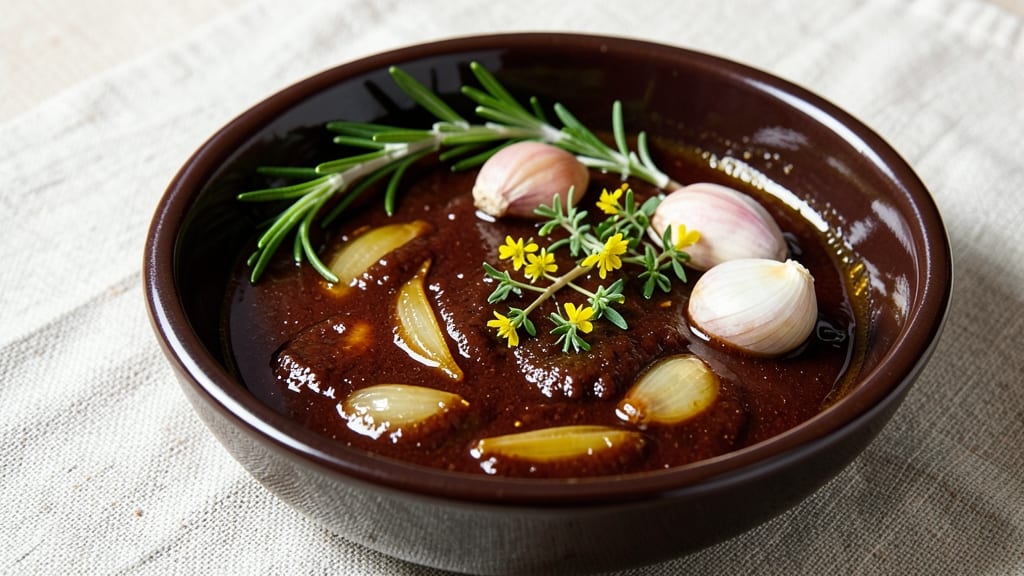
Gordon Ramsay’s lamb sauce transforms a simple pan into a flavor powerhouse, turning leftover drippings into a rich, herbed pan gravy with bone-deep richness. This isn’t just a sauce—it’s the secret weapon behind restaurant-quality lamb dishes, where every spoonful delivers layers of caramelized depth and aromatic herbs.
I’ve perfected this technique over years of cooking, ensuring the sauce emulsifies smoothly and clings to every bite of tender lamb.
The magic lies in proper deglazing and reduction—never rushing the process. After searing lamb, those precious browned bits in the pan become the foundation, transformed with wine, stock, and fresh herbs into a velvety sauce.
The key is patience: letting the sauce reduce gradually until it reaches that perfect glossy, cling-worthy consistency that coats meat like a second skin. This isn’t just gravy; it’s a flavor bomb.
What you’ll achieve is a sauce so decadent and aromatic it elevates even the simplest lamb preparation into a showstopper. The herbs infuse the liquid with bright, earthy notes, while the reduction intensifies the natural sweetness of the meat.
Whether you’re serving roasted lamb chops or a slow-braised shoulder, this sauce will have your guests asking for the recipe. Let’s bring restaurant-quality flavor to your table.
This technique works equally well with lamb shanks, racks, or even ground lamb—just adjust the cooking time to match your protein. The sauce keeps beautifully in the fridge for up to 3 days, making it perfect for meal prep.
Once you master this method, you’ll never settle for store-bought again. Here’s how to make it.
Ingredients for lamb sauce gordon ramsay
Rich lamb drippings, bold wine, and aromatic herbs create this restaurant-worthy sauce.
| Ingredient | Amount | Notes |
|---|---|---|
| Lamb Drippings 🍖 | 2 tbsp | From seared lamb, rich and caramelized |
| Dry Red Wine 🍷 | ½ cup | Cabernet Sauvignon preferred |
| Beef Stock 🍲 | 1 ½ cups | Homemade or high-quality store-bought |
| Fresh Rosemary 🌿 | ¼ cup | Finely chopped, stems removed |
| Fresh Thyme 🌿 | ¼ cup | Leaves only, stems discarded |
| Garlic Cloves 🧄 | 4 cloves | Minced, for aromatic depth |
| Shallots 🧅 | 2 whole | Finely diced, 2 tbsp total |
| Unsalted Butter 🧈 | 2 tbsp | Cold, for emulsification |
| Diamond Crystal Kosher Salt 🧂 | ½ tsp | Adjust to taste |
| Freshly Ground Black Pepper 🌶️ | ¼ tsp | For finishing |
| All-Purpose Flour 🌾 | 1 tbsp | For thickening slurry |
| Heavy Cream 🥛 | ¼ cup | Full-fat for richness |
The lamb drippings are non-negotiable—save every precious drop from your seared lamb. If you're using lamb chops, sear them first in a cold pan to render fat, then increase heat for a deep caramelization. Whole Foods and Costco carry premium lamb cuts with better marbling, which means more flavorful drippings. For the wine, Cabernet Sauvignon adds depth, but Merlot or Pinot Noir work too—just avoid sweet varieties. The beef stock? Kitchen Basics or Swanson are solid choices if you're not making your own. Fresh herbs are a must here—dried just won't cut it for that bright, aromatic punch.
No red wine? Substitute with beef stock and a splash of balsamic vinegar—it mimics the acidity. Short on rosemary? Thyme plus a pinch of rosemary extract works in a pinch. The shallots can be swapped for onions, but they add a milder, sweeter note. For the butter, Plugrá or Land O'Lakes are reliable choices, but European-style unsalted butter (like President) takes this sauce to the next level. The flour slurry is key—Diamond Crystal kosher salt dissolves better than table salt, so use that. And if you're feeling fancy, truffle oil at the end adds a luxurious touch.
This sauce keeps beautifully—3-4 days in the fridge sealed tightly, or 3 months frozen in ice cube trays for single portions. Reheat gently on low heat, stirring occasionally, until warmed through. Don't boil it—that's how you break the emulsion. I always make extra because it's perfect over roasted potatoes or mashed sweet potatoes. The cream can be omitted if you prefer a lighter sauce, but trust me on the full-fat version—it's worth the extra richness.
Why You'll Love This Recipe
- Uses What You Have: That rich, caramelized lamb drippings? You don’t waste a drop—just deglaze the pan and boom, you’ve got the base of something special. No extra shopping trips, no sad pantry searches.
- Wine That Actually Shines: Skip the fancy bottles—any dry red wine you’re drinking will work here. The acidity cuts through the lamb fat, and suddenly that $12 bottle tastes like a restaurant secret.
- Leftovers That Lie: Between us, this sauce gets better the next day. Toss it over roasted potatoes or toss in a grain bowl—it’s the kind of thing people will ask for by name, not just “what’s for dinner?”
- Herbs That Work Hard: Fresh rosemary and thyme? They’re not just garnish—they simmer into the sauce, giving it that earthy depth that makes it taste like you spent hours, not 30 minutes. (Yes, even on a Tuesday night.)
Step-by-step instructions for gordon Ramsay's rich herbed lamb gravy
Master this technique and you'll transform simple lamb drippings into a velvety, herb-infused sauce worthy of any fine-dining table.
Sauté Aromatics in Lamb Drippings
Heat the 2 tablespoons lamb drippings in a medium saucepan over medium heat until shimmering but not smoking. Add the 2 whole shallots and cook for 3-4 minutes until softened and translucent. This gentle cooking prevents burning while developing their sweetness.
Stir in the 4 cloves minced garlic and cook for 30 seconds until fragrant—you should smell that pungent, sweet aroma. Here's the thing: don't let the garlic brown or it'll turn bitter. Immediately add the 0.25 cup fresh rosemary and 0.25 cup fresh thyme, stirring to combine. The herbs should release their essential oils within seconds, filling your kitchen with their earthy perfume.
Deglaze with Wine and Reduce
Pour in the 0.5 cup dry red wine and scrape up any browned bits from the bottom of the pan with a wooden spoon. This deglazing captures all the meaty flavor that would otherwise go to waste. Let the wine simmer for 3-4 minutes until reduced by half—you'll see the liquid shrink dramatically and the alcohol burn off, leaving behind concentrated wine flavors.
Add the 1.5 cups beef stock and bring to a gentle simmer. The sauce should bubble softly—if it boils vigorously, reduce the heat. Let it cook uncovered for 8-10 minutes until slightly reduced by about 25%. This step builds the sauce's depth and removes any raw wine taste that might linger.
Thicken with Flour Slurry
In a small bowl, whisk together the 1 tablespoon all-purpose flour and 0.25 cup heavy cream until smooth. Slowly ladle this mixture into the simmering sauce while whisking constantly to prevent lumps. The sauce should begin to thicken immediately as the flour absorbs liquid and forms a silky texture.
Continue simmering for 3-4 minutes until the sauce reaches your desired consistency—it should coat the back of a spoon but still be pourable. If it thickens too quickly, whisk in 1-2 tablespoons water to adjust. The key is patience here; rushing leads to grainy texture. You're aiming for that luxurious, restaurant-quality finish.
Finish with Butter and Season
Reduce heat to low and stir in the 2 tablespoons cold unsalted butter, one tablespoon at a time. The butter should melt into the sauce, creating a glossy sheen and adding richness. This is where the sauce comes together—watch as it becomes velvety and emulsified. If it looks too thin, simmer for another 1-2 minutes to thicken further.
Season generously with 0.5 teaspoon diamond crystal kosher salt and 0.25 teaspoon freshly ground black pepper, tasting as you go. Remember, you can always add more salt but you can't remove it. The sauce should be rich but not overwhelmingly salty—think of it as a perfect balance between the lamb's natural flavors and your seasoning.
Pro Tips For Making Lamb Sauce Gordon Ramsay
- Deglaze Immediately: As soon as you pull the lamb off the pan, pour in that red wine hot—no waiting. The residual heat will help lift the caramelized bits stuck to the bottom, giving your sauce depth right from the start. I used to let the pan cool, and the sauce always tasted flat afterward.
- Strain the Stock: Use a fine-mesh sieve or cheesecloth to strain the beef stock before adding it to the sauce. A cloudy stock makes the sauce look dull, and you don’t need the extra sediment. It’s a 30-second step that makes a real difference—trust me, your sauce will look restaurant-worthy.
- Simmer, Don’t Boil: Keep the sauce at a gentle simmer, not a rolling boil. Boiling burns off the alcohol in the wine and makes the sauce reduce too quickly, losing its richness. If it starts to bubble hard, lower the heat and let it work—patience here means a smoother, more balanced sauce.
- Toast the Herbs: Before adding the rosemary and thyme, give them a quick toast in the lamb drippings for 10 seconds until fragrant. This releases their oils and intensifies their flavor without overpowering the dish. Skip this, and your sauce will taste like you just dropped in fresh stems.
Perfect pairings for these flavors
Herb-Infused Wine Pairings
This sauce’s bold, herbed profile pairs beautifully with Cabernet Sauvignon or Syrah—their dark fruit and earthy notes mirror the rosemary and thyme. I love opening a 2018 Château Montelena Cabernet (around $35) for its velvety tannins that complement the sauce’s richness.
For something lighter, a Pinot Noir from Oregon’s Domaine Serene line adds bright acidity to cut through the fat. 🍷
Creamy Side Dish Pairings
Serve this sauce over creamy mashed potatoes with crème fraîche and a touch of white truffle oil. The sauce’s depth contrasts perfectly with the potatoes’ smoothness. For a vegetarian option, try it over roasted butternut squash purée—the sweetness balances the herbed sauce beautifully.
I also love pairing it with wild rice pilaf for a hearty, textured contrast.
Bread and Crust Pairings
Crusty baguette slices are essential for soaking up every last drop of sauce. Toast them lightly in the oven with garlic butter before serving. For an elevated touch, serve with sourdough croutons tossed in the sauce and sprinkled with toasted pine nuts and crumbled feta.
The nutty crunch contrasts the sauce’s velvety texture perfectly. 🥖
Vegetable Accompaniments
Roasted baby carrots with a sprinkle of honey and thyme add natural sweetness that harmonizes with the sauce’s herbal notes. For a more robust pairing, try blistered green beans with almonds—the crisp-tender texture stands up to the sauce’s richness.
I also recommend sautéed Swiss chard with garlic, which adds earthy depth without overpowering.
Cheese and Garnish Finishes
Top the sauce with crumbled blue cheese like Stilton or Gorgonzola Dolce for a tangy contrast. Fresh chopped parsley adds a pop of color and freshness. For a luxurious finish, drizzle with truffle oil or a sprinkle of flaky sea salt like Maldon.
These garnishes elevate the dish from homemade to restaurant-worthy in seconds. ✨
Nutrition facts
Frequently asked questions
Can I make this sauce without wine?
The wine adds essential depth, but you can substitute with 0.5 cup beef stock + 1 tablespoon balsamic vinegar for acidity. The sauce will be less complex but still flavorful. For extra richness, add 1 teaspoon soy sauce to mimic wine's umami notes.
Why does my sauce turn grainy?
Graininess happens when the flour slurry isn't whisked properly or the sauce boils too vigorously. Always whisk constantly when adding the slurry and keep heat at a gentle simmer. If it happens, strain through a fine-mesh sieve and whisk in 1 teaspoon cold butter to smooth it out.
What's the best way to store leftover sauce?
Transfer to an airtight container and refrigerate for up to 3 days. For longer storage, freeze in ice cube trays with 1 tablespoon portions. Thaw overnight in the fridge—never microwave directly. Reheat gently on low heat, stirring constantly.
Can I use lamb shoulder instead of chops for the drippings?
Lamb shoulder yields more flavorful drippings due to its higher fat content. Sear 1.5 lbs bone-in lamb shoulder until deeply browned, then use the rendered fat for your sauce. The richer fat creates a more decadent base. For best results, trim excess fat before cooking.
How do I fix a sauce that's too thin?
If your sauce is too thin, whisk in 1 teaspoon cornstarch mixed with 1 tablespoon cold water and simmer for 1-2 minutes until thickened. For a smoother finish, stir in 1 teaspoon cold butter to help emulsify. Never over-thicken—it's better to have it slightly thin than lumpy.