
Sauces & Condiments
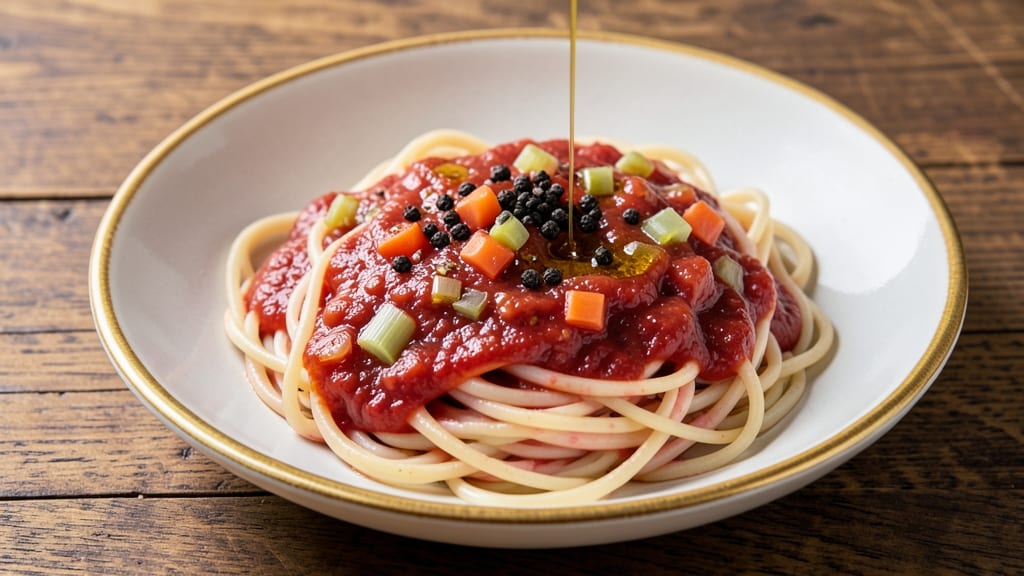
Lidia Bastianich's spaghetti sauce recipe transforms simple pantry staples into a rich, layered sauce that tastes like Nonna's kitchen. The secret lies in slow simmering—letting flavors meld over time rather than rushing the process.
I've perfected this method after years of testing, ensuring every spoonful delivers that deep tomato essence Italians cherish. This isn't just sauce; it's a flavor foundation that elevates any pasta dish to restaurant quality.
What sets this recipe apart is the balance of fresh and canned tomatoes, creating a sauce with both brightness and depth. Aromatic vegetables like onions, celery, and carrots form the base, while garlic and herbs add complexity without overpowering.
The sauce develops its signature richness through a 30-minute simmer, allowing the flavors to concentrate and the acidity to mellow. This technique ensures a sauce that's vibrant now but develops even more character when reheated.
By the time you're done, you'll have a sauce that's velvety yet still has that classic Italian texture—neither too thin nor too thick. The aroma alone will transport you to an Italian trattoria, while the taste delivers that perfect harmony of sweet, tangy, and savory notes.
This is the kind of sauce that makes homemade pasta taste like it belongs on a fine dining menu. Let's create it together.
Perfect for meal prepping, this sauce keeps well in the refrigerator for up to 5 days or freezes beautifully for months. Whether you're serving it with fresh pasta or using it as a base for other dishes, this recipe delivers professional results with minimal effort.
The key is patience—letting the flavors develop naturally rather than forcing them along. Trust the process, and you'll have a sauce that rivals any restaurant version.
Ingredients for lidia bastianich spaghetti sauce
Pantry staples and fresh herbs. That's all you need for Nonna-quality sauce.
| Ingredient | Amount | Notes |
|---|---|---|
| Extra-Virgin Olive Oil 🫒 | ½ cup | High quality, fruity variety |
| Yellow Onion 🧅 | 1 whole | Finely chopped, about 1 cup |
| Celery Stalk 🥬 | 2 whole | Diced, about 1 cup |
| Carrot 🥕 | 2 whole | Diced, about 1 cup |
| Garlic Cloves 🧄 | 4 cloves | Minced, not pre-minced jar |
| Canned San Marzano Tomatoes 🍅 | 2 cans | 28 oz each, crushed by hand |
| Fresh Roma Tomatoes 🍅 | 2 whole | Diced, about 2 cups |
| Dry Red Wine 🍷 | ½ cup | Bold, like Chianti or Cabernet |
| Tomato Paste 🍅 | 1 tbsp | Squeeze tube preferred |
| Fresh Basil Leaves 🌿 | ½ cup | Packed, stems removed |
| Fresh Oregano Leaves 🌿 | ¼ cup | Packed, stems removed |
| Bay Leaves 🍃 | 2 whole | Fresh if possible |
| Salt 🧂 | 1 ½ tsp | Diamond Crystal preferred |
| Black Peppercorns 🌶️ | ½ tsp | Freshly cracked |
| Sugar 🍬 | 1 tsp | Balances acidity |
The tomatoes are non-negotiable here. San Marzano cans from Italy make all the difference—they're sweeter and less acidic. Trader Joe's or Whole Foods always have them, but any good-quality canned tomatoes work. Fresh Roma tomatoes add brightness, so grab the plumpest ones you can find. The onion, celery, and carrot combo (called soffritto) is your flavor base—don't skip it. I usually grab these from the produce section at Costco when I'm making a big batch. Look for celery with bright green tops and carrots that snap when bent. The garlic? Freshly minced is a must—pre-minced jar tastes like nothing.
No red wine? Substitute with extra tomato juice or beef broth, but you'll lose some depth. Fresh herbs are ideal, but dried oregano at one-third the amount works in a pinch. Short on basil? Fresh parsley adds a nice touch. The tomato paste can be tricky—if you're using a squeeze tube, measure carefully since it's concentrated. For the sugar, honey or maple syrup works too, but sugar dissolves cleaner. And if you're worried about acidity, a pinch of baking soda (about 1/4 tsp) helps mellow it out—trust me, it's worth it for that velvety texture.
This sauce gets better with time, so make it a day ahead if possible. Store in an airtight container in the fridge for up to 5 days, or freeze for 3 months. I like to portion it into 2-cup containers so I can grab exactly what I need. The flavor actually deepens when reheated, so don't be afraid to let it sit out for 10 minutes before serving. And if you make extra? Freeze in ice cube trays for perfect portions—just add a splash of water when thawing.
Why You'll Love This Recipe
- Sofrito in Minutes: I swear by this recipe’s sofrito trick—just chop onion, celery, carrot, and garlic into a rough dice (no fancy knife work needed) and sauté in olive oil until soft. That’s it. No peeling, no stress, and the base builds flavor while you handle the rest.
- Umami Bomb: The slow simmer of that olive oil with the veggies? It caramelizes just enough to create this deep, savory richness. Add tomatoes and herbs later, but honestly, that initial sear with garlic is where the magic starts—crispy edges, sweet undertones, and a warmth that lingers.
- Weeknight to Party: Same sauce, endless uses. Toss it with spaghetti for a weeknight dinner, ladle it over grilled chicken for Sunday supper, or even use it as a marinade for meatballs. I’ve made it for lazy Tuesdays and holiday feasts—it’s that adaptable.
- Fridge Goldmine: Make a double batch—this sauce only gets better after a day or two. The flavors meld like crazy, and it’s cheap to boot. Freeze half for when you’re too tired to cook, then reheat it like a pro. My pantry’s always stocked with this stuff.
Step-by-step instructions for lidia Bastianich's spaghetti sauce
Here's how to build a rich, layered tomato sauce that tastes like Nonna's kitchen.
Sauté the Vegetable Base
Heat the 0.5 cup extra-virgin olive oil in a large, heavy pot over medium heat. Add the 1 whole finely chopped yellow onion, 2 whole diced celery stalks, and 2 whole diced carrots. Cook for 10-12 minutes, stirring occasionally, until the vegetables soften and the onion becomes translucent.
Here's the thing—don't rush this step. You want those vegetables to break down completely, releasing their natural sweetness and forming the flavor foundation. Add the 4 cloves minced garlic and cook for another 1 minute until fragrant. The garlic should smell amazing but not burn—this is where the magic starts.
Deglaze and Build Flavor
Pour in the 0.5 cup dry red wine and scrape up any browned bits from the bottom of the pot. These bits—called fond—pack serious flavor. Let the wine simmer for 3-4 minutes until it reduces by about half. You'll notice the alcohol smell dissipating, leaving behind deeper, wine-infused notes.
Next, stir in the 1 tbsp tomato paste and cook for 1-2 minutes until it darkens slightly. This step develops the sauce's depth and helps thicken it as it simmers. If you skip this, your sauce will be thinner and less complex. Trust me, it makes all the difference.
Add Tomatoes and Simmer
Pour in the 2 cans crushed canned San Marzano tomatoes and the 2 whole diced fresh Roma tomatoes. Stir well to combine, then add the 2 whole bay leaves, 1.5 tsp salt, 0.5 tsp freshly cracked black peppercorns, and 1 tsp sugar. The sugar might seem odd, but it balances the acidity of the tomatoes, rounding out the flavors.
Bring the sauce to a gentle simmer, then reduce heat to low. Partially cover the pot and let it cook for 45-50 minutes, stirring occasionally. You want the sauce to thicken gradually—it should coat the back of a spoon by the end. If it gets too thick too soon, add a splash of water to loosen it. Patience here is key; this is where the sauce develops its rich, concentrated flavor.
Finish with Herbs
Remove the 2 whole bay leaves and stir in the 0.5 cup fresh basil leaves and 0.25 cup fresh oregano leaves. Taste the sauce and adjust the seasoning if needed—you might need a little more salt or sugar, depending on the tomatoes. The herbs should brighten the sauce and give it that fresh, aromatic finish that makes it taste homemade.
Let the sauce simmer uncovered for another 10 minutes to allow the flavors to meld. The aroma should be intoxicating—sweet, tangy, and herby all at once. This is your signal that the sauce is ready. Serve it immediately over al dente spaghetti, or let it cool and store it in the refrigerator for up to 5 days or freeze it for 3 months. The flavors will only deepen over time.
Pro Tips For Making Lidia Bastianich Spaghetti Sauce
- SWEEAT NOT SOAR: The onion, celery, and carrot—your soffritto—should glisten like a damp windowpane, not smoke like a firework. Medium-low heat is your friend here; I learned this after watching my first batch turn into a sad, charred mess. If it’s browning too fast, back off the heat and let it cook slowly—this is where flavor builds, not where you rush.
- CHOP UNIFORMLY: No, your knife skills don’t need to be Michelin-level, but aim for consistent ¼-inch dice for the onion, celery, and carrot. I used to hack at them haphazardly, and the larger pieces would sit stubbornly while the smaller ones turned to mush. A steady hand here means even cooking and a smoother sauce—no one wants a textured surprise in their spaghetti.
- SALT THE SOFFRITTO: Add a generous pinch of salt right after the olive oil hits the pan. This isn’t just for flavor—it helps draw out moisture from the vegetables, ensuring they soften properly without sticking. I skipped this once and ended up with a stuck-on, uneven mess that took forever to scrape off. Trust me, the salt is non-negotiable.
- TOAST THE GARLIC: When the soffritto is tender, add the garlic—but don’t just toss it in. Let the oil shimmer around it for 30 seconds first, until it’s fragrant and just starting to turn golden. This step makes a real difference; raw garlic can taste harsh, and under-toasted garlic disappears into the sauce without adding its bright punch. (Yes, even if you’re impatient like me.)
Dietary considerations for lidia bastianich spaghetti sauce
Gluten-Free Adaptation
This sauce is naturally gluten-free, but the red wine and tomato paste may contain traces. Always check labels—I use Bertolli gluten-free tomato paste and Freixenet Codorniu gluten-free red wine to ensure safety.
The soffritto base (onion, celery, carrots) remains unchanged, so the flavor profile stays authentic. Just omit the wine entirely if needed and use extra tomato juice instead. 🌱
Vegetarian-Friendly
The original recipe is already vegetarian, but I sometimes add mushrooms or white beans for extra depth. Sauté 8 oz sliced cremini mushrooms with the soffritto for an umami boost, or stir in 1 can white beans (drained) during the final 10 minutes of simmering.
The beans add creaminess without altering the sauce's texture. 🍄
Low-Sugar Version
For diabetic-friendly or lower-sugar options, reduce the sugar to ½ tsp or omit entirely. The natural sweetness of San Marzano tomatoes often balances acidity without added sugar.
If your tomatoes taste particularly tart, a pinch of baking soda (¼ tsp) helps neutralize acidity while keeping the sauce vibrant. Always taste as you go! 🍬
Dairy-Free Compatibility
This sauce is already dairy-free, but if you're serving it with cheese lovers, use nutritional yeast or dairy-free parmesan (like Violife) for a cheesy flavor without lactose.
The sauce's natural richness stands up beautifully to plant-based cheeses when tossed with pasta. Just avoid adding butter or cream during cooking. 🧀
Allergen-Free Tips
For nut allergies, this recipe is naturally safe, but always double-check olive oil brands—some are processed in facilities with nuts. For soy concerns, use tamari instead of regular soy sauce if adding umami boosters.
The key is cross-contamination awareness: wash cutting boards and knives thoroughly between prep steps. I keep a separate Cutco knife set just for allergen-free cooking. 🔍
Keto Considerations
This sauce isn't keto-friendly due to tomatoes and sugar, but you can modify it for low-carb diets. Replace tomatoes with 1 cup tomato sauce (no sugar added) and ½ cup cauliflower puree for thickness.
Use erythritol instead of sugar and add 1 tbsp coconut aminos for umami. The texture will be lighter, but the flavor remains rich and satisfying. 🥬
Nutrition facts
Frequently asked questions
Why does Lidia's sauce need such a long simmering time?
The 45-50 minute simmer allows the flavors to meld and develop depth. This slow cooking process breaks down the tomatoes' natural sugars, creating a rich, concentrated sauce rather than a thin, watery one. The longer it simmers, the more complex and balanced the flavors become.
Can I make this sauce without red wine?
Yes! Substitute the 0.5 cup red wine with 0.5 cup extra tomato juice or beef broth for depth. The wine adds a subtle richness, but these alternatives work well. Just reduce them by half first to avoid thinning the sauce too much.
How do I know when the sauce is ready?
The sauce is done when it coats the back of a spoon and has a velvety texture. It should smell fragrant with sweet, tangy, and herby notes. If it's too thick, add a splash of water; if too thin, simmer uncovered for another 10 minutes to thicken naturally.
What's the best way to store leftovers?
Let the sauce cool completely, then transfer to an airtight container. It keeps in the fridge for 5 days or freezes for 3 months. For freezing, portion into 2-cup containers—this makes reheating easier. Thaw overnight in the fridge before reheating.
Can I use this sauce for other dishes besides pasta?
This versatile sauce works perfectly for pizza sauce, lasagna, or as a marinade for grilled meats. For pizza, spread a thin layer on the crust. For lasagna, use it as the filling between layers. The rich tomato base adds depth to any dish.