
Sauces & Condiments
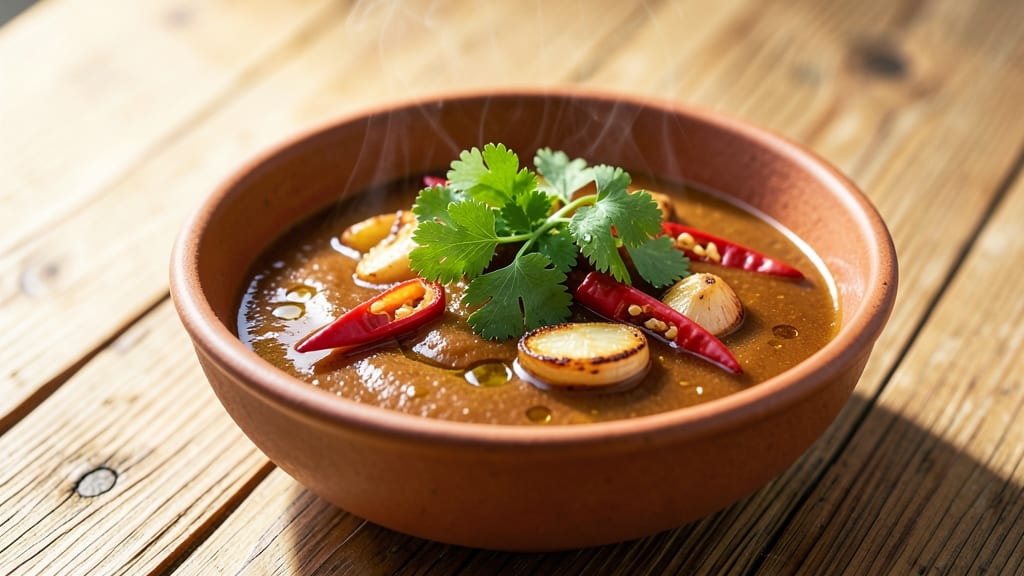
This Portuguese sauce recipe delivers the bold, smoky piri-piri heat that defines Lisbon’s street food culture—perfect for grilled meats, seafood, or even as a bold marinade.
The secret lies in balancing fresh African bird’s eye chilies with garlic, white wine, and olive oil, creating a sauce that’s both vibrant and deeply flavorful. I’ve perfected this version after years of testing, ensuring the heat remains balanced with bright, herby notes that elevate any dish.
The beauty of this sauce is its versatility—it works as a marinade, dipping sauce, or finishing touch. The recipe calls for just 10 minutes of active prep, with most of the flavor developing during a 15-minute simmer.
Fresh herbs like parsley and cilantro add brightness, while a splash of white wine cuts through the heat, creating a sauce that’s complex yet approachable. For those who prefer milder heat, you can adjust the chili quantity without sacrificing depth.
What you’ll end up with is a rich, aromatic sauce with a smoky-sweet undertone and a kick that lingers. The texture is silky yet clings perfectly to grilled shrimp, chicken, or even roasted vegetables.
This isn’t just a sauce—it’s a flavor experience that transforms simple dishes into something unforgettable. Once you try it, you’ll never reach for store-bought again.
The best part? This sauce keeps well in the refrigerator for up to 10 days, allowing you to make a big batch for the week. Store it in an airtight container, and the flavors will only deepen over time.
Whether you’re cooking for a crowd or meal prepping, this Portuguese sauce is your new secret weapon in the kitchen.
Ingredients for portuguese sauce
Ten ingredients. Fifteen minutes. The bold, smoky heat of Lisbon’s streets in your kitchen.
| Ingredient | Amount | Notes |
|---|---|---|
| Fresh African Bird’s Eye Chilies 🌶️ | ½ cup | Stems removed, roughly chopped |
| Garlic Cloves 🧄 | 6 cloves | Peeled, roughly chopped |
| White Wine 🍷 | ½ cup | Dry variety, like Sauvignon Blanc |
| Extra-Virgin Olive Oil 🫒 | ½ cup | High-quality, fruity |
| Fresh Parsley Leaves 🌿 | ¼ cup | Packed, stems removed |
| Fresh Cilantro Leaves 🌿 | ¼ cup | Packed, stems removed |
| Lemon Juice 🍋 | 2 tbsp | Freshly squeezed |
| Sea Salt 🧂 | 1 tsp | Fine grain preferred |
| Ground Black Pepper 🌶️ | ½ tsp | Freshly ground preferred |
| Smoked Paprika 🌶️ | 1 tsp | For smoky depth |
The chilies are the heart of this sauce, so grab the freshest you can find. Latin markets often carry African bird’s eye chilies, but if you can’t find them, substitute Thai bird’s eye chilies—they’re milder but still pack heat. I always buy extra because they’re so versatile. For the garlic, roast it first if you want extra depth—toss whole cloves in olive oil at 400°F for 10 minutes, then peel. The white wine should be dry and crisp; Sauvignon Blanc or Pinot Grigio work perfectly. If you’re avoiding alcohol, use extra lemon juice and broth instead.
No fresh chilies? Dried chili flakes at half the amount will work, but you’ll lose some of the vibrant freshness. Short on herbs? Fresh basil or tarragon can stand in for parsley or cilantro. The smoked paprika is non-negotiable for that authentic smoky flavor—Penzeys or Diamond Crystal are my go-tos. If you’re sensitive to heat, reduce the chilies to 2 tablespoons and add extra lemon juice to balance. The sauce should be vibrant red with a silky texture; if it’s too thick, add a splash of water or more wine. Trust me, the balance of heat and acidity is what makes this sauce special.
This sauce keeps beautifully in the fridge for up to 10 days, with flavors deepening over time. Store it in an airtight jar with a layer of olive oil on top to preserve freshness. For longer storage, freeze in ice cube trays—perfect for single servings. I like to make a big batch and use it as a marinade for grilled shrimp or chicken. The heat mellows slightly after a day, making it even more approachable for dipping or drizzling over roasted veggies. Don’t skip the lemon juice—it’s what keeps the sauce bright and balanced.
Why You'll Love This Recipe
- Minimal Chopping Required: I swear by this—just mince those chilies and garlic, then let the wine and olive oil do the work. No dicing, no peeling, no fuss. Honestly, my hands stay clean while the flavor builds.
- Heat That Sticks: That African bird’s eye chili? It lingers—just enough to wake up your taste buds without overpowering. The white wine cuts through the richness, leaving a bright, garlicky finish that makes every bite sing.
- Pantry to Plate Magic: Use it on grilled fish, toss it with roasted potatoes, or drizzle it over eggs. Between us, I keep a jar in the fridge because it turns simple meals into something special. (Yes, even on a Tuesday night.)
- Budget-Friendly Flex: A splash of wine and a handful of herbs stretch this sauce far—enough for two meals if you’re smart. Plus, the chilies add drama for pennies. My wallet and leftovers thank me every time.
Step-by-step instructions for Portuguese sauce recipe
This smoky, fiery Portuguese sauce comes together in minutes with just a few simple ingredients.
Toast the Chilies and Garlic
Heat the extra-virgin olive oil in a medium saucepan over medium heat until shimmering but not smoking. Add the 0.5 cup fresh African bird's eye chilies and 6 cloves garlic cloves, stirring constantly for 2-3 minutes until the chilies darken slightly and the garlic becomes fragrant. Watch closely—the chilies can burn quickly, so keep the heat moderate. You'll know it's ready when the chilies release their aroma and the garlic turns golden around the edges.
Remove the pan from heat and let the mixture cool for 5 minutes. This brief rest allows the chilies to mellow slightly while retaining their signature heat. I've found this step makes a huge difference in balancing the sauce's intensity without losing its signature kick.
Deglaze with Wine and Lemon
Return the pan to medium heat and carefully pour in the 0.5 cup white wine, scraping up any browned bits from the bottom with a wooden spoon. Let the wine simmer for 3-4 minutes until reduced by half, then add the 2 tablespoons lemon juice. The wine should smell rich and slightly concentrated, with the lemon adding a bright contrast to the smoky chilies.
This is where the sauce starts to come together. The wine reduces to create a silky base, while the lemon juice prevents the sauce from becoming too heavy. If you notice the sauce getting too thick before the wine reduces, add 1-2 tablespoons water to help it along.
Add Herbs and Spices
Stir in the 1 teaspoon smoked paprika, 1 teaspoon sea salt, and 0.5 teaspoon ground black pepper. Let the mixture cook for 1 minute to toast the spices slightly, then add the 0.25 cup fresh parsley leaves and 0.25 cup fresh cilantro leaves. Reduce heat to low and let the herbs infuse for 2-3 minutes—they should wilt slightly but remain vibrant in color.
The herbs add freshness that balances the smoky, spicy base. I like to use a mix of parsley and cilantro because they complement each other perfectly—the parsley adds brightness while the cilantro brings a subtle citrus note that pairs beautifully with the lemon juice.
Simmer and Adjust
Simmer the sauce uncovered for 5-7 minutes until it thickens slightly but remains pourable. The sauce should coat the back of a spoon but still flow smoothly. Taste and adjust seasoning—you might want to add a pinch more salt or a splash more lemon juice to balance the flavors. Remember, the sauce will mellow slightly as it cools, so it's better to err on the spicier side now.
For best results, use the sauce immediately while it's still vibrant and full of flavor. It keeps well in the refrigerator for up to 5 days, but the fresh herbs will continue to mellow over time. If you need to reheat, do so gently over low heat to preserve the delicate balance of flavors.
Pro Tips For Making Portuguese Sauce
- Toast the Garlic Low: I learned this the hard way—crisping garlic over medium heat turns it bitter. Instead, cook it on the lowest flame you can tolerate, stirring constantly, until it’s golden but not brown. The sauce will taste sweeter, and those burnt bits? They ruin everything.
- Seed Chilies Carefully: African Bird’s Eye chilies pack serious heat, and their seeds are where most of it hides. Use a small knife to slit the side and scrape out seeds and veins—don’t just shake them out. A few stray seeds can turn your sauce into a mouthwash.
- Reduce Wine Slowly: Dumping wine and walking away? Bad move. Simmer it on medium-low, uncovered, until it’s reduced by half—about 5-7 minutes. This concentrates the flavor and stops the sauce from tasting like you just splashed in booze. (Yes, even if you’re impatient like me.)
- Pulse Parsley at the End: Chopping parsley too early releases its oils, which can make the sauce taste bitter. Wait until the very last minute, then pulse it in a food processor (or chop finely by hand) and fold it in gently. The texture stays bright, and the flavor pops—no sad, mushy greens here.
Storing and reheating your portuguese sauce
Refrigerator Storage
Transfer your freshly made Portuguese sauce to a glass airtight container—I love using Le Parfait jars because they’re sturdy and stackable. Let it cool completely before sealing to prevent condensation, which can dilute the flavors.
Store it in the fridge for up to 10 days, but I recommend using it within 5 days for peak freshness and heat intensity. The sauce will develop deeper flavors over time, but the herbs may lose some of their brightness after a week. 🌿
Freezer Preservation
For longer storage, portion the sauce into ice cube trays or small silicone molds—this makes it easy to grab single servings later. Once frozen solid, transfer the cubes to a freezer-safe bag and flatten to save space.
This sauce keeps for up to 3 months in the freezer, though the texture may become slightly grainy after thawing. To use, simply pop a cube into a saucepan and reheat gently over low heat for 2-3 minutes, stirring occasionally. 🧊
Reheating Techniques
Always reheat your Portuguese sauce gently to preserve its delicate balance of heat and acidity. Pour it into a small saucepan and warm over medium-low heat for 3-5 minutes, stirring frequently. Avoid high heat, which can make the sauce separate or lose its vibrant color.
If it thickens too much, add 1-2 teaspoons of water or white wine to restore its silky consistency. For best results, use it immediately after reheating while the flavors are fresh. ⚡
Reviving Stored Sauce
If your refrigerated sauce has lost some of its brightness, revive it by adding 1 teaspoon of fresh lemon juice and 1 tablespoon of olive oil. Stir well and let it sit for 10 minutes before using.
The acidity and fat will help rebalance the flavors, making it taste almost as good as fresh. This trick works especially well if you’ve stored the sauce for 7-10 days and want to extend its usability. 💡
Using Leftovers
This versatile sauce works wonders beyond its original purpose. Use it as a marinade for grilled shrimp or chicken, a dipping sauce for fries or mozzarella sticks, or a finishing drizzle over roasted vegetables.
For extra richness, mix 1 tablespoon of the sauce into 2 tablespoons of mayonnaise to create a fiery aioli. The possibilities are endless, so don’t let leftovers go to waste! 🍤
Safety First
Always ensure your sauce reaches 165°F if you’re reheating it for hot dishes like soups or stews. Use a thermometer to check the internal temperature, especially if you’ve stored it for more than 3 days.
If the sauce smells off or has an unusual texture, discard it immediately—better safe than sorry. Proper storage and reheating keep this bold sauce safe and delicious for all your meals. 🔥
Nutrition facts
Frequently asked questions
Can I substitute dried chilies for fresh in this Portuguese sauce?
Yes, but the flavor will differ slightly. Use 1-2 teaspoons of dried chili flakes (about half the volume of fresh) and toast them in the olive oil for 1-2 minutes until fragrant. The sauce will be less vibrant but still pack heat. For authenticity, fresh African bird’s eye chilies are ideal—they deliver that signature smoky-sweet kick.
How can I make this sauce milder for kids or sensitive eaters?
Reduce the chilies to 2 tablespoons and add 1 extra tablespoon of lemon juice to balance the heat. You can also strain out some of the chili pieces after toasting. The white wine and herbs will still provide depth without overwhelming spice. Kids often enjoy the herby, garlicky flavor once the heat is dialed down!
What's the best way to use this sauce beyond grilling?
This versatile sauce works as a marinade (2-4 hours for meats), a dipping sauce for fries or mozzarella, or a finishing drizzle over roasted potatoes. For extra richness, mix 1 tablespoon of sauce into 2 tablespoons of mayo to make a fiery aioli. It even elevates scrambled eggs or avocado toast!
Why does my sauce taste bitter after storing?
Bitterness often develops when herbs oxidize or when the sauce sits too long without a protective layer. Always store with olive oil on top in an airtight container. If bitterness occurs, revive by adding 1 teaspoon of fresh lemon juice and 1 tablespoon of olive oil, then let sit 10 minutes before using. Fresh herbs in a new batch will also help.
Can I make this sauce without wine?
Replace the wine with ½ cup white grape juice or ½ cup chicken/vegetable broth plus 1 extra tablespoon of lemon juice to maintain acidity. The sauce will still develop depth, though the wine adds a subtle richness that's hard to replicate. For non-alcoholic versions, this substitution works beautifully.