
Sauces & Condiments
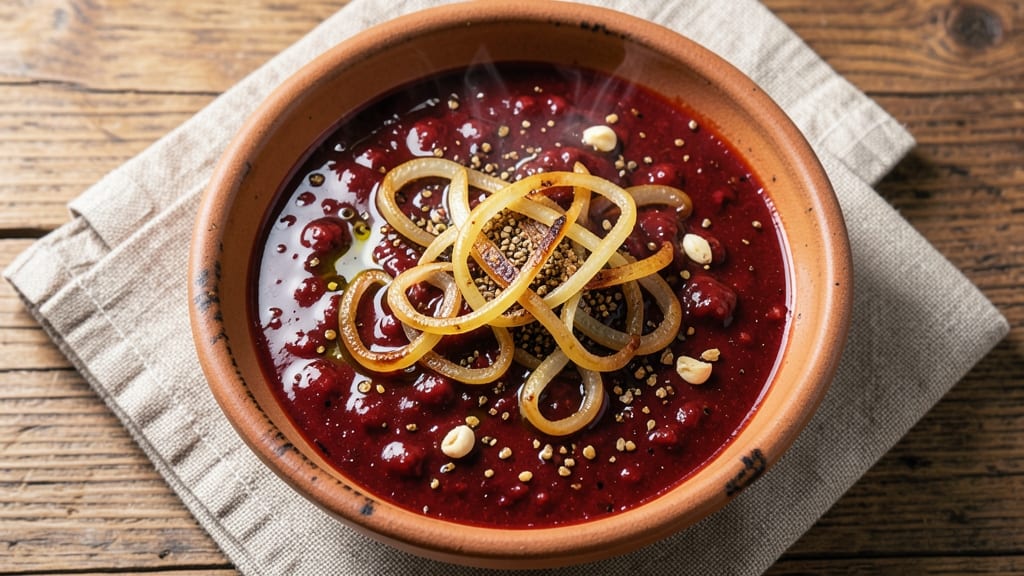
This traditional red chile sauce recipe transforms simple ingredients into a rich, smoky elixir that elevates roasted meats, enchiladas, and stews with deep, authentic flavor.
The secret lies in carefully charring dried chiles to unlock their natural sweetness and smokiness, then simmering them with aromatic spices until the sauce achieves that perfect balance of heat and depth.
I’ve perfected this method over years of testing, ensuring every batch delivers the complex layers of flavor that define regional variations—from New Mexican’s earthy richness to Mexican’s vibrant kick.
The process begins with charring and rehydrating dried red chiles, which removes bitterness while intensifying their smoky profile. A blend of cumin, garlic, and onion forms the aromatic base, while broth and tomatoes create a velvety texture that clings to every bite.
What sets this sauce apart is its versatility—use it as a dip, a stew thickener, or a glaze for roasted vegetables, and you’ll taste the difference between store-bought shortcuts and a traditional, restaurant-quality experience.
By the time you blend and strain the sauce, you’ll have a smooth, vibrant red sauce with just the right consistency—thick enough to coat but still silky enough to drizzle. The spices meld into a harmonious backdrop, letting the natural sweetness of the chiles shine through.
This isn’t just a sauce; it’s the heart of a meal, transforming ordinary dishes into something extraordinary with minimal effort.
Once you taste the results, you’ll understand why this sauce is a staple in kitchens across cultures. Whether you’re preparing a festive feast or a weeknight dinner, this recipe delivers professional-grade flavor that’s impossible to replicate with bottled substitutes.
Let’s get started on creating your own batch—your taste buds will thank you.
Ingredients for traditional red chile sauce
Eleven ingredients, deep smoky flavor—this sauce transforms ordinary meals into something extraordinary.
| Ingredient | Amount | Notes |
|---|---|---|
| Dried New Mexico Red Chiles 🌶️ | ½ lb | Stemmed, seeded, charred lightly |
| Extra-Virgin Olive Oil 🫒 | ½ cup | High quality, fruity variety |
| Yellow Onion 🧅 | 1 whole | Chopped, medium size |
| Garlic Cloves 🧄 | 6 cloves | Peeled, slightly crushed |
| Ground Cumin 🌿 | 1 tbsp | Toasted for deeper aroma |
| Ground Coriander 🌿 | 1 tsp | Freshly ground preferred |
| Dried Oregano 🍃 | 1 tsp | Mexican oregano if available |
| Salt 🧂 | 1 ½ tsp | Diamond Crystal preferred |
| Cayenne Pepper 🔥 | ½ tsp | Adjust to taste |
| Tomato Paste 🍅 | 2 tbsp | High quality, no sugar added |
| Chicken Broth 💧 | 2 cups | Low-sodium preferred |
The chiles are the soul of this sauce. Dried New Mexico reds are the gold standard—look for them in bulk at Latin markets or specialty stores like Penzeys. They need to be charred (gas stove or grill works best) to unlock their smoky depth. If you can't find New Mexico, ancho or guajillo chiles are solid substitutes. The onion and garlic should be fresh—no sad, sprouting bulbs here. Toast the cumin in a dry pan for 30 seconds before adding it to the sauce; that extra step makes all the difference. For the tomato paste, Trader Joe's or Rao's are my go-tos—avoid the canned versions with added salt or sugar.
No charred chiles? Canned fire-roasted tomatoes (like Muir Glen) can mimic the smokiness, but you'll lose some depth. Short on cumin? Smoked paprika at half the amount works in a pinch, though it won't be identical. The coriander adds a citrusy brightness that balances the heat—if you're out, cilantro stems (finely chopped) can stand in. For the broth, homemade is ideal, but even the low-sodium store-bought versions (like Swanson) work. The cayenne is where you can play—start with the 0.5 tsp and add more if you're feeling adventurous. And if you're wondering about the tomato paste, yes, that squeeze tube from the dollar store counts—just make sure it's plain.
This sauce tastes even better the next day as the flavors meld. Store it in a glass jar in the fridge for up to 1 week or freeze for 6 months in ice cube trays for single-serving portions. The texture will thicken when chilled, so a splash of broth will bring it back to silky perfection when reheating. I always make a double batch—one for immediate use, one to freeze. That way, I've got restaurant-quality sauce ready whenever I need it, whether it's for roasted chicken, enchiladas, or even as a dip for tortilla chips.
Why You'll Love This Recipe
- Pantry Magic: I swear by this sauce because it uses what’s already lurking in my cabinets—no last-minute grocery runs. Those dried New Mexico chiles? They last for months, and a single batch of this sauce stretches across three meals (or one very hungry roommate).
- Smoky Depth: The moment those toasted chiles hit the pot with the olive oil and cumin, my kitchen smells like a New Mexico roadside stand. That slow simmer? It turns the onion and garlic into something rich—not just flavor, but layers of it.
- Weeknight Hero: This is my go-to when I’m staring at a sad fridge and a hungry family. Dump it over eggs, toss it with rice, or slather it on grilled cheese—it’s the kind of sauce that turns ordinary meals into something special without extra effort.
- Budget Stretch: Honestly, I make this twice a month just to have it on hand. A pound of dried chiles costs pennies compared to fresh, and the cumin? A little goes a long way. Plus, it freezes like a dream, so I’m never scrambling for takeout.
Step-by-step instructions for traditional red chile sauce
Here's how to build authentic New Mexico red chile sauce with deep smoky flavor and perfect texture.
Prepare the Dried Chiles
Begin by stemming and seeding the 0.5 lb dried New Mexico red chiles—this removes tough stems and seeds while preserving the meaty flesh. I like to work over a bowl to catch any loose seeds. For authentic flavor, lightly char the chiles by holding them over a gas flame or under a broiler for about 30 seconds per side until they develop a few blackened spots. This step enhances their natural sweetness and adds subtle smokiness.
The chiles should be pliable but not burned—if they char too much, they'll become bitter. Once charred, transfer them to a bowl and cover with hot water to soften for 20 minutes. This rehydration step is crucial for developing the sauce's rich, velvety texture. Drain well before proceeding, but reserve the soaking liquid—you'll use it later to intensify the flavor.
Sauté Aromatics in Olive Oil
Heat the 0.5 cup extra-virgin olive oil in a heavy-bottomed saucepan over medium heat. Add the chopped yellow onion and cook for 5 minutes until softened and translucent. This foundational step builds the sauce's depth by developing the onion's natural sweetness.
Push the onions to the sides of the pan and add the 6 peeled, slightly crushed garlic cloves. Sauté for 30 seconds until fragrant—don't let them brown, or they'll turn bitter. Stir in the 1 tbsp ground cumin, 1 tsp ground coriander, and 1 tsp dried oregano, toasting for 1 minute until the spices release their aromatic oils. This step unlocks their full flavor potential, creating the sauce's signature earthy warmth.
Build the Sauce Base
Add the 2 tbsp tomato paste and stir vigorously for 2 minutes until it darkens slightly and blends smoothly with the oil. This creates a rich, concentrated flavor foundation. Pour in the 2 cups chicken broth and bring to a gentle simmer over medium-low heat. The sauce should reduce gradually, developing a thick, glossy consistency.
Add the drained, rehydrated chiles and their reserved soaking liquid. Simmer uncovered for 30 minutes, stirring occasionally. You'll notice the chiles break down into a velvety texture—this is when the sauce transforms from raw ingredients into something truly special. The liquid should reduce by about half, creating a thick, spreadable consistency perfect for drizzling or smothering.
Season and Finish
Taste the sauce and adjust seasoning with 1.5 tsp salt and 0.5 tsp cayenne pepper as needed. The sauce should be balanced—sweet from the chiles, earthy from the spices, and slightly spicy. For extra depth, I often blend the sauce briefly with an immersion blender to achieve a silky texture while still maintaining some chunky chile pieces for authentic texture.
Return the sauce to the pan and simmer for another 5 minutes to let the flavors meld completely. The final sauce should coat the back of a spoon and cling beautifully to roasted meats or grilled vegetables. Let it cool slightly before serving—this allows the flavors to settle and intensify. Store any leftovers in an airtight container in the refrigerator for up to 5 days, or freeze for longer storage.
Pro Tips For Making Traditional Red Chile Sauce
- Toast Chiles Low: I learned this the hard way—dried chiles burn faster than you’d think. Simmer them in a dry pan over medium-low heat (not high) until they darken and smell deep, about 5-7 minutes. Watch them like a hawk; once they start smoking, you’ve lost that sweet, smoky complexity.
- Blister Onions First: Skip chopping the onion until it’s deeply caramelized—charred edges and all. Start with a cold pan, then add the whole onion and let it blister undisturbed for 10 minutes. Only then slice it into the sauce; the concentrated sweetness cuts through the chile’s heat.
- Bloom Cumin Dry: After removing the chiles, turn the heat to medium and add the cumin before any liquid. Let it sizzle for 30 seconds until fragrant—this unlocks its earthy depth. Dumping it in wet will mute its flavor, and nobody wants that.
- Finish with Oil: Traditional sauce is glossy, not watery. At the end, stir in a splash of extra-virgin olive oil (about 1 tablespoon) to coat everything. It mellows the acidity and adds a silky mouthfeel—no one will guess it’s a shortcut.
Regional styles of this recipe
New Mexico Style
The classic New Mexico red chile sauce is all about earthy depth and subtle heat. This version relies on ancho or New Mexico red chiles that are charred and simmered until they create a velvety, slightly chunky sauce.
The key difference here is the use of green chiles blended in (about ½ cup of canned green chiles) for a brighter, slightly tangy profile. I like to finish this version with 1 tbsp honey to balance the heat and add caramelized notes. 🌶️
For an even richer texture, some New Mexico cooks add 1 roasted poblano pepper to the blend. The poblano's smoky sweetness complements the chiles beautifully.
This sauce is perfect for smothering roasted meats or as a base for posole—just add 1 cup hominy and simmer for 10 minutes to incorporate.
Mexican Enchilada Sauce
Mexican-style red chile sauce is brighter and slightly tangier, often incorporating tomatillos and cilantro for freshness. Start with 1 cup roasted tomatillos blended with the chiles and broth. Add ¼ cup chopped cilantro stems for extra depth.
This version also includes 1 tsp ground cloves and ½ tsp cinnamon, which might sound unusual but adds warmth that pairs perfectly with chicken enchiladas. 🌿
For a smoother texture, strain the blended sauce through a fine-mesh sieve. The result is a glossy, vibrant sauce that clings beautifully to corn tortillas. I often finish this version with a splash of lime juice before serving to cut through the richness.
This sauce is a staple for mole verde variations and works wonderfully as a dip for tostadas.
Thai-Inspired Red Curry Base
This fusion takes New Mexico red chile sauce in a completely different direction by incorporating Thai flavors. Swap the cumin for 1 tsp coriander seeds and add 1 stalk lemongrass (bruised and tied with kitchen twine) while simmering.
Include 1-inch galangal root (or ginger if unavailable) and 1 tbsp fish sauce for umami depth. The result is a sauce that works as a red curry base for shrimp or tofu dishes. 🍋
For extra richness, stir in 2 tbsp coconut milk at the end. This version is perfect for glazing grilled meats or as a dipping sauce for spring rolls.
The heat level can be adjusted with ½ tsp Thai bird's eye chiles for a fiery kick. Serve with jasmine rice and fresh herbs like Thai basil or mint.
Smoky BBQ Glaze
Transform your red chile sauce into a smoky BBQ glaze by adding ½ cup apple cider vinegar and 2 tbsp brown sugar during the final simmer. This version works beautifully on pulled pork or as a marinade for grilled ribs.
The vinegar adds tanginess while the sugar caramelizes for a sticky finish. 🔥
For extra depth, add 1 chipotle pepper in adobo sauce (minced) during the simmer. This fusion of Mexican and Southern flavors creates a glaze that’s perfect for smoked brisket or as a topping for baked beans.
The sauce thickens as it reduces, so add 1 tbsp water if it becomes too stiff.
Nutrition facts
Frequently asked questions
Can I substitute fresh chiles for dried in this recipe?
Fresh chiles won't work the same way—this sauce relies on the concentrated flavor and smokiness of dried chiles. For a fresh alternative, try roasting 3-4 poblano peppers until charred, then blending them with broth and spices. The texture will be thinner, but you'll still get great depth.
Why does my sauce turn out too thin or too thick?
Sauce consistency depends on simmering time. For thicker sauce, simmer uncovered for 35-40 minutes to reduce more liquid. Too thin? Add 1 tbsp cornstarch mixed with water and stir in during final simmer. The ideal texture should coat the back of a spoon but still be pourable.
How can I make this sauce spicier or milder?
For more heat, add ½ tsp extra cayenne or 1 minced chipotle pepper during simmering. To mellow it, stir in 1 tbsp honey or brown sugar at the end. Taste as you go—you can always adjust, but you can't remove heat once added.
What's the best way to store and reheat leftovers?
Store in an airtight glass jar in the fridge for up to 5 days or freeze for 6 months. To reheat, warm gently on low heat, stirring occasionally. Add 1 tbsp broth if it thickens too much. The sauce actually improves overnight as flavors meld!
Can I use this sauce in non-Mexican dishes?
This versatile sauce works beautifully on grilled chicken, roasted vegetables, or even as a marinade for tofu. For Italian dishes, reduce the cumin and add 1 tsp Italian seasoning. The smoky depth pairs surprisingly well with pasta or pizza too.