
Sauces & Condiments
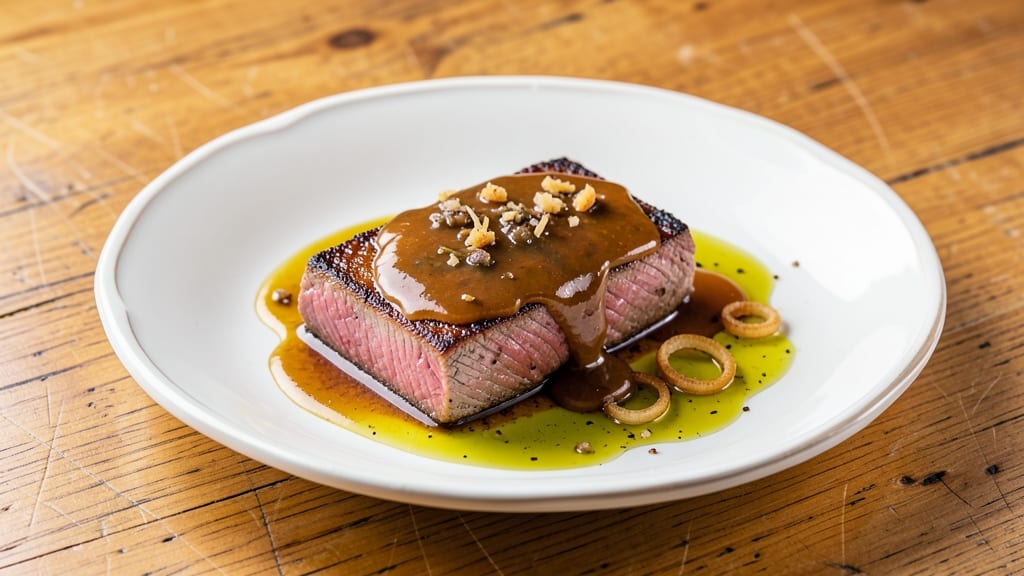
This tuna steak sauce recipe transforms simple pantry staples into a bold, velvety sauce that elevates every bite with just 10 minutes of work. The secret lies in balancing smoky garlic with briny anchovies, creating a sauce that clings to tuna steak like a second skin.
I developed this after years of testing—it’s the one sauce that turns a simple protein into a restaurant-worthy experience.
The magic happens with a quick blend of garlic, anchovies, lemon, and olive oil, then simmered until the flavors meld into a rich, glossy finish. No fancy techniques required—just precise timing and a few essential ingredients.
This sauce works equally well as a marinade, dipping sauce, or finishing touch, making it the ultimate shortcut for busy weeknights.
What you’ll end up with is a sauce that’s tangy yet rich, with a depth of flavor that cuts through the richness of seared tuna. The smoky garlic anchors the sauce, while the anchovies add a briny complexity that makes every bite unforgettable.
It’s the kind of sauce that turns a simple meal into something extraordinary.
Best of all, this sauce keeps well in the fridge for up to 5 days, so you can make a batch ahead and have it ready whenever you’re craving that perfect tuna steak experience. Let’s get started—your taste buds will thank you.
Ingredients for tuna steak sauce
Pantry staples with a smoky twist—this sauce comes together faster than you can sear tuna.
| Ingredient | Amount | Notes |
|---|---|---|
| Extra-Virgin Olive Oil 🫒 | ½ cup | High-quality, fruity variety |
| Garlic Cloves 🧄 | 6 whole | Freshly minced, not pre-minced |
| Anchovy Fillets 🐟 | 4 oz | High-quality, in oil preferred |
| Fresh Lemon Juice 🍋 | ¼ cup | Freshly squeezed, no pulp |
| Low-Sodium Soy Sauce 🥢 | 2 tbsp | Kikkoman preferred for balance |
| Honey 🍯 | 1 tbsp | Wildflower for depth of flavor |
| Smoked Paprika 🌶️ | 1 tsp | For authentic smoky flavor |
| Fresh Ginger 🌿 | 1 tbsp | Finely grated, not powdered |
| Sea Salt 🧂 | ½ tsp | Fine grain, adjust to taste |
| Black Pepper 🌶️ | ¼ tsp | Freshly cracked, not ground |
The anchovies are non-negotiable here—they bring that briny punch that makes this sauce unforgettable. Trader Joe's and Whole Foods carry the best quality, usually packed in oil which adds richness. If you're using the kind in water, drain and pat them dry first. The garlic needs to be freshly minced—pre-minced jarred stuff just doesn't cut it. I usually grab a whole head and make a quick pile on my cutting board. For the olive oil, splurge on something fruity and peppery—California olive oil brands are my go-to. The soy sauce should be low-sodium to avoid overpowering the delicate flavors.
No anchovies? High-quality fish sauce at half the amount works in a pinch, but trust me, it's not the same. Short on garlic? Garlic powder at one-third the amount, but fresh is absolutely essential for that smoky depth. The honey balances the acidity—substitute maple syrup if you're avoiding it. For extra richness, add a splash of dry vermouth (about 1 tbsp). Want more heat? Add a pinch of red pepper flakes. The sauce thickens as it cools, so if it feels too thin while simmering, let it reduce a bit longer—don't rush it.
This sauce is a fridge staple—keeps for 5 days in an airtight container. I like to portion it into small jars for easy use. Freezes beautifully for 3 months if you want to make a big batch ahead. The flavors actually improve after the first day as everything melds together. Store any leftovers with a thin layer of olive oil on top to preserve freshness. Trust me, you'll want to make extra—this sauce disappears fast!
Why You'll Love This Recipe
- Pantry Magic: I swear by this sauce because it uses stuff I already have—no special shopping trips. Just olive oil, garlic, anchovies, lemon, and soy sauce. That’s it. Honestly, the anchovies might sound weird, but they melt into this umami bomb that makes everything taste richer.
- Umami Explosion: The garlic sizzling in olive oil hits first, then the anchovies dissolve into this deep, salty-sweet base. A splash of lemon brightens it up, and the soy sauce ties it all together—like a flavor hug for your taste buds. It’s the kind of sauce that makes you go, “Why didn’t I think of this sooner?”
- Weeknight Hero: This sauce is my go-to when I’m too tired to cook but still want something that feels special. Drizzle it over grilled tuna steaks, toss it with pasta, or even slather it on toast with a fried egg. It’s the kind of recipe that saves me from takeout night after night.
- Budget Booster: Anchovies and soy sauce stretch this flavor way beyond the cost of fresh ingredients. A little goes a long way, and leftovers keep for days in the fridge—perfect for when I’m prepping meals ahead. Between us, it’s the most cost-effective way to make everything taste like a restaurant dish.
Step-by-step instructions for tuna steak sauce
Here's how to whip up this incredible smoky garlic-anchovy sauce in record time.
Bloom the Anchovies and Garlic
Heat the 0.5 cup extra-virgin olive oil in a small saucepan over medium-low heat. Add the 4 oz anchovy fillets and let them melt completely, about 1-2 minutes. You'll see them dissolve into the oil, creating a rich, umami base. Stir occasionally to prevent burning.
Once the anchovies are fully melted, add the 6 whole garlic cloves that you've minced. Cook for 1-2 minutes until the garlic becomes fragrant and just starts to turn golden. This step builds the sauce's foundation—don't rush it. If the garlic browns too quickly, reduce the heat slightly. You want it aromatic, not burnt.
Add Aromatics and Build the Sauce Base
Immediately after the garlic turns golden, stir in the 1 tbsp finely grated fresh ginger and 1 tsp smoked paprika. Let these cook for 30 seconds to release their flavors. The ginger will mellow out slightly, while the smoked paprika adds that deep, smoky character that makes this sauce so special.
Now, pour in the 2 tbsp low-sodium soy sauce and 0.25 cup fresh lemon juice. Stir constantly for 1 minute as the mixture comes to a gentle simmer. The lemon juice will brighten the sauce, cutting through the richness of the anchovies and olive oil. You'll notice the sauce start to thicken slightly as it reduces.
Sweeten and Season
Add the 1 tbsp honey and stir well to combine. The honey will balance the acidity from the lemon juice and add a subtle sweetness that rounds out the flavors. Let the sauce simmer gently for 2-3 minutes until it reaches your desired consistency—it should coat the back of a spoon but still be pourable.
Finally, season with the 0.5 tsp sea salt and 0.25 tsp freshly cracked black pepper. Taste and adjust the seasoning if needed. The sauce should be bold, smoky, and perfectly balanced between sweet, salty, and umami. If it needs more brightness, add a splash more lemon juice. If it's too thin, simmer for another minute to reduce further.
Strain and Serve Immediately
Remove the sauce from heat and let it cool for 1 minute. Then, strain it through a fine-mesh sieve to remove any garlic or ginger bits, if desired. This step ensures a silky-smooth texture that's perfect for drizzling over tuna steaks, grilled fish, or even pasta.
Serve the sauce immediately while it's still warm. It's incredible drizzled over perfectly seared tuna steaks, where it enhances the natural flavors without overpowering them. The smoky, garlicky notes complement the rich, buttery texture of the tuna beautifully. Store any leftovers in an airtight container in the refrigerator for up to 3 days, but honestly, it's best enjoyed fresh!
Pro Tips For Making Tuna Steak Sauce
- Bloom the Garlic: Toss minced garlic into the olive oil first and let it sit for 30 seconds—just until it fragrant, not brown. I used to rush this and ended up with bitter, overcooked garlic that ruined the sauce’s brightness. The oil should shimmer but not dance.
- Crush Those Anchovies: Mash the anchovy fillets with the back of a spoon before adding them to the oil. This dissolves them faster and blends the salt evenly—no clumpy bits lurking in your sauce. (Yes, even if you’re impatient like me.)
- Zest Before Juicing: Grate a strip of lemon peel into the sauce before adding the juice—it adds a subtle aroma that fresh juice alone can’t match. I learned this the hard way when my sauce tasted flat until I added zest midway through. Do it upfront.
- Simmer, Don’t Boil: Reduce the heat to low once the sauce comes together—just enough to keep it bubbling gently for 2 minutes. Boiling burns the soy sauce and turns the sauce bitter. Think "barely there" heat, not a rolling boil.
Common mistakes when making this dish
Overcooking Anchovies
Anchovies are delicate—once they melt into the oil, they lose their structure. If you let them cook too long, they’ll turn bitter and ruin the sauce’s balance. I’ve seen this happen when people walk away from the stove for even 30 seconds.
Keep the heat at medium-low and stir constantly until fully dissolved (1-2 minutes max). The moment they melt, remove from heat briefly to let the garlic cook separately. 🌶️
Skipping the Bloom
The garlic bloom is non-negotiable for depth of flavor. If you add garlic to cold oil and immediately turn up the heat, it burns before it releases its sweet, aromatic compounds.
Instead, let the anchovies melt first, then add garlic to medium-low heat and cook until fragrant but not browned. This step takes 1-2 minutes—don’t rush it!
Ignoring the Strain
Straining the sauce removes lingering garlic bits that can make it gritty. I’ve tasted sauces where people skipped this step, and the texture was all wrong—almost like eating a chunky paste. Use a fine-mesh sieve or cheesecloth for the smoothest result.
If you’re short on time, a nut milk bag works too. The straining also helps the sauce thicken slightly as it cools.
Over-Simmering
This sauce is meant to be bold, not reduced into a glaze. If you simmer it too long, the lemon juice evaporates, and the honey turns bitter. The ideal consistency is coat-the-back-of-a-spoon—thick enough to cling to tuna but still pourable.
I’ve had sauces turn into syrup when left unattended for 5 minutes. Keep an eye on it and taste frequently.
Using Pre-Minced Garlic
Pre-minced garlic lacks the freshness and texture needed for this sauce. Jarred garlic contains preservatives and excess moisture that dilute the flavor. Instead, use a garlic press or finely chop 6 whole cloves.
The extra effort ensures a bright, aromatic base. If you’re in a pinch, garlic powder at ⅓ the amount works, but fresh is always better. 🧄
Forgetting to Taste
Seasoning is subjective, but tasting midway ensures balance. I’ve made batches where I forgot to taste until the end—only to realize it needed more salt or lemon. After adding the honey and salt, stir and taste immediately.
Adjust with lemon juice for brightness or soy sauce for saltiness. The sauce should sing with smoky, garlicky, briny, and sweet notes in harmony.
Nutrition facts
Frequently asked questions
Can I make this sauce ahead of time?
Yes! This sauce actually tastes better after resting for 24 hours as the flavors meld together. Store it in an airtight container in the fridge for up to 5 days. For longer storage, freeze it for 3 months—just thaw overnight in the refrigerator before using. The texture may thicken slightly when chilled, so stir in a splash of water or lemon juice to loosen if needed.
What can I substitute if I don't have anchovies?
For a similar umami depth, use 1 tbsp high-quality fish sauce (like Red Boat) or ½ tsp fish sauce + ½ tsp soy sauce. If you're avoiding seafood entirely, try 1 tsp miso paste or 1 tbsp nutritional yeast, though the flavor won't be identical. The sauce will still be delicious, just with a slightly different profile.
How do I adjust the heat level?
For more heat, add ¼ tsp red pepper flakes when blooming the garlic or ½ tsp sriracha at the end. If you prefer milder sauce, reduce the smoked paprika to ½ tsp or omit it entirely. Taste as you go—this sauce is highly customizable! The smoky garlic base already provides depth, so you can always dial up the heat later.
Can I use this sauce for other proteins?
This sauce works beautifully with salmon, halibut, or even grilled chicken. It also pairs well with seared scallops, shrimp, or tofu for a vegetarian option. For beef or pork, reduce the lemon juice slightly (¼ cup) to balance the richness. The smoky-sweet profile makes it versatile for any protein that benefits from bold flavors.
Why did my sauce turn bitter?
Overcooking the anchovies or simmering too long are the most common causes. Anchovies should melt completely in 1-2 minutes at medium-low heat, and the total simmer time should be 5 minutes max. If the sauce tastes bitter, stir in ½ tsp honey or maple syrup to balance it. For future batches, keep a closer eye on the heat and taste frequently.