
Sauces & Condiments
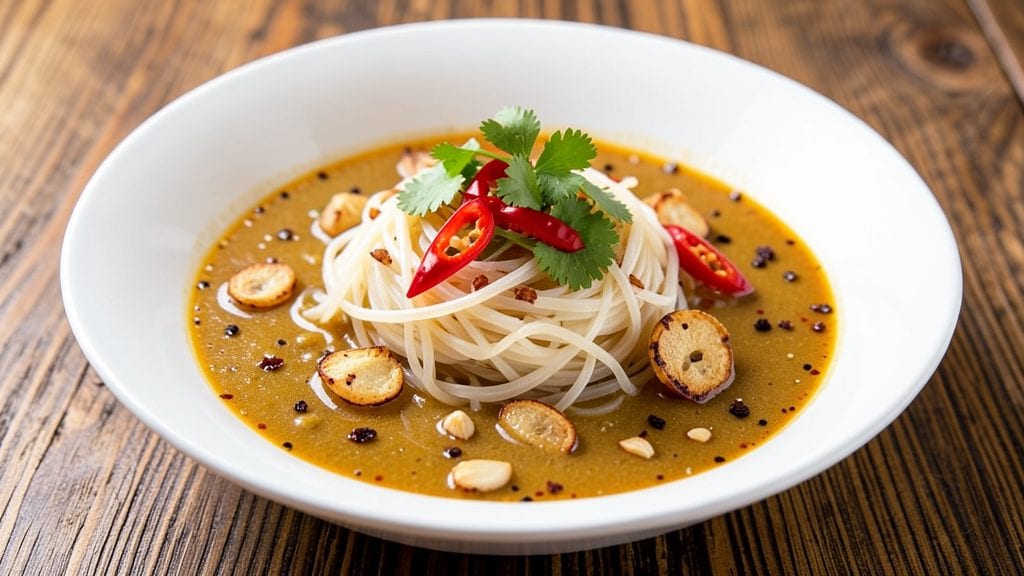
This vermicelli sauce recipe transforms simple pantry staples into a silky, bright condiment that elevates every bowl of noodles. The secret lies in balancing coconut milk’s creaminess with zesty lime and aromatic fish sauce—a combination that delivers depth without complexity.
I developed this version after years of testing, ensuring every ingredient plays a precise role in creating that signature Vietnamese-inspired harmony.
The sauce comes together in just 15 minutes with minimal effort, yet the results are restaurant-quality. A quick simmer reduces the sauce to perfect consistency—neither too thin nor overly thick—while preserving the vibrant flavors.
The garlic and chili add a subtle heat that lingers, making this versatile for both traditional and modern dishes.
What you’ll end up with is a velvety sauce that clings beautifully to vermicelli, enhancing each bite with a perfect balance of tangy, creamy, and umami notes.
It’s the kind of condiment that turns a simple noodle dish into something extraordinary, all while keeping prep straightforward. Ready to elevate your vermicelli game?
Use this sauce as a dipping condiment, a stir-in for noodle bowls, or even a marinade for grilled proteins. The possibilities are endless, and the flavor profile remains consistently delicious. Let’s get started on this foolproof recipe!
Ingredients for vermicelli sauce
Pantry staples meet bold flavors in this velvety sauce—just ten ingredients transform into restaurant-quality goodness.
| Ingredient | Amount | Notes |
|---|---|---|
| Full-Fat Coconut Milk 🥥 | 1 can | High-quality, no additives |
| Fresh Lime Juice 🍋 | ¼ cup | About 2-3 limes, freshly squeezed |
| Fish Sauce 🐟 | 1 ½ tbsp | Red Boat preferred for quality |
| Garlic Cloves 🧄 | 4 cloves | Minced, aromatic freshness |
| Fresh Thai Chili 🌶️ | 1 whole | Or 1 tsp chili flakes |
| Brown Sugar 🍚 | 1 tbsp | Light or dark, packed |
| Extra-Virgin Olive Oil 🫒 | 1 tbsp | For finishing, fruity variety |
| Fresh Cilantro 🌿 | ¼ cup | Stems removed, chopped fine |
| Diamond Crystal Kosher Salt 🧂 | ¼ tsp | Adjust to taste |
| Rice Vinegar 🍶 | 1 tsp | For brightness, optional |
The coconut milk is your base, so don't skimp on quality. Thai Kitchen or Aroy-D brands deliver the richest texture—avoid the watery stuff. Fresh lime juice is non-negotiable; bottled tastes flat. For fish sauce, Red Boat is worth the splurge—it's the backbone of this sauce. Garlic? Four cloves give that aromatic punch without overpowering. If you can't find fresh Thai chilies, chili flakes work, but toast them first for deeper flavor. The brown sugar isn't just for sweetness—it helps balance the acidity and rounds out the sauce beautifully.
No fresh lime? Substitute lemon juice at 1:1 ratio, but add a pinch of sugar to compensate for the milder acidity. Out of fish sauce? Soy sauce or Worcestershire in a pinch, but reduce by half since they're saltier. Skip the cilantro? Fresh mint or basil adds a different but equally vibrant note. The rice vinegar is optional but adds that signature tang—apple cider vinegar works too, though it's slightly sweeter. For heat control, remove the chili seeds before mincing. And if you're making this ahead, store the sauce without the olive oil—add it fresh before serving to keep the flavors bright.
This sauce keeps beautifully—1 week in the fridge sealed tightly, or 3 months frozen in ice cube trays for single servings. The flavors actually deepen over time, so it's perfect for meal prep. When reheating, do it gently over low heat—never boil, or it'll separate. I like to portion mine into small jars so I can grab exactly what I need for a bowl of noodles. The sauce thickens as it cools, so if it seems too thick when fresh, stir in a splash of warm water before serving. Trust me, it's worth the extra minute.
Why You'll Love This Recipe
- No-Fuss Pantry Magic: I swear, this sauce comes together with what’s already in my cupboard—coconut milk, fish sauce, lime—no fancy shopping required. The garlic and chili hit the stove for two minutes, and boom, you’re done. Honestly, I make it when I’m too tired to think.
- Umami Bomb: That first spoonful of sauce—creamy coconut, bright lime, funky fish sauce—it’s like a flavor explosion. The chili adds this little kick that makes you want to eat it straight from the pan. (Yes, even on a Tuesday night.)
- Leftover Goldmine: This sauce keeps for days in the fridge, and it only gets better. I toss it with leftover chicken, noodles, or even eggs for breakfast. Between us, it’s my go-to for turning random scraps into something actually exciting.
- Budget-Friendly Luxury: Full-fat coconut milk might sound fancy, but a can lasts forever, and fish sauce stretches across multiple meals. I’ll be real: this is the kind of sauce that makes cheap ingredients taste like a splurge. Plus, the lime keeps it fresh-tasting without breaking the bank.
Step-by-step instructions for silky coconut-lime vermicelli sauce
This velvety sauce comes together in minutes with just pantry staples.
Bloom the Aromatics in Olive Oil
Heat the 1 tablespoon extra-virgin olive oil in a medium saucepan over medium heat until shimmering but not smoking. Add the 4 cloves minced garlic cloves and stir constantly for 30 seconds until fragrant but not browned—garlic burns faster than you think.
Next, add the 1 whole fresh Thai chili, sliced into thin rings, and cook for another 20 seconds until it softens slightly. The chili should still retain some bite, not turn mushy. Remove the pan from heat immediately to prevent the garlic from darkening—this preserves the delicate, bright flavors we want in the final sauce.
Build the Flavor Base
Return the pan to medium-low heat and pour in the 0.25 cup fresh lime juice and 1.5 tablespoons fish sauce. Stir vigorously for 1 minute as the mixture bubbles gently. The fish sauce will initially look cloudy but will gradually emulsify into the lime juice, creating a glossy, aromatic base.
Add the 1 tablespoon brown sugar and stir until fully dissolved. Taste the mixture now—this is your flavor checkpoint. You should detect bright citrus, umami from the fish sauce, and a touch of sweetness. If it needs more balance, add a pinch of the 0.25 teaspoon diamond crystal kosher salt now rather than later when the sauce thickens.
Incorporate the Coconut Milk
Reduce the heat to low and slowly pour in the 1 can full-fat coconut milk, whisking continuously to prevent curdling. The sauce will begin to simmer gently, and you'll see small bubbles form around the edges of the pan. Let it cook for 3-4 minutes until it thickens slightly but remains silky—it should coat the back of a spoon without being gluey.
Here's the thing—if you see the sauce separating, immediately whisk in 1 teaspoon rice vinegar and let it cook for another 30 seconds. The vinegar acts as an emulsifier, binding the coconut fat and creating that signature velvety texture. Stir in half of the 0.25 cup chopped fresh cilantro now and reserve the rest for garnish.
Finish and Adjust
Remove the pan from heat and let the sauce rest for 2 minutes. This resting period allows the flavors to meld and the sauce to reach its ideal consistency. Taste again and make final adjustments: more fish sauce for saltiness, lime juice for acidity, or brown sugar for sweetness. The sauce should be balanced—bright from the lime, rich from the coconut, and just a hint of heat from the chili.
For serving, drizzle the remaining 0.25 cup chopped fresh cilantro over the sauce and gently fold it in. The cilantro adds freshness and prevents the sauce from becoming too heavy. Serve immediately over cooked vermicelli noodles, allowing the strands to soak up the velvety sauce while keeping their delicate texture.
Pro Tips For Making Vermicelli Sauce
- Bloom the Garlic: Slice those cloves thin—paper-thin—and let them sit in the pan for 30 seconds before adding coconut milk. I used to rush this, and the sauce would taste raw; now it’s rich and aromatic every time.
- Simmer, Don’t Boil: Keep the sauce at a gentle simmer, not a rolling boil, once the coconut milk hits the pan. After burning through one batch, I learned this keeps the creaminess intact and stops the lime from curdling prematurely.
- Squeeze, Then Strain: Roll lime juice through a fine-mesh sieve after squeezing to catch seeds and pulp—this stuff makes the sauce gritty if you skip it. (Yes, even if you’re in a hurry.)
- Taste in Stages: Check the fish sauce balance before adding lime—coconut milk mutes salt, so you’ll need more than you think. I used to dump everything in at once and end up with a bland mess. Now I adjust as I go.
Flavor customization for this dish
Spicy Kick Boost
For extra heat, add 1 tsp of gochujang (Korean chili paste) or ½ tsp of sambal oelek to the sauce during the final simmer. This adds a smoky, fermented depth alongside the chili’s sharpness.
I like to balance it with an extra ½ tsp of brown sugar to prevent overpowering acidity. For a smoky twist, toast 1 tsp of smoked paprika with the garlic before adding lime juice—this infuses the sauce with subtle campfire notes. 🌶️
Creamy Upgrade
Transform this sauce into a luxurious version by swapping half the coconut milk for ¼ cup of cashew cream (blend soaked cashews with water). The cashew adds a nutty richness that pairs beautifully with the lime’s brightness.
For a dairy-free alternative, stir in 2 tbsp of coconut yogurt at the end—it thickens the sauce while adding tangy complexity. Trust me, your noodles will thank you for the velvety upgrade. 🥥
Herb Variations
Swap out cilantro for ½ cup of fresh mint leaves (finely chopped) for a Thai-inspired twist—this adds a refreshing, almost candy-like sweetness that cuts through the coconut’s richness. For a Mediterranean vibe, use 2 tbsp of chopped dill and add ½ tsp of lemon zest to the garlic bloom.
Both variations keep the sauce bright but introduce completely different flavor profiles. 🌿
Sweet-Tangy Balance
If you prefer a sweeter sauce, replace the brown sugar with 1 tbsp of honey or maple syrup—the floral notes of honey pair wonderfully with lime. For extra tang, add 1 tsp of tamarind paste (dissolved in 1 tbsp warm water) to the fish sauce and lime juice mixture.
This adds a complex, fruity depth that elevates the sauce from simple to extraordinary. 🍯
Umami Depth
Boost the savory profile by adding 1 tsp of miso paste (white or red) when you incorporate the coconut milk. The umami richness complements the fish sauce beautifully, creating a deeper, more complex flavor.
For a meaty note without actual meat, stir in 1 tbsp of soy sauce along with the fish sauce—just reduce the brown sugar slightly since soy is salty. 🍜
Smoky Charred Notes
For a smoky depth, char 2 cloves of garlic and 1 Thai chili directly over a gas flame or under a broiler before mincing. Add these charred aromatics to the olive oil at the start—this imparts a subtle smokiness that pairs perfectly with the coconut and lime.
I also like to add ½ tsp of liquid smoke (just a drop!) for an extra layer of complexity without overpowering. ⚡
Nutrition facts
Frequently asked questions
Can I make this sauce without coconut milk?
Swap the coconut milk for ½ cup full-fat Greek yogurt or ¼ cup cashew cream (blended soaked cashews with water) for a tangy, nutty twist. For a lighter option, use ½ cup vegetable broth and add 1 tbsp cornstarch to thicken—just simmer until it reaches your desired consistency. The sauce will still be vibrant, just with a different texture profile.
How do I adjust the heat level in this sauce?
For milder heat, remove the seeds from the Thai chili before slicing or use ½ tsp chili flakes instead. For extra spice, add ½ tsp gochujang (Korean chili paste) or a pinch of cayenne during the final simmer. Always taste as you go—you can balance heat with a touch more brown sugar or lime juice if needed.
Can I use this sauce with other noodles besides vermicelli?
This sauce works beautifully with rice noodles, udon, or even spaghetti—just adjust the portion size based on noodle thickness. For delicate noodles like rice sticks, use ½ the sauce per serving to avoid overwhelming the dish. The coconut-lime balance makes it versatile for both Asian-inspired bowls and lighter Western-style pasta dishes.
Why did my sauce separate? How can I fix it?
Sauce separation happens when coconut fat and liquid aren't properly emulsified. Whisk in 1 tsp rice vinegar or 1 tbsp cold water while stirring vigorously over low heat for 1 minute. For a quick fix, blend the sauce briefly with an immersion blender—this breaks up any curdling. To prevent it next time, reduce heat to low when adding coconut milk and whisk constantly.
Can I make this sauce ahead of time?
Yes! Store the sauce in an airtight container in the fridge for up to 1 week—flavors actually deepen over time. For longer storage, freeze in ice cube trays (thaw in the fridge) or small jars (thaw overnight). Reheat gently over low heat, stirring frequently, and add a splash of water if it thickens too much. The olive oil should be added fresh before serving to keep flavors bright.