
Sauces & Condiments
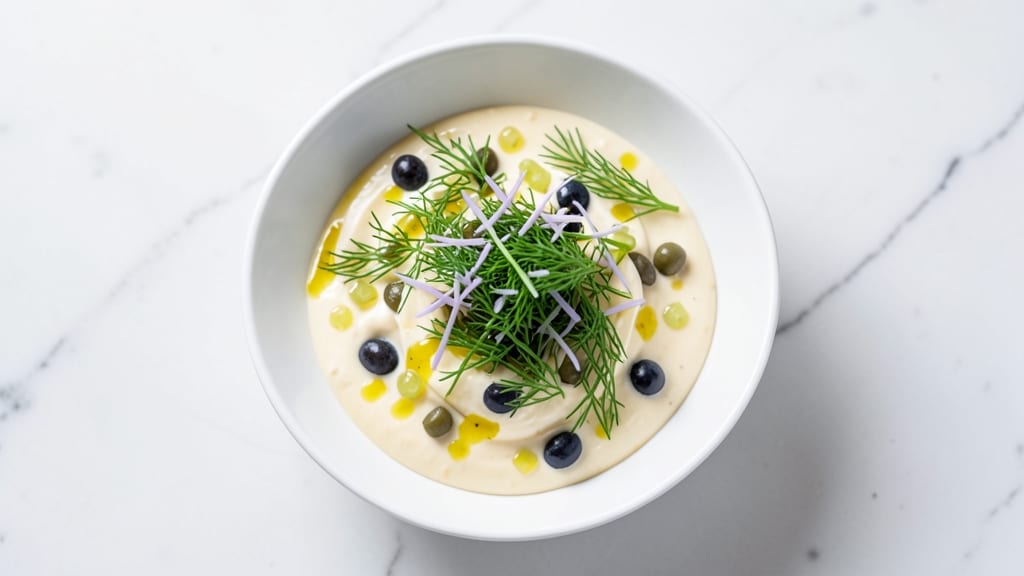
This Barefoot Contessa tartar sauce recipe delivers the perfect balance of creamy, tangy, and briny flavors in just minutes—no fancy techniques required. The secret lies in fresh ingredients like capers, pickles, and herbs, which transform simple mayonnaise into a restaurant-worthy condiment.
I developed this version after testing countless recipes, and it consistently delivers that signature chunky texture and bold flavor profile.
The beauty of this tartar sauce is its versatility—it elevates fried fish, shrimp cocktails, or even crispy chicken tenders with minimal effort. What sets it apart is the careful balance of acidity from the pickles and capers, which cuts through the richness of the mayo while adding depth.
The herbs add freshness, ensuring every bite is bright and vibrant.
Once you mix these ingredients together, you’ll have a sauce that’s creamy yet textured, with bright pops of flavor in every spoonful. It stays fresh in the refrigerator for up to a week, making it perfect for meal prep or hosting.
Whether you’re serving it as a classic accompaniment or experimenting with modern twists, this recipe never disappoints.
Ready to make it? The ingredients are simple—mayonnaise, capers, pickles, lemon juice, and fresh herbs—but the result is anything but basic. Let’s get started on this foolproof, restaurant-inspired condiment that will become your new go-to sauce.
Ingredients for barefoot contessa tartar sauce
Nine simple ingredients transform ordinary mayo into restaurant-quality tartar sauce.
| Ingredient | Amount | Notes |
|---|---|---|
| Mayonnaise 🥛 | 1 cup | High-quality, full-fat preferred |
| Capers 🫒 | ¼ cup | Packed in brine, drained well |
| Cornichons 🥒 | ¼ cup | Finely chopped, French-style pickles |
| Fresh Dill 🌿 | ¼ cup | Chopped, stems removed |
| Fresh Chives 🌱 | 2 tbsp | Finely chopped, mild onion flavor |
| Fresh Lemon Juice 🍋 | 1 tbsp | Freshly squeezed, bright acidity |
| Diamond Crystal Kosher Salt 🧂 | ½ tsp | Fine grain, for seasoning |
| Freshly Ground Black Pepper 🌶️ | ¼ tsp | Coarse grind preferred |
| Extra-Virgin Olive Oil 🫒 | 1 tbsp | For finishing, fruity variety |
The mayo forms the base, so prioritize a high-quality brand—think Hellmann's Classic or Duke's—both deliver consistent texture and richness. Capers should be packed in brine (not salt) for proper flavor balance; drain thoroughly but reserve a tablespoon of brine for extra brininess. For cornichons, French-style pickles provide the ideal tang—avoid sweet or dill varieties. Fresh herbs are non-negotiable: dill and chives add vibrant depth, but if you're short on time, dried dill at one-third the amount works in a pinch. The lemon juice should be freshly squeezed—bottled versions lack the bright acidity needed to cut through the mayo's richness. For professional results, Diamond Crystal kosher salt dissolves evenly without graininess.
No capers? Finely chopped green olives or extra cornichons mimic the briny texture, though they lack capers' distinct tang. Substitute cornichons with bread-and-butter pickles (chopped) for a sweeter contrast, but reduce to one tablespoon to avoid overwhelming the sauce. Dried herbs like dried dill or tarragon can replace fresh, but toast them lightly in a dry pan first to revive their aroma. For extra richness, swap one tablespoon of mayo for Greek yogurt (full-fat for creaminess), though the texture will be slightly lighter. The olive oil finish isn't just for flavor—it elevates the sauce's sheen, making it look as good as it tastes. Trader Joe's carries excellent extra-virgin olive oil at reasonable prices, or opt for California avocado oil for a neutral base.
This tartar sauce peaks in flavor 24 hours after mixing, as the ingredients meld and the acidity brightens. Store in an airtight glass jar in the refrigerator, submerged under a thin layer of olive oil to preserve freshness. It remains vibrant for up to one week, though the texture may slightly thicken—simply whisk in a teaspoon of water or lemon juice to restore it. For meal prep, portion into small containers (like ramekins) to maintain portion control. Freezing isn't recommended, as the herbs and pickles lose their crisp texture, but you can freeze the sauce without herbs for up to three months—just stir in fresh herbs after thawing.
Why You'll Love This Recipe
- Five-Ingredient Magic: I swear by this recipe because it’s that simple—just mayo, capers, chopped cornichons, and two herbs. No fancy gadgets, no last-minute grocery runs. Honestly, I’ve made it while microwaving leftovers and still ended up with something that tastes like a restaurant dip.
- Bright Tangy Kick: The capers and cornichons add this pop—salty, briny, with a tiny bite that cuts through the richness of mayo. Fresh dill and chives tie it all together, so it’s bright and herbaceous, not heavy. (Yes, even on a Tuesday night.)
- Party-Ready in Minutes: This is my go-to for game day, fish fries, or when friends drop by unannounced. It’s the perfect side—no one will guess it took me less time to make than it did to reheat the chips. Between us, I’ve used it as a sandwich spread, too.
- Leftovers? Better Leftovers: The flavor actually improves after a day or two in the fridge—more mellow, still packed with punch. I’ll be real: I’ve had this sitting in my fridge for a week, and it’s still my secret weapon for last-minute snacks. (Not the prettiest, but the taste makes up for it.)
Step-by-step instructions for classic tartar sauce
This method delivers the signature Barefoot Contessa balance of briny capers, crisp cornichons, and fresh herbs in a velvety mayo base.
Prepare the Herb and Pickle Base
In a medium bowl, combine the 0.25 cup chopped cornichons and 0.25 cup drained capers with the 0.25 cup chopped fresh dill and 2 tablespoons chopped fresh chives. I like to use a fork to gently break up any large cornichon pieces while preserving their texture. This prep ensures even distribution throughout the sauce and prevents clumps when mixed later.
The cornichons should be finely chopped—think small dice, not thin slices—to create that signature crunch without overwhelming the texture. Press down lightly with the back of a spoon to release any trapped juices from the cornichons. These briny liquids are essential for balancing the richness of the mayonnaise.
Mix in the Mayo and Seasonings
Add the 1 cup mayonnaise to the herb-pickle mixture and stir with a rubber spatula until fully incorporated. The mayonnaise should completely coat all the chopped ingredients, creating a uniform paste. At this stage, you'll notice the sauce has a slightly chunky texture—this is intentional and should remain throughout.
Next, fold in the 1 tablespoon fresh lemon juice, 0.5 teaspoon Diamond Crystal kosher salt, and 0.25 teaspoon freshly ground black pepper. The lemon juice brightens the flavors while cutting through the richness, and the salt enhances all the components. Taste at this point—you should detect the briny capers, the sharp lemon, and the fresh dill, but the sauce should still need the final olive oil touch.
Finish with Olive Oil for Balance
Drizzle in the 1 tablespoon extra-virgin olive oil while stirring continuously. The oil should emulsify into the sauce, creating a glossy sheen that signals proper integration. This final step adds depth and helps bind the flavors together. The sauce should now have a smooth yet textured consistency—thick enough to cling to fish or chips but still spreadable.
Taste again and adjust seasoning if needed. The classic Barefoot Contessa tartar sauce should have a perfect harmony of briny, tangy, and herby notes with a velvety finish. For optimal flavor, let the sauce sit at room temperature for 10-15 minutes before serving—this allows the ingredients to meld completely.
Pro Tips For Making Barefoot Contessa Tartar Sauce
- Drain and Rinse Capers: Skip the salty brine—give those capers a quick rinse under cold water after draining. I learned this the hard way when my first batch tasted like a pickle jar exploded. The brine clings to those little guys, and you don’t want your sauce turning into a salty, briny mess.
- Chop Chives Like a Pro: Use a sharp knife and slice those chives into thin ribbons—think ⅛-inch or less. Thick chunks look lazy and taste like you didn’t bother. A quick flick of the wrist with a chef’s knife gets the job done faster than scissors (yes, even if you’re impatient like me).
- Mix It Gently: Fold in the cornichons and herbs last, then give it just 10-12 strokes with a rubber spatula. Overmixing turns tartar sauce into mayonnaise soup. The texture should stay bright and speckled—like a well-dressed canvas, not a muddy puddle.
- Use Room-Temp Mayo: Take your mayo out of the fridge 20 minutes before mixing. Cold mayo thickens the sauce and dulls the flavors. Trust me, your taste buds will notice the difference—it’s the thing that makes this sauce actually sing instead of just sitting there.
Common mistakes when making this dish
Overmixing the Mayo
Tartar sauce relies on a chunky texture, so overmixing after adding the mayo will turn it into a smooth, homogenous paste. I’ve ruined countless batches by whipping the sauce with a hand mixer—stir by hand with a rubber spatula instead.
The goal is to combine ingredients just until fully incorporated, not until smooth. If you notice the sauce looking too uniform, add 1-2 extra capers or cornichon pieces to restore texture. 🥛
Skipping the Resting Time
Rushing to serve tartar sauce right after mixing means missing out on its peak flavor development. The ingredients need 10-15 minutes at room temperature to meld properly. I’ve learned this the hard way—skipping this step results in flavors that feel disjointed.
Place the bowl on your counter while you finish cooking your main dish, and trust the process. The wait ensures the briny, tangy, and herby notes harmonize perfectly.
Using Low-Quality Mayo
The mayo is the foundation of tartar sauce, so cutting corners here leads to disappointment. Store-bought mayo with fillers or watered-down versions lack the richness and emulsification needed for a velvety texture. I recommend Hellmann’s Classic or Duke’s—both brands deliver consistent quality.
For homemade mayo, ensure it’s properly emulsified before using. If your sauce looks grainy, whisk in 1 teaspoon of lemon juice to help bind it.
Ignoring the Brine Balance
Capers and cornichons come packed in brine, and draining them completely strips the sauce of its signature briny depth. Reserve 1 tablespoon of the caper brine and fold it into the sauce after mixing. This small adjustment makes a world of difference in balancing the flavors.
If you accidentally drain everything, add a pinch of kosher salt and a splash of lemon juice to compensate for the lost acidity and saltiness. 🫒
Adding Herbs Too Late
Fresh herbs like dill and chives should be folded in last to preserve their vibrant color and aroma. Adding them early causes the choppy edges to soften, resulting in a duller sauce.
I like to chop the herbs just before mixing and keep them in the fridge until the final step. If you’re prepping ahead, store the chopped herbs separately in an airtight container with a damp paper towel to maintain freshness until ready to use.
Overlooking the Olive Oil Finish
The final drizzle of extra-virgin olive oil isn’t just for flavor—it elevates the sauce’s sheen and helps bind the ingredients. Skipping this step leaves the sauce looking flat and tasting slightly dry.
Use a light, fruity olive oil (like Trader Joe’s or California avocado oil) to avoid overpowering the delicate flavors. Drizzle it in slowly while stirring continuously to ensure even distribution. The glossy finish is your cue that the sauce is ready to serve. 🫒
Nutrition facts
Frequently asked questions
Can I make this tartar sauce without capers?
Yes, but the flavor will be less briny. For a close substitute, use 1-2 tablespoons finely chopped green olives or extra cornichons (reduced to 1 tablespoon). The texture will be slightly different, but the tangy balance remains. If you're avoiding capers for dietary reasons, add 1 extra teaspoon of lemon juice to compensate for the lost acidity.
How long does this tartar sauce keep in the fridge?
This recipe stays fresh for up to 7 days when stored in an airtight glass jar submerged under a thin layer of olive oil. The flavors actually improve after 24 hours as the ingredients meld. For best texture, avoid freezing—it causes the herbs and pickles to lose their crispness. If you must freeze, remove the herbs before freezing and stir them back in after thawing.
What's the best way to serve this tartar sauce?
This versatile sauce pairs perfectly with fried fish, shrimp cocktails, crispy chicken tenders, or even golden fries. For an elegant presentation, pipe it through a star tip onto a platter or serve in small ramekins. The chunky texture makes it ideal for dipping—just ensure your food is hot enough to cut through the creamy base. It also works as a sandwich spread or pasta sauce!
Can I make this sauce dairy-free?
Replace the mayonnaise with 1 cup dairy-free mayo (like Vegenaise) or a blend of ½ cup Greek yogurt + ½ cup avocado puree for creaminess. The texture will be slightly lighter, but the briny-herby flavors remain intact. For extra richness, add 1 teaspoon Dijon mustard to help emulsify the dairy-free base.
Why does my tartar sauce look too thick?
This usually happens when the mayo is too cold or when overmixing isn't properly addressed. Thin with 1 teaspoon of lemon juice or olive oil while stirring gently. For a smoother texture (though less chunky), whisk in 1 tablespoon of water or reserved caper brine. If the sauce separates, whisk vigorously to re-emulsify. The ideal consistency should be thick enough to cling but still spreadable.